Critically Endangered
Oligosoma awakopaka
Oligosoma awakopaka
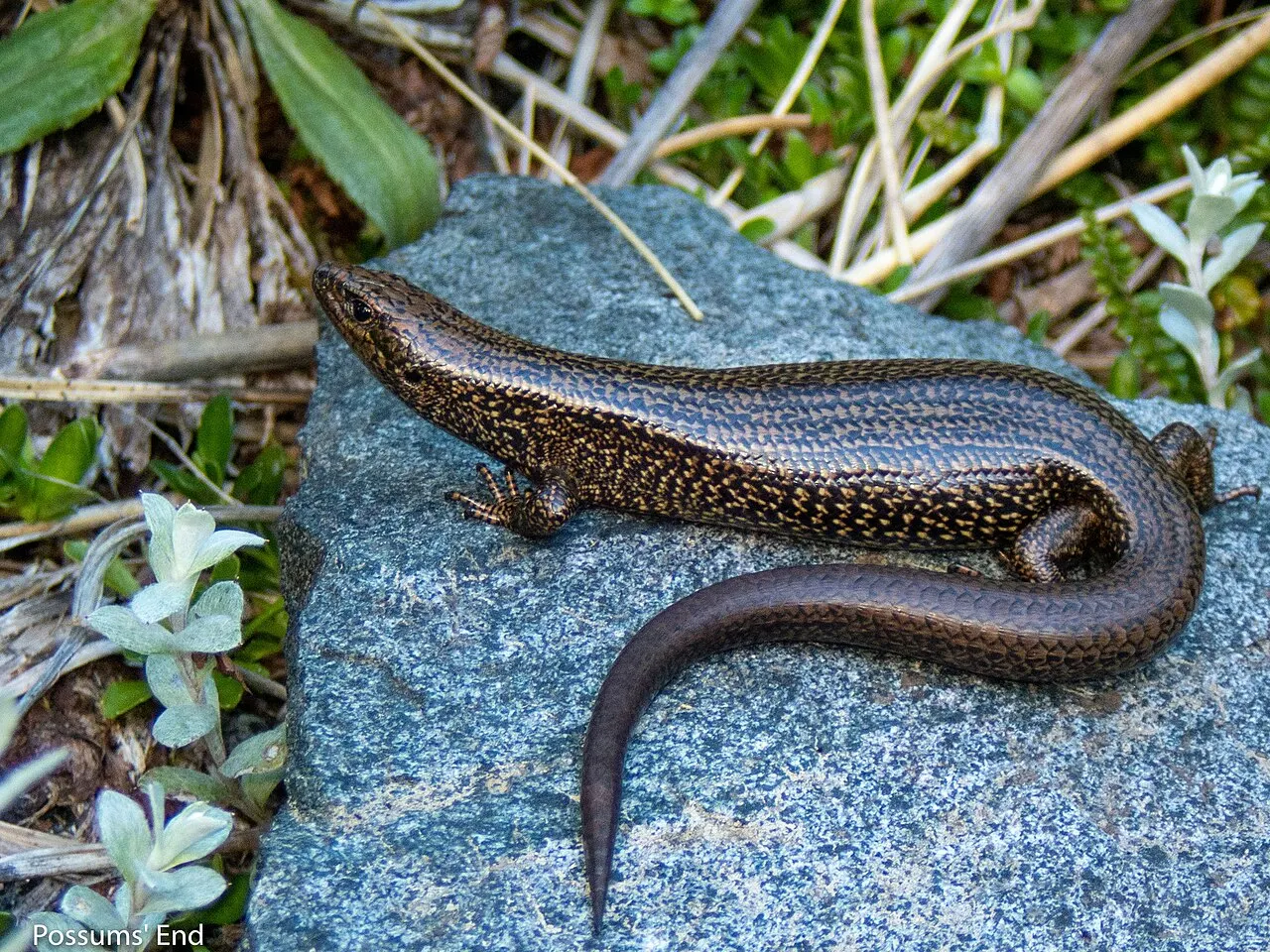
The Awakopaka skink (Oligosoma awakopaka) is a small alpine lizard known from a patch of boulder country near Homer Saddle in Fiordland, New Zealand. Fewer than 20 individuals have been recorded. It is Critically Endangered on the IUCN Red List (assessed 2019) and Nationally Critical in New Zealand.
How to recognise it
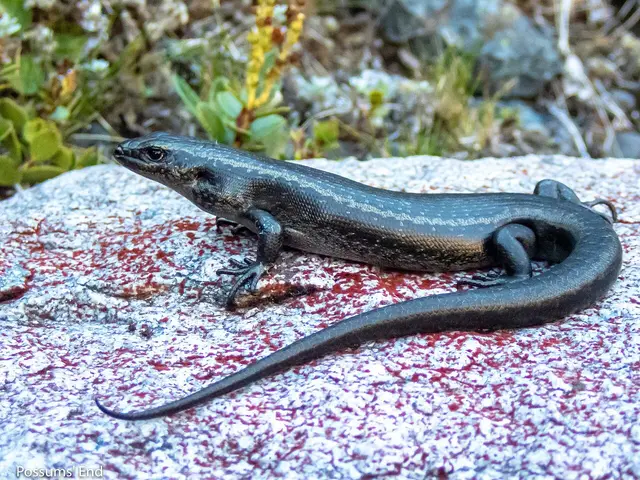
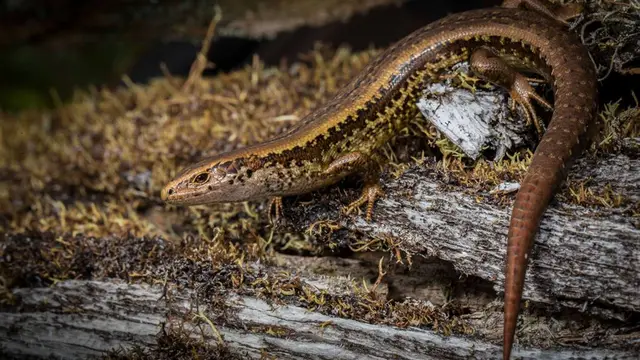
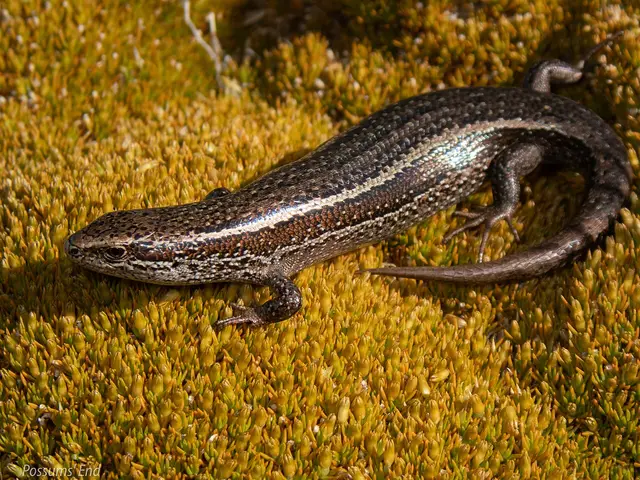
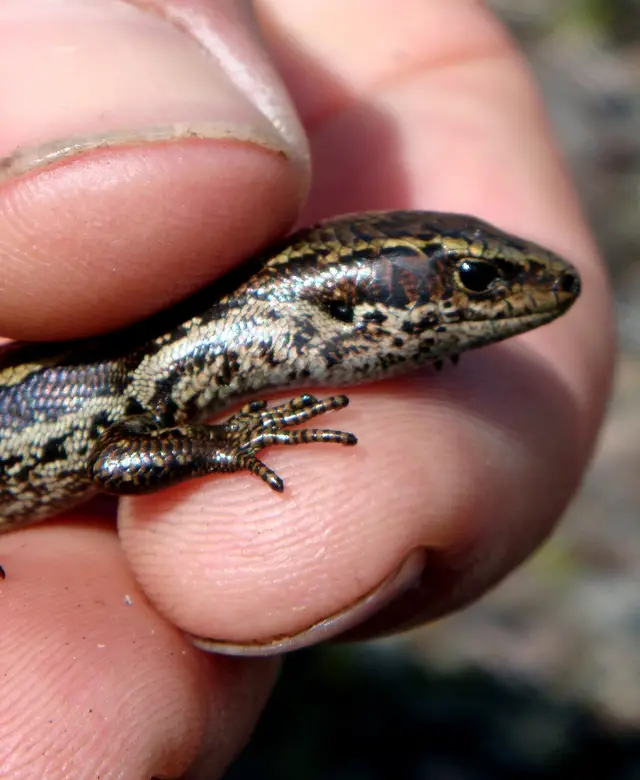
Adults reach at least 77 mm from snout to vent, and the tail is about as long as the body or a little longer. The back is glossy brown-yellow, flecked with black, often with a faint pale stripe along each side edged in black. The belly is bright yellow, also flecked with black. The heaviest animal weighed at least 7.36 grams.
Where it lives
It is known from a very small area of rugged alpine boulder ground near Homer Saddle in Fiordland, South Island. DOC describes a few hectares, while the New Zealand Herpetological Society puts it at under two hectares. The IUCN lists one location at about 1,200 to 1,250 metres, in rocky ground and grassland. The site is exposed to avalanches and rockfalls. The skink may occur elsewhere in Fiordland National Park, but no other population has been found.
The name is Maori and is usually translated as the skink that lives in the footprints of mighty glaciers.
Pins are Wikidata “endemic to” fields. Orange dots, when present, are GBIF occurrence tiles — survey bias included.
How it lives
It is extremely hard to find. DOC dates its first discovery to 2014 and says it then went unseen for years before being found again in 2019. It was formally described in 2017 by Tony Jewell. It has been seen basking only two or three times, and is presumed to be active by day and to live on the ground. DOC says it eats invertebrates, fruit and nectar. Its life expectancy is unknown.
Why it is in trouble
With so few animals in so small an area, one bad season could finish the population. DOC names introduced mammals as the suspected main threat, mice in particular, and says a large rise in mouse numbers could render the species functionally extinct in a single season. Mouse plagues can follow beech and tussock seeding. Stoats, and hares, rabbits, chamois and deer that browse alpine vegetation, add pressure. The IUCN records a decreasing population.
DOC also notes that loss of permanent alpine snow with warming could change the humidity and insect life the skink relies on.
What is being done
DOC runs sustained mouse control over the site, one of the first attempts of its kind on the New Zealand mainland, using a dense grid of bait stations serviced monthly. In summer 2023/24, ahead of a predicted beech masting event, a team from DOC, Auckland Zoo and Ngai Tahu moved some skinks into captivity. DOC asks anyone who photographs a lizard in South Island alpine areas to report it, with photos and exact location, to lizardresearch@doc.govt.nz.
Sources
Written for this catalog in our own words from the sources below, checked against them on 12 November 2026. Population figures are estimates and carry the year they were made. Status and assessment year: IUCN. 2026. The IUCN Red List of Threatened Species. Version 2026-1. iucnredlist.org.