Critically Endangered
Oligosoma infrapunctatum
Oligosoma infrapunctatum
Oligosoma infrapunctatum is a brown, black-flecked skink from New Zealand whose original population has not been found for well over a century. The IUCN's 2021 assessment rates it Critically Endangered under criterion D and flags it as possibly extinct. It may be awaiting rediscovery, or already gone.
A name caught up in a taxonomic revision
George Albert Boulenger described the skink in 1887. For a long time it was treated as the same animal as the widespread speckled skink of New Zealand, and the name was applied to that common lizard.
That changed with a 2019 Zootaxa revision by Melzer and colleagues, titled 'Lost and found'. It showed that the original specimen could be told apart from living skinks and split the complex into six species. The widespread skink is now generally called Oligosoma newmani, and the revision raised the possibility of a cryptic extinction, meaning the true O. infrapunctatum may have vanished without anyone noticing.
Older listings can still blur the picture. New Zealand's threat classification of 'gradual decline' applies to the whole complex, not to this species alone.
How to recognise it
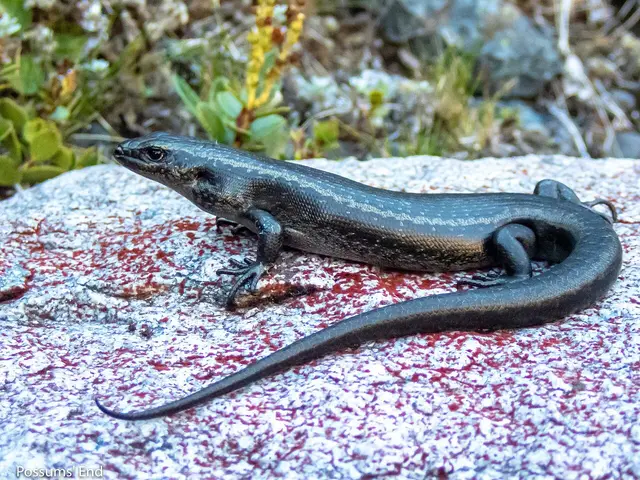
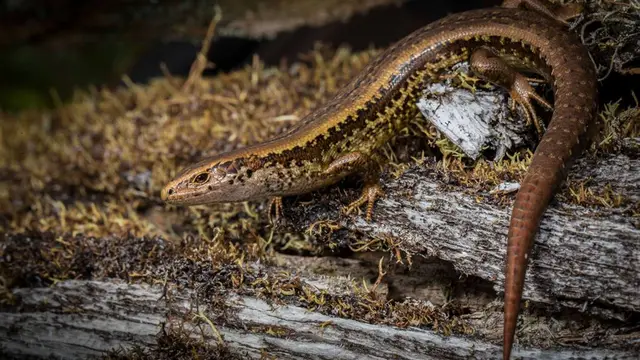
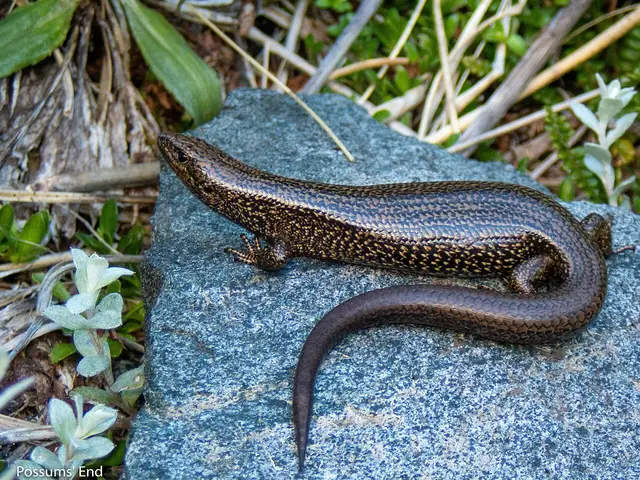
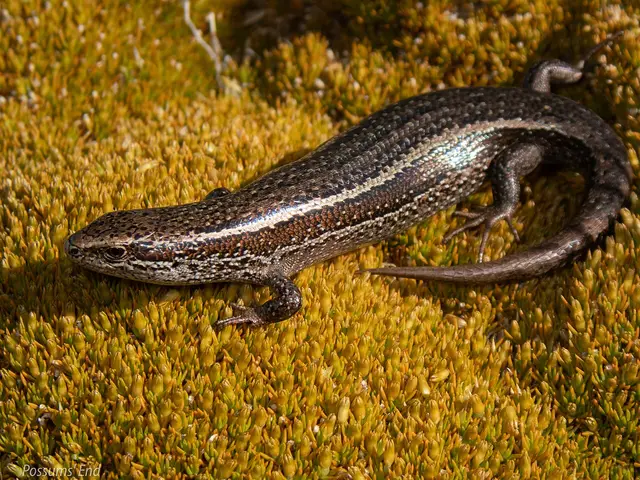
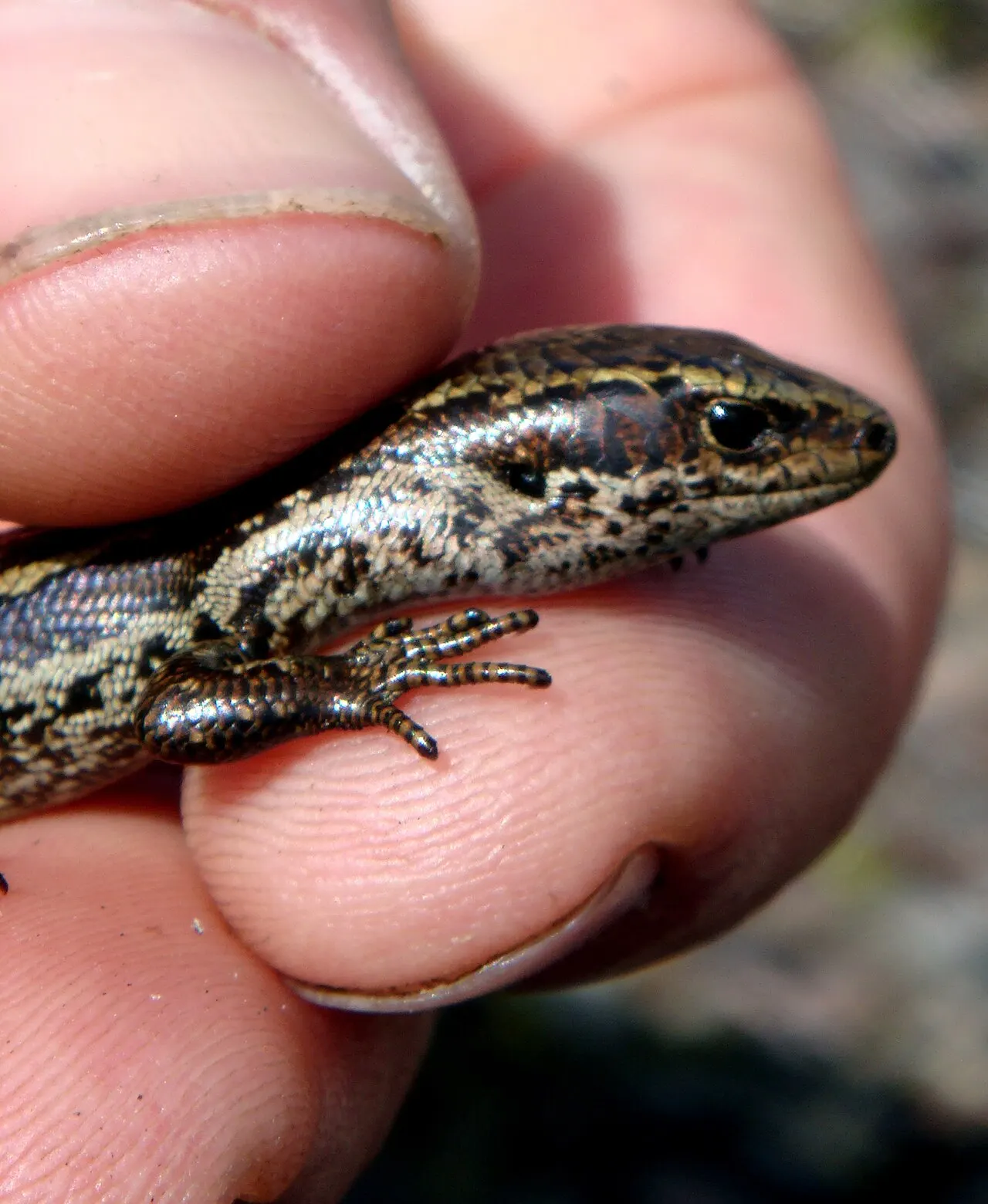
The back is brown and heavily flecked with black. A pale stripe runs from head to tail along the upper side, bordered above and below by dark bands. The throat is grey and the belly pale with dark flecks in rows. Snout to vent length reaches about 80 mm, and the tail is as long as the body or longer.
The most similar skink is an undescribed form from Hokitika, which differs in scale counts and other features.
Where it lives
The IUCN gives New Zealand as its only range and lists habitat as unknown. No living population has been tied to this species, and the collection site of the original specimen is not known, so where it might survive is a question without an answer.
Breeding, social life and lifespan are all undocumented. Like other skinks of its genus it is probably an insect and fruit eater, but that is an assumption.
Pins are Wikidata “endemic to” fields. Orange dots, when present, are GBIF occurrence tiles — survey bias included.
Why it is in trouble
The IUCN records a population size of 0 to 49, a continuing decline and an unknown trend. Criterion D applies to very small populations. The threats it lists are agricultural plantations, farming and unintentional harm from small-scale harvesting, without a specific cause tied to this skink.
The Zootaxa revision states the original population has not been relocated in at least 130 years, so the rating rests on a handful of historical records and anatomical comparison. It is a Red List entry for an animal that might be a threatened survivor or an extinct one.
New Zealand's reptile database lists it as Data Deficient. The IUCN assessment records no conservation actions and no recovery plan, and it is unknown whether any protected area holds the species.
Sources
Written for this catalog in our own words from the sources below, checked against them on 12 November 2026. Population figures are estimates and carry the year they were made. Status and assessment year: IUCN. 2026. The IUCN Red List of Threatened Species. Version 2026-1. iucnredlist.org.