Critically Endangered
Burgan skink
Oligosoma burganae
The Burgan skink is a small, glossy-brown lizard of the high tussock country of inland Otago, on New Zealand's South Island. It is known from only a handful of mountain sites in two ranges. The IUCN Red List assessed it as Critically Endangered in 2019, citing a steep and continuing decline.
How to recognise it
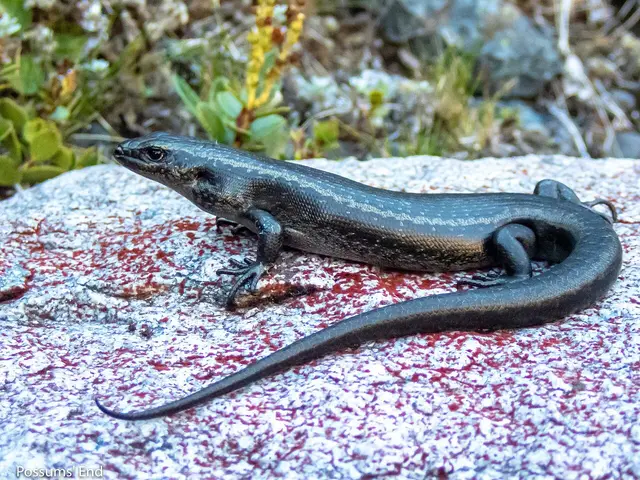
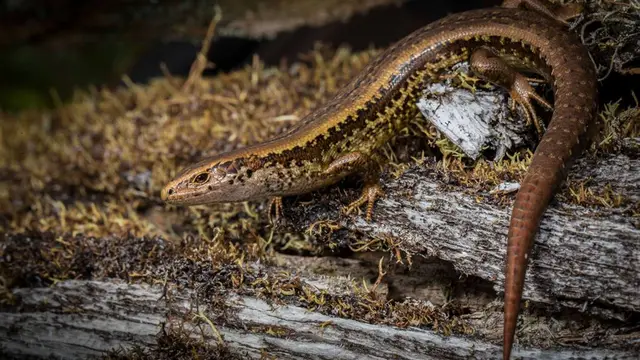
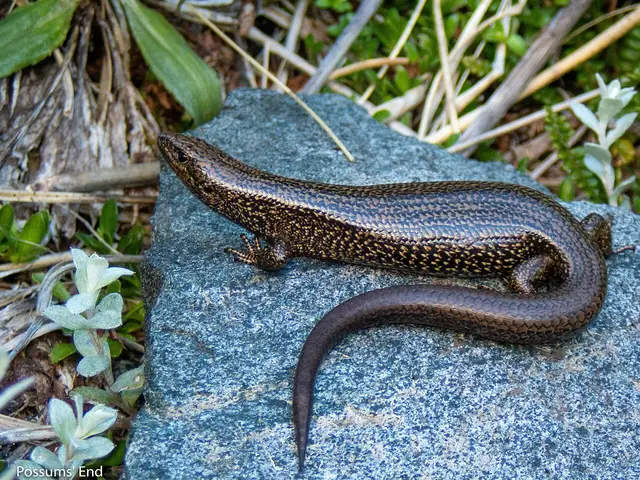
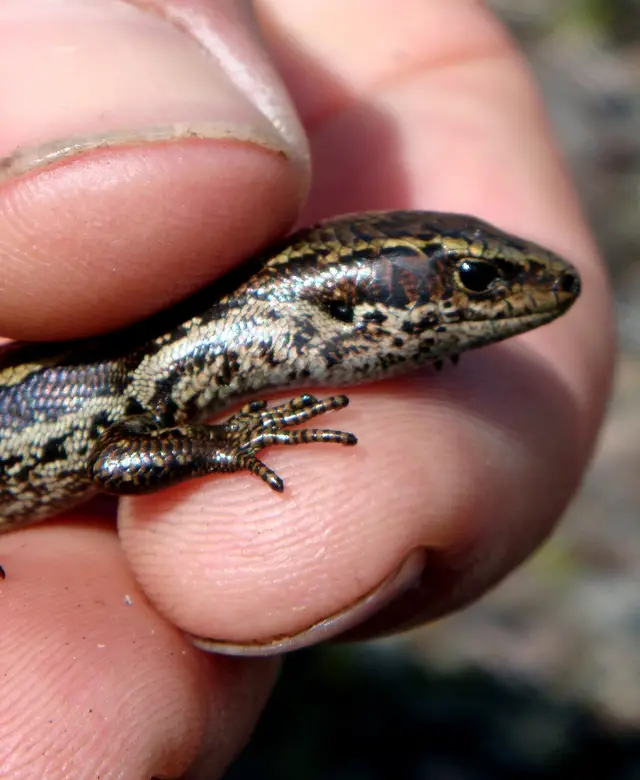
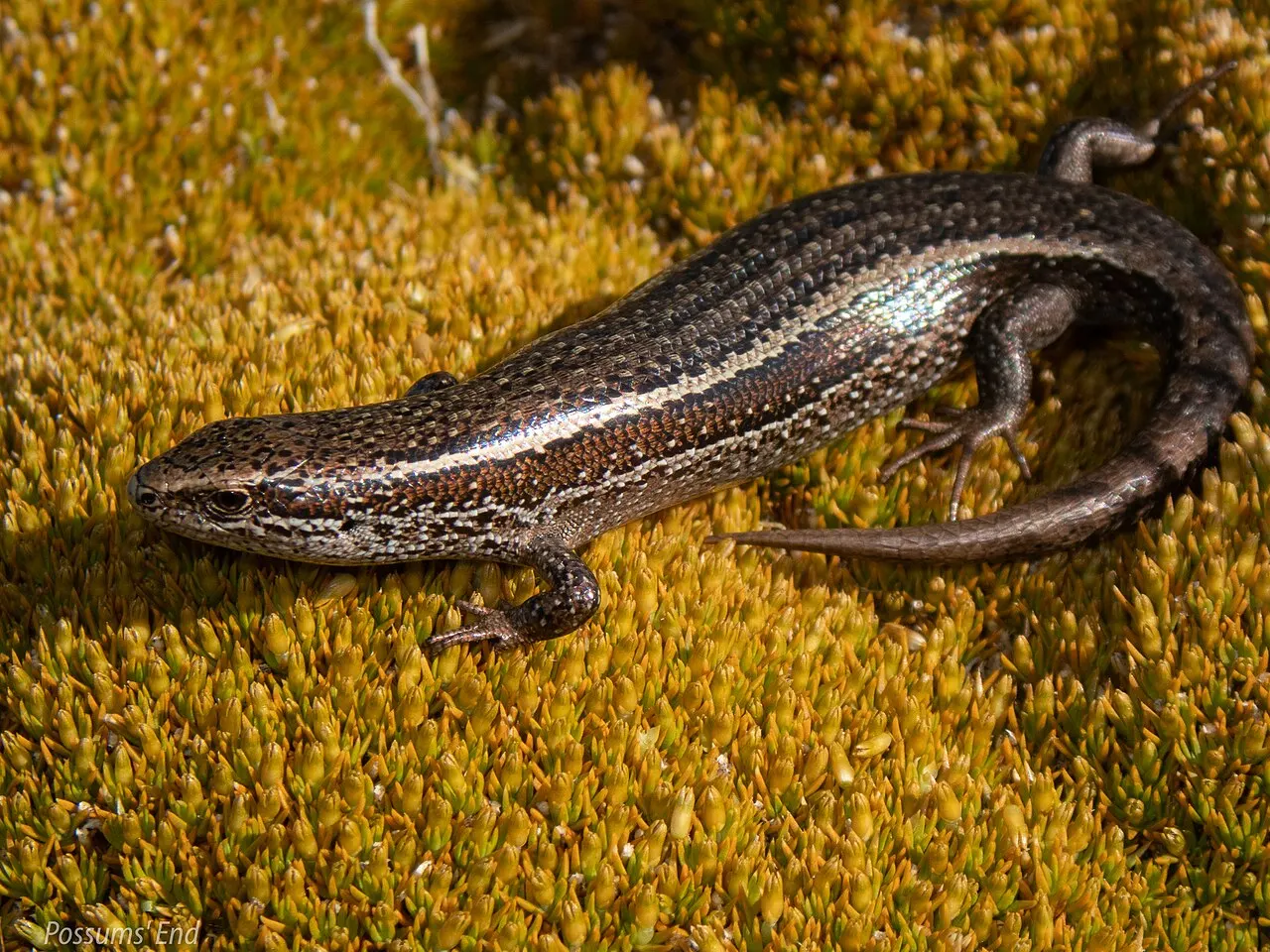
It's a slim alpine skink with a body up to about 70 millimetres from snout to vent, and a tail roughly as long as the body or a little longer. The back is dark brown and olive, flecked with cream or gold, and a dark stripe usually runs down the middle. Each side carries a dark brown band edged with pale lines.
The underside is the best clue. It's typically grey with black speckling, sometimes tinged yellow, which helps separate it from the southern grass skink and McCann's skink, two lookalikes in the same region.
Where it lives
The species lives only in the Rock and Pillar and Lammermoor Ranges of Central Otago. It was described as a new species in 2011 from a specimen found near Burgan Stream in the Rock and Pillar Range, after genetic work showed it differed from other skinks.
It occupies herbfield, montane grassland and shrubs between roughly 800 and 1,400 metres, favouring dense, tangled vegetation such as cushion plants, small herbs, tussock and mountain daisies. New Zealand's Department of Conservation (DOC) knows of eight sites covering about 500 hectares. The IUCN assessment gives a much smaller footprint: an area of occupancy of 32 square kilometres inside a wider extent of about 30,566 square kilometres.
Pins are Wikidata “endemic to” fields. Orange dots, when present, are GBIF occurrence tiles — survey bias included.
How it lives
Burgan skinks are active by day and warm themselves in the sun. They're thought to shelter in the burrows of ground invertebrates to escape extreme cold and predators. They appear to be solitary and to defend their patch, especially against skinks of similar size.
Females mature at about 46 millimetres. They give birth to live young, up to six at a time, from late January to early February. The diet includes small invertebrates such as beetles, spiders and flies, plus the fruit of native plants.
Why it is in trouble
Whole populations have been lost since the 1980s, and DOC says the causes are poorly understood. Suspected pressures include mice, which DOC names as a significant predator, along with rats, mustelids and cats. Loss of shrubland to grazing and weeds, and competition with other lizards as habitat changes, are also on the list. The IUCN assessment names feral cats, other predatory mammals and habitat degradation from exotic grasses, and the New Zealand Herpetological Society says tussock fire is the main danger across the range.
The IUCN assessment reports a population decline of about 80 percent, past and ongoing, and records a population figure of 250. Site-level figures look rosier: the New Zealand Herpetological Society says some sites hold thousands of skinks, and that new populations turned up between 2017 and 2021. The two pictures haven't been reconciled.
What is being done
DOC's Alexandra office leads monitoring at key sites, and the agency asks people to report lizard sightings to their local office. The IUCN lists invasive species control and site management as needed actions, and notes the skink doesn't occur in a formal protected area.
Sources
Written for this catalog in our own words from the sources below, checked against them on 12 November 2026. Population figures are estimates and carry the year they were made. Status and assessment year: IUCN. 2026. The IUCN Red List of Threatened Species. Version 2026-1. iucnredlist.org.