Ecuador
52 catalog pins
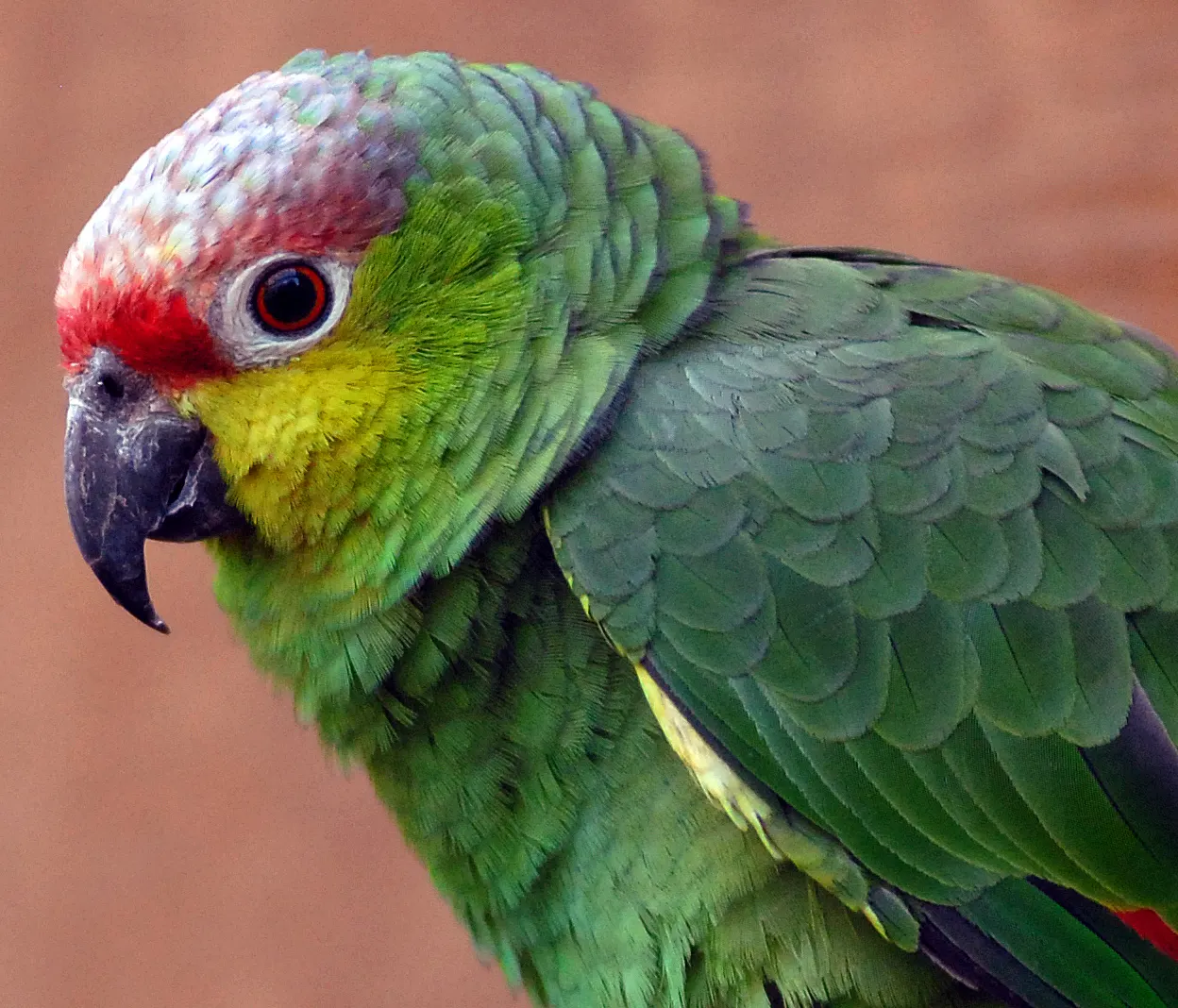
52 animals in this catalog carry a structured country pin for Ecuador. That is a filing fact, not a claim that the crisis is only here.
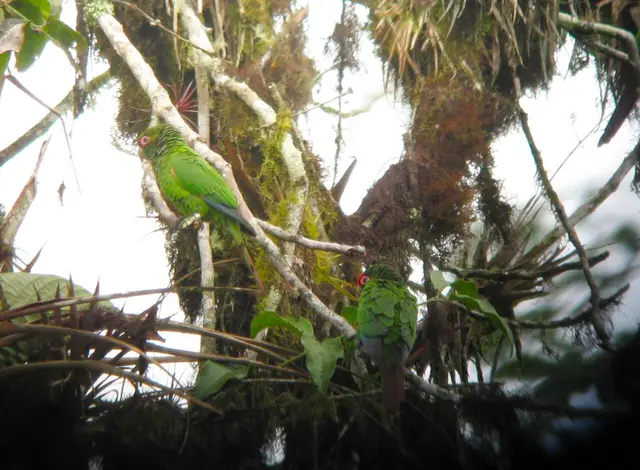
The photograph is one of those animals: Lilacine amazon. Open a dossier for the text, the status, and the map. Use the world map to jump to another country. Confirm official distributions on the Red List.
Ecuador has enormous variety. Its draft Convention on Biological Diversity profile describes 26 habitat types across four zones: the coast, the mountain range, the Amazon and the Galapagos Islands. It says Ecuador has more plant species per unit area than any other South American country. Forest covers about 11.6 million hectares, or 42% of the territory.
Ecuador is also one of 17 megadiverse countries. The Galapagos lie roughly 1,000 kilometres west of the mainland.
Where the pressure comes from
The profile names deforestation as the main threat and ranks Ecuador second among Latin American countries for deforestation. Other pressures include firewood collection, urban growth, oil extraction, agriculture, mining, fishing, tourism and introduced species. The deforestation rate fell from 2.39% a year in 1990 to 2000 to under 0.5% a year by 2005, according to the profile.
Amphibians have faced a different problem. The Quito stubfoot toad, Atelopus ignescens, once abundant along streams, rivers and ponds in the páramo around Quito, was last recorded in 1988 and believed extinct until a small relict population turned up in Angamarca, Cotopaxi Province, in 2016. Chytrid fungus disease is the probable cause of the decline, with habitat destruction, pollution, climate change and invasive rainbow trout also listed.
What is being done
About 96% of the Galapagos land area is national park, and the islands were inscribed as a World Heritage Site in 1978. Goats and rats introduced in the pirate era greatly damaged ecosystems on several islands. The islands were on the endangered World Heritage list from 2007 to 2010. Ecuador's national biodiversity policy and strategy covered 2001 to 2010 and the profile says it was not properly implemented; an update was under way. The 2008 constitution recognised legally enforceable rights of nature, a world first.
Reading the catalog for Ecuador
Ecuador has a long list: 52 animals, 20 Critically Endangered and 32 Endangered. Amphibians are the largest group in the catalog's list, with 38. Squamata (lizards and snakes) follow with 6, then birds with 4. By family, Bufonidae (15) and Craugastoridae (13) lead.
One listed tortoise, Chelonoidis donfaustoi, lives only on eastern Santa Cruz Island in the Galapagos, with about 250 individuals by a 2015 estimate.
Sources for this section
- CBD country profile, Ecuador (draft): habitats, forest cover, deforestation, threats, strategy, Galapagos park share
- Wikipedia, Atelopus ignescens: decline, 2016 rediscovery, causes
- Wikipedia, Ecuador: megadiverse, Galapagos distance, 2008 constitution
- Wikipedia, Galapagos Islands: World Heritage dates, invasive goats and rats
- Wikipedia, Chelonoidis donfaustoi: range on Santa Cruz, population estimate
What the catalog records for Ecuador
The catalog has 52 animals with a country pin for Ecuador: 20 Critically Endangered and 32 Endangered. By GBIF class the largest groups are Amphibia (38), Squamata (6), Aves (4), Testudines (1). The families with the most records are Bufonidae (15), Craugastoridae (13), Centrolenidae (3). A pin means a structured source (Wikidata or a GBIF match) places the animal in Ecuador; it does not say the animal lives only there.
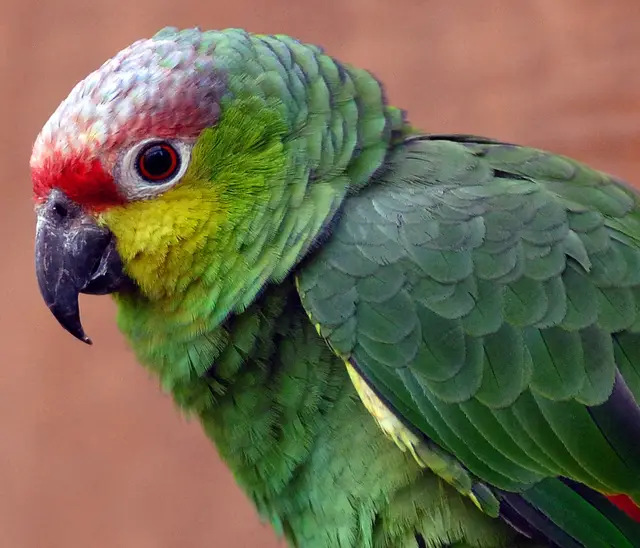 CR
Lilacine amazon
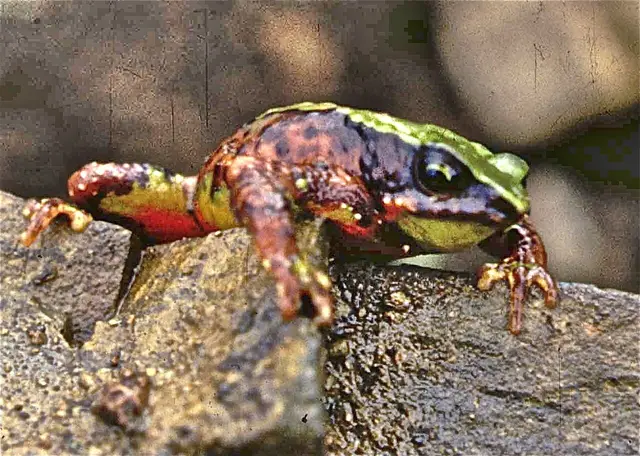 CR
Atelopus arthuri
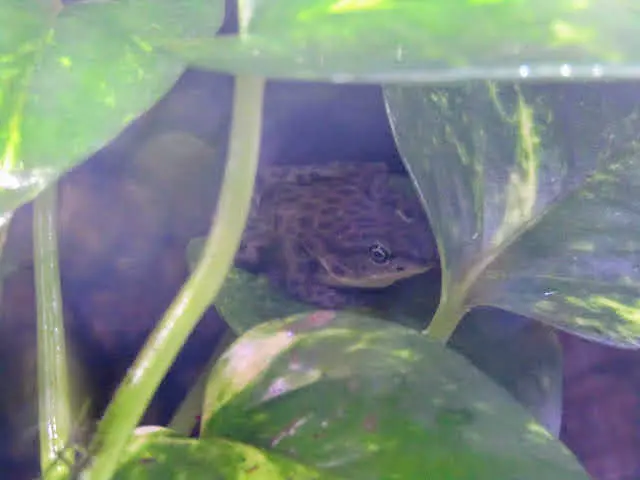 CR
Atelopus balios
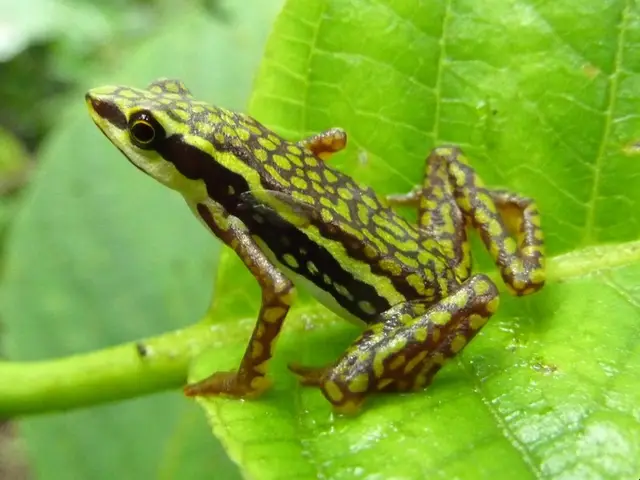 CR
Atelopus coynei
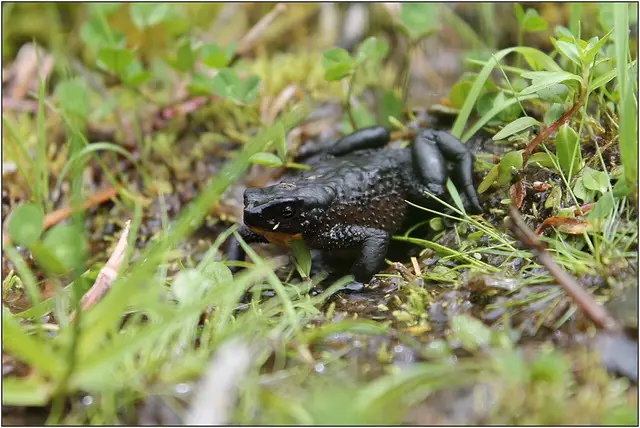 CR
Atelopus ignescens
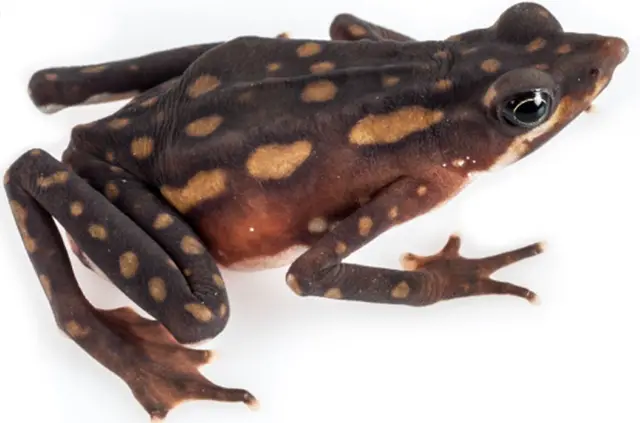 CR
Atelopus longirostris
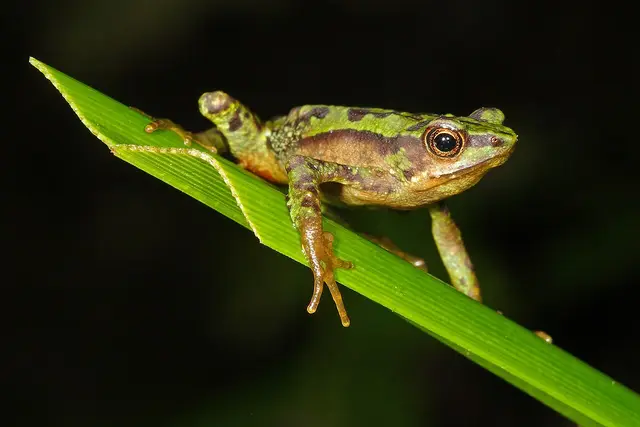 CR
Atelopus palmatus
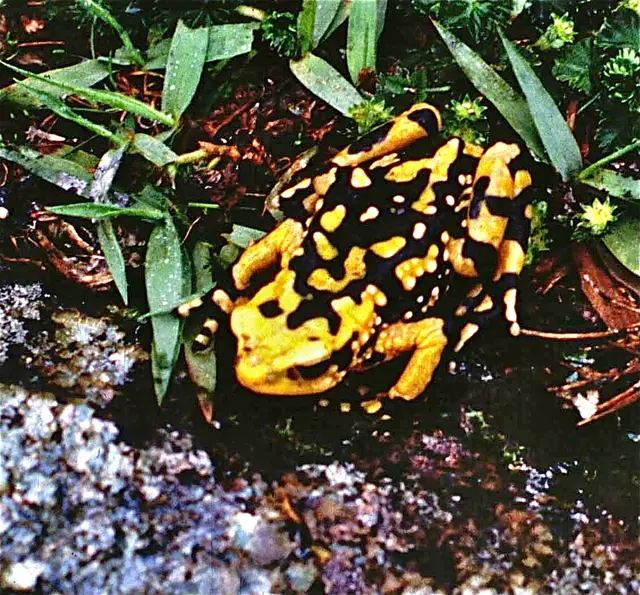 CR
Atelopus petersi
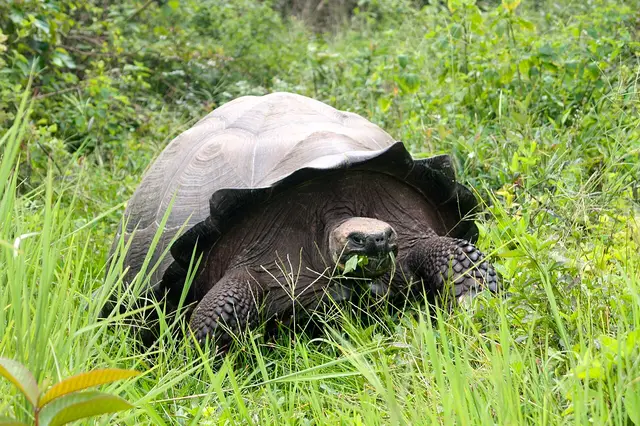 CR
Chelonoidis donfaustoi
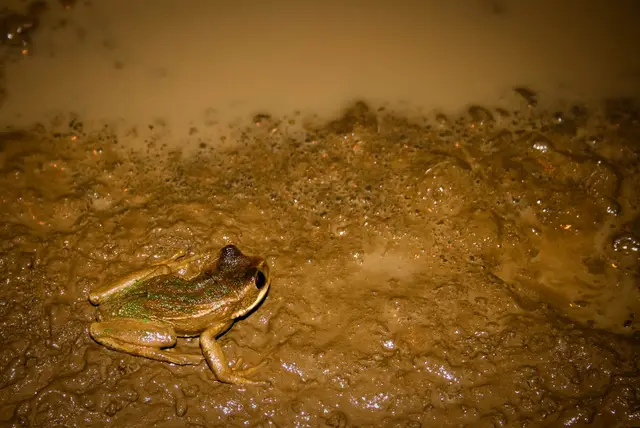 CR
Gastrotheca litonedis
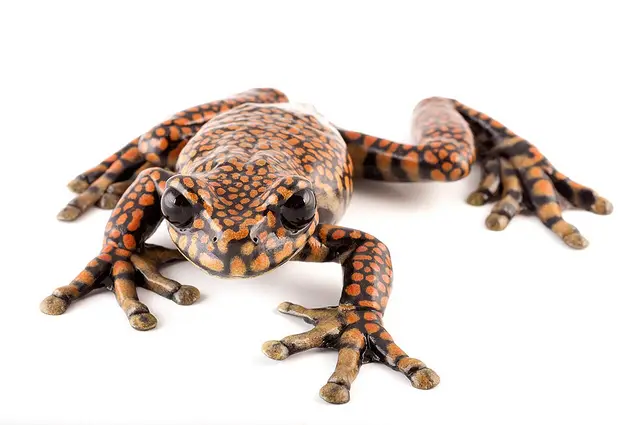 CR
Prince Charles stream tree frog
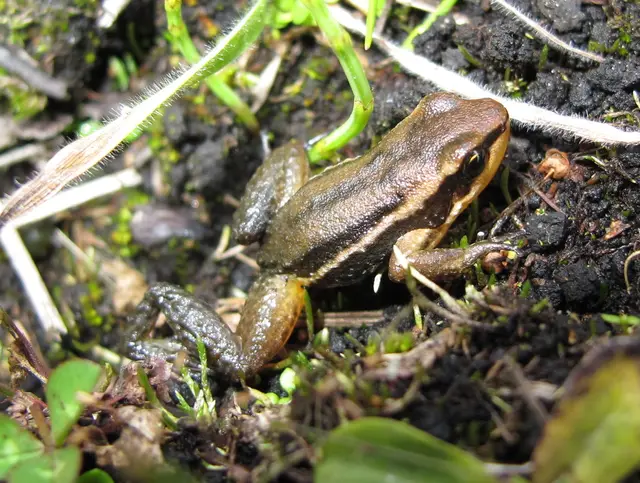 CR
Hyloxalus anthracinus
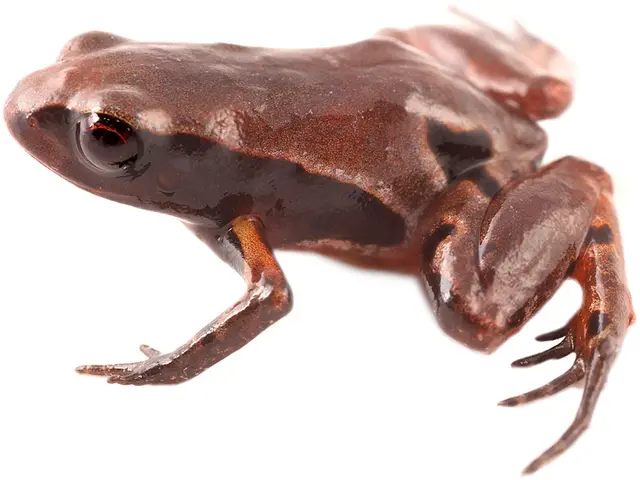 CR
Phyllonastes coloma
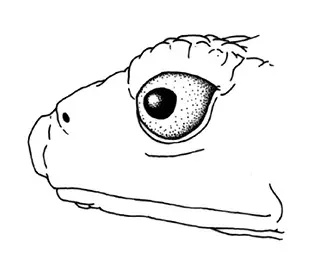 CR
Osornophryne cofanorum
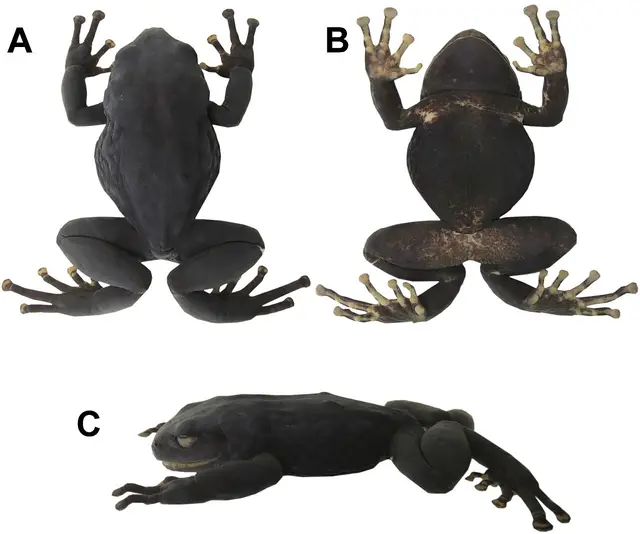 CR
Giant Andean Rainfrog
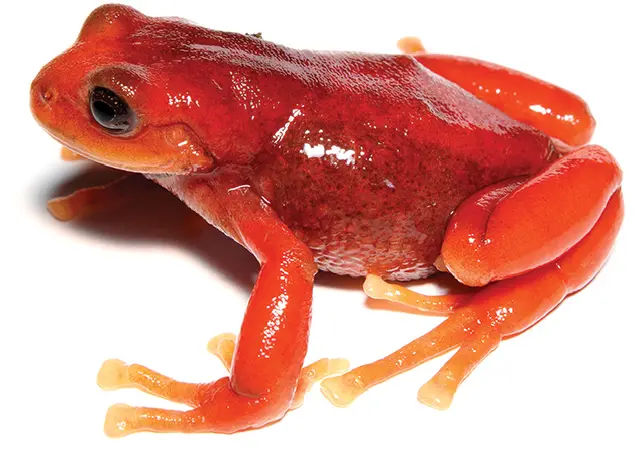 CR
Pristimantis erythros
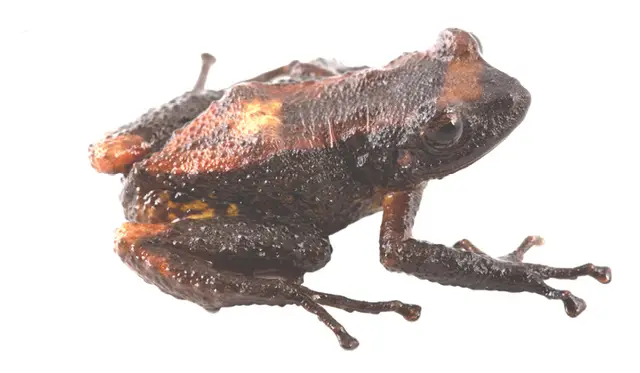 CR
Tesla's Rain Frog
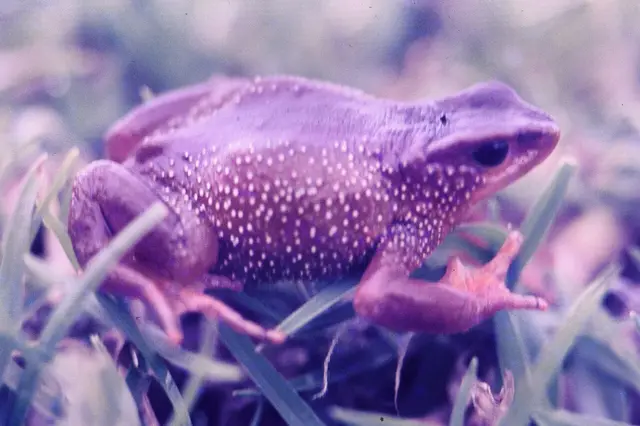 CR
Puca Sapo
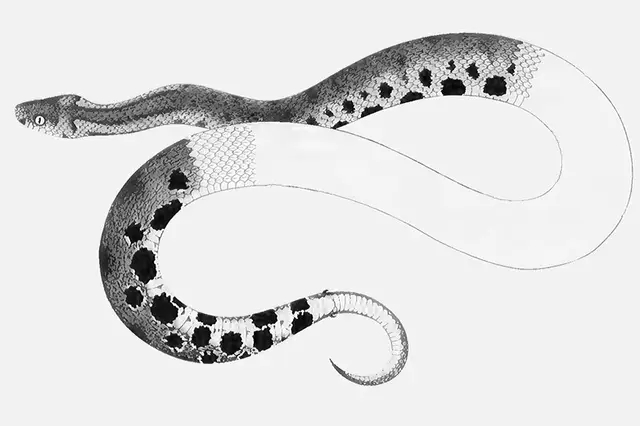 CR
Trachyboa gularis
 EN
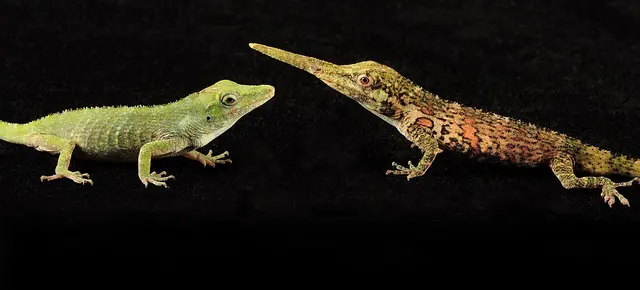
Anolis proboscis
 EN
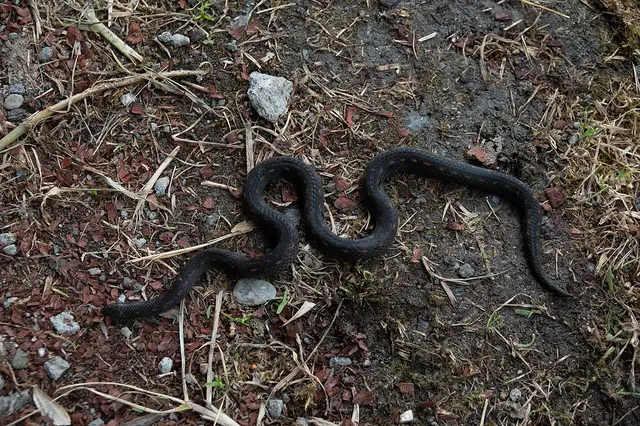
Yellow-spotted Ground Snake
 EN
Caecilia abitaguae
 EN
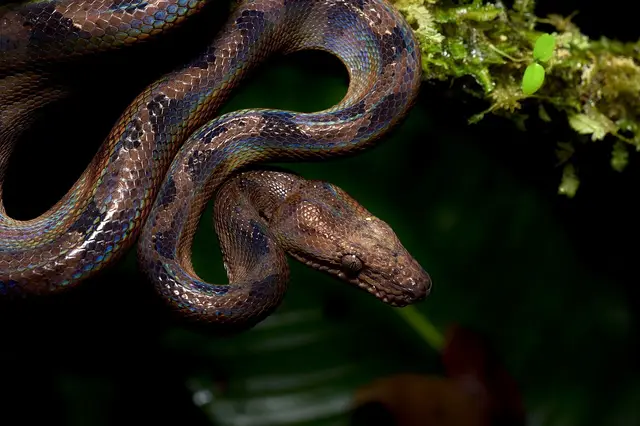
Corallus annulatus blombergi
 EN
El Oro Parakeet
Showing the first 24. Total pins: 52.
Quick answers
- Do all these animals live only in Ecuador?
- No. A pin means a Wikidata place field resolved here. Official ranges can be wider.
- Is this a government list?
- No. It is a slice of this catalog.