Critically Endangered
Atelopus arthuri
Atelopus arthuri
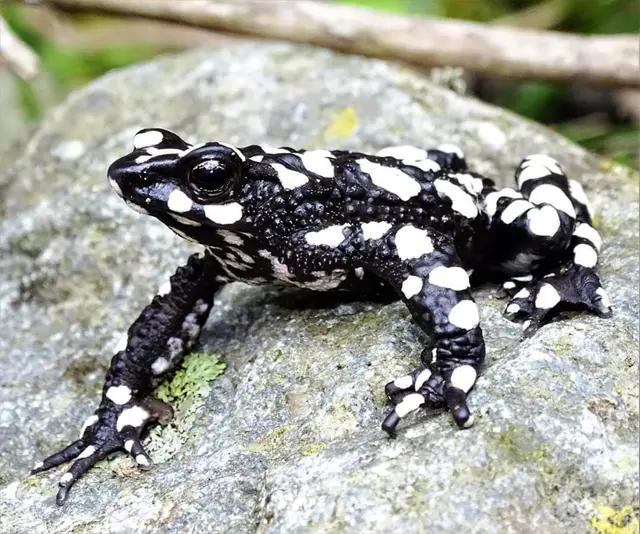
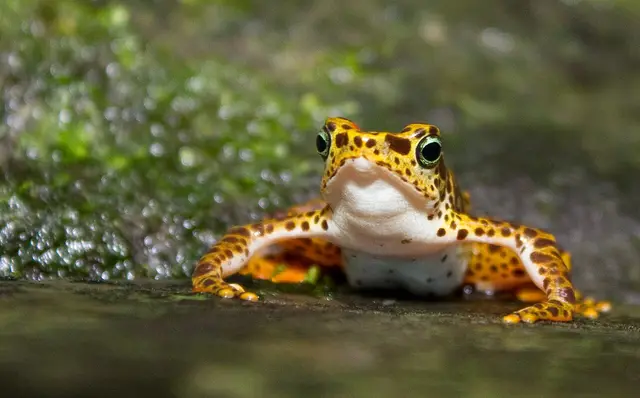
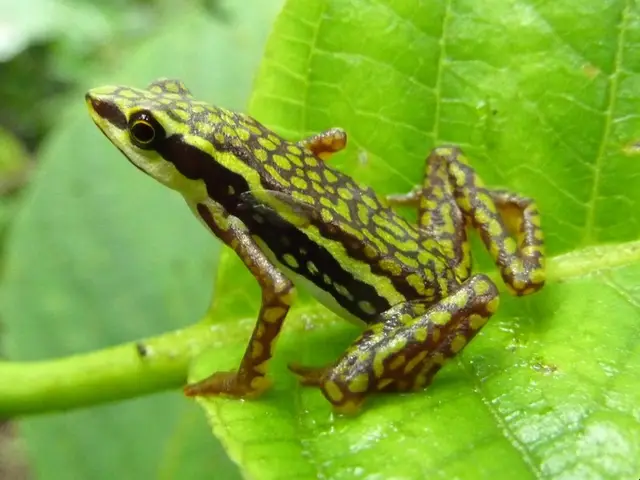
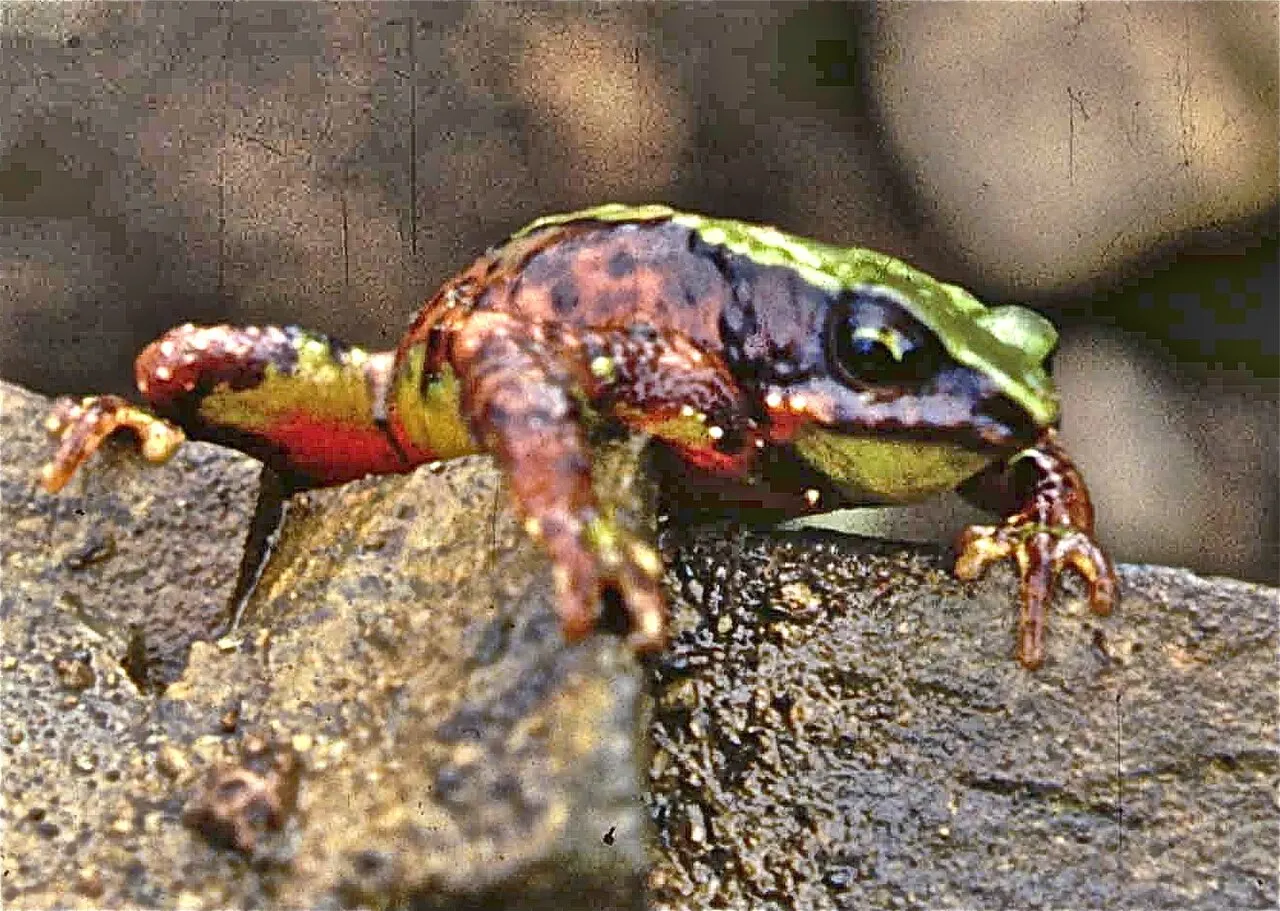
Arthur's stubfoot toad (Atelopus arthuri) is a harlequin toad known only from Ecuador. It has reportedly not been recorded since the 1980s, and the IUCN flags it as possibly extinct. Rated Critically Endangered in 2022, it is estimated to number at most 49 mature individuals, and possibly none.
Where it lived
Atelopus arthuri occurs nowhere but Ecuador. It belongs to the toad family Bufonidae, and James Peters described it in 1973. The IUCN also lists the English name Bolivar jambato frog, and Spanish names that include arlequin de Arthur and jambato de Bolivar. It lists the species only from mainland Ecuador, where its presence is marked as possibly extinct. The assessment gives an elevation range of 2,235 to 3,184 metres and an extent of occurrence of no more than 100 square kilometres, at a single location.
Its habitats are moist montane forest, high-altitude grassland, and rivers and streams. Beyond that, little about its way of life is documented.
Pins are Wikidata “endemic to” fields. Orange dots, when present, are GBIF occurrence tiles — survey bias included.
How rare it is
The toad has reportedly not been seen since the 1980s. The IUCN assessment keeps it in the Critically Endangered category rather than declaring it extinct, flags it as possibly extinct, estimates the surviving population at between 0 and 49 mature individuals, and describes the trend as decreasing. It records no protected area covering the species.
The range of 0 to 49 reflects the doubt: a few survivors can't be ruled out, so the toad stays listed. The assessment treats the whole population as sitting at one location, which leaves it exposed to any single local threat.
Why it is in trouble
The IUCN assessment rates the amphibian chytrid fungus (Batrachochytrium dendrobatidis) as a high-impact threat. Small-holder farming and housing are listed as lower-impact threats that degrade the forest and grassland the toad needs.
The assessment also lists the unintentional effects of small-scale harvest and introduced rainbow trout, both at low impact.
What is being done
The assessment lists resource and habitat protection, site protection and captive breeding as conservation actions relevant to the species. With no recent records, there is no known wild population to protect or breed from.
Sources
Written for this catalog in our own words from the sources below, checked against them on 12 November 2026. Population figures are estimates and carry the year they were made. Status and assessment year: IUCN. 2026. The IUCN Red List of Threatened Species. Version 2026-1. iucnredlist.org.