Germany
14 catalog pins
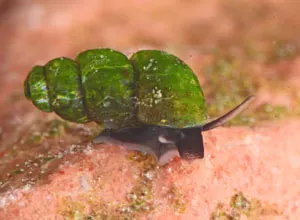
14 animals in this catalog carry a structured country pin for Germany. That is a filing fact, not a claim that the crisis is only here.
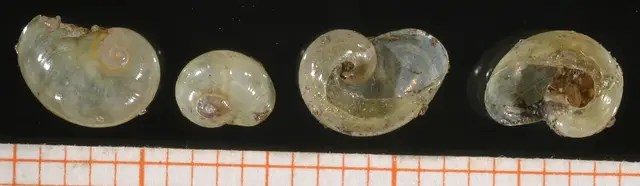
The photograph is one of those animals: Bythinella cylindrica. Open a dossier for the text, the status, and the map. Use the world map to jump to another country. Confirm official distributions on the Red List.
Germany is a densely settled central European country, with farmland covering about 52% of the land and forest about 31%, according to its Convention on Biological Diversity profile. The profile counts around 48,000 animal, 10,300 plant and 14,400 fungus species, with insects the largest animal group at 33,305 species.
Few of these occur nowhere else: the same profile identifies only 53 animal species as endemic. The profile ties biodiversity loss to intensive land use rather than to any single remote habitat.
Where the pressure comes from
The profile names intensive farming and forestry, habitat fragmentation, urban sprawl, soil sealing and pollutants as the main pressures. It also reports about 317 established alien animal species and at least 452 alien plants, with roughly 10% of them seriously threatening biodiversity.
Some groups in the catalog are tied to particular waters. Whitefish of the genus Coregonus form many closely related species in European lakes, several of which are estimated to have separated from each other less than 15,000 years ago. One account of the genus says six of the 12 freshwater fish considered extinct in Europe are whitefish. Bythinella are tiny spring snails, only 2 to 4 millimetres long, found in springs (sometimes caves or groundwater), with a limited range and an easily destroyed habitat according to one source.
What is being done
The profile reports Habitats Directive registrations covering 15.4% of the country's area, 14 national parks, 16 biosphere reserves and 104 nature parks, plus 34 Ramsar wetland sites. Germany adopted a National Strategy on Biological Diversity in 2007 with more than 400 measures. All Coregonus species are also covered by the Bern Convention and the EU Habitats Directive.
Reading the catalog for Germany
The catalog lists 14 animals for Germany: 3 Critically Endangered and 11 Endangered. Eight have no class recorded, 5 are snails (Gastropoda) and 1 is an insect. Families include Nothobranchiidae (4), Bythinellidae (3) and Salmonidae (3).
Not every pin necessarily marks a German wild population. The Nothobranchiidae are killifish; the genus Aphyosemion is described as endemic to Africa and popular in the aquarium trade, and Hemicycla plicaria is described as endemic to Spain. Treat a pin as where the catalog's data places a record, and check each animal's own page.
Sources for this section
- CBD country profile, Germany: species counts, land use, threats, alien species, protected areas, strategy 2007
- Wikipedia, Coregonus: Alpine lake whitefish diversification, European extinctions, Bern Convention and Habitats Directive
- Wikipedia, Bythinella: spring snail size, habitat, vulnerability
- Wikipedia, Aphyosemion: genus endemic to Africa, aquarium trade
- Wikipedia, Hemicycla plicaria: described as endemic to Spain
What the catalog records for Germany
The catalog has 14 animals with a country pin for Germany: 3 Critically Endangered and 11 Endangered. By GBIF class the largest groups are unknown (8), Gastropoda (5), Insecta (1). The families with the most records are Nothobranchiidae (4), Bythinellidae (3), Salmonidae (3). A pin means a structured source (Wikidata or a GBIF match) places the animal in Germany; it does not say the animal lives only there.
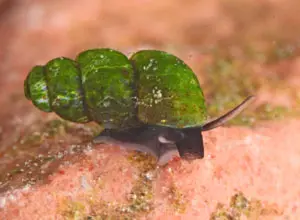 CR
Bythinella cylindrica
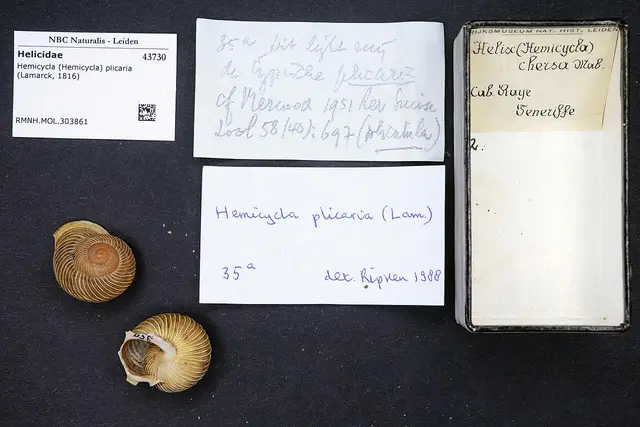 CR
Hemicycla plicaria
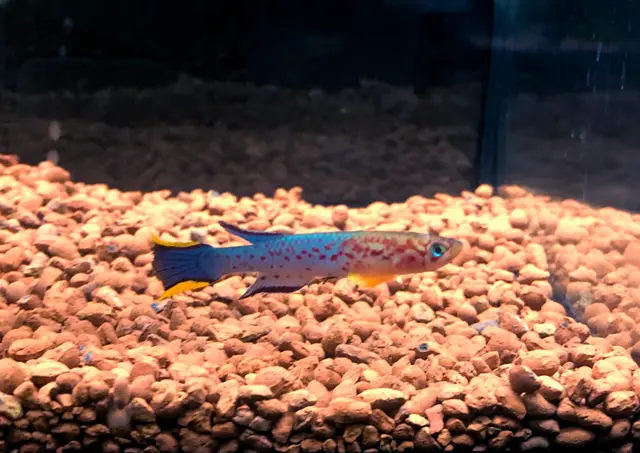 CR
Scriptaphyosemion schmitti
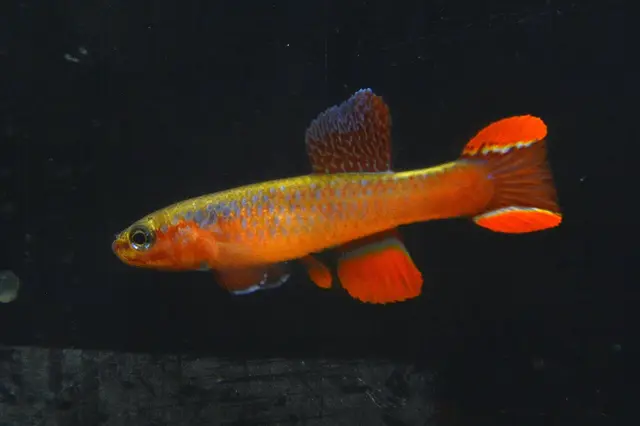 EN
Oranssiviiripyrstö
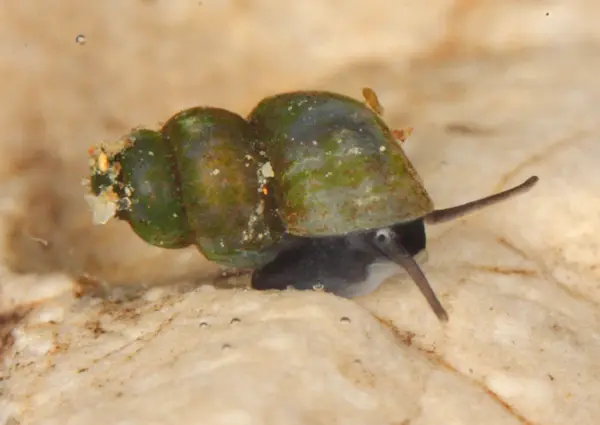 EN
Bavarian springsnail
 EN
Bythinella viridis
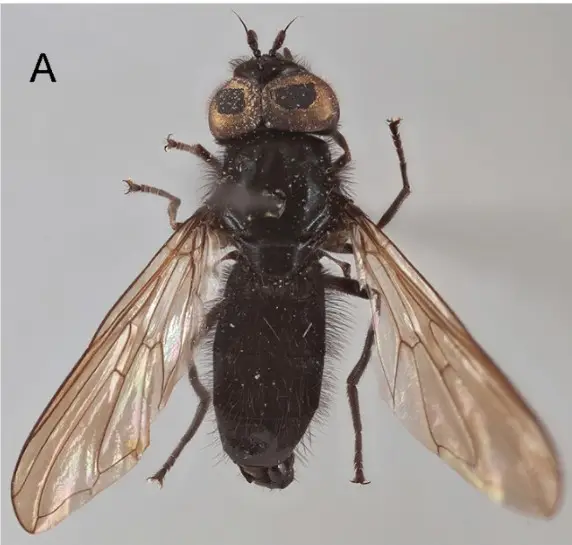 EN
Cheilosia morio
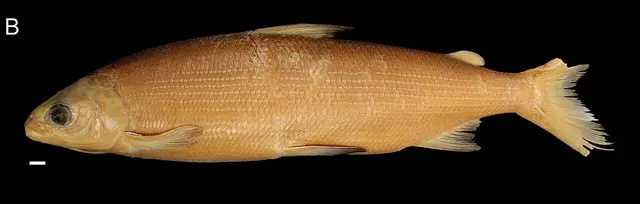 EN
Sand Whitefish
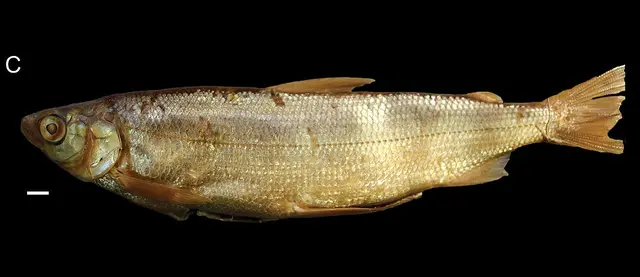 EN
Coregonus macrophthalmus
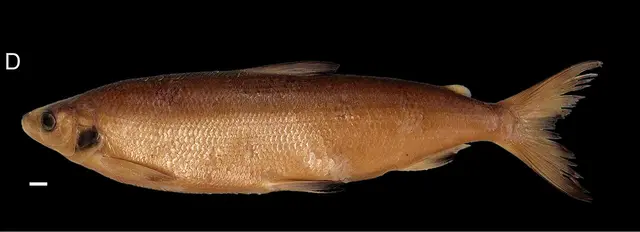 EN
Wartmann's Whitefish
 EN
Eucobresia pegorarii
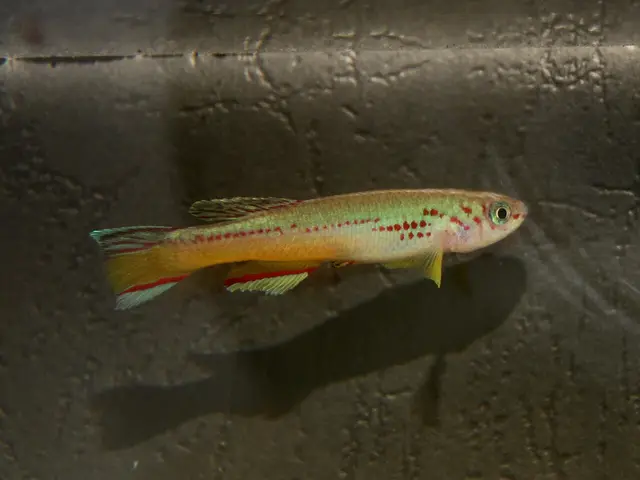 EN
Amiet's Lyretail
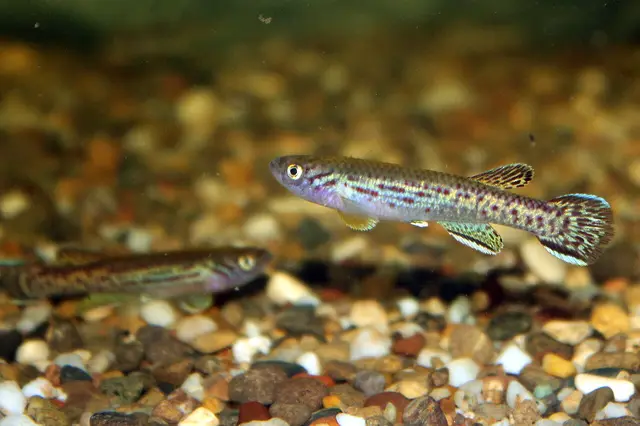 EN
Marbled Lyretail
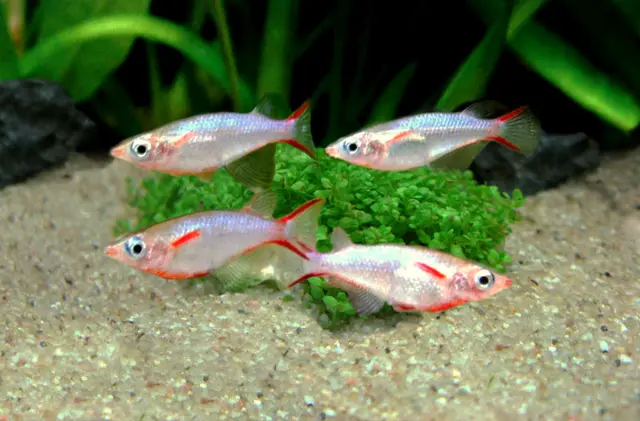 EN
Daisy’s Ricefish
Total pins: 14.
Quick answers
- Do all these animals live only in Germany?
- No. A pin means a Wikidata place field resolved here. Official ranges can be wider.
- Is this a government list?
- No. It is a slice of this catalog.