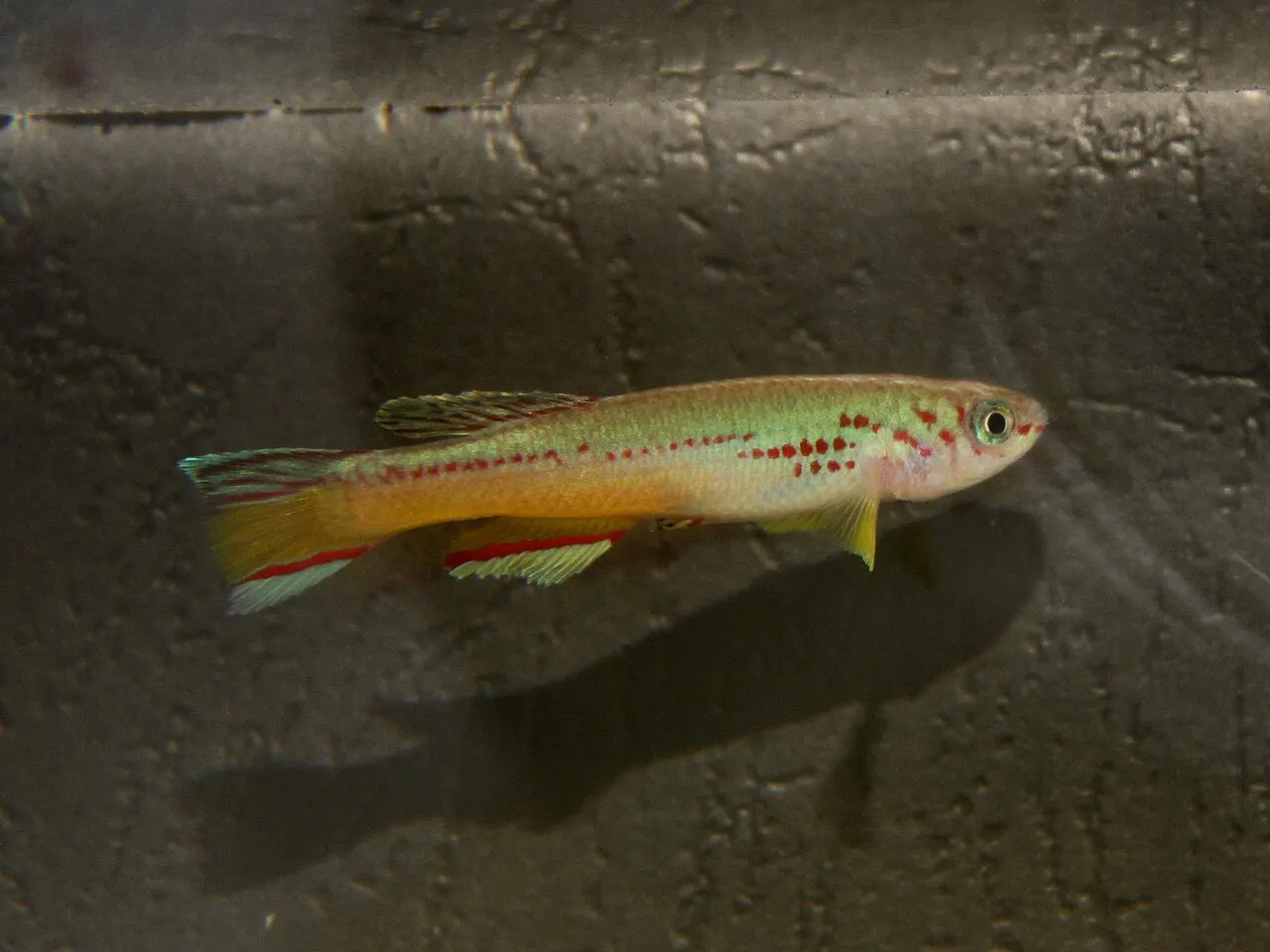
Endangered
Amiet's Lyretail
Fundulopanchax amieti
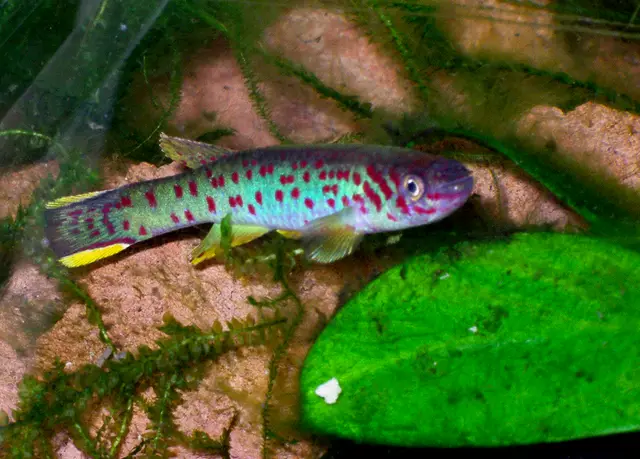
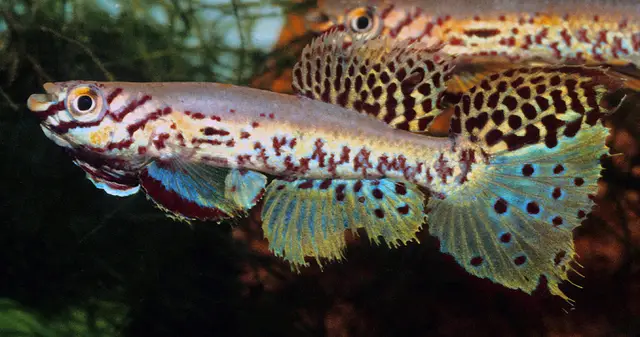
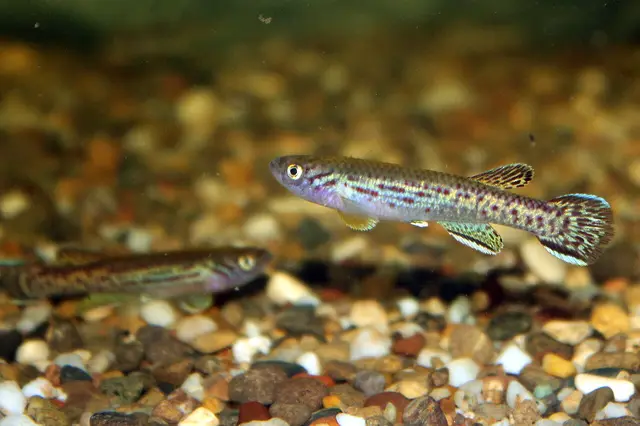
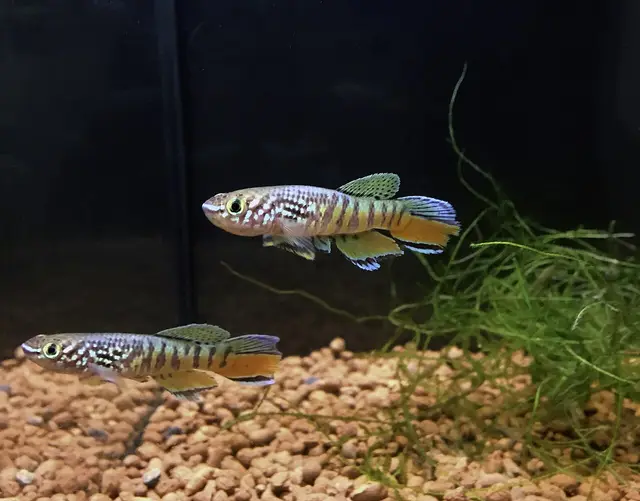
Amiet's lyretail (Fundulopanchax amieti) is a small rainforest killifish known only from the lower Sanaga river system in western Cameroon. The IUCN Red List classed it as Endangered in 2010 because its range is small and its stream and swamp habitat is declining. Adults reach about 7 cm.
How to recognise it
This is a small killifish in the family Nothobranchiidae, the African rivulines. FishBase gives a maximum length of 7 cm. The genus name combines Latin and Greek words for "bottom" and "body".
It was first described by Radda in 1976 under the name Aphyosemion amieti, and later moved to Fundulopanchax. The species name honours Jean-Louis Amiet, a zoologist at the University of Yaounde in Cameroon.
Where it lives
Amiet's lyretail is recorded only from Cameroon, in the lower Sanaga system. FishBase describes its distribution as relict-like. The type locality is a forest stream beside the road to Koupongo, about 500 metres west of Somakak.
It lives in the swampy stretches of small rainforest brooks. The Red List lists marshes and swamps along with both seasonal and permanent streams, in freshwater only. Reported water is warm (22 to 28 C) and slightly acidic to neutral (pH 5.8 to 7.2).
Pins are Wikidata “endemic to” fields. Orange dots, when present, are GBIF occurrence tiles — survey bias included.
How it lives
Unlike some killifish, it is not a seasonal species whose eggs wait out a dry spell. It spawns on the bottom, and keepers report that eggs take roughly one month to hatch. Females lay only a small number of eggs, and fish in aquariums usually live about two years.
Why it is in trouble
The 2010 assessment rates the species Endangered under criteria B1ab(iii)+2ab(iii), which cover a small range and declining habitat quality. The only threat it lists is dams, with their size unknown. The population trend is recorded as unknown, and no population estimate exists.
No conservation actions are recorded for the species in the assessment.
In aquariums
Amiet's lyretail has a small following among killifish keepers, and German-bred stock is offered to wholesalers. Opinions differ on how hard it is: FishBase calls it difficult to maintain, while a dealer calls it easy and peaceful. Both agree it does best in quiet, species-only surroundings.
Sources
Written for this catalog in our own words from the sources below, checked against them on 12 November 2026. Population figures are estimates and carry the year they were made. Status and assessment year: IUCN. 2026. The IUCN Red List of Threatened Species. Version 2026-1. iucnredlist.org.