Endangered
Fundulopanchax sjostedti
Fundulopanchax sjostedti
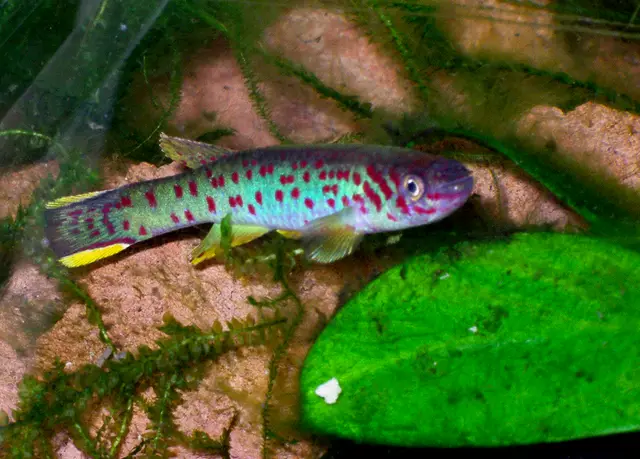
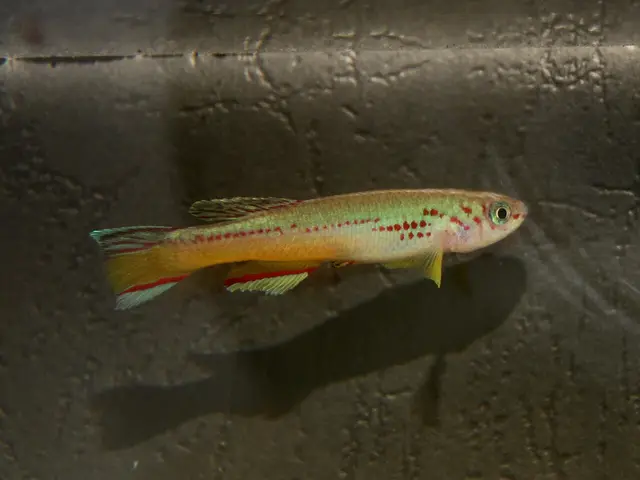
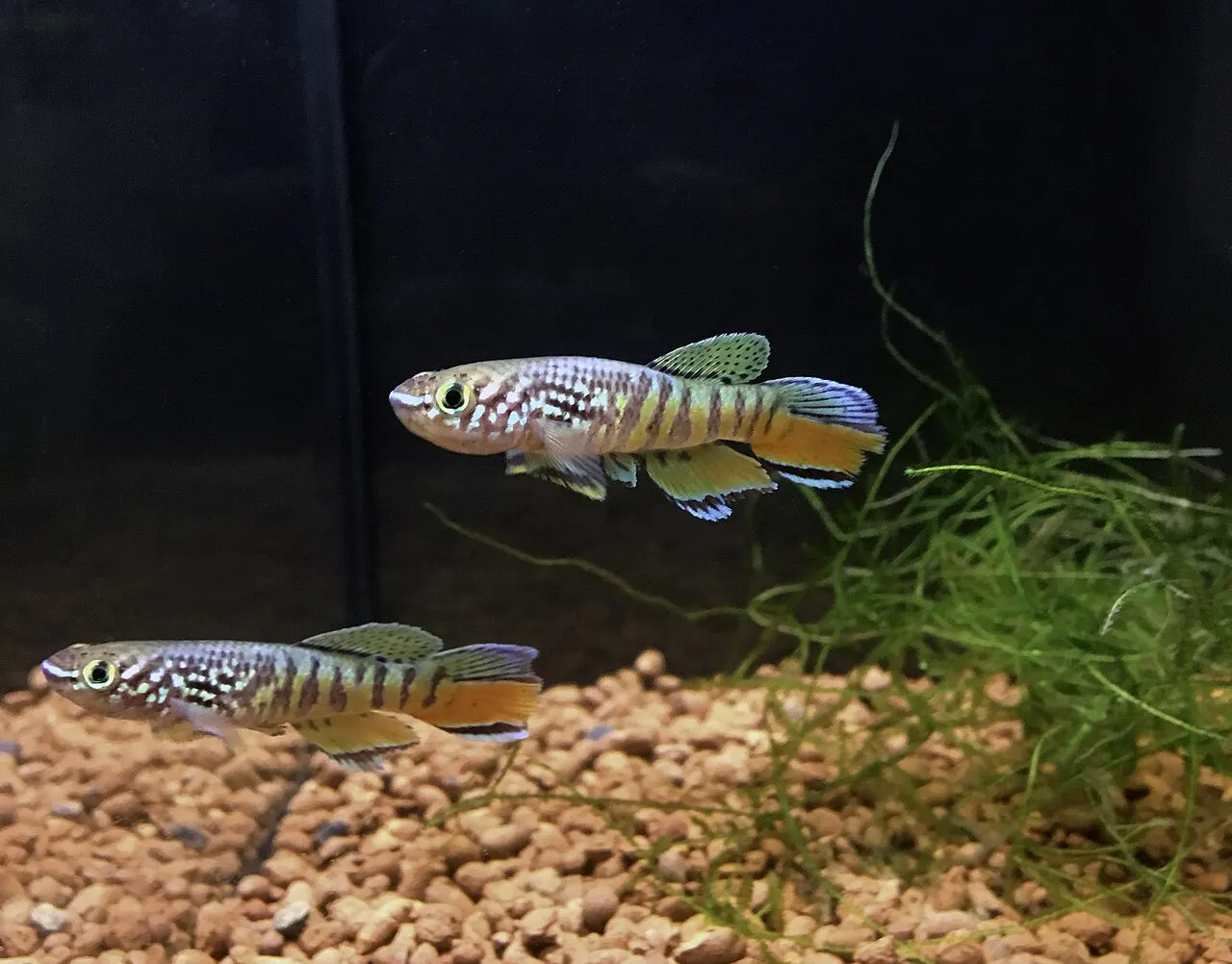
The blue gularis (Fundulopanchax sjostedti) is a large, brightly coloured killifish from swampy coastal rainforest in the Niger Delta region of Nigeria and Cameroon. The IUCN rated it Endangered in 2020. It is well known to killifish keepers, but its wild habitat is shrinking.
How to recognise it
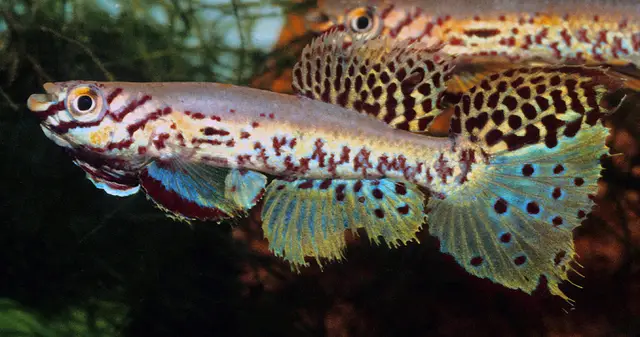
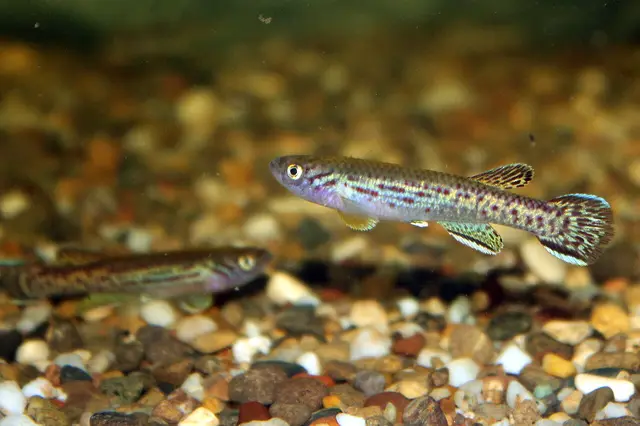
Males are showy fish with long trailing fins on the tail, back and underside. Females are smaller, plainer and rounder in the belly. Several colour forms exist, among them a smaller one known to keepers as the Dwarf Red. Other common names are golden pheasant gularis and red aphyosemion.
Males reach about 12 to 14 cm, depending on the source and on whether standard or total length is measured. Lönnberg described the species in 1895 from a specimen collected by the Swedish naturalist Bror Yngve Sjöstedt, for whom it is named.
Where it lives
The species is native to Nigeria and Cameroon. The IUCN estimates its extent of occurrence at about 11,880 square km, but the area it actually occupies at only about 28 square km, spread over five locations. It is recorded from none of the protected areas.
In the wild it lives in temporary swamps, raphia swamps and swampy stretches of slow-flowing brooks in coastal rainforest. IUCN habitat records add seasonal and permanent marshes and pools, swamps and peatlands, and streams. The first specimen was collected near a waterfall on the Ndian River in south-west Cameroon.
Pins are Wikidata “endemic to” fields. Orange dots, when present, are GBIF occurrence tiles — survey bias included.
How it lives
It is reportedly a predator of invertebrates and small fish in the wild, and keepers feed it small live or frozen foods. Males are aggressive toward each other, and in aquariums females are harassed unless kept in small groups with each male. Keepers report that it jumps well and needs a tight lid.
It spawns on the bottom. In aquarium work the eggs are incubated either in water or in damp peat, and fry hatch after roughly three weeks in water, or after 10 to 12 weeks when the eggs are kept in peat before being wetted.
Why it is in trouble
The 2020 assessment records mining and quarrying and housing and urban development as ongoing threats, along with other unspecified pressures, all leading to the conversion and degradation of its wetland habitat. The area it occupies is still shrinking. The assessment gives the population trend as unknown, and no total count exists.
What is being done
The IUCN lists habitat restoration and site management as the actions needed. One safeguard already exists in the form of captive stock, since the fish is maintained by aquarists. A population in captivity doesn't protect swamp habitat, though, and the assessment records it as absent from protected areas.
Sources
Written for this catalog in our own words from the sources below, checked against them on 12 November 2026. Population figures are estimates and carry the year they were made. Status and assessment year: IUCN. 2026. The IUCN Red List of Threatened Species. Version 2026-1. iucnredlist.org.