Endangered
Bavarian springsnail
Bythinella bavarica
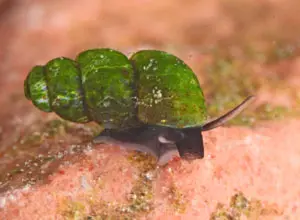
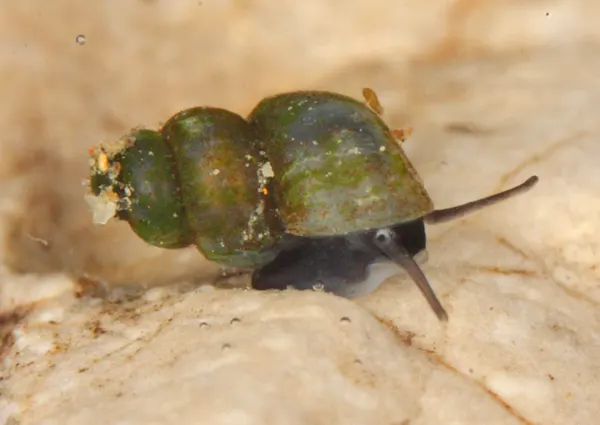
The Bavarian springsnail (Bythinella bavarica) is a tiny freshwater snail of springs and the first stretches of streams in southern Germany and, per the Red List, Austria. It was assessed as Endangered in 2026 and is declining, with nutrient pollution and groundwater pumping named as threats.
How to recognise it
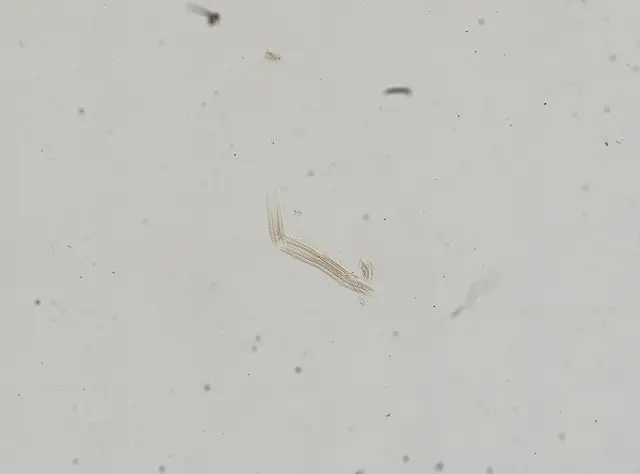
This is a very small freshwater snail. The shell reaches only about 4 mm in height. Stefan Clessin described it in 1877. A 1977 paper dealt with separating it from a close relative, Bythinella dunkeri, a job for specialists rather than casual walkers.
Where it lives
It lives in springs and in the upper reaches of streams close to their source, and the Red List also lists karst and other underground water systems as habitat. In Bavaria it is rare and found mainly in the catchments of the Isar and Lech rivers. Other records come from the northern Alps and from Baden-Württemberg.
The Red List gives Germany and Austria as range countries and counts roughly 20 to 37 locations. It describes the population as severely fragmented, with each spring effectively an island. Some references call the species endemic to Germany, but the Red List includes Austria.
Pins are Wikidata “endemic to” fields. Orange dots, when present, are GBIF occurrence tiles — survey bias included.
Why it is in trouble
The 2026 assessment (criteria B2ab(iii)) records a decreasing population and continuing loss of habitat area. Listed threats are nutrient loads, which foul clean spring water, and pumping of groundwater for domestic and unspecified uses.
Bavaria's environment agency adds climate: warmer water, low flows and springs that dry out are named as problems for water snails and mussels. In its 2022 update of the state Red List for molluscs, the agency reported a sharp short-term decline for this snail. National listings are harsher than the IUCN's: Germany's Red List puts it in Category 1, threatened with extinction, and Baden-Württemberg's in Category 2.
What is being done
The only action listed on the Red List is site protection. Whether the species occurs inside a protected area is recorded as unknown, and no recovery programme is described in the sources.
Sources
Written for this catalog in our own words from the sources below, checked against them on 12 November 2026. Population figures are estimates and carry the year they were made. Status and assessment year: IUCN. 2026. The IUCN Red List of Threatened Species. Version 2026-1. iucnredlist.org.