Poland
5 catalog pins
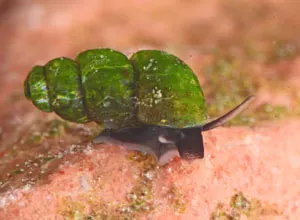
5 animals in this catalog carry a structured country pin for Poland. That is a filing fact, not a claim that the crisis is only here.
The photograph is one of those animals: Bythinella cylindrica. Open a dossier for the text, the status, and the map. Use the world map to jump to another country. Confirm official distributions on the Red List.
Poland is a lowland country in central Europe with a temperate climate, a Baltic coast to the north and mountains along its southern edge. It has 23 national parks.
The country's biodiversity profile filed with the Convention on Biological Diversity estimates about 63,000 species, roughly 28,000 plants and 35,000 animals, including around 700 vertebrates. Endemic species occur mainly in mountain areas. That helps explain why Poland's threatened animals are often small, local and easy to overlook rather than large and famous.
Where the pressure comes from
Poland's biodiversity profile says habitat change and loss weigh on wildlife more than direct threats do. River banks have been embanked and drained, large swamp areas were reclaimed, and raised bogs and transition mires are disappearing on a large scale. Air pollution in the 1980s damaged large stretches of coniferous forest in the Sudeten Mountains.
The same profile counts 2,769 animal species as endangered in Poland under national assessments, and 2,618 of them are invertebrates. That figure is a national one and uses a different system from the global list, but it shows where the risk sits: mostly with small animals such as snails and insects.
What is being done
The profile reports that some form of protection covers over 32% of the country, with the Natura 2000 network covering 19.5%. It also lists nine biosphere reserves and 13 Ramsar wetlands. The profile dates from around 2014, so its figures may be out of date.
Białowieża Forest is the best known case. It was inscribed as a World Heritage Site in 1979 and extended in 1992 and 2014. In 1929 the Polish state bought a small herd of European bison for the forest. In March 2016 the environment minister announced he would approve tripling the logging limit to fight a bark beetle outbreak, and on 17 April 2018 the EU Court of Justice ruled that Poland's forest management there infringed EU law.
Reading the catalog for Poland
Five animals are pinned: one Critically Endangered and four Endangered. Snails are the largest group in the catalog's list, with three Bythinella species, and the other two are insects, a butterfly and a longhorn beetle.
Bythinella are freshwater snails with shells about 2 to 4 millimetres long. They live in springs, and sometimes in caves or groundwater. A short list of pins says little about how many species are at risk, and more about which ones have been assessed globally.
Sources for this section
- CBD country profile, Poland: 63,000 species estimate, endemism in mountains, habitat pressures, 32% protection, Natura 2000 19.5%, 2,769 endangered animals, biosphere and Ramsar counts
- Wikipedia, Wildlife of Poland: 23 national parks, temperate climate
- Wikipedia, Białowieża Forest: World Heritage 1979, extensions 1992 and 2014, 1929 bison herd, 2016 logging limit announcement, 2018 Court ruling
- Wikipedia, Bythinella: 2 to 4 mm shells, spring habitat
What the catalog records for Poland
The catalog has 5 animals with a country pin for Poland: 1 Critically Endangered and 4 Endangered. By GBIF class the largest groups are Gastropoda (3), Insecta (2). The families with the most records are Bythinellidae (3), Nymphalidae (1), Cerambycidae (1). A pin means a structured source (Wikidata or a GBIF match) places the animal in Poland; it does not say the animal lives only there.
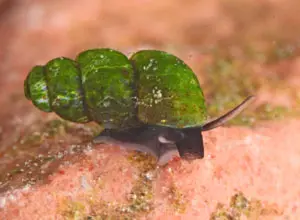 CR
Bythinella cylindrica
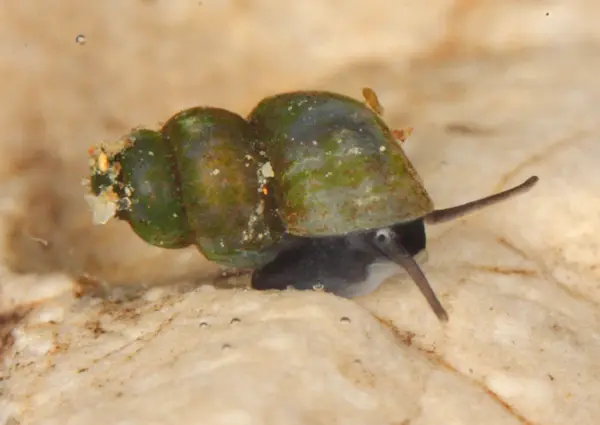 EN
Bavarian springsnail
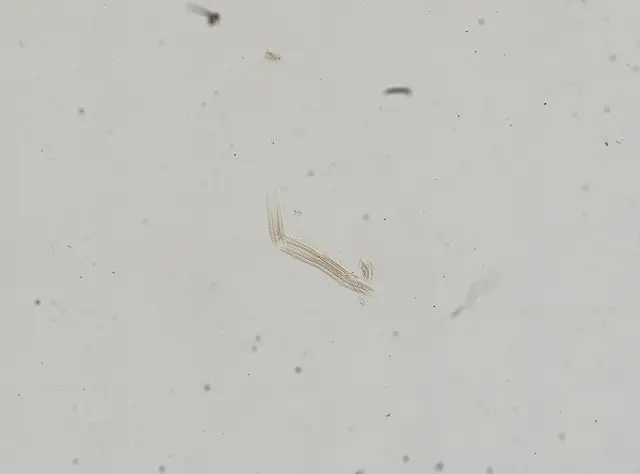 EN
Bythinella viridis
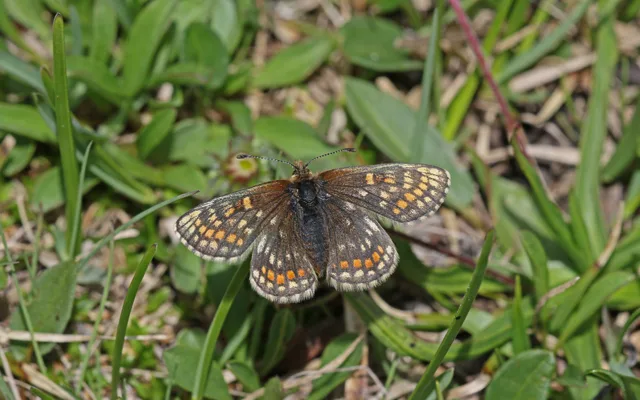 EN
Little Fritillary
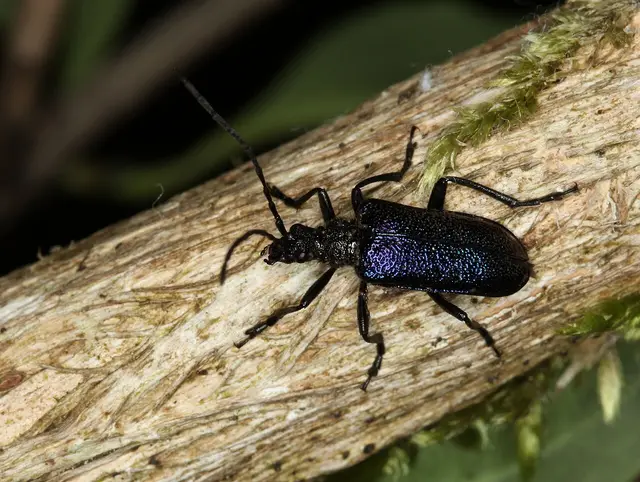 EN
Pseudogaurotina excellens
Total pins: 5.
Quick answers
- Do all these animals live only in Poland?
- No. A pin means a Wikidata place field resolved here. Official ranges can be wider.
- Is this a government list?
- No. It is a slice of this catalog.