Austria
13 catalog pins
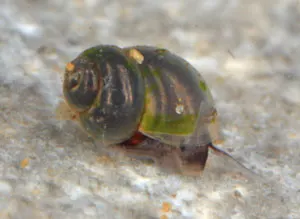
13 animals in this catalog carry a structured country pin for Austria. That is a filing fact, not a claim that the crisis is only here.
The photograph is one of those animals: Belgrandiella mimula. Open a dossier for the text, the status, and the map. Use the world map to jump to another country. Confirm official distributions on the Red List.
Austria is a landlocked country of about 83,900 km2 in the heart of Europe. Its CBD profile gives land use as roughly 49% forest and 34% agriculture, with alpine areas making up about 10%. Its national parks include high Alpine terrain (Hohe Tauern), the Danube floodplain and Lake Neusiedl.
The profile counts about 45,000 animal species, around 37,000 of them insects. The threatened animals recorded here are mostly small ones.
Where the pressure comes from
Austria's agriculture and environment ministry says land use and soil sealing from roads and settlements, habitat fragmentation, climate change and light emissions all drive losses. The CBD profile adds eutrophication, river regulation, drainage of wetlands, and both the abandonment and the intensification of traditional farming.
National Red Lists put 27% of mammals and 27% of birds in a threatened category, and 60% of reptiles and amphibians. Those assessments are not recent, and the ministry gives no year. Of the forest biotope types, 57% (of 93) are endangered, and 90% of 61 grassland biotope types carry a threat category.
What is being done
Austria has six national parks: Hohe Tauern (1,856 km2), the largest, plus Neusiedler See and Seewinkel, Danube-Auen, Kalkalpen, Thayatal and Gesäuse, founded between 1981 and 2002. The CBD profile also lists 214 Natura 2000 sites covering about 16% of the territory and 19 Ramsar sites.
The first national biodiversity strategy dates to 1998 and was revised in 2005. The ministry says Austria submitted its seventh national report to the CBD in February 2026.
Reading the catalog for Austria
Snails dominate the pins: nine records are Gastropoda, including several of the families Hydrobiidae and Bythinellidae. Besides those, there are two insects and two fish of the whitefish genus Coregonus. Austria's entries are mostly small animals, not the large mammals and birds most people expect.
Sources for this section
- CBD country profile, Austria: area, land use, species counts, pressures, protected areas, strategy dates
- Biodiversity in Austria, Federal Ministry: Red List shares, threats, 2026 report
- National parks of Austria (Wikipedia): six parks, areas and founding years
What the catalog records for Austria
The catalog has 13 animals with a country pin for Austria: 3 Critically Endangered and 10 Endangered. By GBIF class the largest groups are Gastropoda (9), unknown (2), Insecta (2). The families with the most records are Hydrobiidae (4), Bythinellidae (2), Salmonidae (2). A pin means a structured source (Wikidata or a GBIF match) places the animal in Austria; it does not say the animal lives only there.
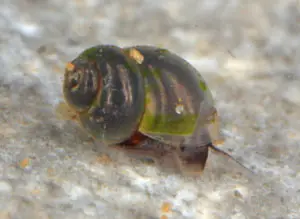 CR
Belgrandiella mimula
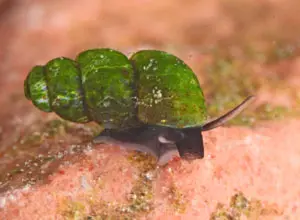 CR
Bythinella cylindrica
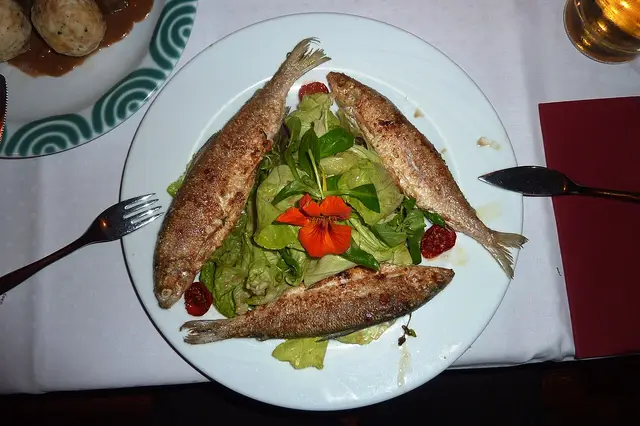 CR
Riedling
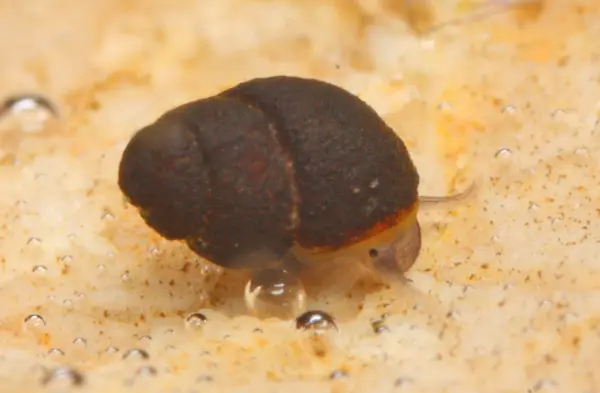 CR
Graziana adlitzensis
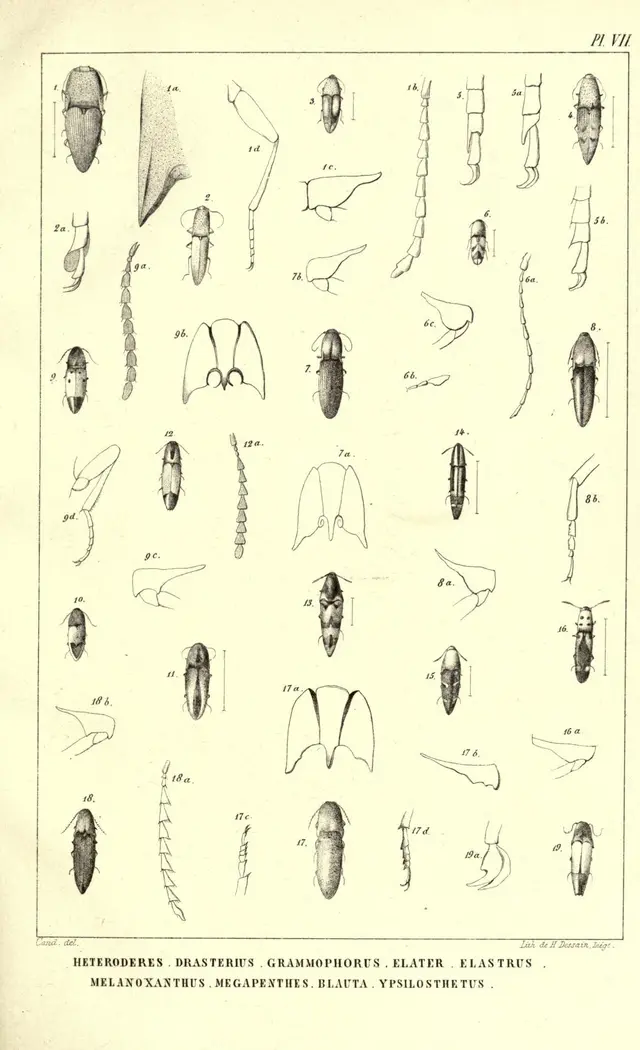 EN
Ampedus quadrisignatus
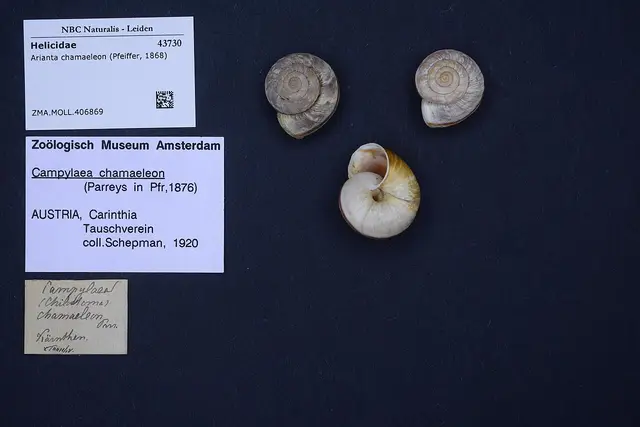 EN
Arianta chamaeleon
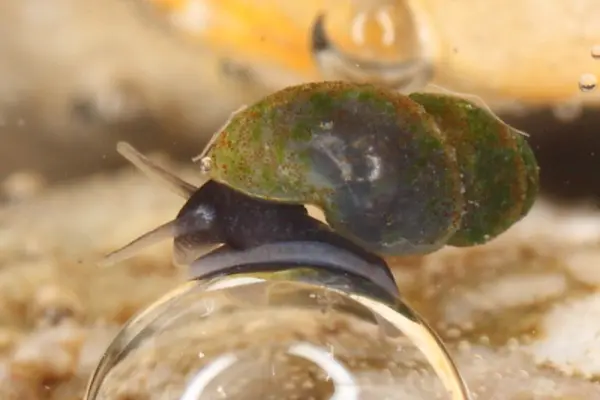 EN
Belgrandiella aulaei
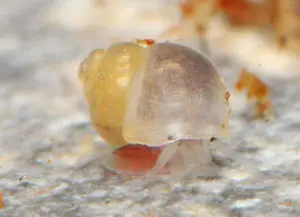 EN
Belgrandiella wawrai
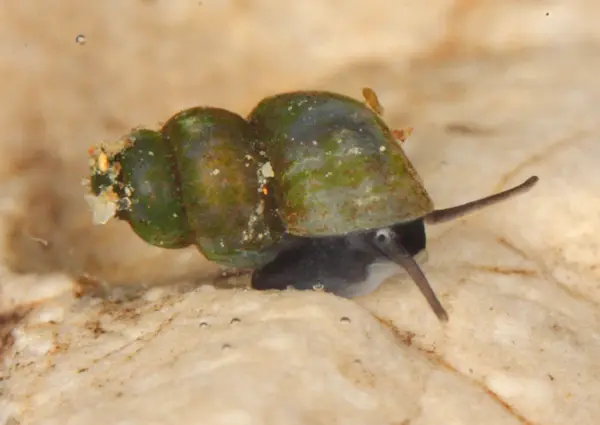 EN
Bavarian springsnail
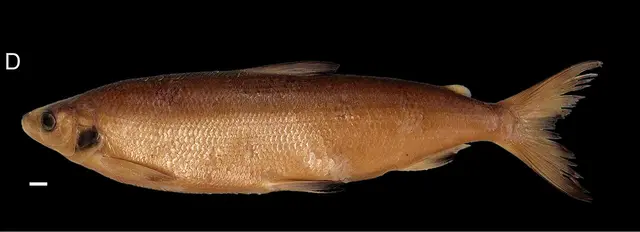 EN
Wartmann's Whitefish
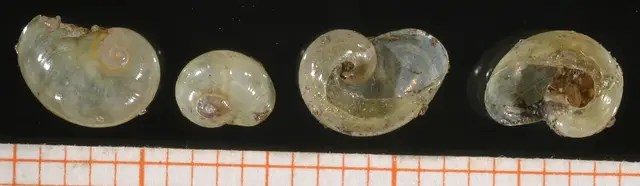 EN
Eucobresia pegorarii
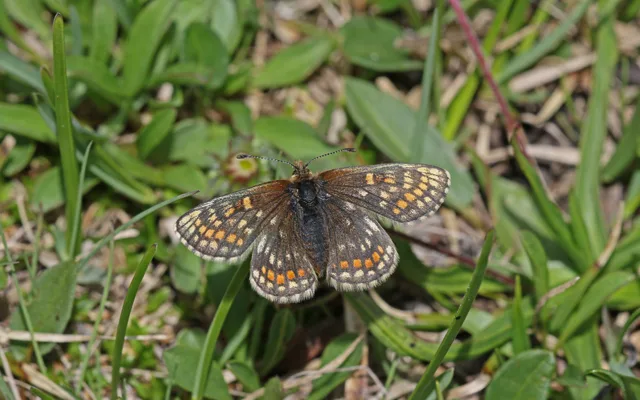 EN
Little Fritillary
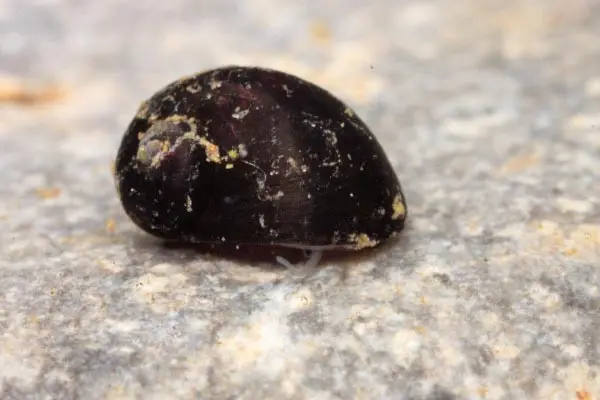 EN
Black Nerite
Total pins: 15.
Quick answers
- Do all these animals live only in Austria?
- No. A pin means a Wikidata place field resolved here. Official ranges can be wider.
- Is this a government list?
- No. It is a slice of this catalog.