Endangered
Belgrandiella wawrai
Belgrandiella wawrai
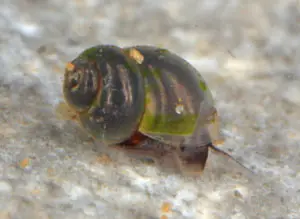
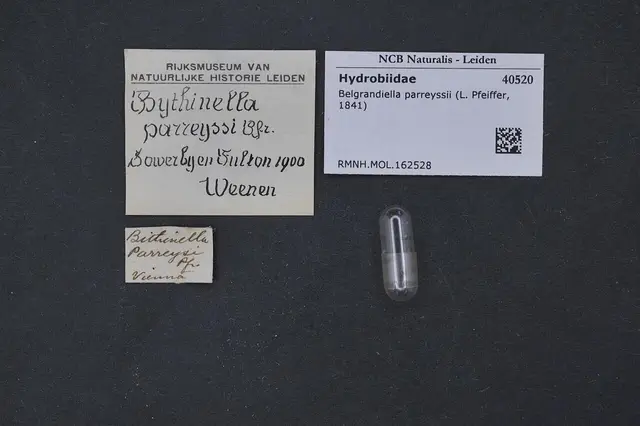
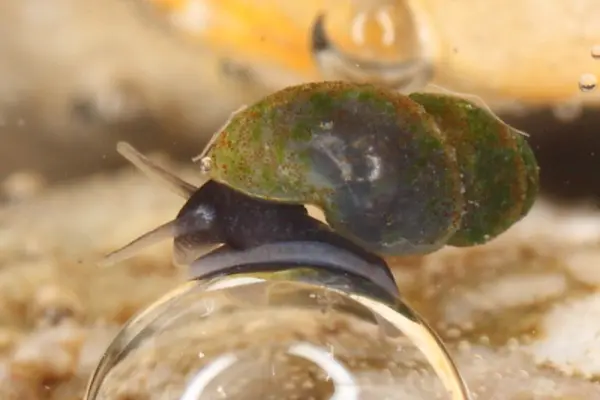
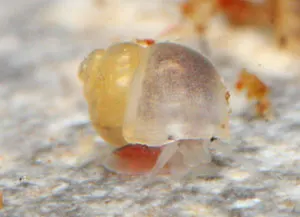
Belgrandiella wawrai, the Further dwarf spring snail, is a small freshwater snail found only in Austria, in just two known locations in small springs. The IUCN Red List assessed it as Endangered in 2026, with a decreasing population trend. It was described as a species in 1996.
How it was named
The zoologist Martin Haase described Belgrandiella wawrai in 1996. Like its relatives it belongs to the Hydrobiidae, a family of small freshwater snails that breathe with a gill and close the shell with a lid, the operculum.
It is one of several Belgrandiella spring snails found only in Austria, and its shell and body are poorly documented in the sources that could be consulted. It is described only as small.
Where it lives
The species is endemic to Austria and the Red List gives Austria as its only country. The assessment counts two locations and puts the area it occupies at about 4 square kilometres. It records the habitat as freshwater springs.
Austrian malacologists have studied the springs of the Furth-Harras and Pottenstein area of the Triesting valley with this endemic snail in mind. Very little else has been published in English about where exactly it lives or how it lives.
Pins are Wikidata “endemic to” fields. Orange dots, when present, are GBIF occurrence tiles — survey bias included.
Why it is in trouble
The Red List classes it as Endangered under criterion B2ab(iii), which applies to a very small area of occupancy with few locations and continuing loss of habitat quality. The population trend is decreasing, and the occupied area is recorded as declining. No population size has been estimated, and the population is not considered severely fragmented.
The threats listed are the abstraction of groundwater for an unknown use, which is ongoing, affects the majority of the population (50 to 90 percent) and is linked to rapid declines, and future drought, which could affect the whole population and cause slow, significant declines. A further threat of unrecorded type is also listed. Small springs can dry up when the water table drops.
What is being done
The assessment records that the snail occurs in at least one protected area. It is not included in international legislation and is not subject to international management or trade controls. No other conservation measures are listed.
The Red List history shows Critically Endangered in 1996, Endangered in 2010 and Endangered again in 2026. Because the trend is still decreasing, the same category in the latest assessment does not mean the snail is stable.
Sources
Written for this catalog in our own words from the sources below, checked against them on 12 November 2026. Population figures are estimates and carry the year they were made. Status and assessment year: IUCN. 2026. The IUCN Red List of Threatened Species. Version 2026-1. iucnredlist.org.