Japan
70 catalog pins
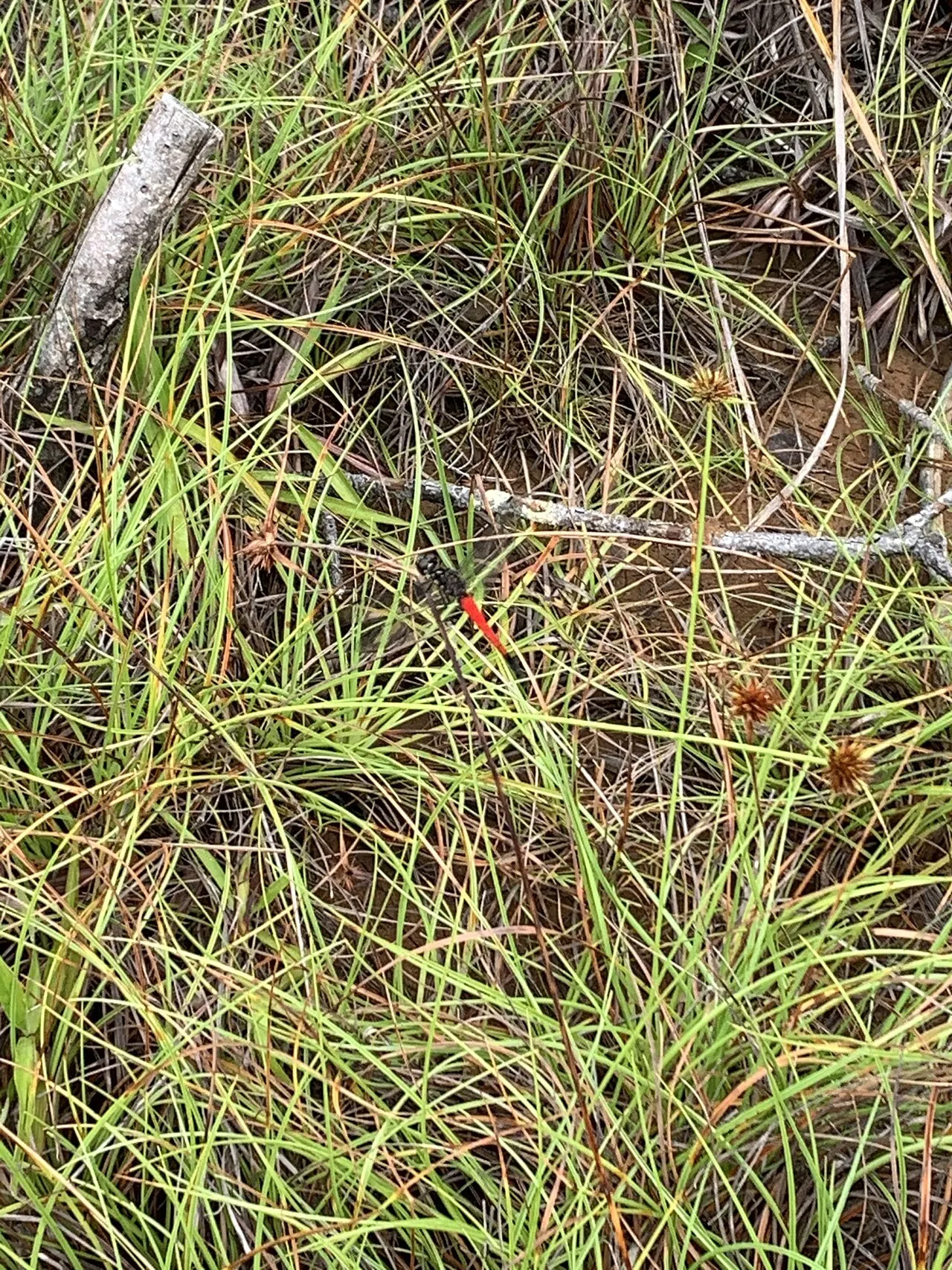
70 animals in this catalog carry a structured country pin for Japan. That is a filing fact, not a claim that the crisis is only here.
The photograph is one of those animals: Boninthemis. Open a dossier for the text, the status, and the map. Use the world map to jump to another country. Confirm official distributions on the Red List.
Japan is an arc of islands running from subarctic Hokkaido to the subtropical Ryukyu chain, so conifer forest, temperate beech forest, evergreen oak forest, mangroves and coral reefs all occur in one country. Its CBD profile counts over 90,000 known species and gives nearly 40 percent endemism for land mammals and vascular plants, 60 percent for reptiles and 80 percent for amphibians (no year given).
The seas add more: 50 of the world's 127 marine mammals and 3,700 marine fish species are recorded around Japan, per the same profile. The Ryukyu Islands lie south of the Watase Line, a major biogeographic boundary that places them in the Indomalayan realm, and about half of their amphibian species are endemic.
Where the pressure comes from
The CBD profile cites illegal digging and overexploitation of resources for ornamental or commercial use, habitat loss from land reclamation and development in coastal areas, and land-use change. Japan's national Red List of threatened species rose from 3,155 to 3,597 between 2007 and 2012. Climate-driven coral bleaching is adding to the strain on marine life.
One fish shows how fragile a single-lake species can be. The kunimasu was originally found only in Lake Tazawa in Akita Prefecture. In 1940, strongly acidic water introduced into the lake for hydropower generation killed the whole population. Nine fish were found in Lake Saiko in 2010, assumed to descend from eggs introduced there in the 1930s. It is now found only in Lake Saiko, and the IUCN lists it as Extinct in the Wild.
What is being done
Natural parks cover 14.4 percent of Japan's land, per the CBD profile, alongside wilderness and nature conservation areas and wildlife protection areas at national and prefecture level. The Basic Act on Biodiversity dates from 2008, and the National Biodiversity Strategy 2012 to 2020, adopted by Cabinet in September 2012, set 13 national targets. A separate overview reports 12 million hectares of forest protected as of 2023 under a law first passed in 1897, and says the Ministry of the Environment uses hunting restrictions, captive breeding and habitat protection and restoration.
Reading the catalog for Japan
Anthozoa (corals) at 35 is the largest class in the catalog's list for Japan, out of 70 records, and the family Acroporidae (table corals and relatives) accounts for 27. Amphibia follows at 7 and Mammalia at 5. The coral count probably reflects how many reef species the Red List has assessed, not that corals are the only animals in trouble. Several freshwater fish, including the kunimasu, appear without a class label in the catalog's data.
Sources for this section
- CBD country profile, Japan: Species count, endemism, Red List growth, protected areas, strategy
- Wildlife of Japan (Wikipedia): Vegetation zones, forest protection figure 2023, conservation measures
- Ryukyu Islands (Wikipedia): Watase Line, amphibian endemism, coral reefs
- Oncorhynchus kawamurae (Wikipedia): Kunimasu range, 1940 acid water, 2010 rediscovery, status
What the catalog records for Japan
The catalog has 70 animals with a country pin for Japan: 4 Critically Endangered, 65 Endangered and 1 Extinct in the Wild. By GBIF class the largest groups are Anthozoa (35), unknown (12), Amphibia (7), Mammalia (5). The families with the most records are Acroporidae (27), Ranidae (4), Merulinidae (4). A pin means a structured source (Wikidata or a GBIF match) places the animal in Japan; it does not say the animal lives only there.
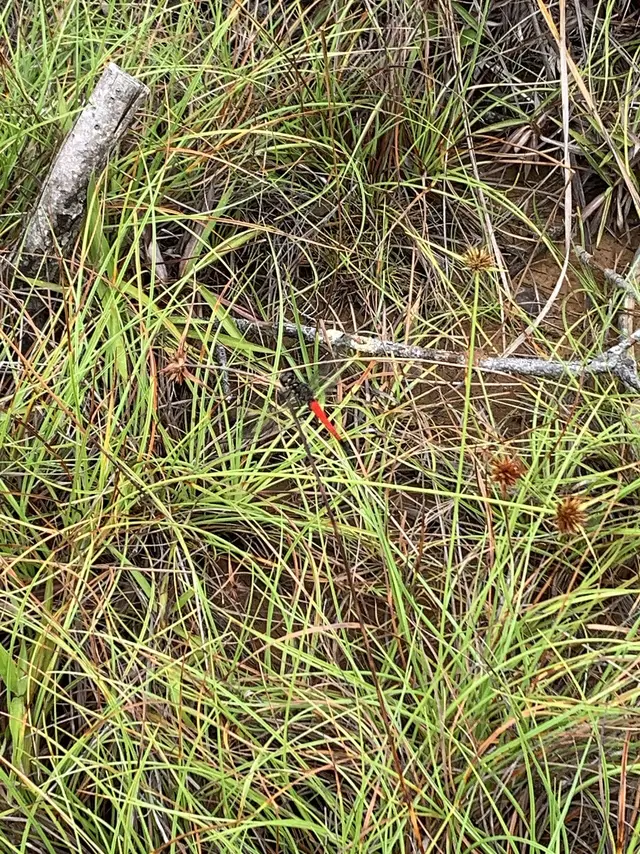 CR
Boninthemis
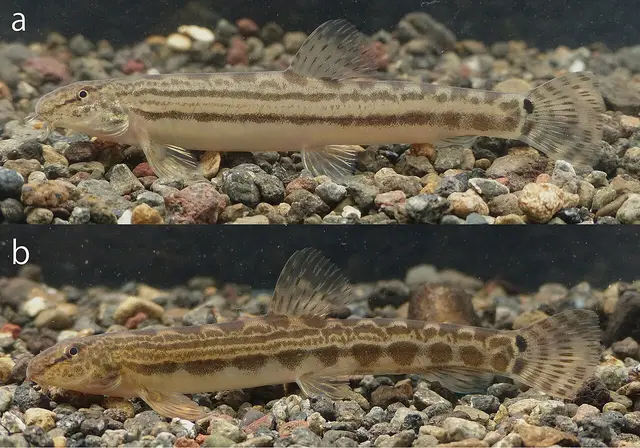 CR
Tango Stripe Spined Loach
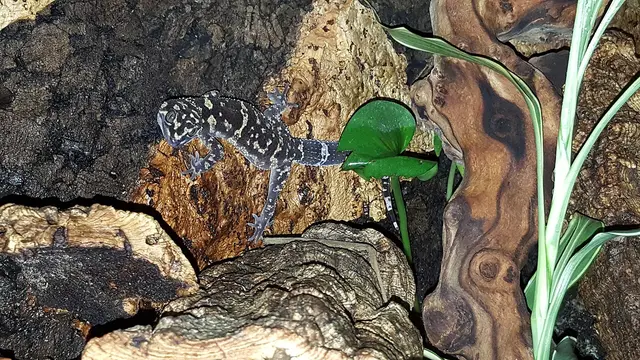 CR
Yamashina's Ground Gecko
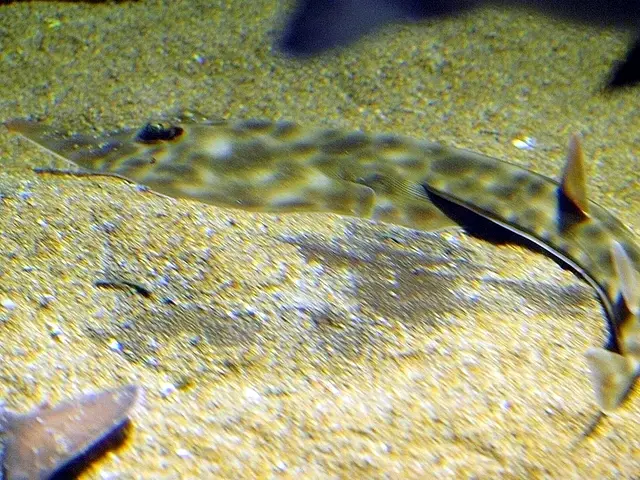 CR
Brown guitarfish
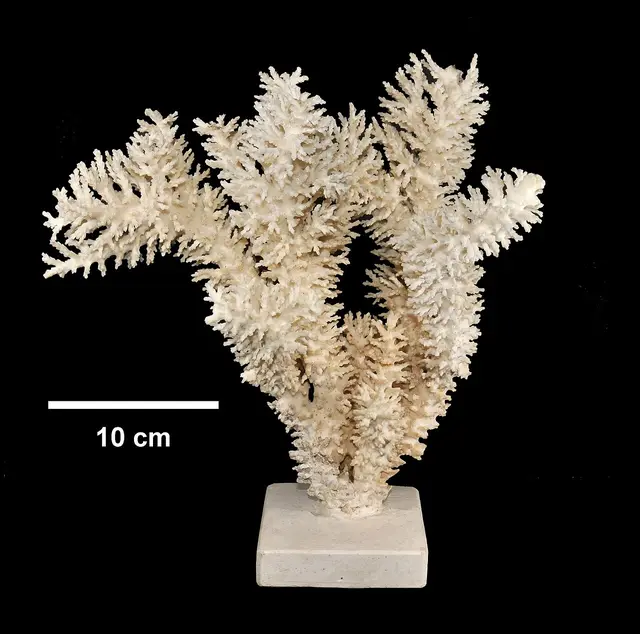 EN
Acropora carduus
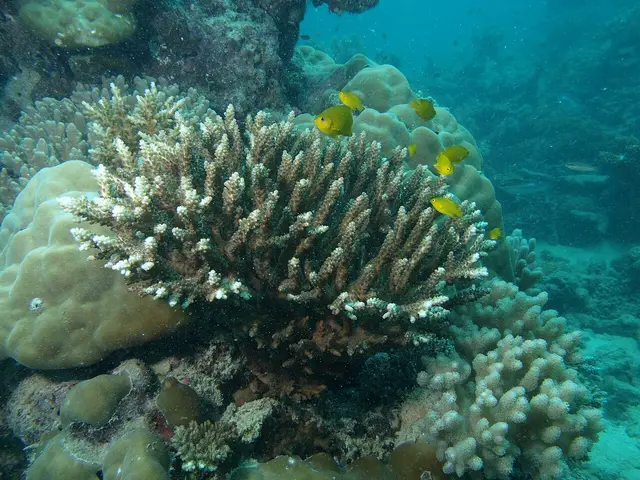 EN
Acropora divaricata
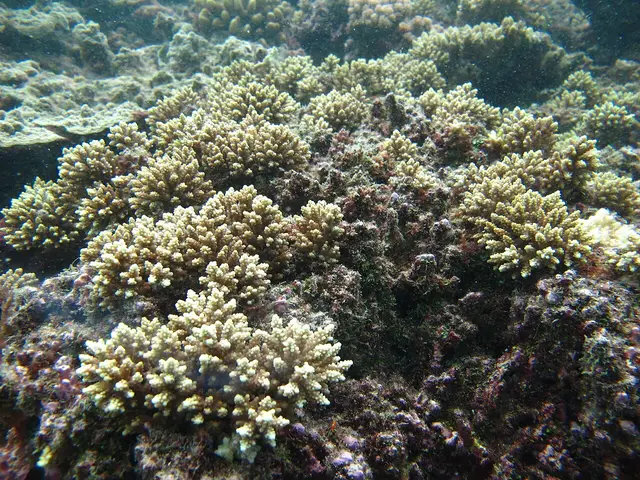 EN
Bottlebrush Coral
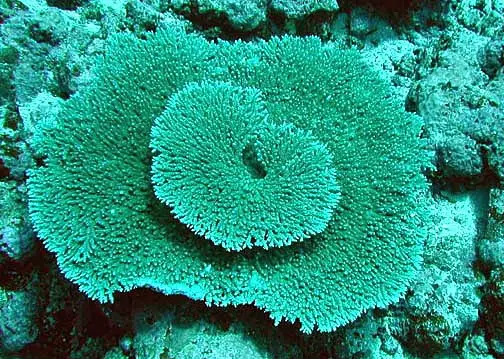 EN
Acropora glauca
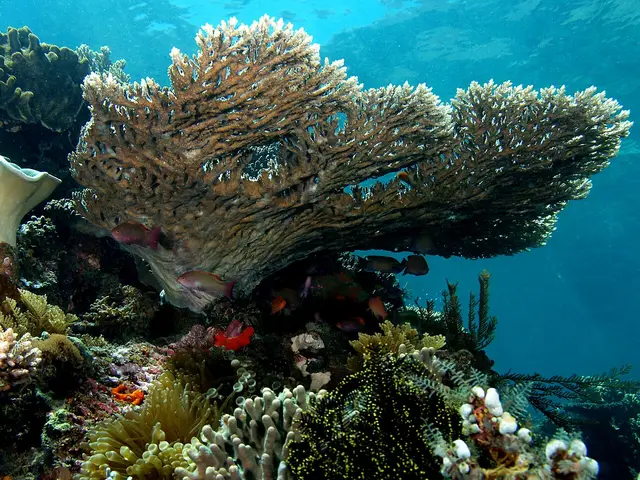 EN
Bali Shortcake
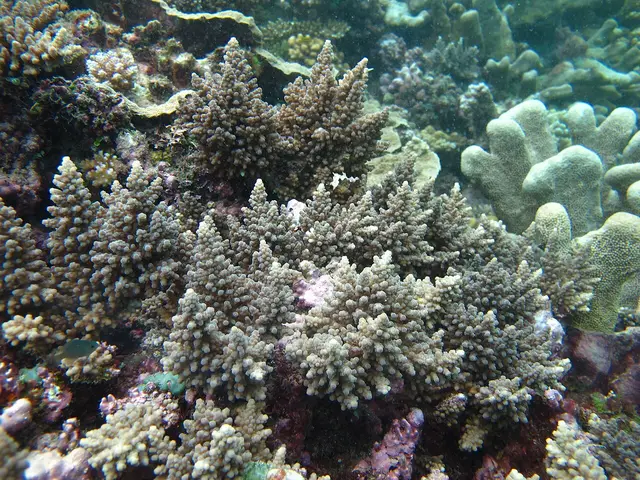 EN
Acropora longicyathus
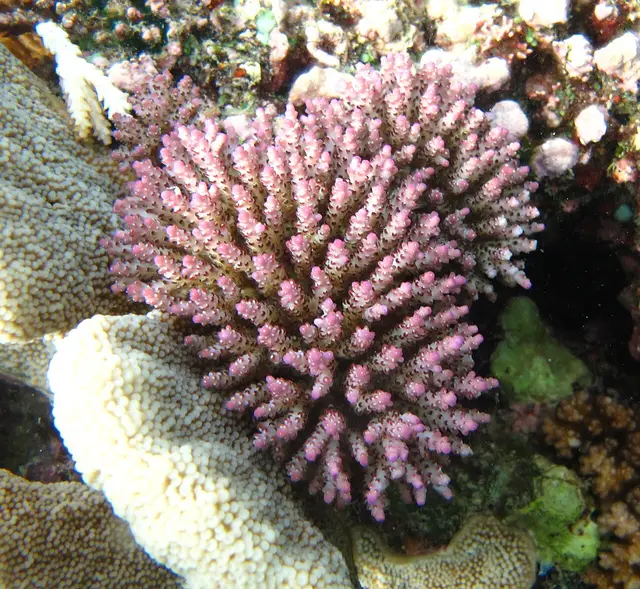 EN
Acropora nana
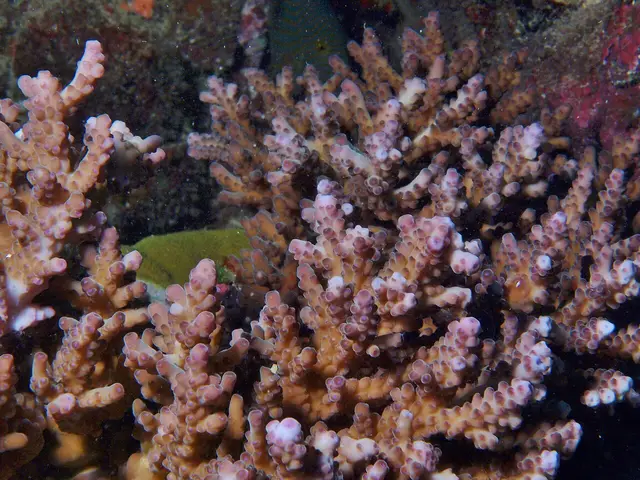 EN
Knobsnout parrotfish
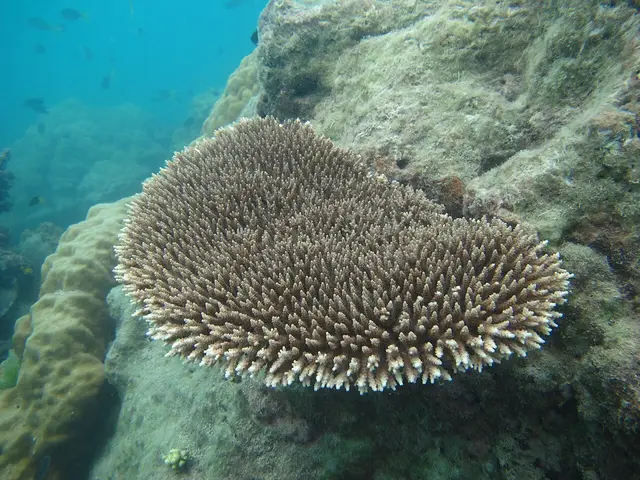 EN
Acropora subulata
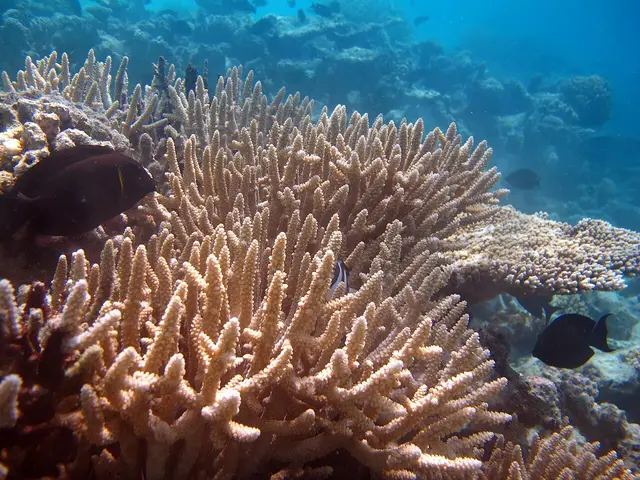 EN
Acropora valenciennesi
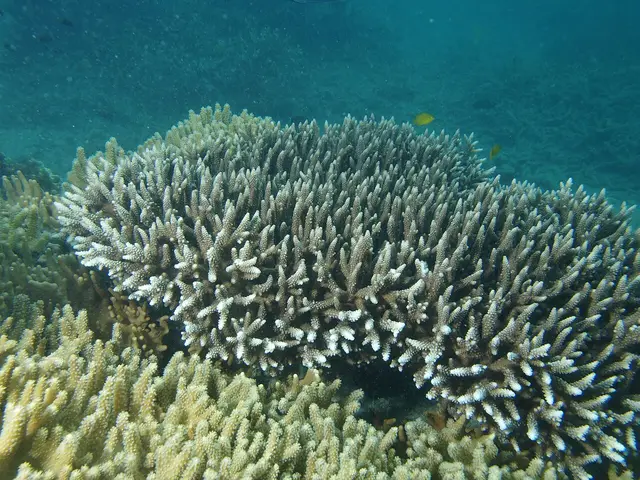 EN
Acropora yongei
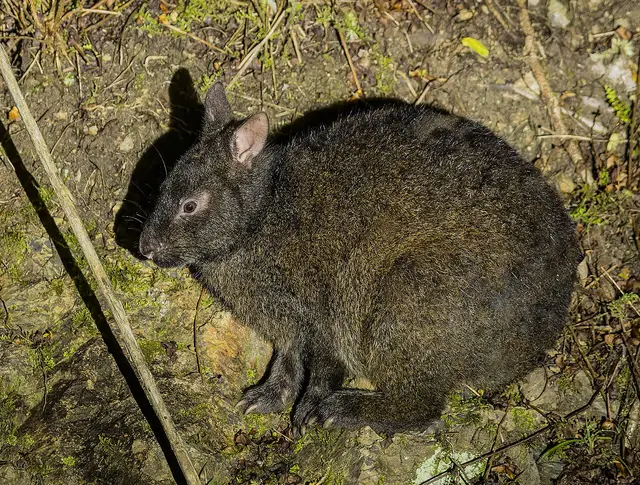 EN
Amami rabbit
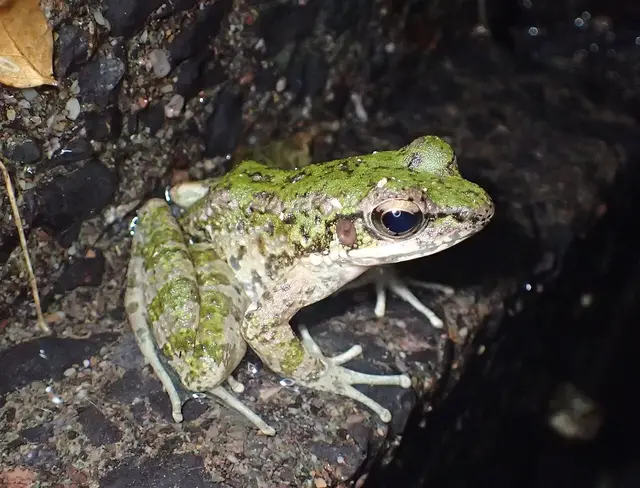 EN
Amami tip-nosed frog
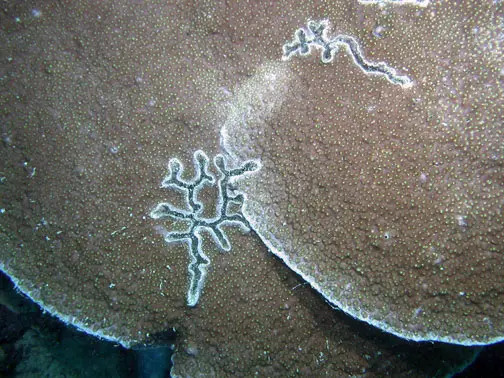 EN
Astreopora cucullata
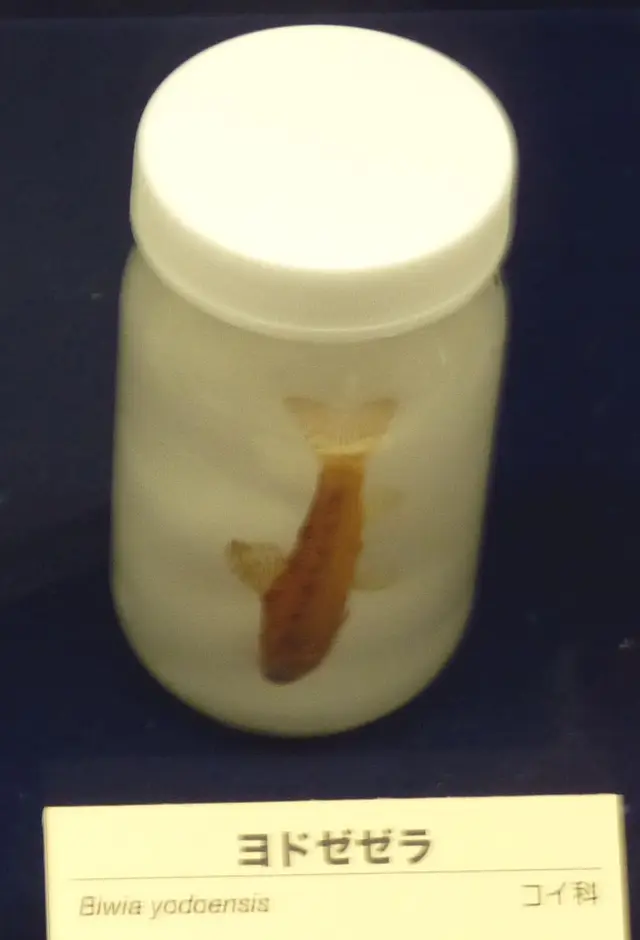 EN
Yodo Gudgeon
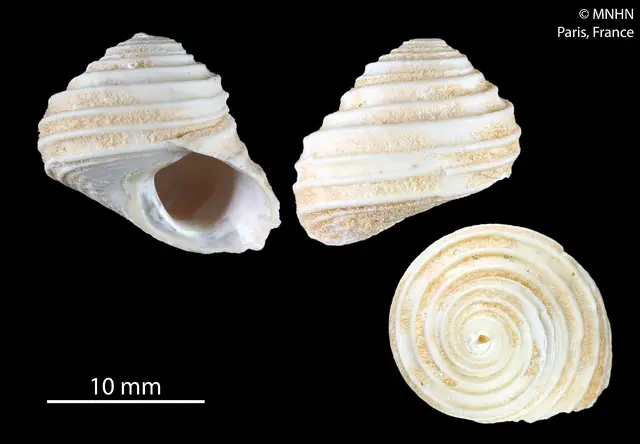 EN
Cantrainea jamsteci
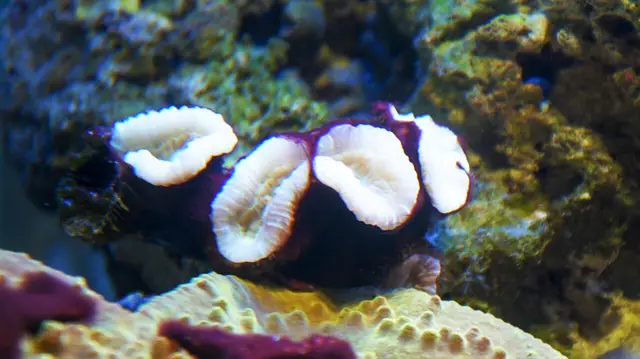 EN
Caulastrea coral
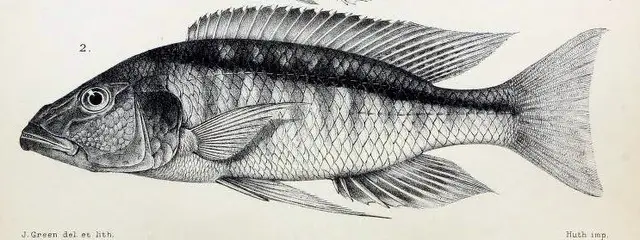 EN
Champsochromis spilorhynchus
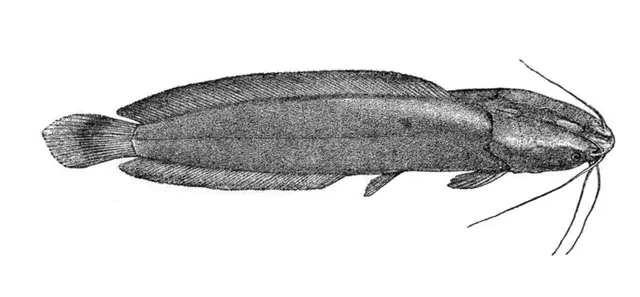 EN
Wagur
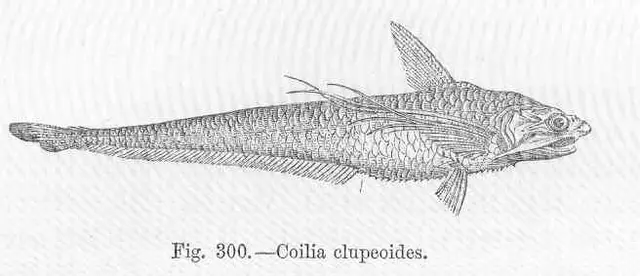 EN
Osbeck's grenadier anchovy
Showing the first 24. Total pins: 70.
Quick answers
- Do all these animals live only in Japan?
- No. A pin means a Wikidata place field resolved here. Official ranges can be wider.
- Is this a government list?
- No. It is a slice of this catalog.