Greece
12 catalog pins
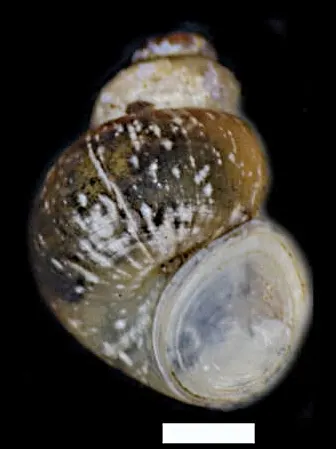
12 animals in this catalog carry a structured country pin for Greece. That is a filing fact, not a claim that the crisis is only here.
The photograph is one of those animals: Pseudobithynia euboeensis. Open a dossier for the text, the status, and the map. Use the world map to jump to another country. Confirm official distributions on the Red List.
Greece is a Mediterranean country of mountainous mainland, forests, wetlands and thousands of islands. Much of the mainland is mountains, dominated by evergreen scrub (maquis) with oaks and strawberry trees, and intensive land use has reduced forests to remnants.
A 2013 count gave 1,278 endemic species and 452 endemic subspecies out of 6,620 taxa listed for Greece. The total was revised to 6,695 taxa in 2018, with no updated endemic figure.
Where the pressure comes from
Greece's profile for the Convention on Biological Diversity names habitat loss and fragmentation, unsustainable production, climate change, pollution, biological invasions and forest fires as direct drivers. About 67 percent of wetland area was drained between 1925 and 1965, mostly for housing and farmland.
The same profile lists 468 threatened animal species in the 2009 red data books: 171 vertebrates and 297 invertebrates. Underlying causes it names include knowledge gaps, poorly enforced laws and unstable management of protected areas.
Enforcement has been tested in court. The European Court of Justice ruled for the Commission in cases about sea turtles on Zakynthos (2002) and viper breeding grounds on Milos (2006), and in 2020 over Greece's failure to establish 239 Sites of Community Importance.
What is being done
Greece adopted a National Biodiversity Strategy and Action Plan in 2014, with a 15 year period to 2029. According to the profile, about 12 percent of land is protected, and Natura 2000 includes 163 Special Protection Areas and 239 Sites of Community Importance, covering over 21 percent of land and 6 percent of Greek marine territory. Ramsar wetlands cited for birds include Lake Kerkini, the Nestos Delta and the Evros Delta. Action plans and LIFE-Nature projects have helped the Mediterranean monk seal and loggerhead turtle. Protected Planet lists 1,289 protected areas (UNEP-WCMC, November 2026).
Reading the catalog for Greece
The catalog's list for Greece is dominated by small animals. Snails and insects are the largest groups, with 5 each, alongside one viper and one freshwater fish. That matches the national red data books cited above, where 297 of the 468 threatened animals (2009) are invertebrates. The list records only what the Red List ties to Greece, so it is not a full inventory.
Sources for this section
- CBD country profile, Greece: Wetland drainage, 2009 threatened species, NBSAP 2014, Natura 2000, protected share, threats
- Wildlife of Greece (Wikipedia): Habitats, endemic counts 2013 and 2018 total, Ramsar sites
- Environment of Greece (Wikipedia): European Court of Justice cases 2002, 2006, 2020
- Protected Planet, Greece: 1,289 protected areas, November 2026
What the catalog records for Greece
The catalog has 12 animals with a country pin for Greece: 3 Critically Endangered and 9 Endangered. By GBIF class the largest groups are Gastropoda (5), Insecta (5), Squamata (1), unknown (1). The families with the most records are Nymphalidae (2), Bithyniidae (1), Neritidae (1). A pin means a structured source (Wikidata or a GBIF match) places the animal in Greece; it does not say the animal lives only there.
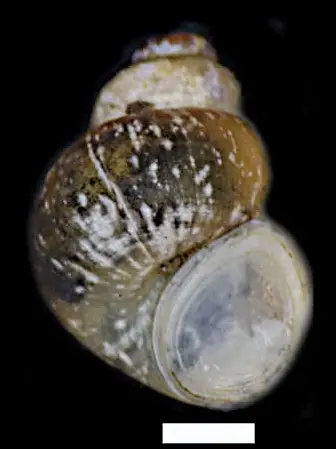 CR
Pseudobithynia euboeensis
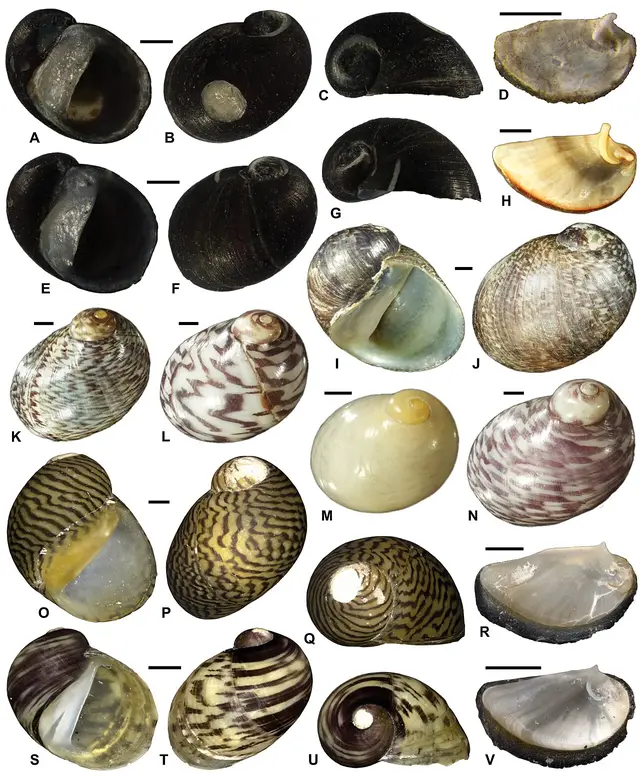 CR
Theodoxus baeticus
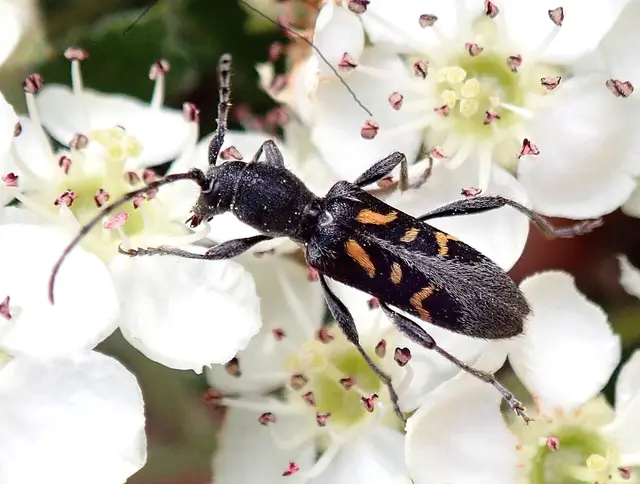 EN
Anaglyptus luteofasciatus
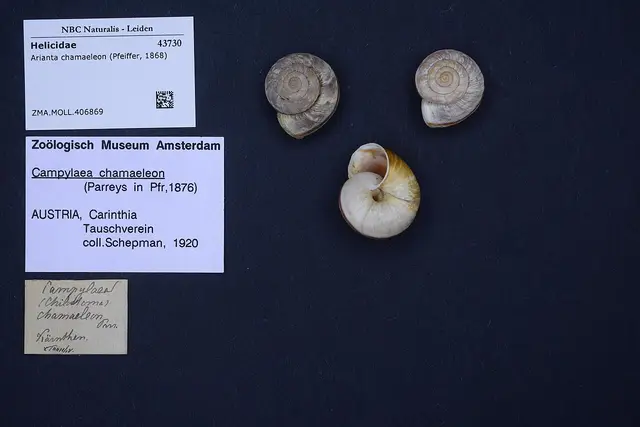 EN
Arianta chamaeleon
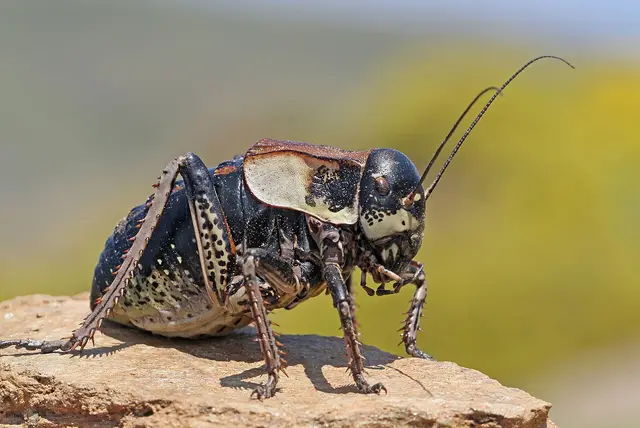 EN
Big-Bellied Glandular Bush-Cricket
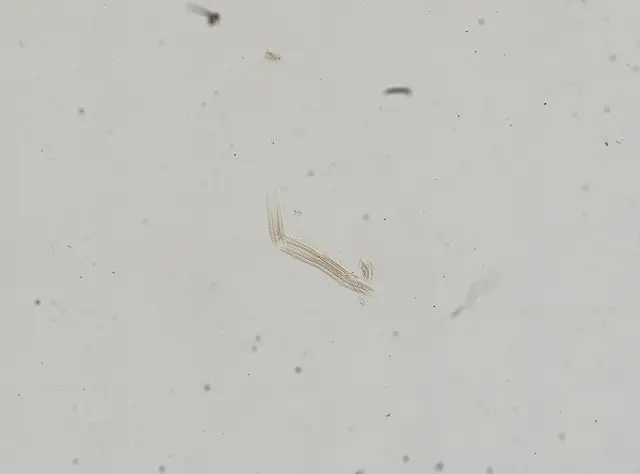 EN
Bythinella viridis
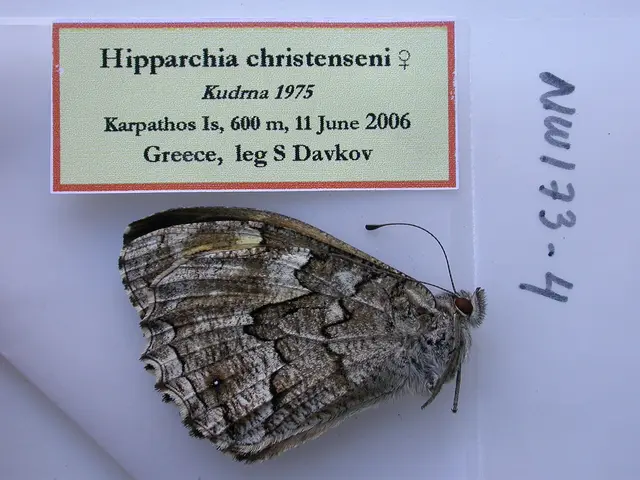 EN
Karpathos Grayling
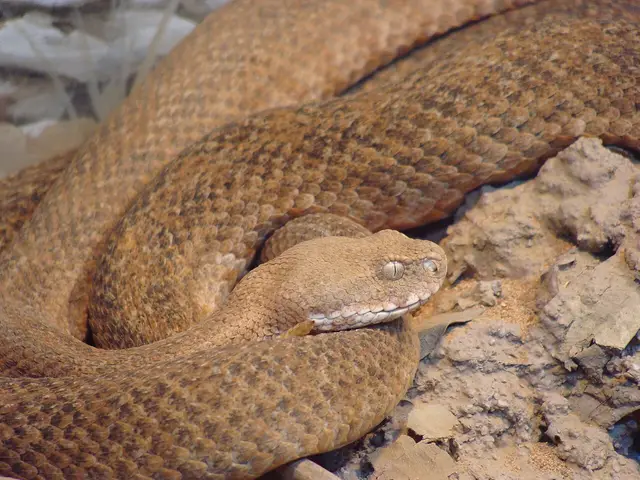 EN
Macrovipera schweizeri
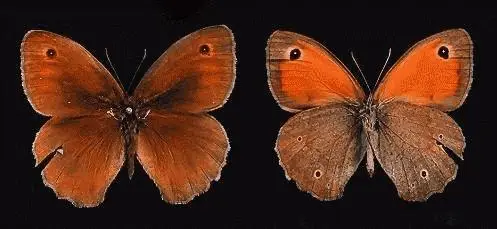 EN
Thomson's Meadow Brown
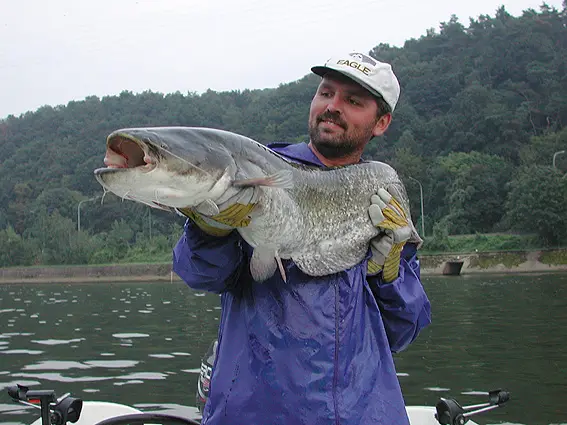 EN
Aristotle's catfish
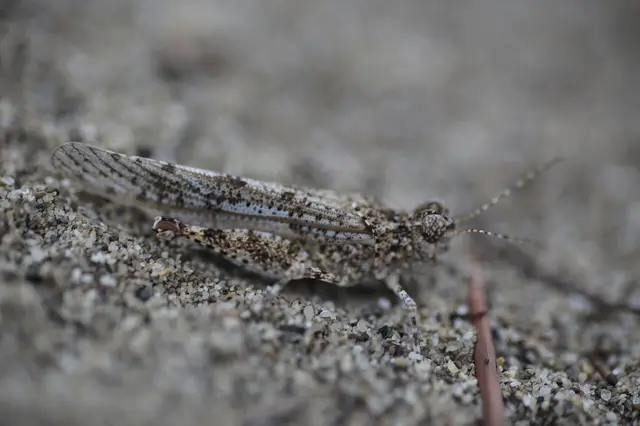 EN
Italian Sand Grasshopper
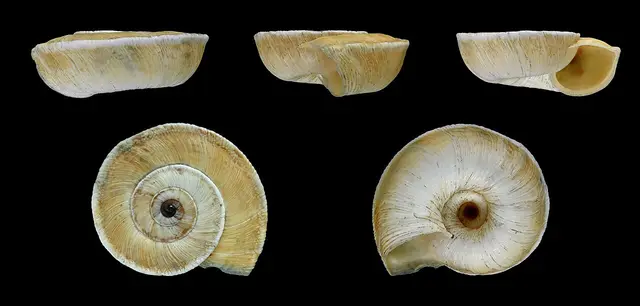 EN
Xerosecta explanata
Total pins: 13.
Quick answers
- Do all these animals live only in Greece?
- No. A pin means a Wikidata place field resolved here. Official ranges can be wider.
- Is this a government list?
- No. It is a slice of this catalog.