Madagascar
126 catalog pins
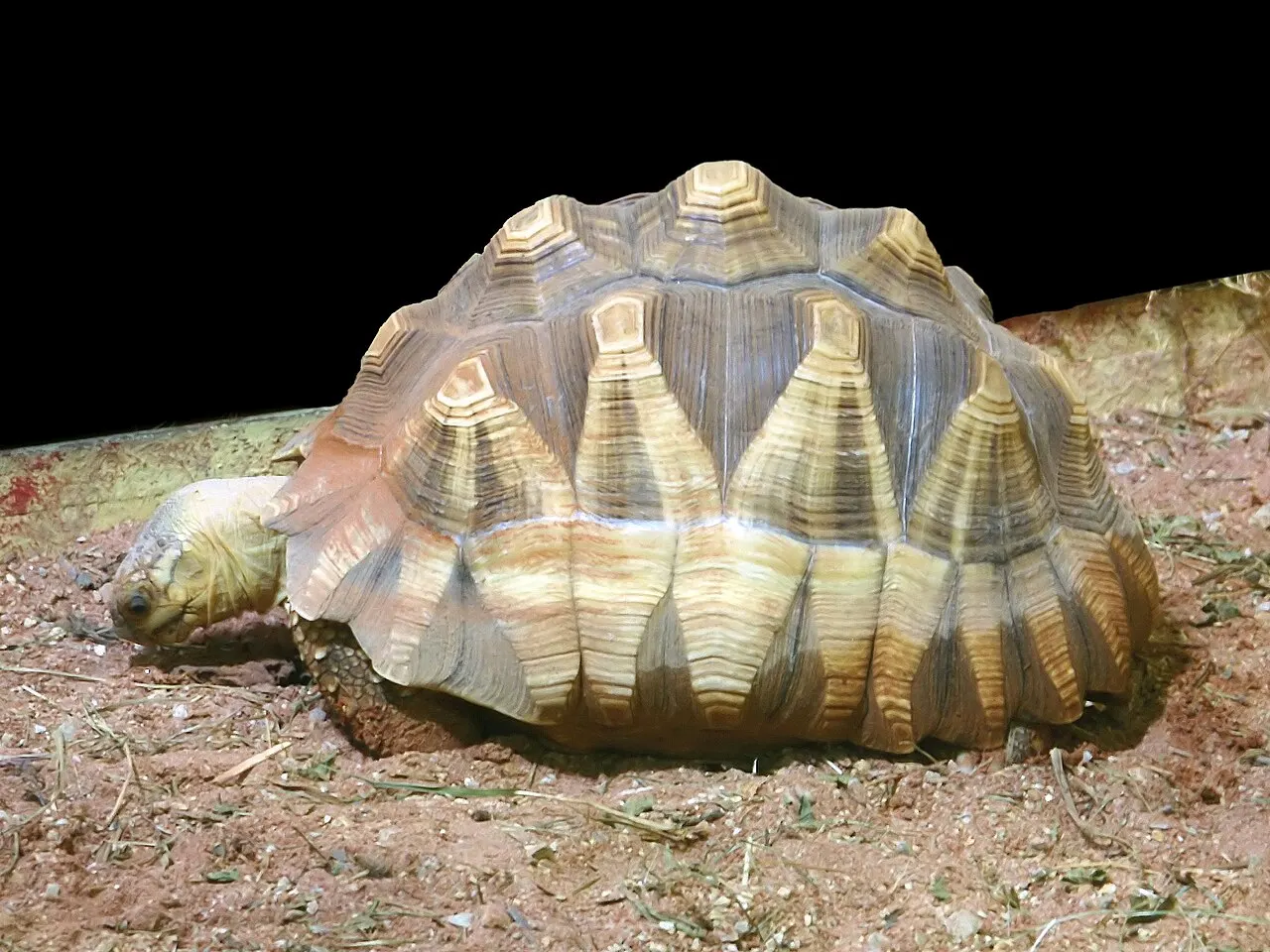
126 animals in this catalog carry a structured country pin for Madagascar. That is a filing fact, not a claim that the crisis is only here.
The photograph is one of those animals: Angonoka tortoise. Open a dossier for the text, the status, and the map. Use the world map to jump to another country. Confirm official distributions on the Red List.
Madagascar is a large island off the southeast coast of Africa that has been isolated for a very long time. Its landmass split from Africa and South America roughly 135 million years ago and from India about 88 million years ago, so its plants and animals evolved largely on their own.
That isolation is why so much of the wildlife exists nowhere else. The country's report to the Convention on Biological Diversity describes about 12,000 vascular plant species, 96% of them endemic, along with 389 reptile species (90% endemic) and 278 amphibian species (all endemic). All of the roughly 104 lemur species and subspecies it lists are found only here. Another source gives 14,883 plant species with over 80% endemic, so plant figures depend on the count used.
Where the pressure comes from
Forest loss is the central problem. The CBD profile says more than 80% of the original forest cover has been lost and that primary forest now covers about 12% of the country. Clearing for farming is a major driver, including tavy, the slash-and-burn method for growing crops, along with charcoal production, fires, mining and logging. Annual deforestation fell from 0.82% in the 1990s to 0.4% between 2005 and 2010, so the rate has slowed.
The CBD profile also calls hunting a major threat to large species. A 2012 assessment found 90% of lemur species threatened, up from 38% in 2008.
What is being done
Madagascar's first national biodiversity strategy dates to 1996. In 2003 the Durban Vision set a goal of expanding protected areas to over 60,000 square kilometres, about 10% of the land. Protected land had grown from about 3% of the territory to about 8% by 2009, and a later count from the country's protected area fund puts terrestrial protection at 10.8% of the land (the list it draws on dates from 2017).
The network includes 28 national parks, most run by Madagascar National Parks. Six rainforest parks were listed together as the Rainforests of the Atsinanana World Heritage Site in 2007. The fund FAPBM was set up in 2005 to finance the network and reported a capital of 140 million US dollars in 2022.
Reading the catalog for Madagascar
Amphibians are the largest group in the catalog's list for Madagascar, followed by mammals and then lizards and snakes (Squamata). The most common families are the Mantellidae and Microhylidae frogs and the Chamaeleonidae chameleons, then the Lemuridae and Indriidae lemurs. Many of these animals live only on this island, so losing forest here can threaten a whole species.
Sources for this section
- Madagascar country profile, Convention on Biological Diversity: Endemism figures, forest loss, deforestation rates, protected area growth, 1996 strategy, charcoal and hunting threats
- Wildlife of Madagascar, Wikipedia: Isolation dates, alternative plant count, tavy, 2012 lemur assessment, Durban Vision, 2007 World Heritage listing
- Nature conservation in Madagascar through protected areas, FAPBM: Protected area percentage, 28 national parks, FAPBM founded 2005, capital 2022
What the catalog records for Madagascar
The catalog has 126 animals with a country pin for Madagascar: 43 Critically Endangered and 83 Endangered. By GBIF class the largest groups are Amphibia (43), Mammalia (32), Squamata (29), Aves (8). The families with the most records are Mantellidae (26), Chamaeleonidae (19), Microhylidae (17). A pin means a structured source (Wikidata or a GBIF match) places the animal in Madagascar; it does not say the animal lives only there.
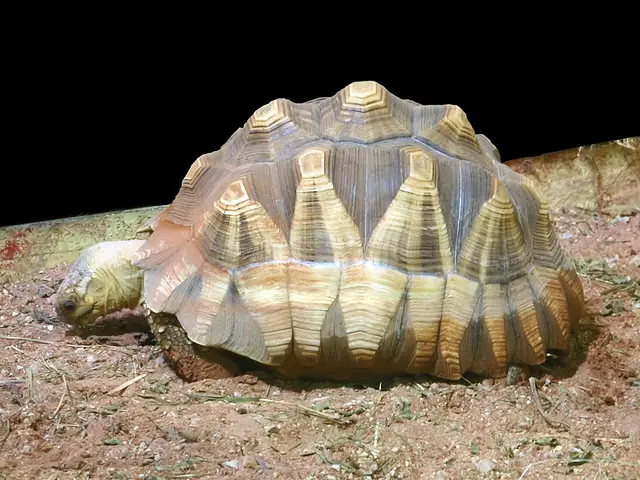 CR
Angonoka tortoise
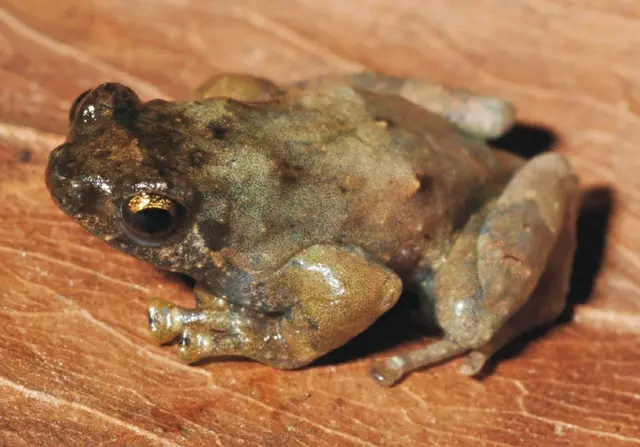 CR
Anodonthyla theoi
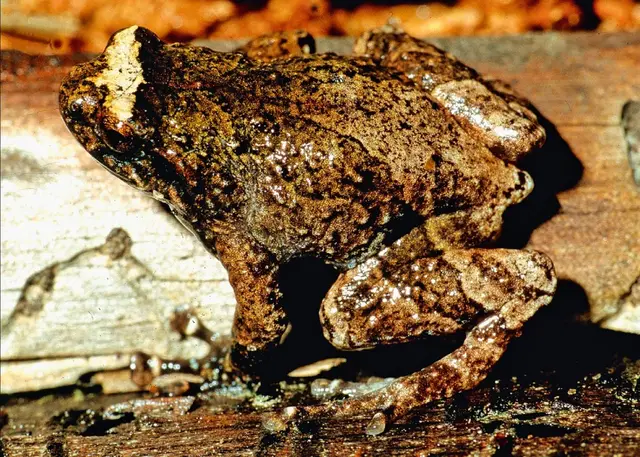 CR
Anodonthyla vallani
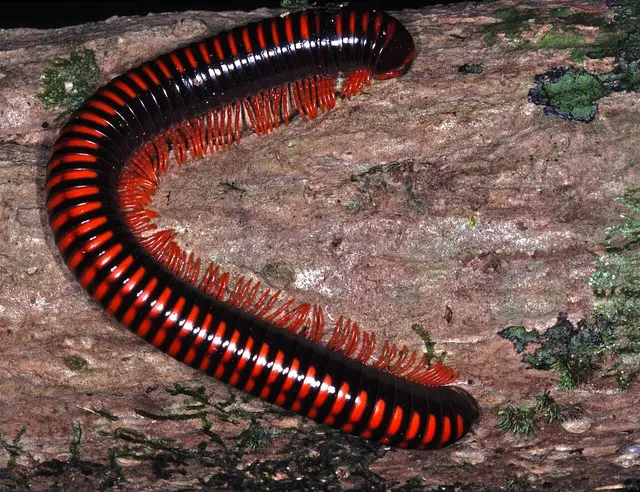 CR
Red-legged Fire-Millipede
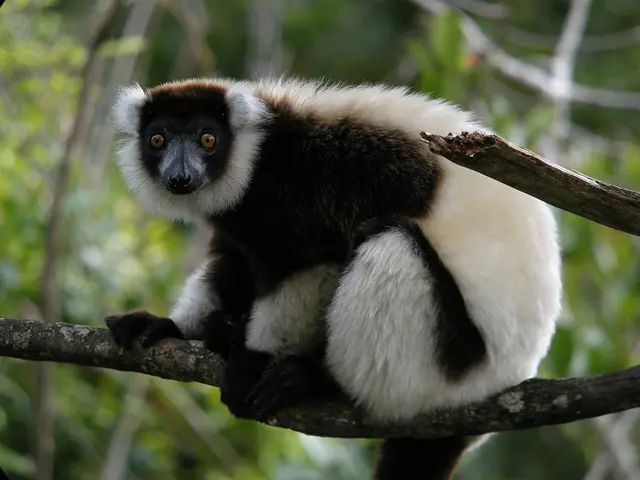 CR
Black-and-white ruffed lemur
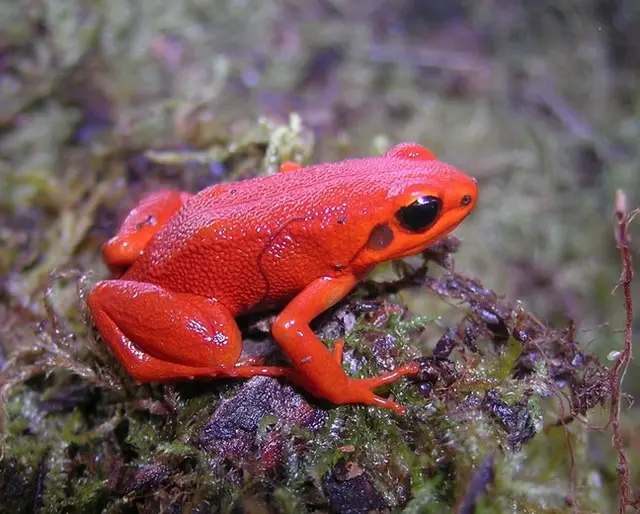 CR
Black-eared mantella
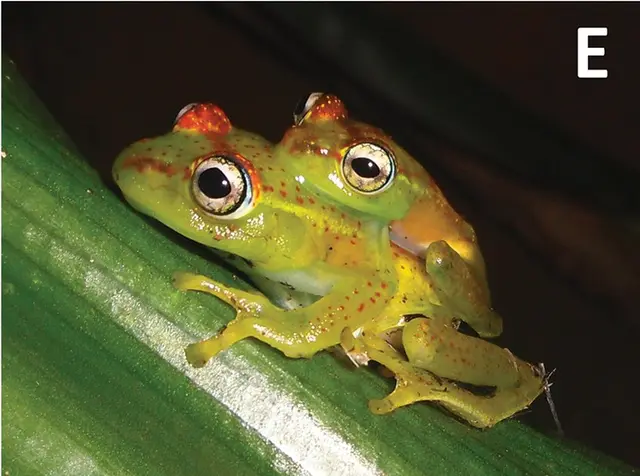 CR
Boophis ankarafensis
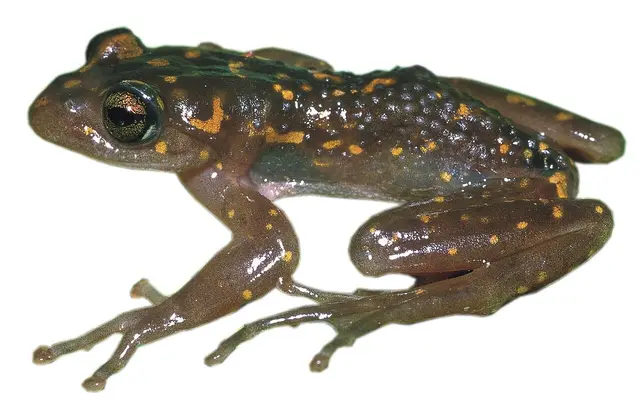 CR
Boophis williamsi
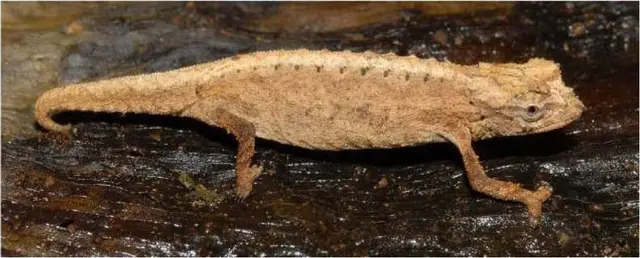 CR
Brookesia desperata
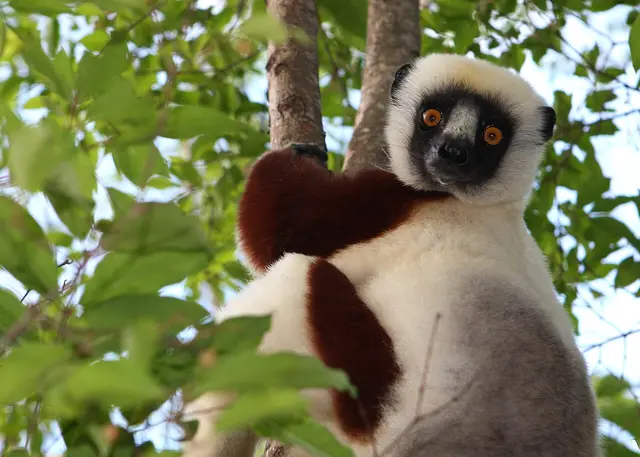 CR
Coquerel's sifaka
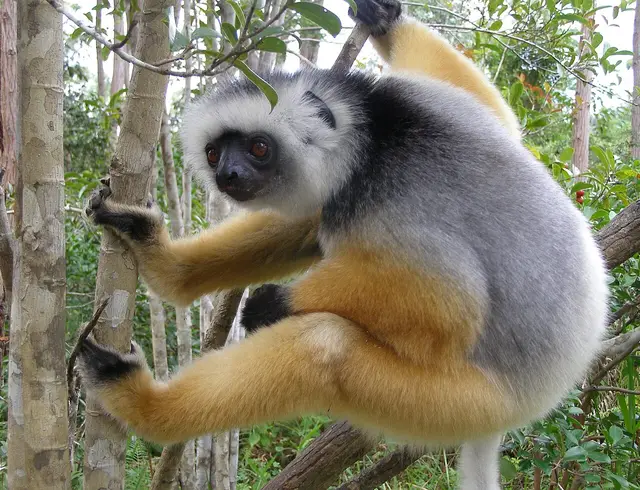 CR
Diademed sifaka
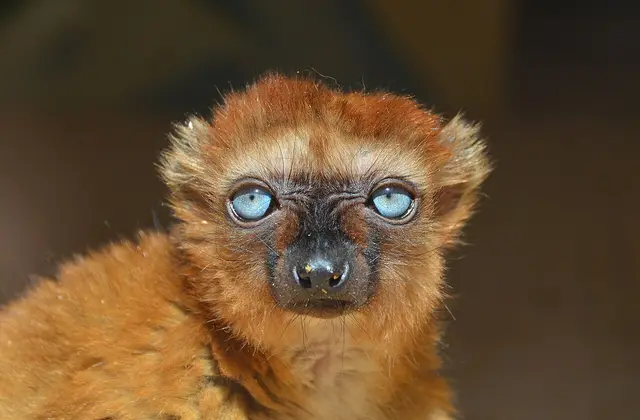 CR
Blue-eyed black lemur
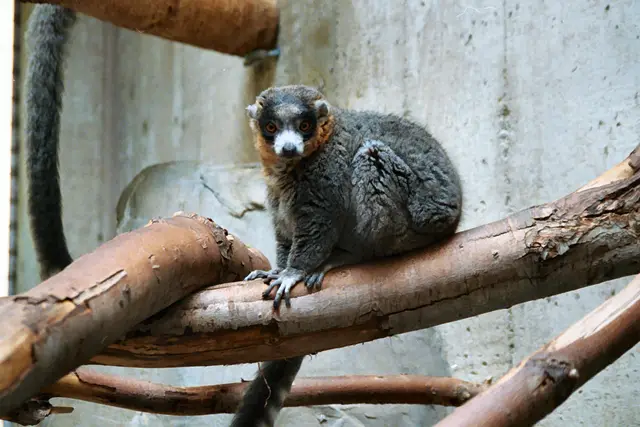 CR
Mongoose lemur
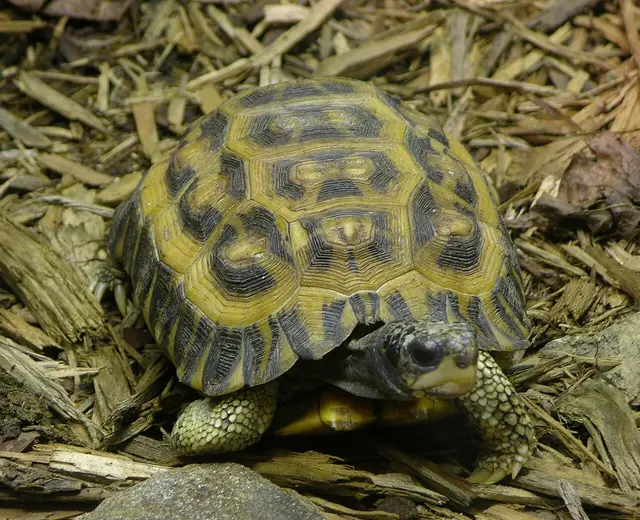 CR
Flat-backed spider tortoise
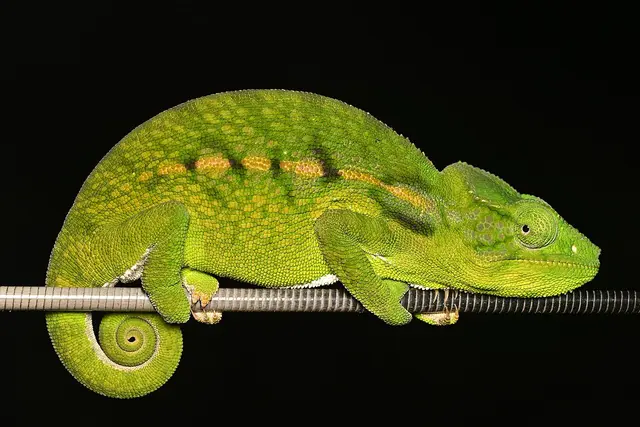 CR
Belalanda chameleon
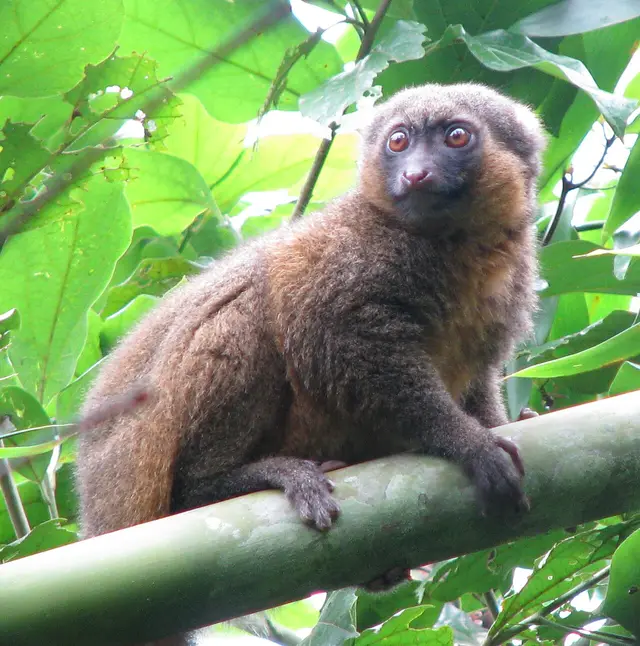 CR
Golden bamboo lemur
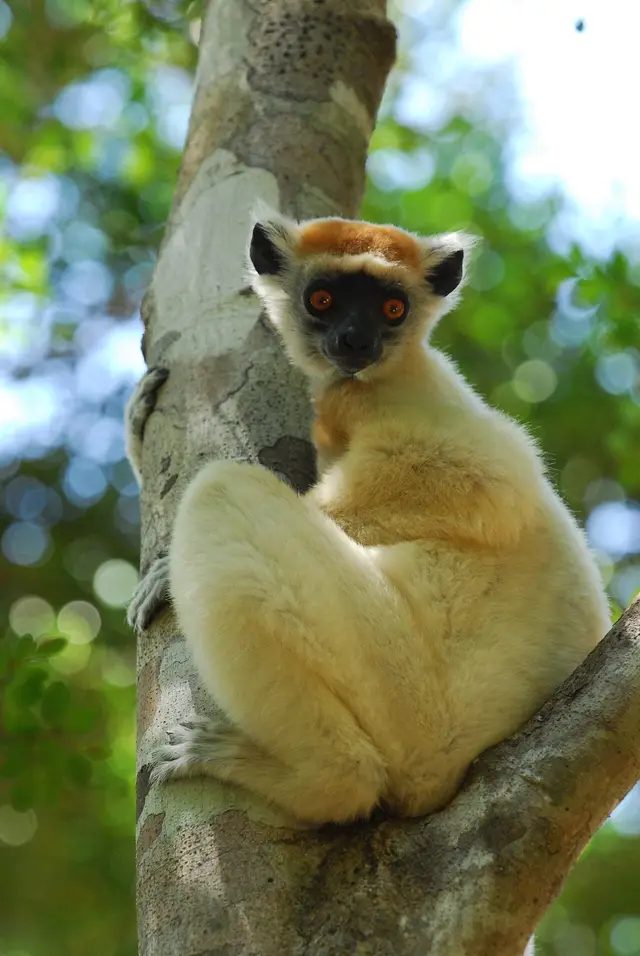 CR
Golden-crowned sifaka
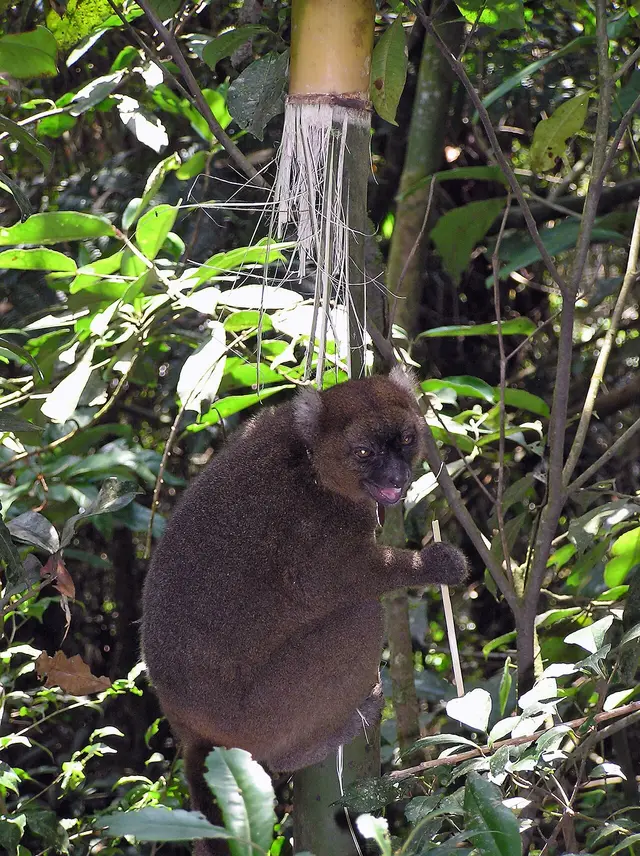 CR
Greater bamboo lemur
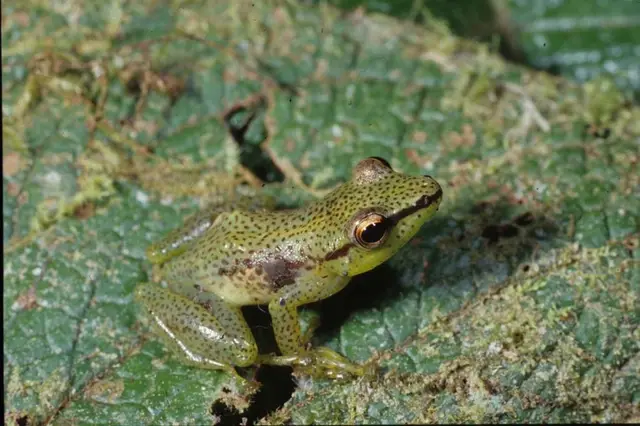 CR
Guibemantis punctatus
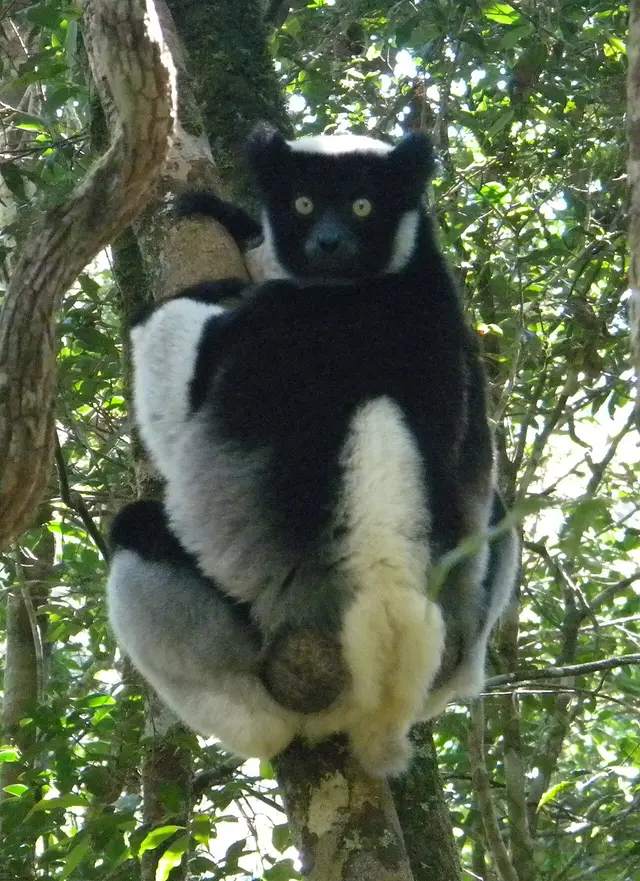 CR
Indri
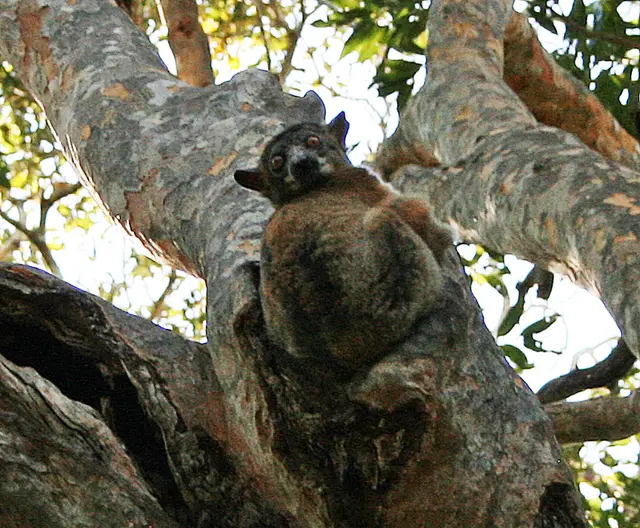 CR
Red-tailed sportive lemur
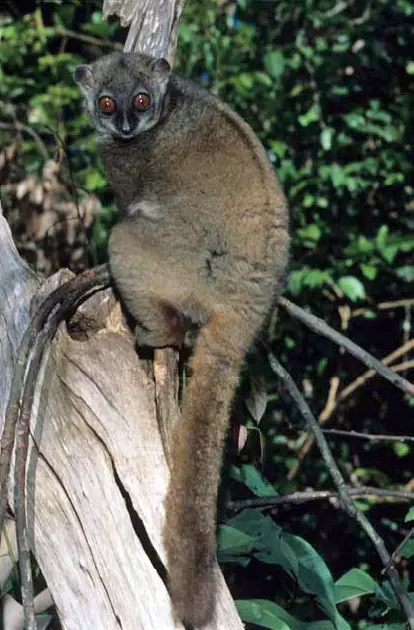 CR
Sahamalaza sportive lemur
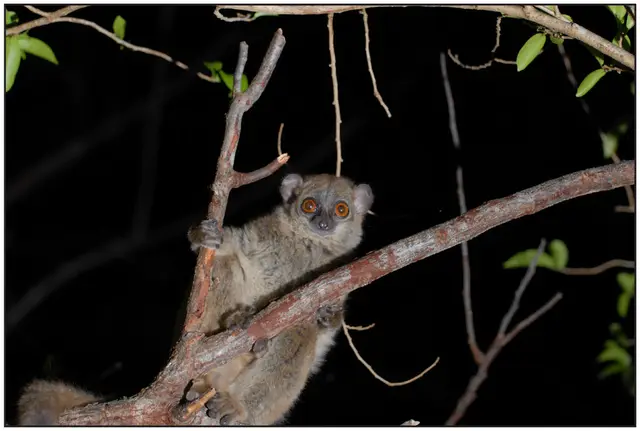 CR
Northern sportive lemur
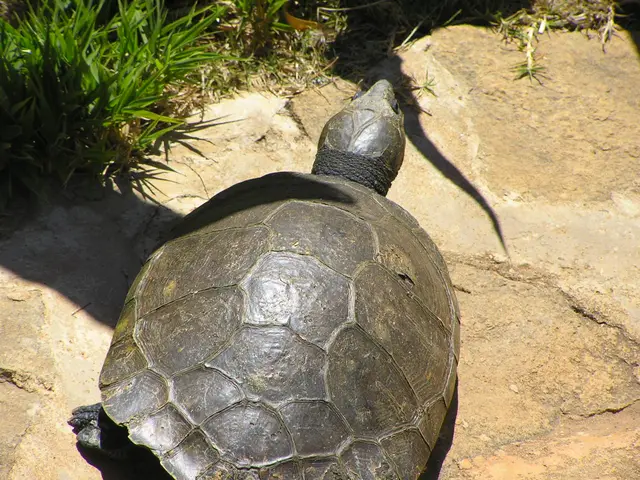 CR
Madagascan big-headed turtle
Showing the first 24. Total pins: 127.
Quick answers
- Do all these animals live only in Madagascar?
- No. A pin means a Wikidata place field resolved here. Official ranges can be wider.
- Is this a government list?
- No. It is a slice of this catalog.