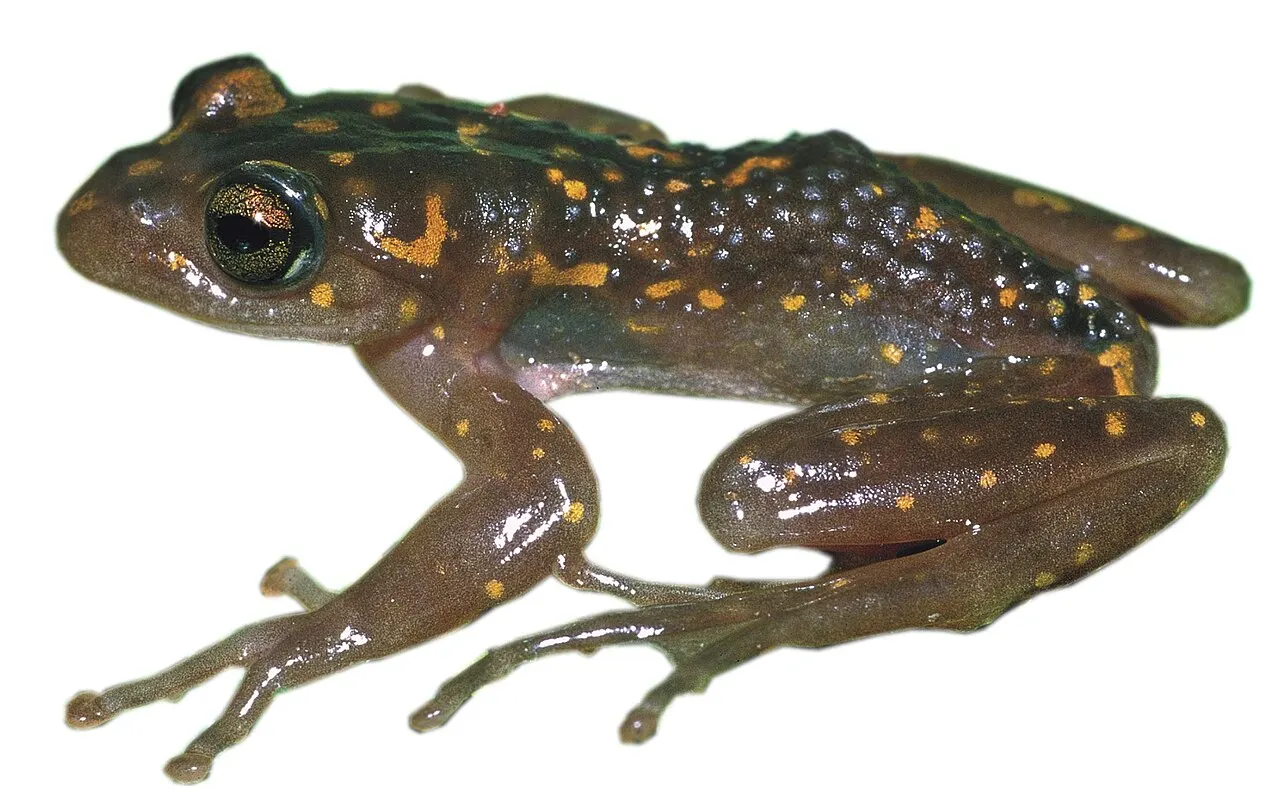
Critically Endangered
Boophis williamsi
Boophis williamsi
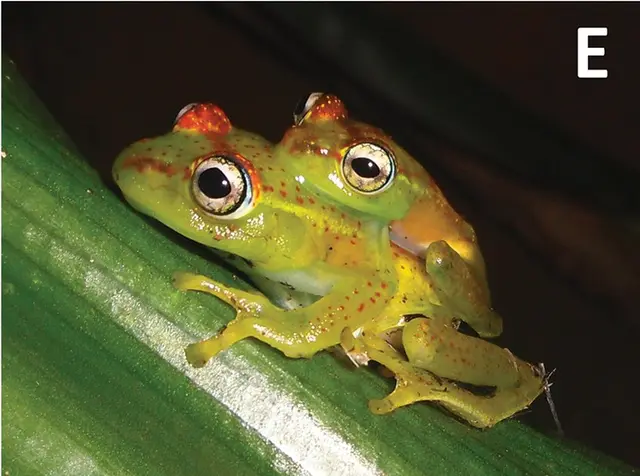
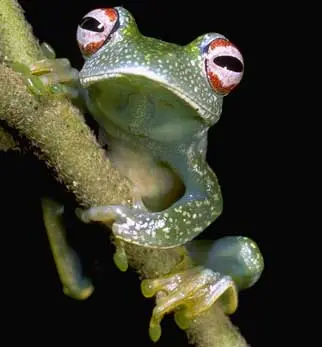
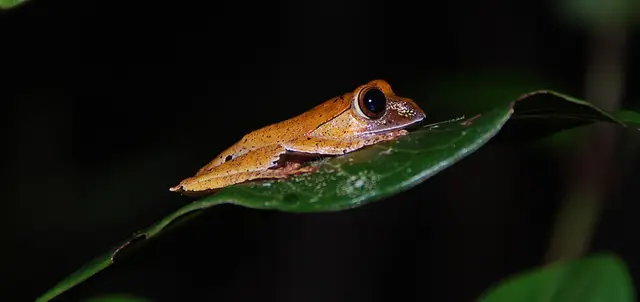
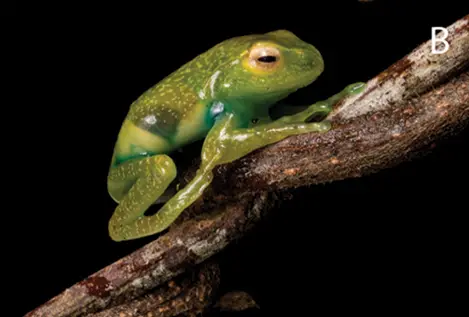
William's bright-eyed frog (Boophis williamsi) is a Madagascan frog confined to a few cold mountain streams on the Ankaratra Massif in the central highlands. The IUCN Red List rated it Critically Endangered in 2016. A model-based estimate from 2018 and 2019 put frogs and tadpoles on four surveyed streams at fewer than 600.
Where it lives
The species belongs to the Mantellidae and is endemic to Madagascar. Its whole known range is a small area of the Ankaratra Massif, a volcanic highland about 15 km west of the town of Ambatolampy. Fieldwork in 2018, 2019 and 2021 found it at seven localities within a few square kilometres, the only place it is known to occur. The survey sites lay at roughly 2,000 to 2,400 m above sea level.
The streams there are shallow (0.18 to 0.83 m deep), cool (7.7 to 17.8 degrees C) and often slightly alkaline. They run through and beside a badly fragmented remnant of forest covering less than 25 hectares. Around it, grassland has dominated the massif for more than a century.
Pins are Wikidata “endemic to” fields. Orange dots, when present, are GBIF occurrence tiles — survey bias included.
How it lives
Tadpoles and adults use different parts of the habitat. Tadpoles turned up most often in shaded, fully rocky stretches of stream through gallery forest. Adults were more often caught along mostly rocky streams in open savanna. The tadpoles have extensive rows of tiny teeth on their mouthparts, a feature linked to fast, rocky streams.
Almost nothing is known about its breeding. No eggs or mating behaviour have been seen, and the timing of reproduction is unknown. Adults were easiest to detect in December, at the start of the rainy season, and very hard to find by March. Surveyors found no frogs or tadpoles along forest-edge stretches, which hints that the species may be sensitive to edge conditions.
How many are left
Densities are low. A 15-day survey reported in 2011 found fewer than ten individuals per 600 to 1,000 m of stream. In 2014, other researchers counted 15 to 46 frogs and 17 to 51 tadpoles in a 100 m stretch of one stream. The 2018 to 2019 estimate of fewer than 600 covers only four stream transects, so it is not a count for the whole species. The Red List assessment uses criteria B1ab(iii)+2ab(iii), which concern a small range and a shrinking, fragmented habitat.
Why it is in trouble
The massif has lost forest faster than most of Madagascar: deforestation on Ankaratra in recent decades has run at nearly four times the national average. Uncontrolled fires and charcoal production continue to damage the remaining forest. Frogs tested positive for the amphibian chytrid fungus in 2013, but no signs of disease have been reported in the species. A conservation grant project page also names cattle grazing, expanding agriculture and illegal logging, and soil erosion that silts breeding sites.
What is being done
The remaining natural forest lies inside the Manjakatompo Ankaratra natural resource reserve, a protected area established in 2015. Eight local community groups manage the site together with a Malagasy non-profit and the regional forest administration. Community reforestation projects have used this frog as a flagship species. Fanomezantsoa and colleagues, in a 2026 population study in the Herpetological Journal, call for a standard long-term monitoring protocol covering both tadpoles and frogs, and for more protection of high-elevation forest beside its streams.
Sources
Written for this catalog in our own words from the sources below, checked against them on 12 November 2026. Population figures are estimates and carry the year they were made. Status and assessment year: IUCN. 2026. The IUCN Red List of Threatened Species. Version 2026-1. iucnredlist.org.