Endangered
Boophis boehmei
Boophis boehmei
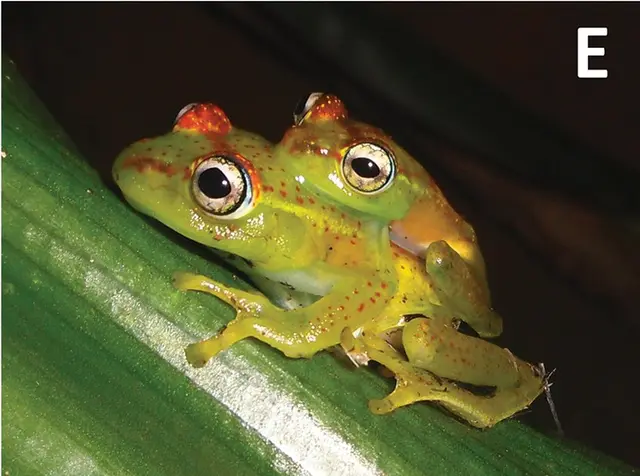
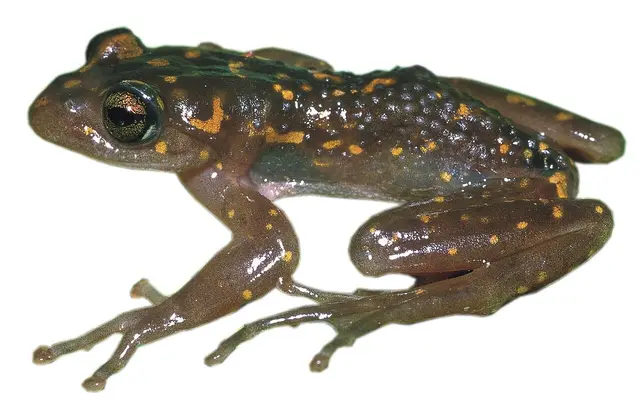
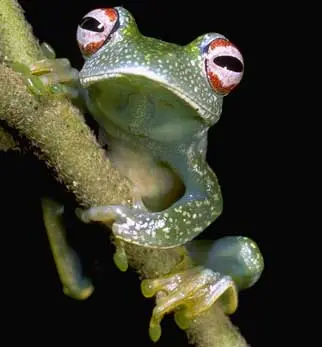
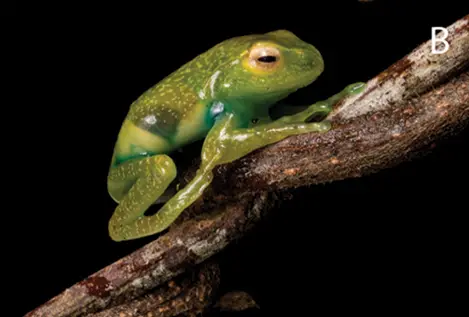
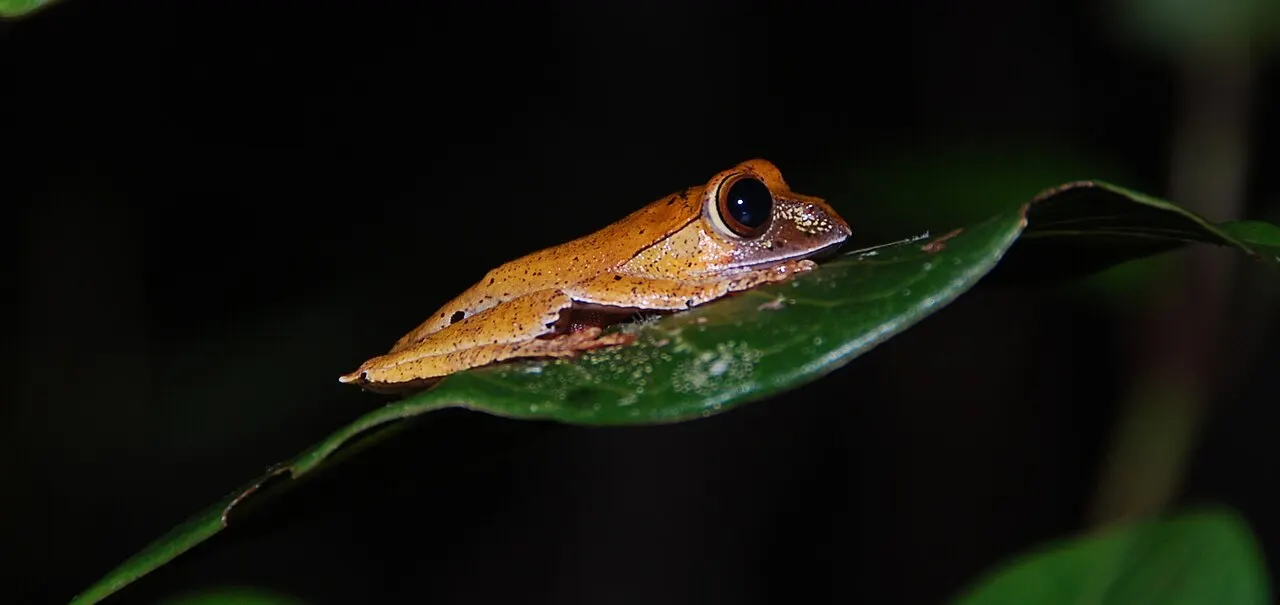
Boophis boehmei, sometimes called Böhme's bright-eyed frog, is a treefrog of the rainforests of eastern Madagascar, known from a few scattered sites. It is listed as Endangered on the IUCN Red List (2015 assessment) because its range is small, its population is split into pieces and its forest keeps shrinking.
What it is
Boophis boehmei belongs to the Mantellidae, and to the bright-eyed frogs of the genus Boophis. Glaw and Vences described it in 1992 in their field guide to the amphibians and reptiles of Madagascar. The type specimen is held in the Zoologisches Forschungsmuseum Alexander Koenig and came from primary forest at Andasibe.
Little has been published on its appearance in sources that are freely readable, and it is hard to separate from similar Boophis treefrogs without close study.
Where it lives
The Red List assessment places it in two areas of eastern Madagascar, between about 800 and 1,500 m above sea level: the Andasibe region, including Analamazoatra Special Reserve, and Ambohitantely Special Reserve on the central plateau. It counts three locations and an extent of occurrence of about 2,490 square kilometres.
The frog was once thought to range south to Andohahela National Park, but the southern populations have since been assigned to a different species, Boophis quasiboehmei. Surveys between the two known areas have not found it, so the range is probably as small as it looks.
Pins are Wikidata “endemic to” fields. Orange dots, when present, are GBIF occurrence tiles — survey bias included.
How it lives
It is a rainforest species. It can survive in slightly altered forest at most, and it uses moist lowland forest, moist montane forest and permanent rivers and streams. Like its relatives it breeds by larval development in streams, so tadpoles develop in flowing water.
In the Andasibe region it is abundant. At Ambohitantely only a single specimen exists, and surveys there since 1995 have not recorded it, so it may no longer live there.
Why it is in trouble
More than half of the population is thought to live in small, isolated patches with little or no movement between them. The forest is shrinking and degrading because of subsistence farming, timber extraction, charcoal making, invasive eucalyptus, livestock grazing, regular burning to keep cattle pasture, and growing settlements. The population is suspected to be decreasing.
The assessment dates from 2015, and no newer population count has been found.
What is being done
The frog occurs in Analamazoatra Special Reserve and possibly in Mantadia National Park, which lies north of Andasibe. The assessment says it needs continued and improved management of these protected areas and known sites. More information is needed on its distribution, and monitoring is required to establish the state of its population. No recovery plan or captive breeding programme is recorded.
Sources
Written for this catalog in our own words from the sources below, checked against them on 12 November 2026. Population figures are estimates and carry the year they were made. Status and assessment year: IUCN. 2026. The IUCN Red List of Threatened Species. Version 2026-1. iucnredlist.org.