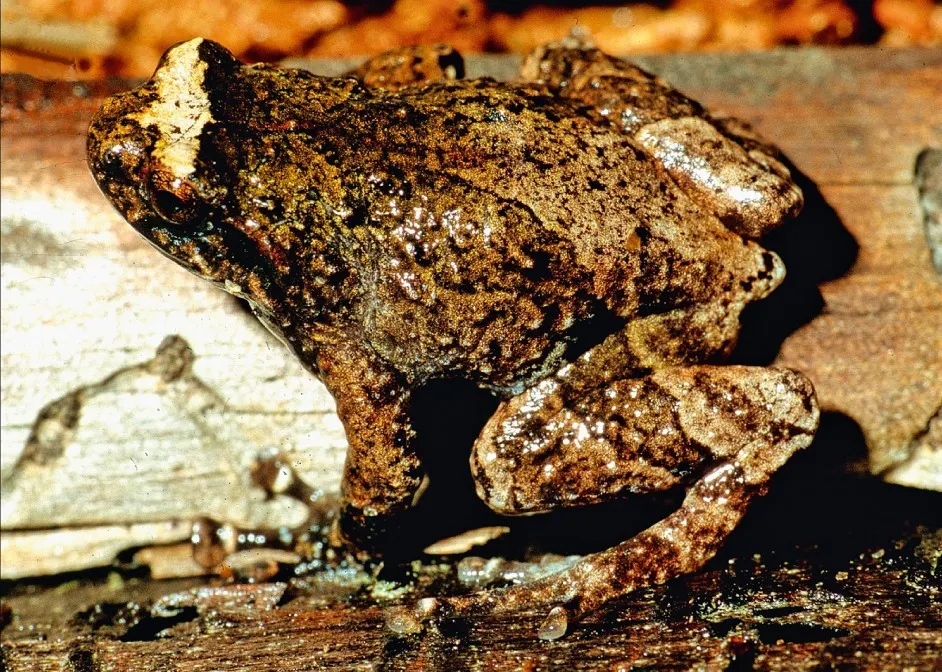
Critically Endangered
Anodonthyla vallani
Anodonthyla vallani
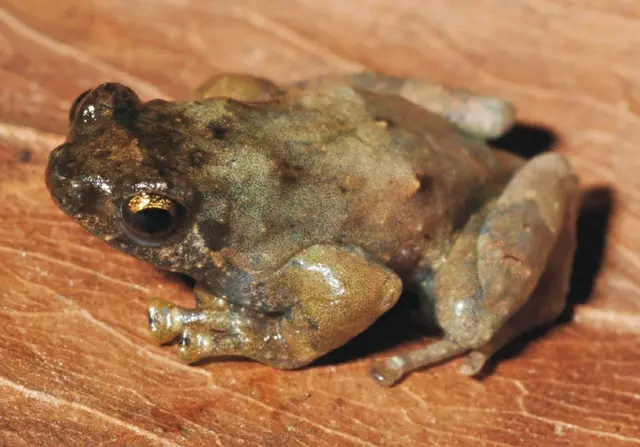
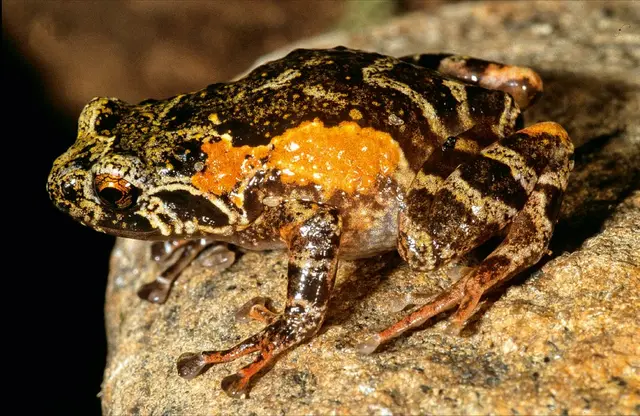
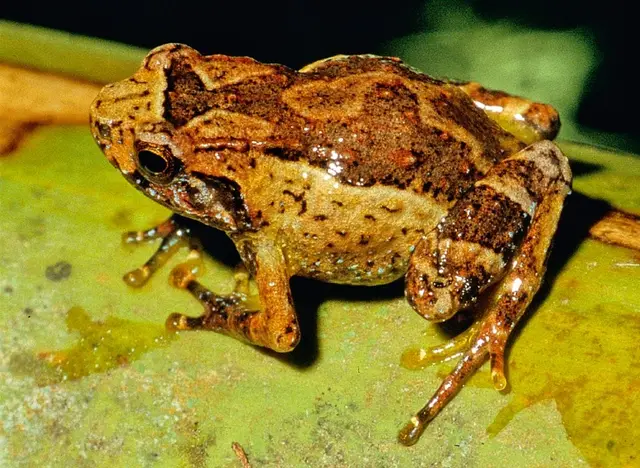
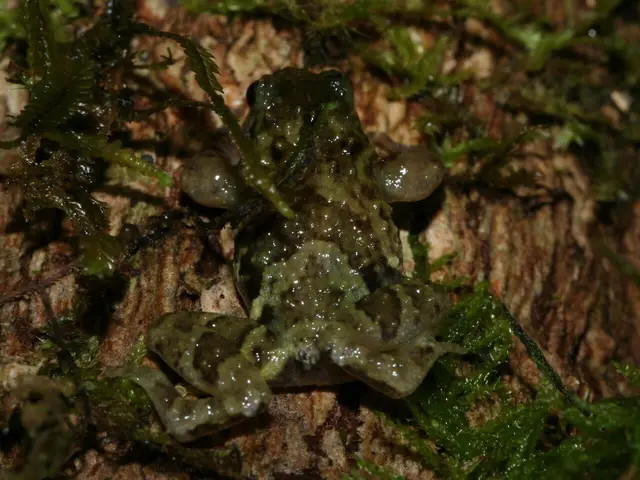
Anodonthyla vallani, sometimes called Vallan's climbing frog, is a small narrow-mouthed frog known only from one forest reserve in the central highlands of Madagascar. The IUCN Red List rates it Critically Endangered (2020 assessment), with a single known site and a declining population.
What it is
This is a microhylid, one of the narrow-mouthed frogs, in a genus of tree-dwelling frogs endemic to Madagascar. It was described in 2010 by Miguel Vences, Frank Glaw, Jörn Köhler and Katharina Wollenberg, in a paper that used DNA, anatomy and calls to recognise five additional Anodonthyla species. The paper calls it a medium-sized frog, with a call of long, low-pitched notes repeated slowly. Before that, it had been confused with Anodonthyla nigrigularis.
The holotype, an adult male, was collected in forest near the camp at Ambohitantely Special Reserve. The species name reportedly honours Denis Vallan.
Where it lives
Only one location is known: the Ambohitantely reserve in Antananarivo Province, at about 1,580 metres above sea level. The Red List counts it as a single location and records that the whole known population lies inside the protected area.
Its habitat is moist montane forest, and the Red List also lists small seasonal pools in the breeding season. The frogs have reportedly been found on tree trunks several metres above the ground.
Pins are Wikidata “endemic to” fields. Orange dots, when present, are GBIF occurrence tiles — survey bias included.
How it lives
Very little has been written about its daily life. Its breeding has not been described in detail, and no population count exists. One encyclopedia entry says it breeds in water-filled tree holes, but that claim carries no reference.
The population is recorded as decreasing, and the frog is reportedly rarely seen.
Why it is in trouble
The reserve is a patch of forest surrounded by open grassland. It covers about 5,600 hectares, and the park's managers say nearly 1,000 hectares of dense forest remained at the end of 2024, about 19 percent of the reserve. That forest is the only home this frog is known to have.
The Red List names three threats: more frequent or fiercer fires, small-scale grazing and farming, and unintended effects of small-scale harvesting. It scores fire as affecting the whole known population. The park also reports bush fires gaining ground each dry season, along with illegal logging and clearing. The criterion used, B1ab(iii), reflects a very small range at a single location with continuing habitat decline.
What is being done
The site is a protected area, and the Red List lists site protection, habitat protection, site management and habitat restoration among the actions needed or in place, and also lists captive breeding. Reserve managers reported restoring 89 hectares, opening 7.77 km of new firebreaks and maintaining 73.5 km in 2024. They detected two fires in the forest that year and said no forest was lost.
Sources
Written for this catalog in our own words from the sources below, checked against them on 12 November 2026. Population figures are estimates and carry the year they were made. Status and assessment year: IUCN. 2026. The IUCN Red List of Threatened Species. Version 2026-1. iucnredlist.org.