Taiwan
13 catalog pins
13 animals in this catalog carry a structured country pin for Taiwan. That is a filing fact, not a claim that the crisis is only here.
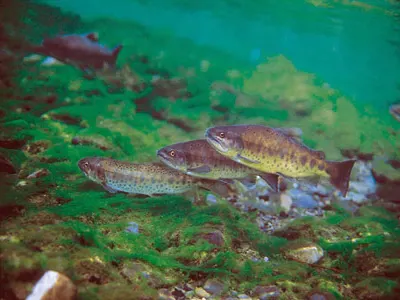
The photograph is one of those animals: Oncorhynchus formosanus. Open a dossier for the text, the status, and the map. Use the world map to jump to another country. Confirm official distributions on the Red List.
Taiwan is a mountainous island off the coast of China, with high peaks in the east and long-farmed lowlands in the west and north. Its wildlife includes more than 4,000 native plant species, over 1,000 of them found nowhere else, and several endemic animals such as the Formosan landlocked salmon and Swinhoe's pheasant.
The island is also ringed by coral reefs, including uplifted coral formations at Kenting in the south and the Dongsha Atoll in the South China Sea. Cold mountain streams and warm reefs are very different habitats, and both appear in the catalog.
Where the pressure comes from
Much of the western and northern lowlands has been cleared for farming since the 17th and 18th centuries. Industrialization, water and air pollution, and climate change add to that. At sea, illegal sand dredging has damaged outlying areas such as the Taiwan Banks, and bottom trawling is restricted within 5 km of shore for vessels under 50 tons and within 12 km for heavier ones.
For the salmon, the sources list habitat loss from farming and land development, damming, altered water flow, pollution and warming of the cold upland streams it needs. It lives only above about 1,500 m, where the water stays below 17 degrees C.
What is being done
Taiwan has nine national parks. Kenting, established on 1 January 1984, covers about 333 km2 (roughly 181 km2 of land and 152 km2 of sea) and includes a protected area for coral reefs and forest. Shei-Pa National Park protects the salmon's streams in the upper Dajia River.
Counts of the salmon have risen sharply. Restoration began in 1995, commercial fishing is banned, and counts rose from about 200 fish in 1984 and 1992 to 12,587 in 2020 and 15,374 in March 2023. It is still classed as Critically Endangered, and warming remains a worry. In 2023 the maximum penalty for ocean pollution was raised to US$3.25 million.
Reading the catalog for Taiwan
In the catalog's list for Taiwan, Anthozoa (corals) is the largest class, and Acroporidae (staghorn and table corals) is the largest family. Two Hynobius salamanders, a ray and a snail round out the list, along with the salmon and a carp-family fish.
The coral dominance shows how many reef-building species are recorded here, not that other groups are safe.
Sources for this section
- Wildlife of Taiwan (Wikipedia): plant endemism, lowland clearing, sand dredging, trawling limits, nine national parks, 2023 penalty
- Formosan landlocked salmon (Wikipedia): habitat above 1,500 m, population counts 1984 to 2023, threats, breeding since 1995, fishing ban
- Kenting National Park (Wikipedia): established 1984, area figures, coral reef protection area
What the catalog records for Taiwan
The catalog has 13 animals with a country pin for Taiwan: 2 Critically Endangered and 11 Endangered. By GBIF class the largest groups are Anthozoa (7), unknown (2), Amphibia (2), Elasmobranchii (1). The families with the most records are Acroporidae (7), Hynobiidae (2), Salmonidae (1). A pin means a structured source (Wikidata or a GBIF match) places the animal in Taiwan; it does not say the animal lives only there.
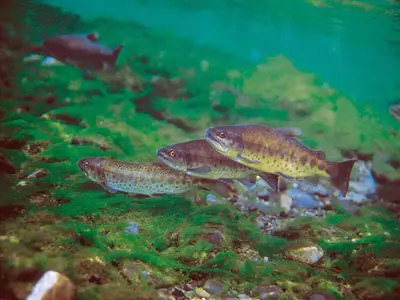 CR
Oncorhynchus formosanus
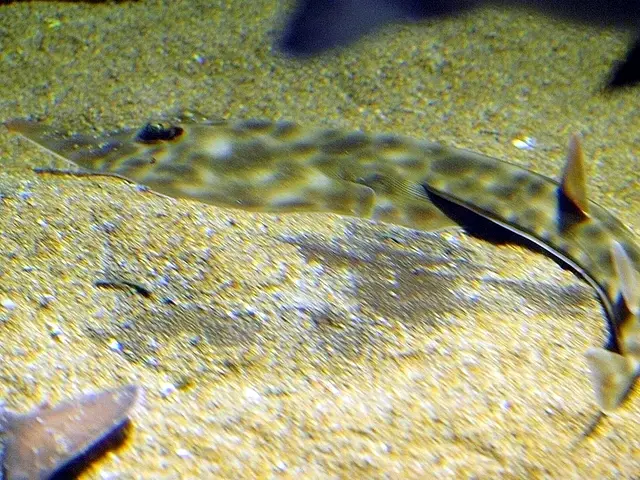 CR
Brown guitarfish
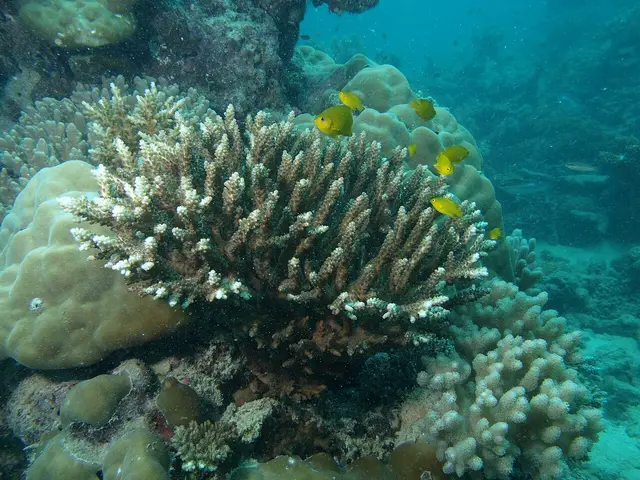 EN
Acropora divaricata
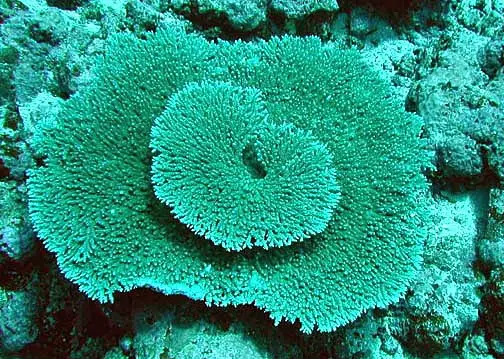 EN
Acropora glauca
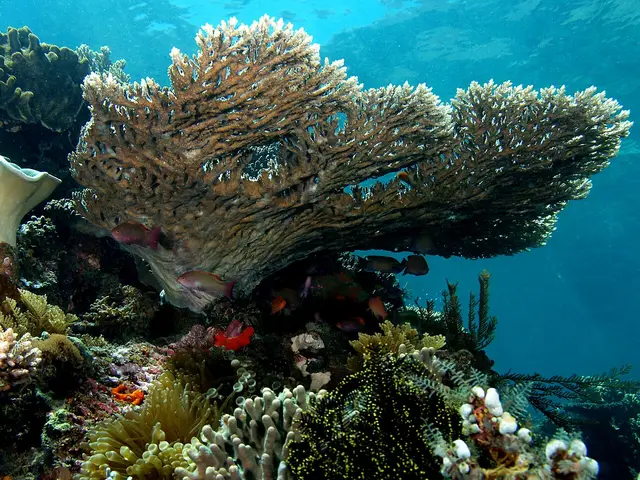 EN
Bali Shortcake
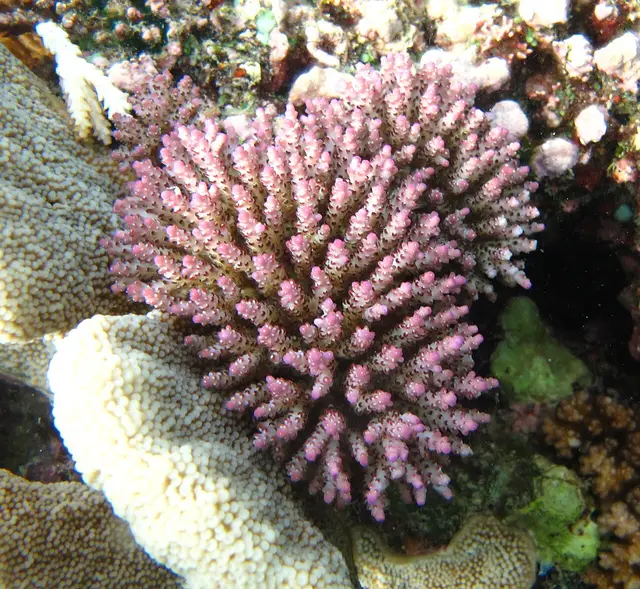 EN
Acropora nana
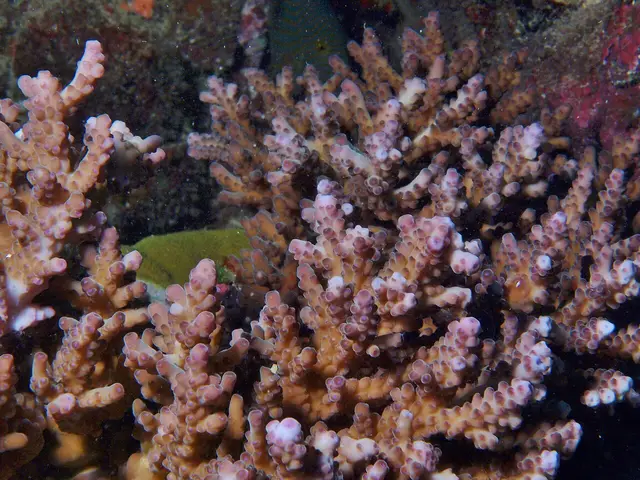 EN
Knobsnout parrotfish
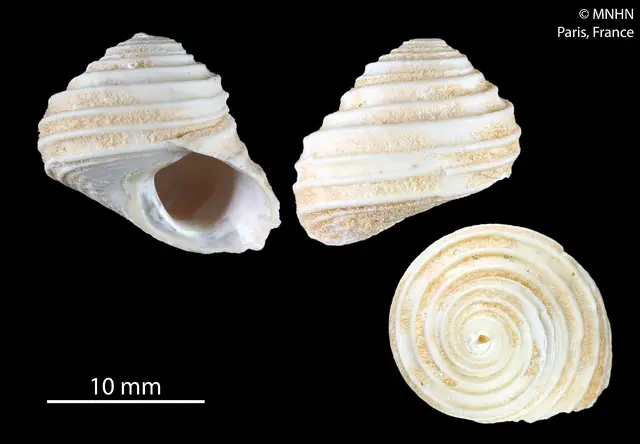 EN
Cantrainea jamsteci
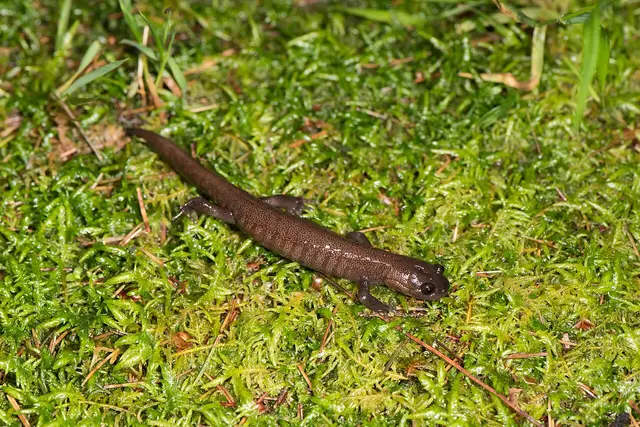 EN
Hynobius arisanensis
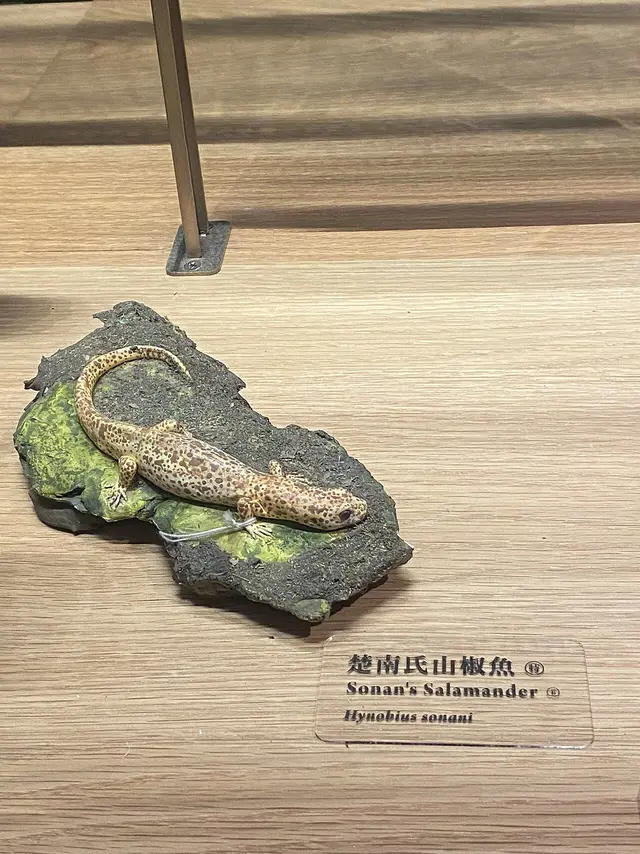 EN
Hynobius sonani
 EN
Montipora altasepta
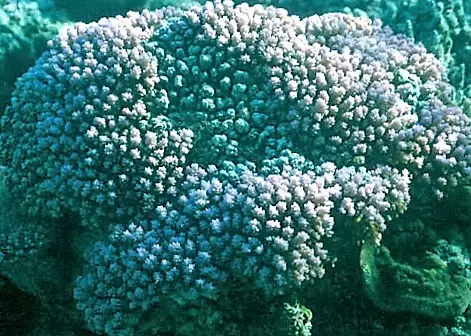 EN
Montipora informis
 EN
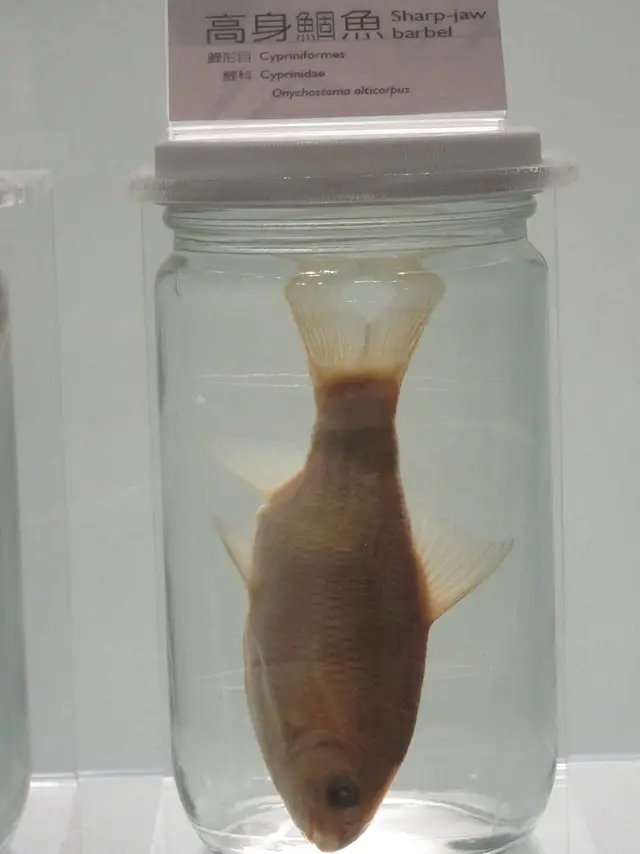
Onychostoma alticorpus
Total pins: 14.
Quick answers
- Do all these animals live only in Taiwan?
- No. A pin means a Wikidata place field resolved here. Official ranges can be wider.
- Is this a government list?
- No. It is a slice of this catalog.