Endangered
Hynobius arisanensis
Hynobius arisanensis
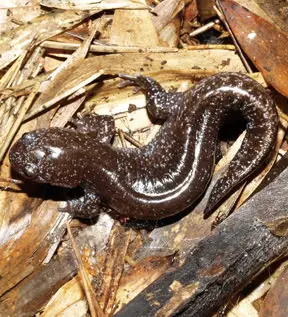
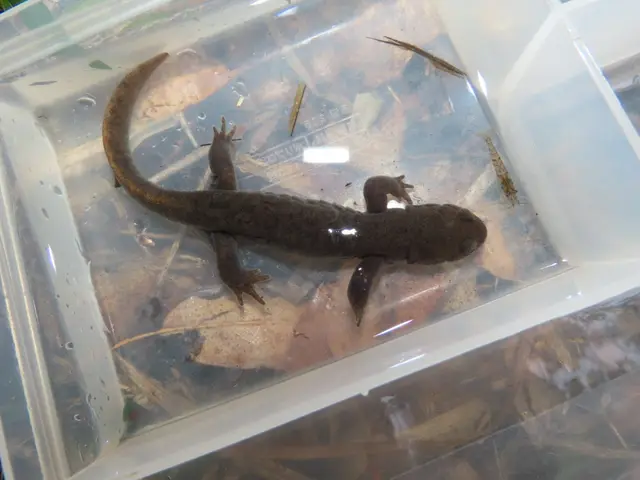
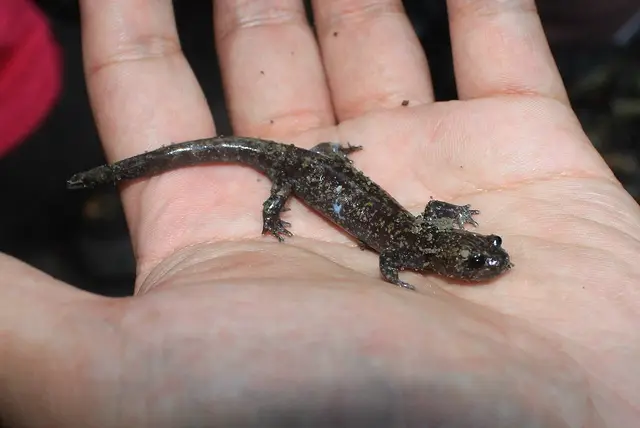
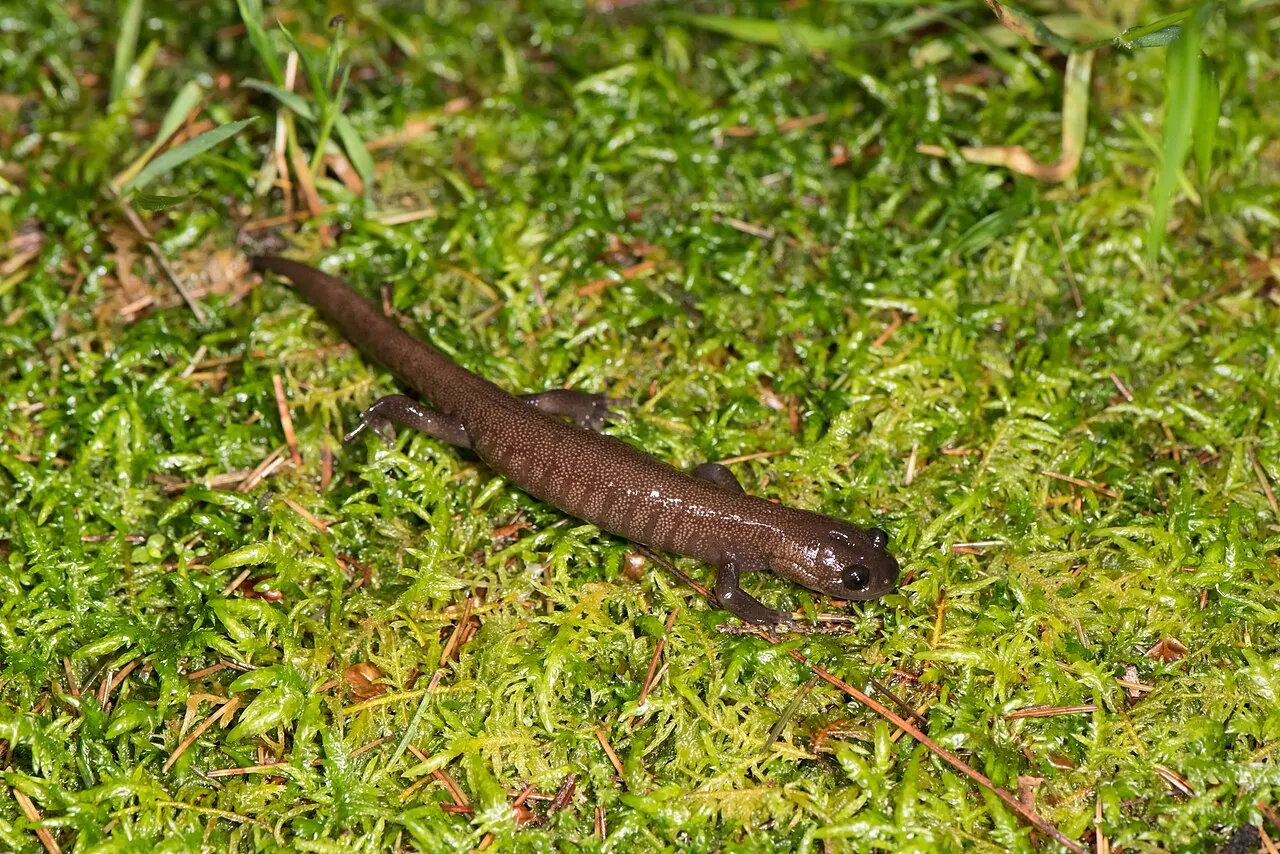
The Alishan salamander (Hynobius arisanensis) is a small, dark salamander found only in the mountains of Taiwan, mostly above 1,800 m. The IUCN Red List assessed it as Endangered in 2021 because it survives in few places and its habitat is shrinking, partly around tourism development.
How to recognise it
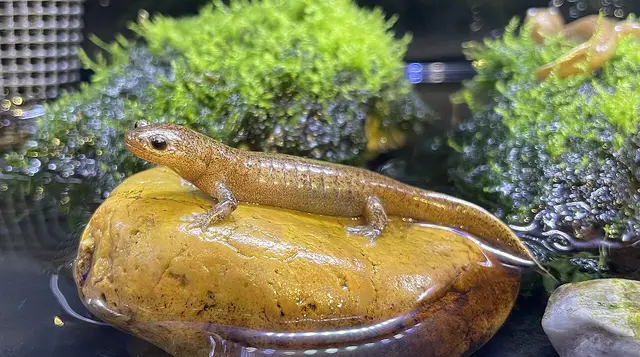
Adults are small, about 5 to 6.5 cm from snout to vent, not counting the tail. The back is blackish brown to reddish brown, and the underside is a little paler, brown or greyish brown. It usually hides during the day, so most people never see one.
Where it lives
This salamander is endemic to Taiwan. It is known from the Alishan Range, the Yushan Range and the southern part of the Central Mountain Range. It lives roughly between 1,800 and 3,650 m above sea level, in moist montane forest with permanent streams, and in bogs and marshy ground.
The IUCN counts three locations and puts its extent of occurrence at about 4,181 square kilometres.
Pins are Wikidata “endemic to” fields. Orange dots, when present, are GBIF occurrence tiles — survey bias included.
How it lives
It is thought to breed in streams, with the larvae growing up in the water. Little else about its breeding has been written down. A 2007 mark-and-recapture study in the Alishan Range by Lai and Lue found adult home ranges of up to 500 square metres, averaging about 65, and high yearly survival: 0.996 for adults and 0.977 for juveniles. It estimated the local population as stable or slightly growing.
Why it is in trouble
The IUCN lists tourism and recreation areas as the threat, with forest and wetland being converted or degraded around them. Its 2021 assessment gives the population trend as decreasing and records a continuing decline in the area it occupies. An earlier 2004 assessment rated it Vulnerable, so the category has worsened since.
What is being done
The IUCN records that the species occurs in at least one protected area, and reportedly these include Yushan National Park and the Tawushan Nature Preserve. The IUCN also lists education and awareness programmes as in place, along with habitat and site protection as conservation actions.
Sources
Written for this catalog in our own words from the sources below, checked against them on 12 November 2026. Population figures are estimates and carry the year they were made. Status and assessment year: IUCN. 2026. The IUCN Red List of Threatened Species. Version 2026-1. iucnredlist.org.