Endangered
Hynobius formosanus
Hynobius formosanus
Hynobius formosanus, the Taiwan salamander, is a stream-breeding salamander found only in the mountains of Taiwan. The IUCN Red List rated it Endangered in 2020. A 2021 study sorted out a long mix-up of names with a similar species, H. sonani, so older reports of both need careful reading.
How to recognise it
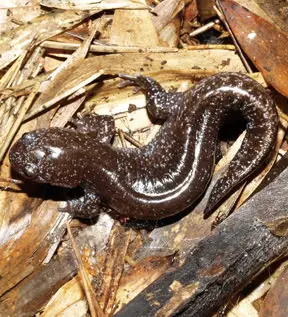
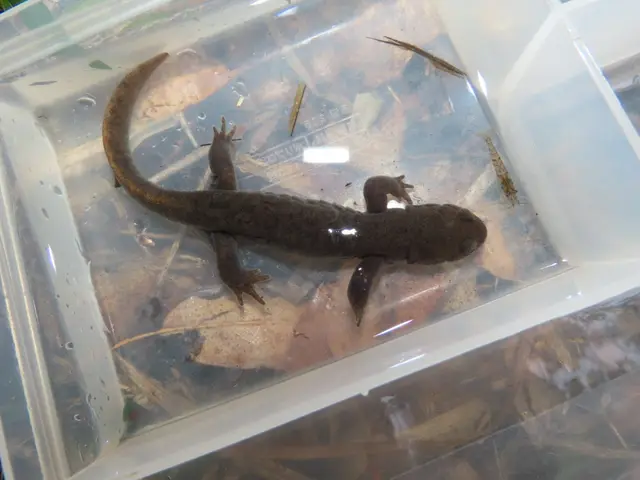
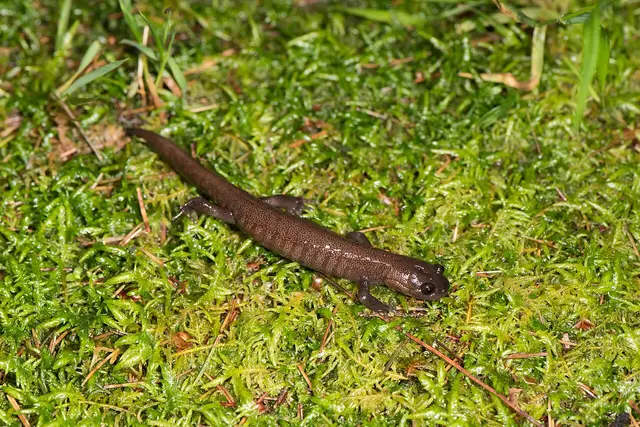
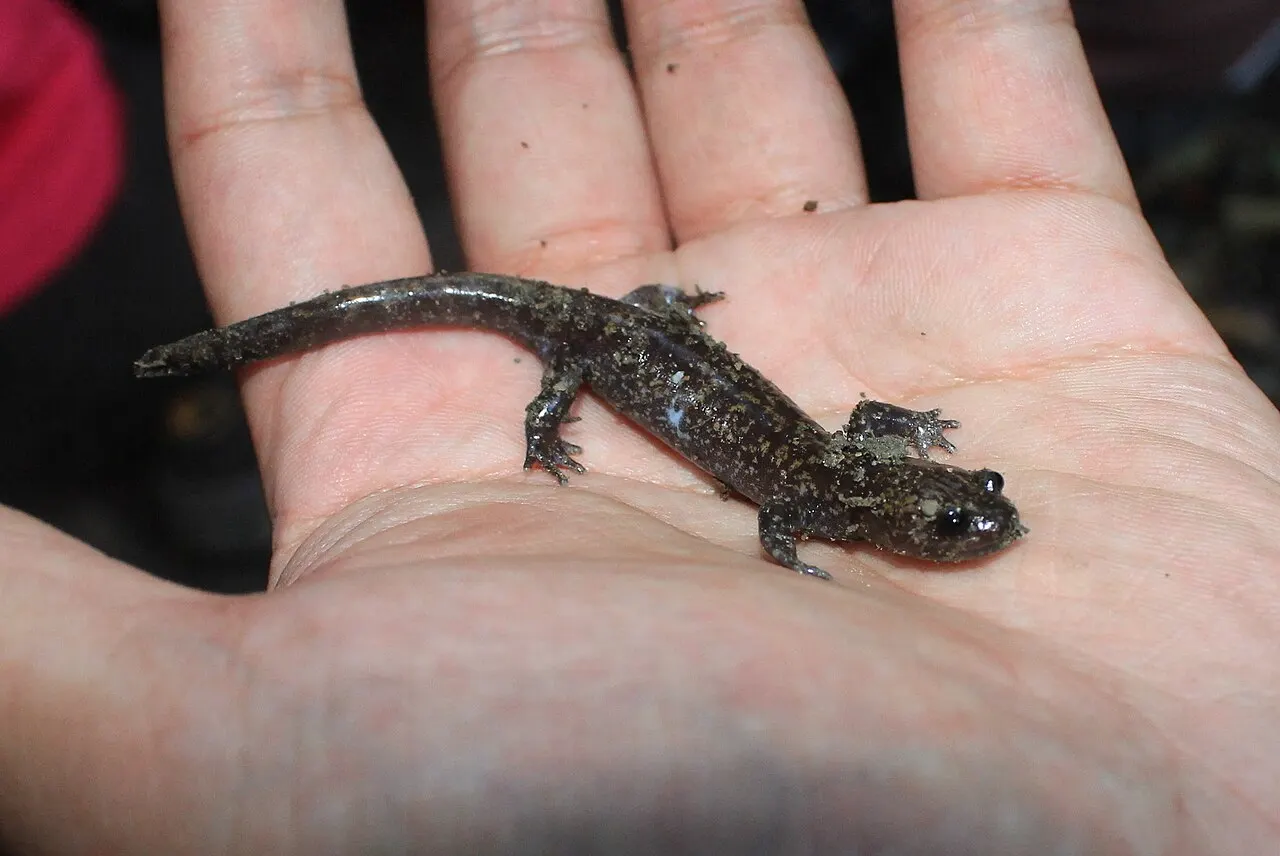
Adults are dark brown above with yellow to yellowish-brown spots, and they have long limbs and a long tail. In the 2021 neotype study, males averaged 56.8 mm and females 58.4 mm from snout to vent. Total length is reportedly 58 to 98 mm, though measurements from the years of confusion may include the other species.
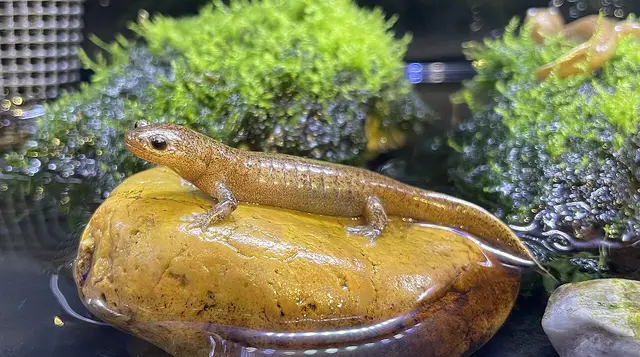
The closest lookalike is H. sonani, which has a smaller body, shorter limbs and smaller markings than H. formosanus. Hynobius glacialis, a third Taiwanese salamander, also has a smaller body and shorter limbs and tail.
A species with swapped names
Maki described the species in 1922 from material collected by J. Sonan in May 1919 at Oiwake, in what was then Taichu Prefecture, at about 7,000 feet (roughly 2,100 m). The original type specimens could not be found and are presumed lost. Early confusion over where specimens were collected led to the names H. formosanus and H. sonani being applied to each other's populations for decades.
In 2021 Nishikawa and colleagues published a paper in Zootaxa that clarified both names and designated a neotype for H. formosanus, a male collected at Tianchi in Nantou in 1995. Data published under either name before that paper, including parts of the 2020 IUCN assessment, may reflect both species.
Where it lives
It is endemic to Taiwan and lives in the high mountains. Habitat is reportedly open alpine ground to shaded, moist evergreen forest. The IUCN assessment lists temperate forest and permanent streams, and gives an extent of about 1,987 square kilometres across one to five locations. Given the name mix-up, those figures should be read as approximate.
Pins are Wikidata “endemic to” fields. Orange dots, when present, are GBIF occurrence tiles — survey bias included.
How it lives
This is a stream-breeding salamander, and its egg sacs are long and string-like. The IUCN does not class it as a migrant.
Why it is in trouble
The IUCN calls it Endangered under criterion B1ab(iii), meaning a small range, only a few locations and a declining habitat. It records a decreasing population. The listed threats are tourism and recreation areas and temperature extremes, which matter for an animal of cold mountain streams and forest.
What is being done
The species occurs in at least one protected area, and the IUCN records recent education and awareness programmes. Site and habitat protection are listed among the actions in place.
Sources
Written for this catalog in our own words from the sources below, checked against them on 12 November 2026. Population figures are estimates and carry the year they were made. Status and assessment year: IUCN. 2026. The IUCN Red List of Threatened Species. Version 2026-1. iucnredlist.org.
- IUCN Red List assessment, Hynobius formosanus (2020)
- Nishikawa et al. (2021), Zootaxa 4981: 188-196, treatment on Zenodo
- Wikipedia, Hynobius formosanus
- Wikipedia, Hynobius sonani
- Caudata Culture, Hynobius formosanus
- Taxonomic clarification and neotype designation of two Taiwanese salamanders (abstract, NTNU)