Endangered
Hynobius sonani
Hynobius sonani
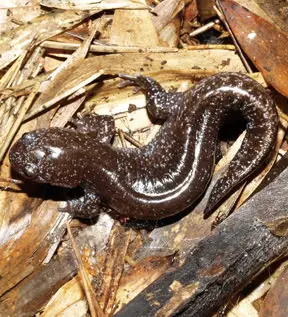
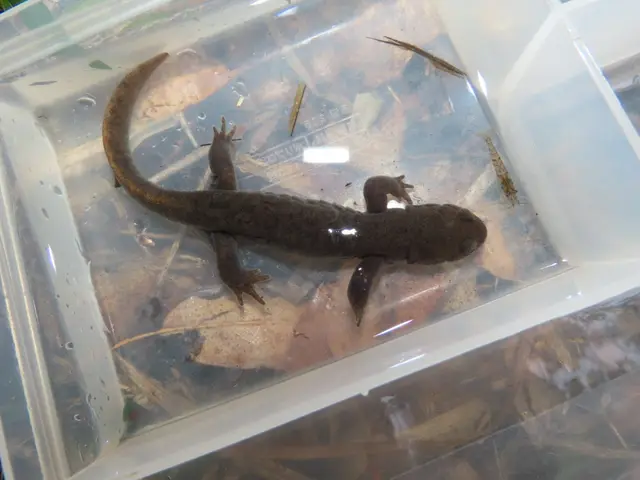
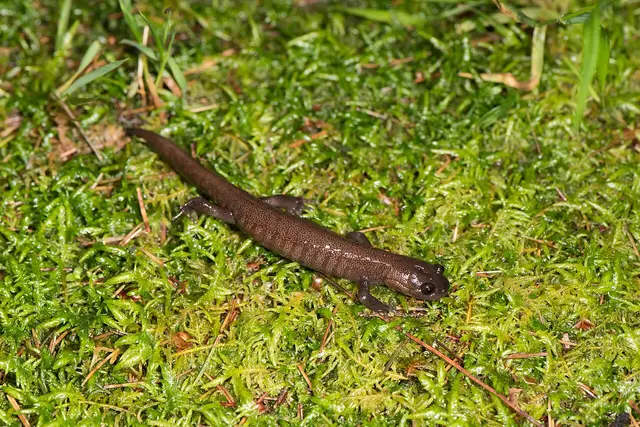
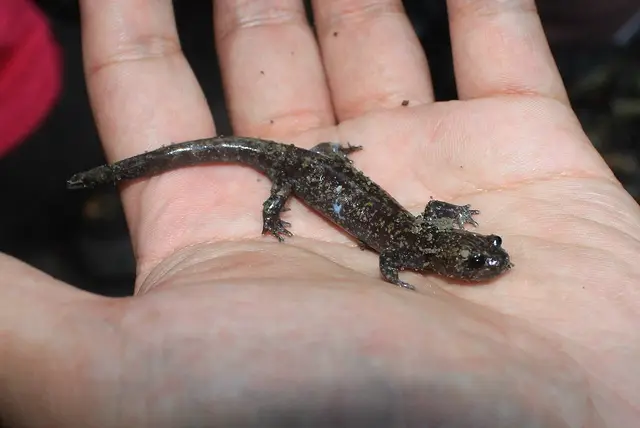
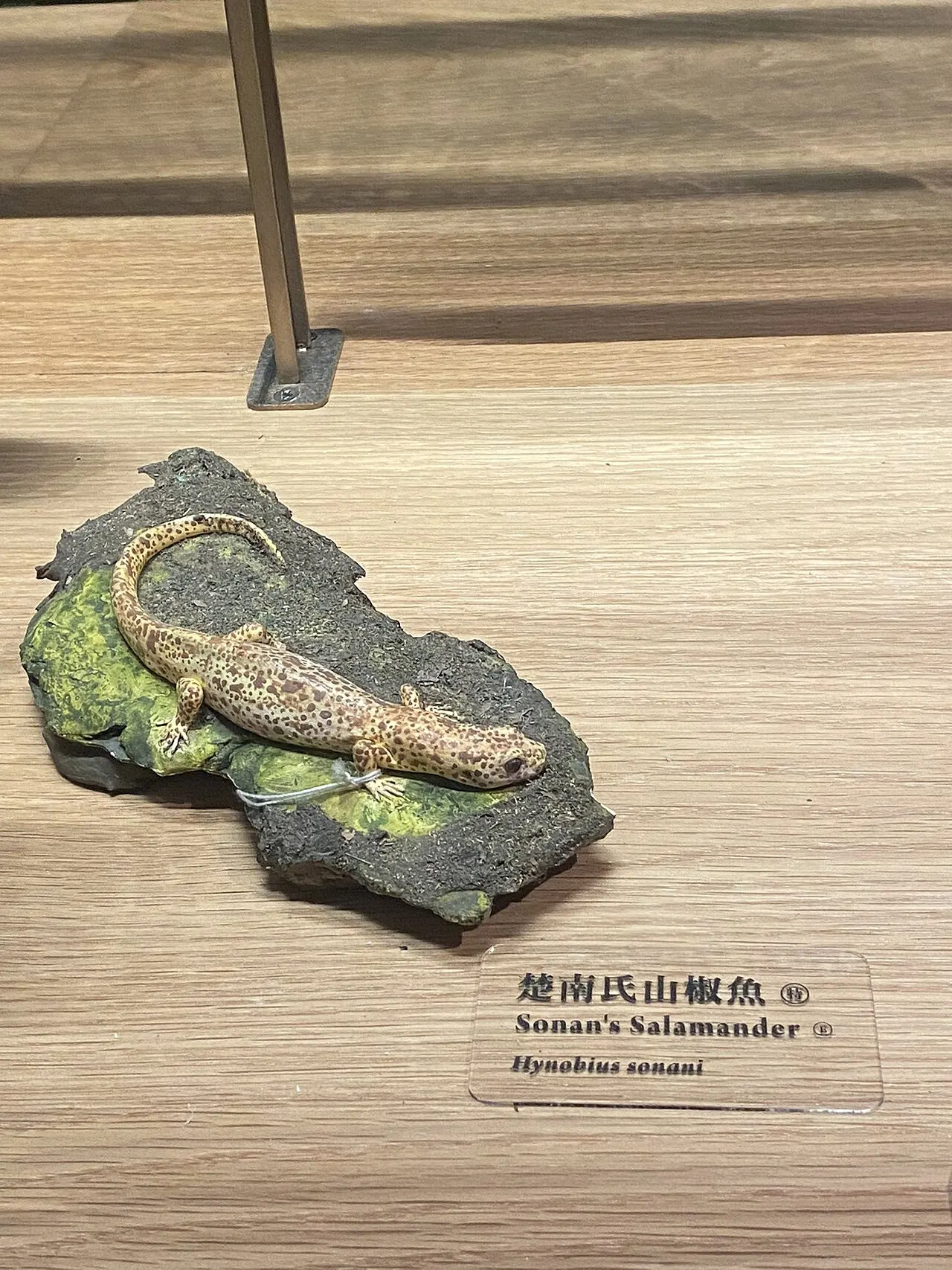
The Taichu salamander, Hynobius sonani, is a stream-breeding salamander found only in the high mountains of Taiwan. The IUCN Red List assessed it as Endangered in 2020. It lives in cold alpine and forest habitat, where tourism development is the main stated threat.
How to recognise it
This is a medium-sized Asian salamander in the family Hynobiidae. Adult males measure about 98 to 129 mm in total length and females about 90 to 105 mm. It is sometimes called Sonan's salamander, and it shares some of its habitat with a close relative, the Taiwan salamander (Hynobius formosanus).
Where it lives
The species is endemic to Taiwan and is known from the Central Mountain Range. Descriptions put it above about 2,750 m, while the IUCN gives an elevation band of roughly 2,100 to 3,000 m. Its extent of occurrence is about 3,120 square kilometres, split among 1 to 5 locations. It has been recorded in Taroko National Park.
Habitat runs from open alpine ground to shaded, moist evergreen forest. The IUCN lists temperate forest, permanent streams and freshwater springs. The salamander breeds in streams.
Pins are Wikidata “endemic to” fields. Orange dots, when present, are GBIF occurrence tiles — survey bias included.
Why it is in trouble
The IUCN records a continuing decline in the area the salamander occupies, though it does not class the population as severely fragmented (other accounts call its distribution very fragmented). The only threat listed is the development of tourism and recreation areas, which converts and degrades the mountain habitat. The IUCN lists its population trend as unknown, so how many animals remain is not known.
The category follows criterion B1ab(iii), meaning a small range, very few locations and a shrinking area of habitat. It was also rated Endangered in 2004. The IUCN notes education and awareness programmes covering the species and at least one protected area where it occurs.
A tangled history
Maki described the species in 1922 as Salamandrella sonani, and it was later placed in Hynobius. The original specimens for it and two other Taiwanese Hynobius species were lost in the 1923 Great Kantō earthquake. A 2006 study of salamander distribution in Taiwan still grouped it with the Taiwan salamander as a single complex, and reported that complex in the southwest of Taroko National Park and the centre of Yushan National Park. GBIF treats both as accepted, separate species.
Sources
Written for this catalog in our own words from the sources below, checked against them on 12 November 2026. Population figures are estimates and carry the year they were made. Status and assessment year: IUCN. 2026. The IUCN Red List of Threatened Species. Version 2026-1. iucnredlist.org.