Réunion
12 catalog pins
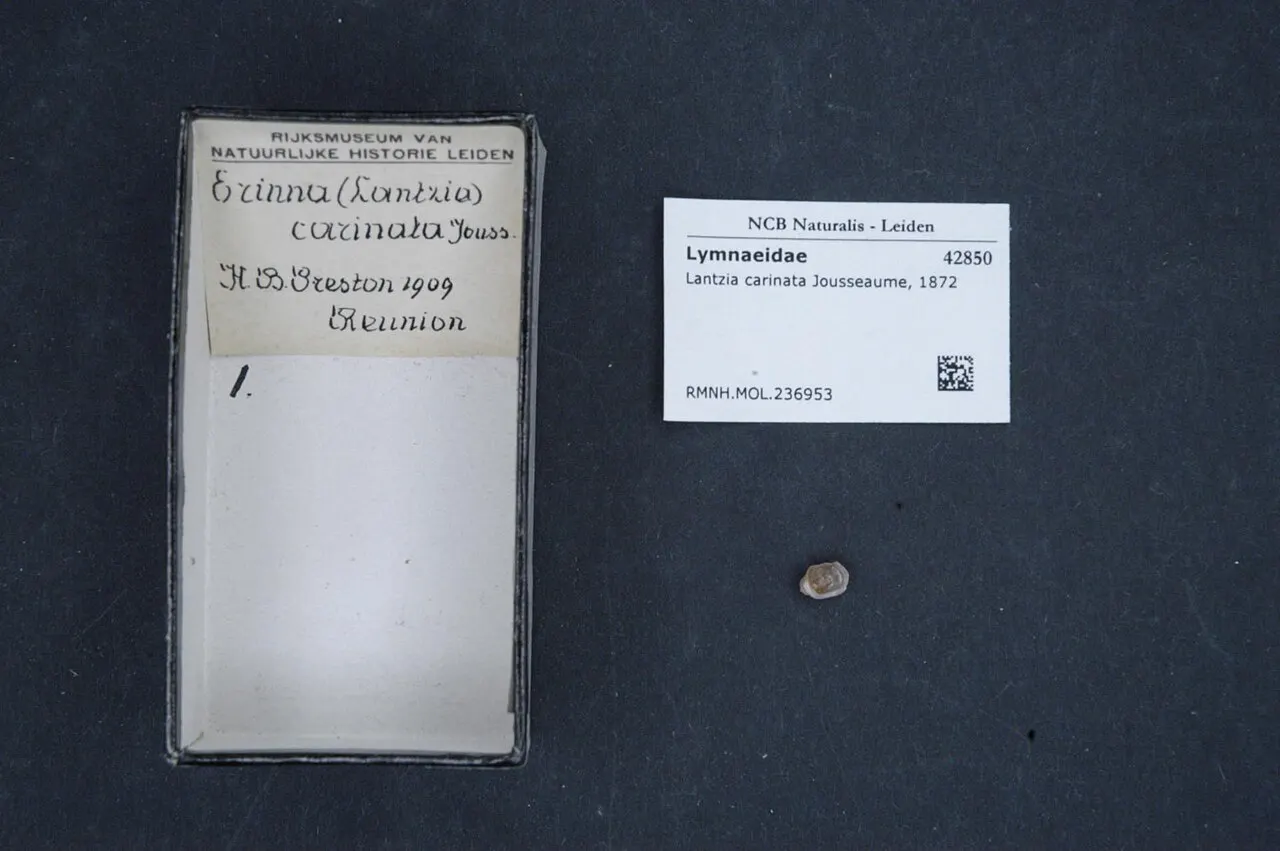
12 animals in this catalog carry a structured country pin for Réunion. That is a filing fact, not a claim that the crisis is only here.
The photograph is one of those animals: Lantzia. Open a dossier for the text, the status, and the map. Use the world map to jump to another country. Confirm official distributions on the Red List.
Réunion is a French overseas department in the Indian Ocean, so this section covers the island and not mainland France. It is a volcanic island of about 2,512 square kilometres, 63 kilometres long and 45 wide, built over the same hotspot that formed Mauritius and Rodrigues.
The island rises to Piton des Neiges at about 3,070 metres, with three calderas (Salazie, Cilaos and Mafate) and the active volcano Piton de la Fournaise. Of 850 known native plant species, 230 are endemic, and about half of those endemics are endangered.
Where the pressure comes from
Introduced species are the central problem. About 830 exotic plants have become naturalised on the island and 50 are considered invasive, threatening native flora and habitat. Introduced cats and rats are a major threat to birds.
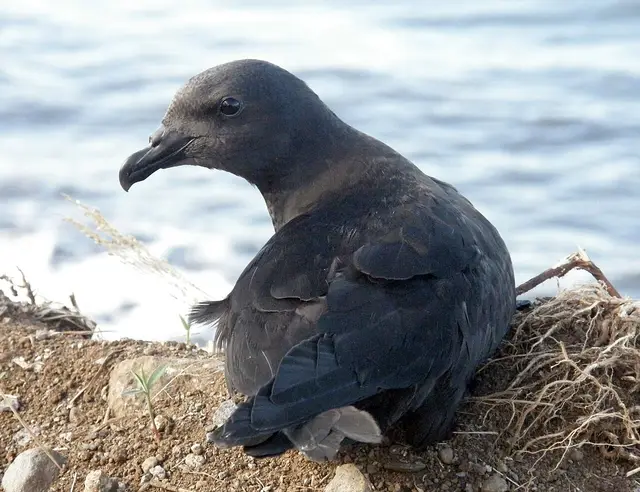
Seabirds face a second problem, light. Barau's petrel nests in burrows far inland at high elevations, and fledglings leaving the colonies are drawn off course by streetlights and sports floodlights, which they mistake for bioluminescent squid. One source estimates that as much as 40% of each breeding season's fledglings get confused this way. Feral cats threaten chicks and adults. The Mascarene petrel breeds in very small numbers in the Grand Bassin to Le Dimitile area, and 58 birds were found between 1996 and 2021 through public awareness campaigns.
What is being done
Réunion National Park was established by decree on 5 March 2007. Its core covers 1,053.84 square kilometres, about 42% of the island, and the wider park covers more than 75%. In 2010 the Pitons, cirques and remparts of Reunion Island were added to the World Heritage list.
For Barau's petrel, a rescue programme thought to save most of the lost chicks relies on residents catching grounded fledglings and releasing them at sea. Researchers have also used acoustic surveys to locate Mascarene petrel breeding colonies.
Reading the catalog for Réunion
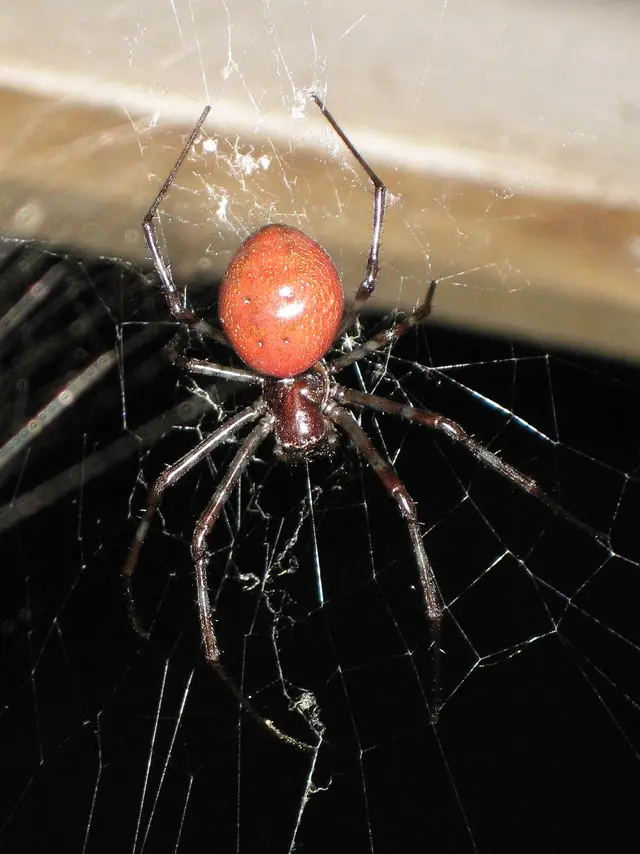
Twelve animals are pinned: three Critically Endangered and nine Endangered. Corals are the largest group in the catalog's list with four Montipora species, followed by three snails and three birds, plus a gecko and a spider.
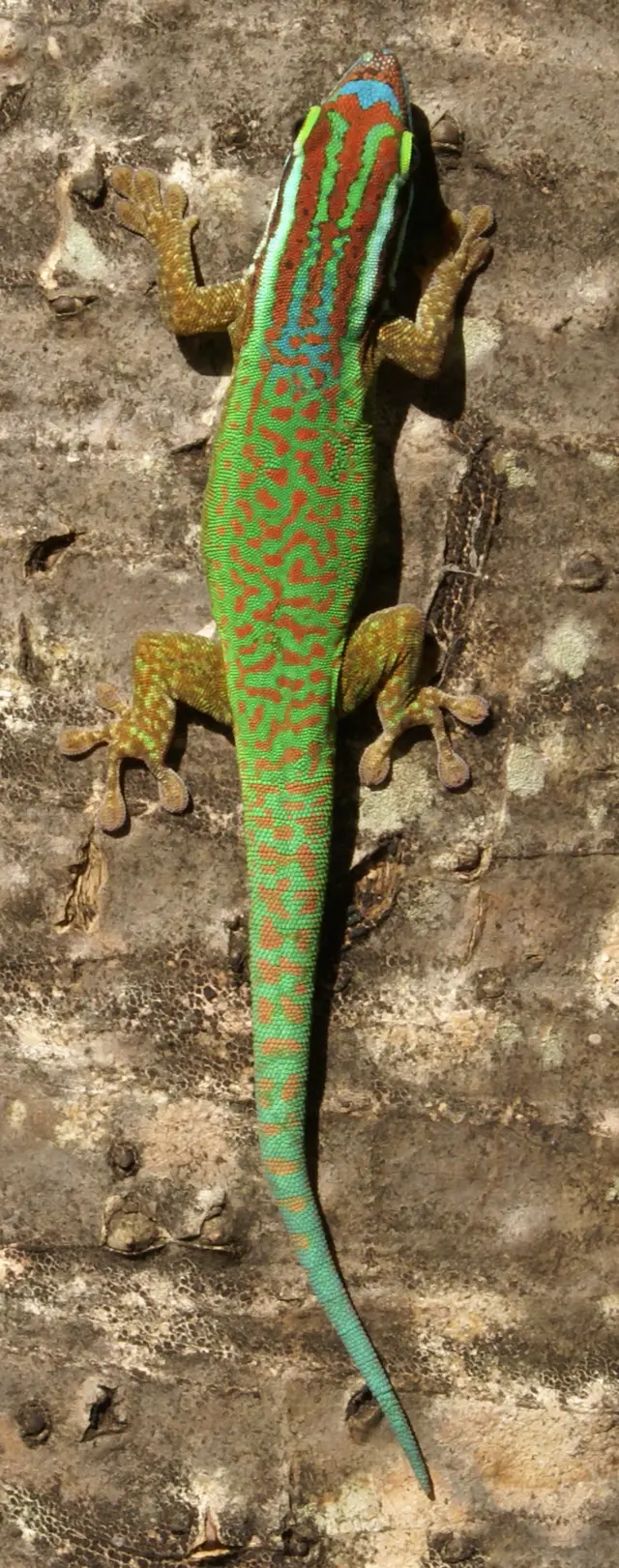
Named animals include the Mascarene Petrel, Barau's Petrel, the Réunion Harrier and the Réunion Island ornate day gecko.
Sources for this section
- Wikipedia, Réunion National Park: 2007 decree, area, 42% and 75%, UNESCO 2010, 230 of 850 plants endemic, 830 exotic plants and 50 invasive, cats and rats
- Wikipedia, Réunion: island size, hotspot origin, peaks, calderas, French overseas department
- Wikipedia, Mascarene petrel: 58 birds found 1996 to 2021, breeding area, cats and light, acoustic surveys
- Wikipedia, Barau's petrel: inland high-elevation burrows, light disorientation, 40% estimate, rescue releases
What the catalog records for Réunion
The catalog has 12 animals with a country pin for Réunion: 3 Critically Endangered and 9 Endangered. By GBIF class the largest groups are Anthozoa (4), Gastropoda (3), Aves (3), Squamata (1). The families with the most records are Acroporidae (4), Procellariidae (2), Lymnaeidae (1). A pin means a structured source (Wikidata or a GBIF match) places the animal in Réunion; it does not say the animal lives only there.
 CR
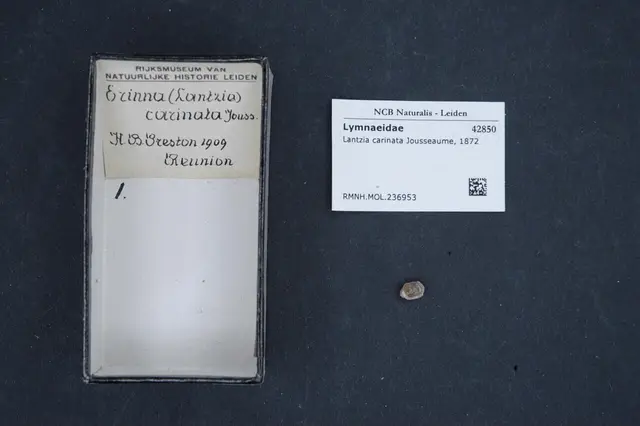
Lantzia
 CR
Mascarene Petrel
 CR
Réunion Island ornate day gecko
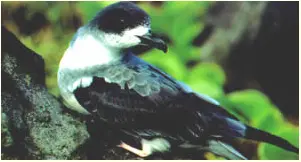 EN
Barau's Petrel
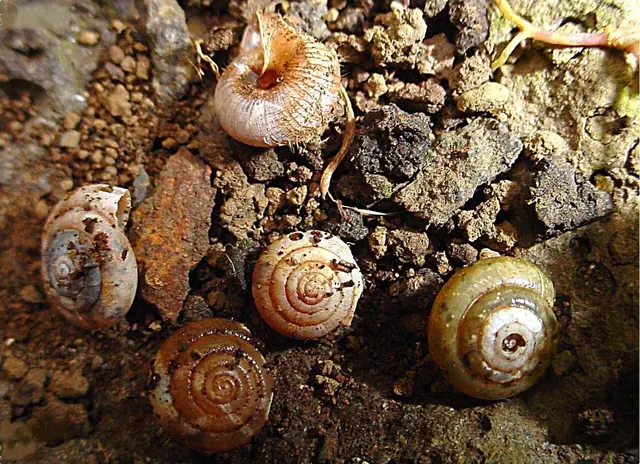 EN
Ctenophila setiliris
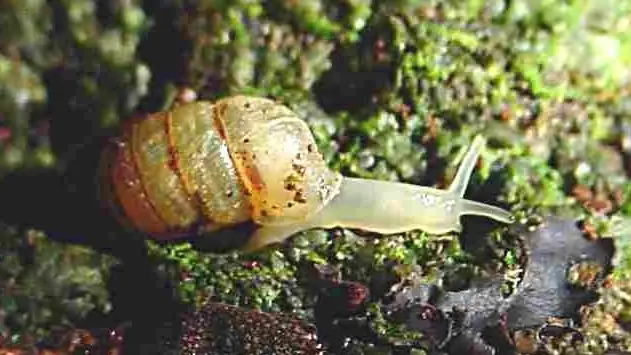 EN
Gonospira uvula
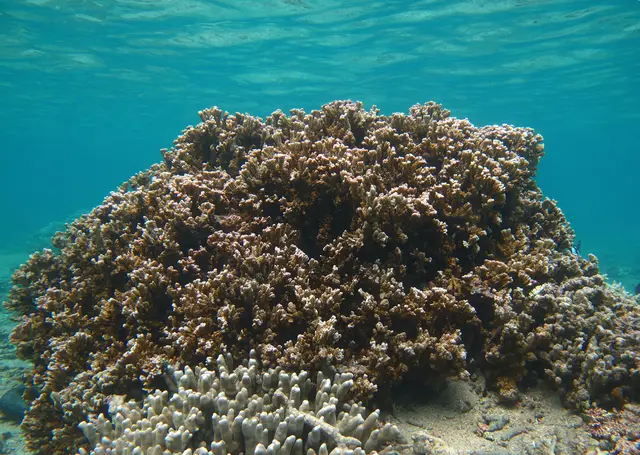 EN
Montipora circumvallata
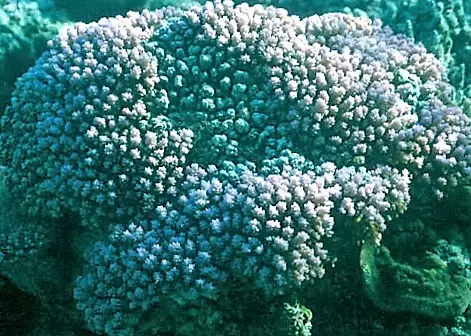 EN
Montipora informis
 EN
Montipora spumosa
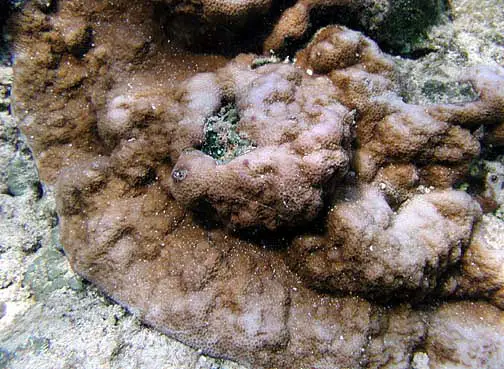 EN
Montipora venosa
 EN
Reunion Hermit Spider
 EN
Réunion Harrier
Total pins: 12.
Quick answers
- Do all these animals live only in Réunion?
- No. A pin means a Wikidata place field resolved here. Official ranges can be wider.
- Is this a government list?
- No. It is a slice of this catalog.