Philippines
20 catalog pins
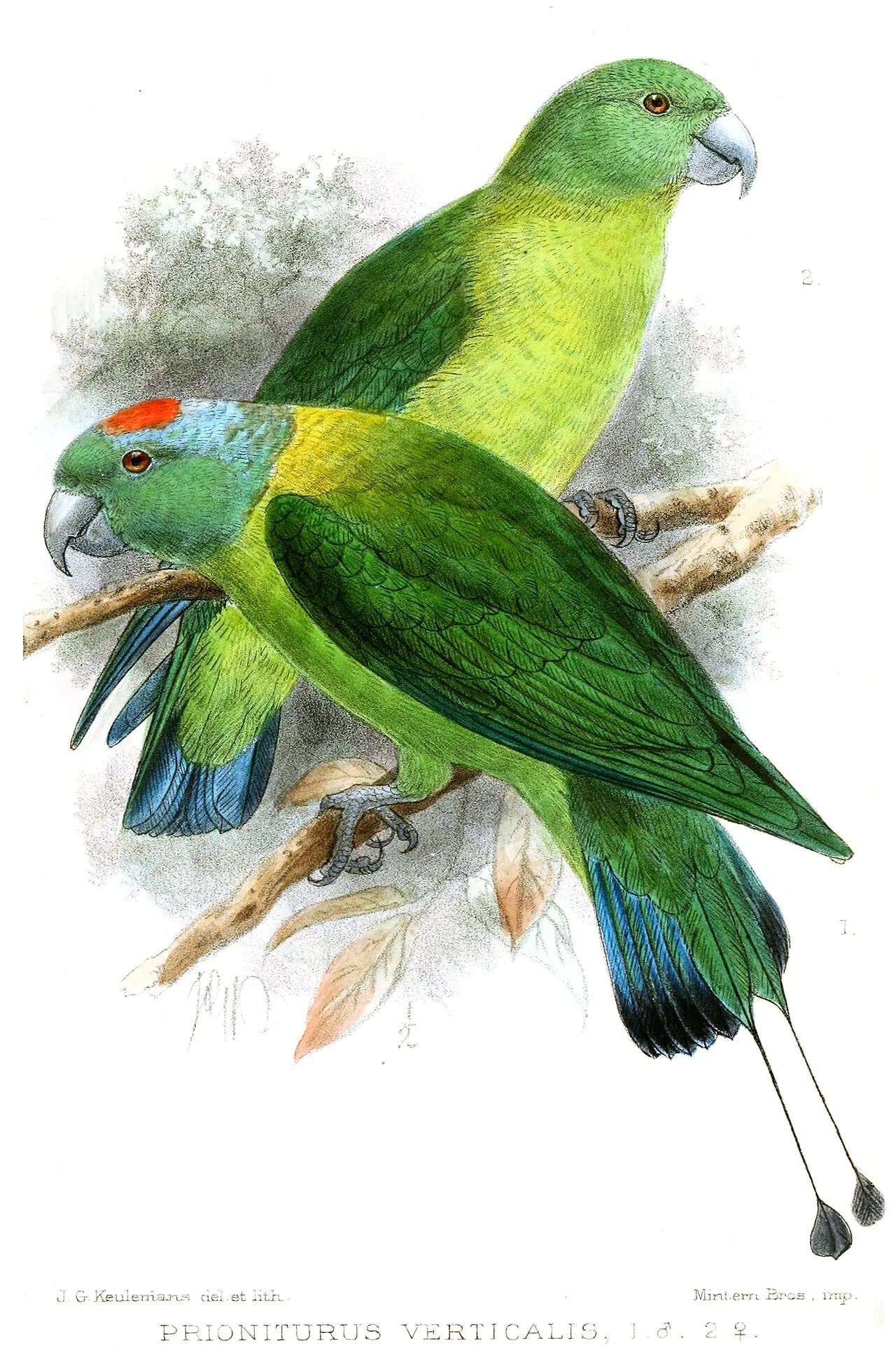
20 animals in this catalog carry a structured country pin for Philippines. That is a filing fact, not a claim that the crisis is only here.
The photograph is one of those animals: Blue-winged Racket-tail. Open a dossier for the text, the status, and the map. Use the world map to jump to another country. Confirm official distributions on the Red List.
The Philippines is an archipelago of 7,107 islands (no year given in the source), lying inside the Coral Triangle. It is one of 18 mega-biodiverse countries in its draft profile for the Convention on Biological Diversity, which also ranks it fourth for bird endemism.
A Wikipedia summary reports 243 endemic bird species out of 714, about 80 percent of more than 111 amphibians, and about 70 percent of 270 reptiles (undated). Forest covers about 7.2 million hectares, around 24 percent of the land, according to the profile.
Where the pressure comes from
The CBD profile names commercial exploitation, population growth and invasive species as pressures on forests, and says the country lost about 2.1 percent of its forest cover a year between 2000 and 2005. On Mindoro, only about 120 square kilometres of forest remained by 1988, and a quarter of it had a closed canopy. That matters for the Mindoro bleeding-heart, which has an estimated 50 to 249 mature individuals (2016 assessment) and suffers from logging, dynamite blasting for marble, slash-and-burn farming and snares set for other animals. A camera trap in 2026 gave its first confirmed sighting since 2005.
For the red-vented cockatoo, trapping for the cage-bird trade has driven the decline, with logging, farmland conversion and mining behind it. Its estimate is 430 to 750 mature individuals. Introduced tilapia are blamed for the likely loss of most of Lake Lanao's endemic fish. On reefs, a 2012 State of the Coral Triangle report said blast fishing had halved over ten years, but overfishing remained a major threat and sedimentation and pollution were growing.
What is being done
The 1992 NIPAS Act set up the national protected-area system. As of 2020 it covered 244 areas and about 7.76 million hectares, or 15.4 percent of the country, with about 4.62 million hectares on land and 3.14 million at sea.
The Katala Foundation has run the Philippine Cockatoo Conservation Programme since 1998. Birds at key sites rose from 23 in 1998 to 260 to 340 by the end of 2015, though the overall population is still thought to be falling. The Haribon Foundation works with local government and communities to plant native trees and press for laws against deforestation.
Reading the catalog for the Philippines
The catalog's list for the Philippines has 20 animals. Corals (Anthozoa, 9) are the largest group, followed by birds (6), snails (2), one insect and one mammal. Birds in the list include the Mindoro bleeding-heart, the Negros fruit dove and the red-vented cockatoo. A few records in the list belong to other regions, so a pin is not proof that a species lives in the country.
Sources for this section
- CBD country profile, Philippines: megadiversity, forest, threats, key biodiversity areas
- Wikipedia, Wildlife of the Philippines: islands, endemism, Lake Lanao
- Wikipedia, Mindoro bleeding-heart: population, threats, 2026 record, Haribon
- Wikipedia, Philippine cockatoo: population, trapping, Katala programme
- Wikipedia, Protected areas of the Philippines: NIPAS, 244 areas in 2020
- GMA News, State of the Coral Triangle report (2012): blast fishing halved, overfishing, pollution
What the catalog records for Philippines
The catalog has 20 animals with a country pin for Philippines: 5 Critically Endangered and 15 Endangered. By GBIF class the largest groups are Anthozoa (9), Aves (6), Gastropoda (2), Insecta (1). The families with the most records are Acroporidae (4), Psittacidae (3), Merulinidae (3). A pin means a structured source (Wikidata or a GBIF match) places the animal in Philippines; it does not say the animal lives only there.
 CR
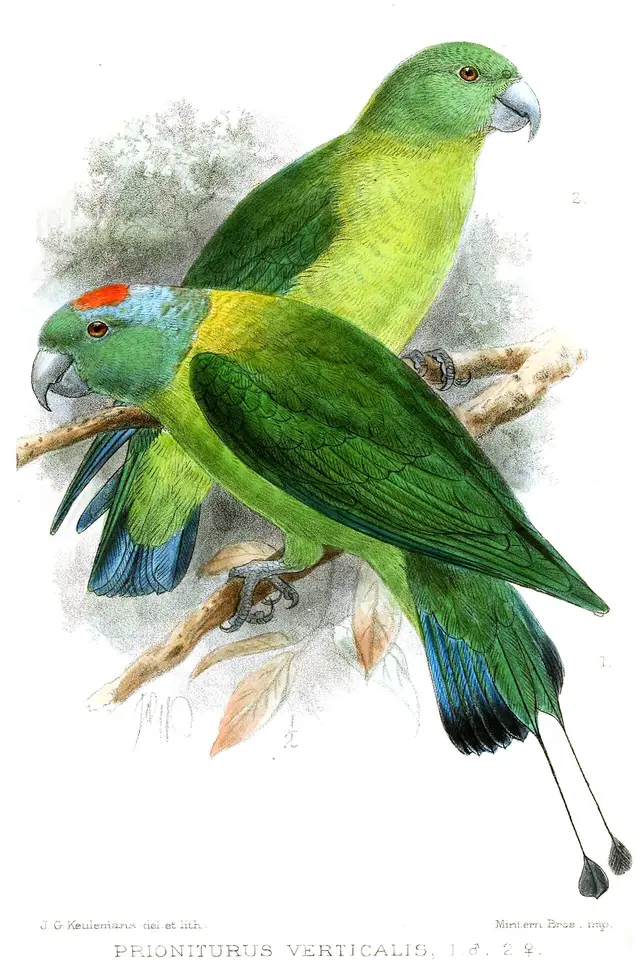
Blue-winged Racket-tail
 CR
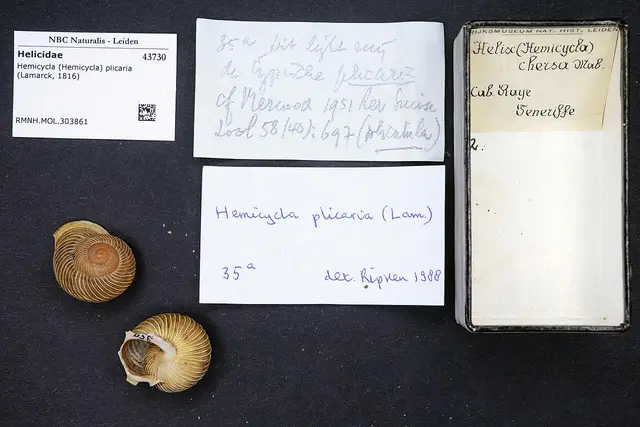
Hemicycla plicaria
 CR
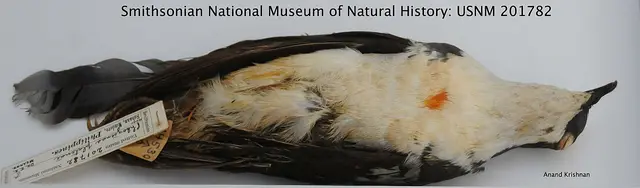
Mindoro Bleeding-heart
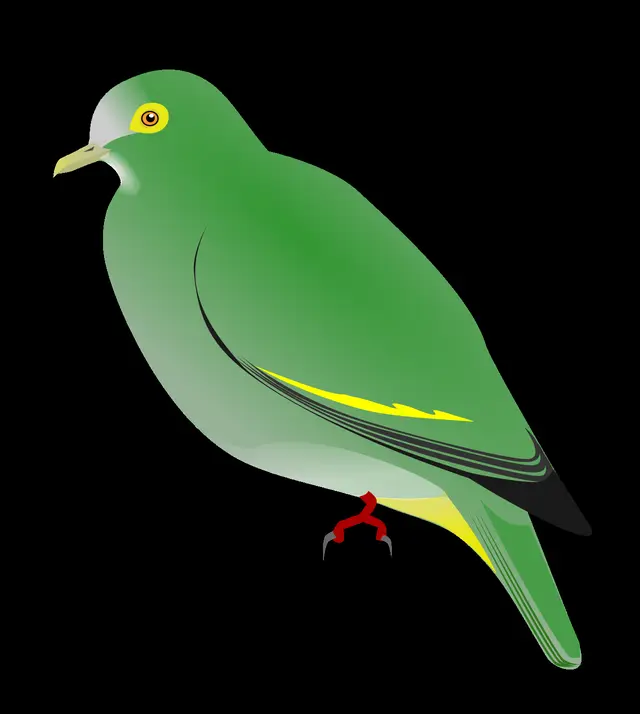 CR
Negros Fruit Dove
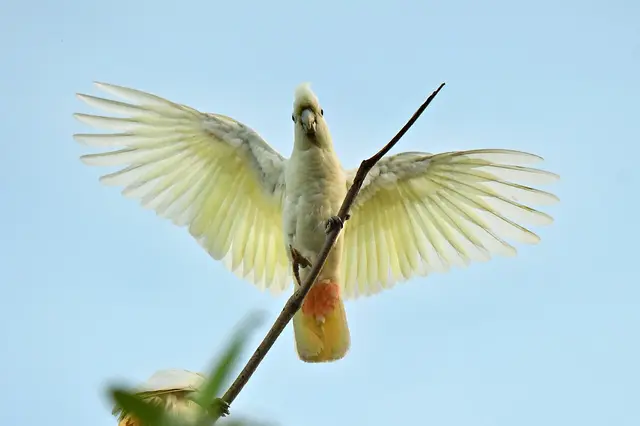 CR
Red-vented Cockatoo
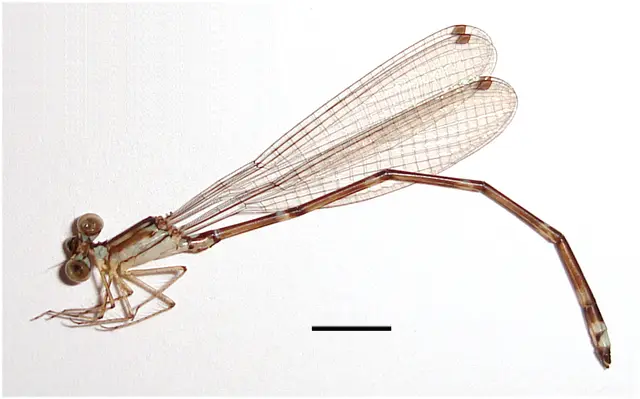 EN
Asthenocnemis linnaei
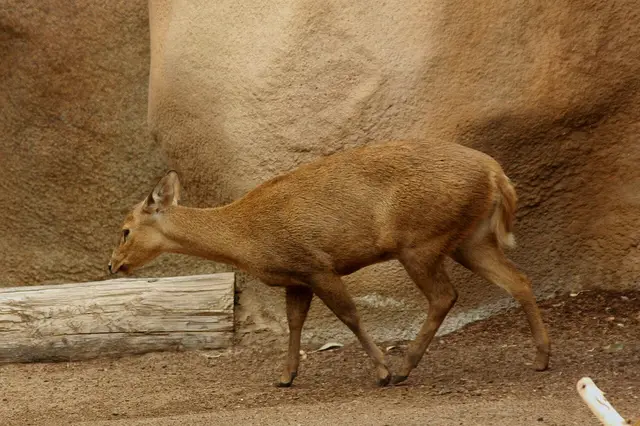 EN
Calamian deer
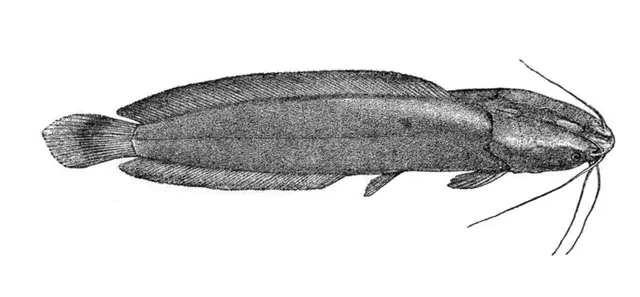 EN
Wagur
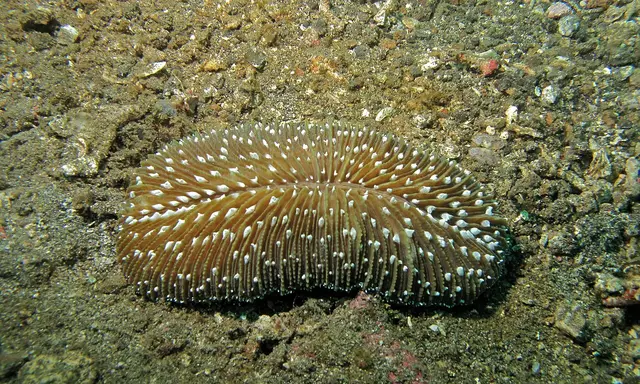 EN
Ctenactis albitentaculata
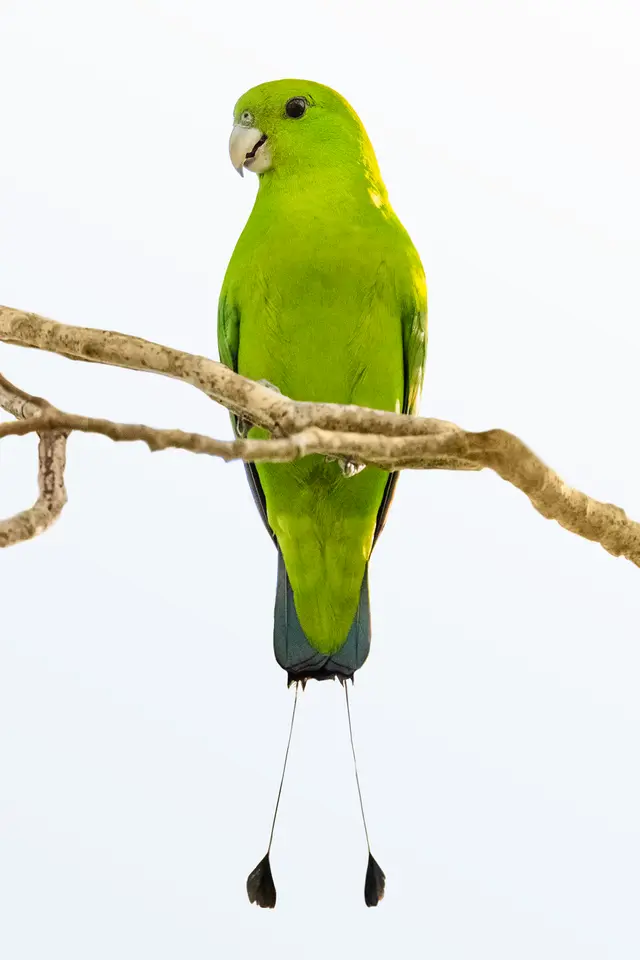 EN
Green Racket-tail
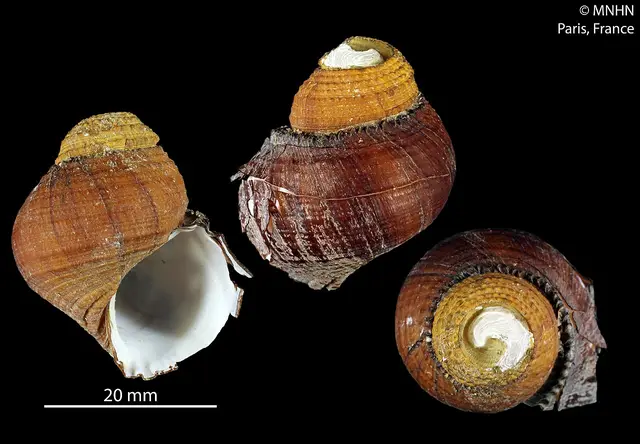 EN
Alviniconcha
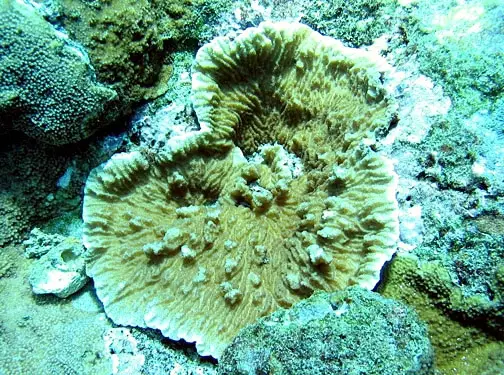 EN
Crispy crust coral
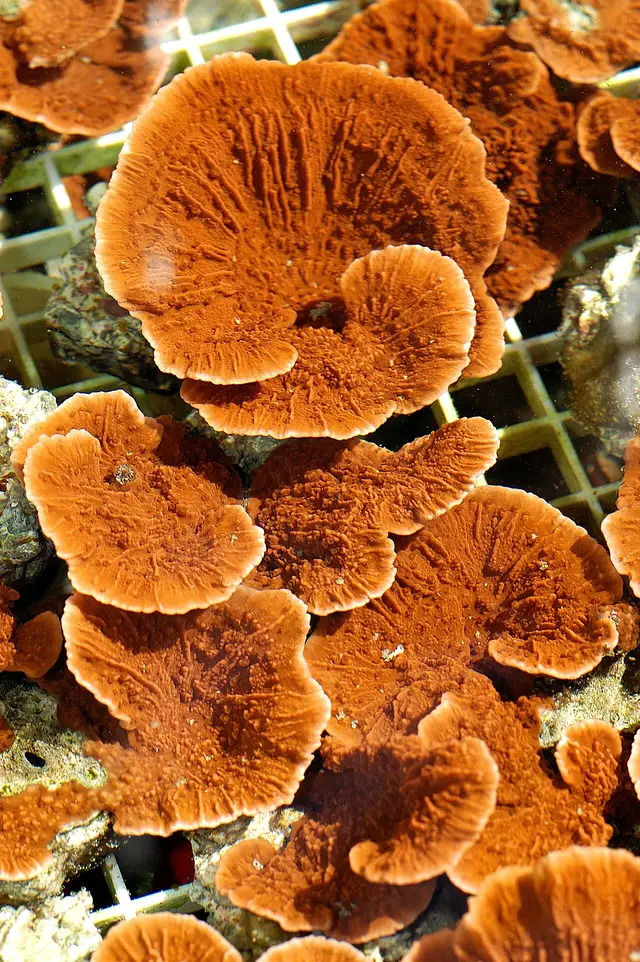
 EN
Montipora altasepta
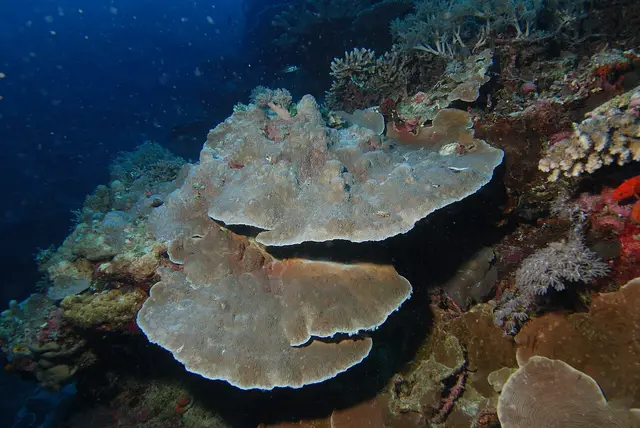
 EN
Montipora florida
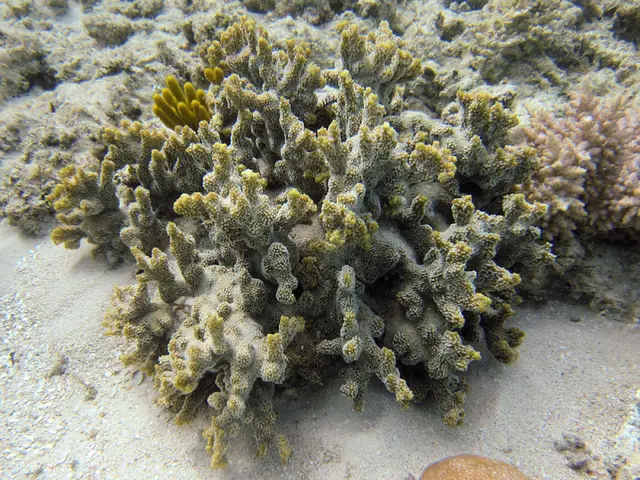
 EN
Montipora foliosa
 EN
Montipora hispida
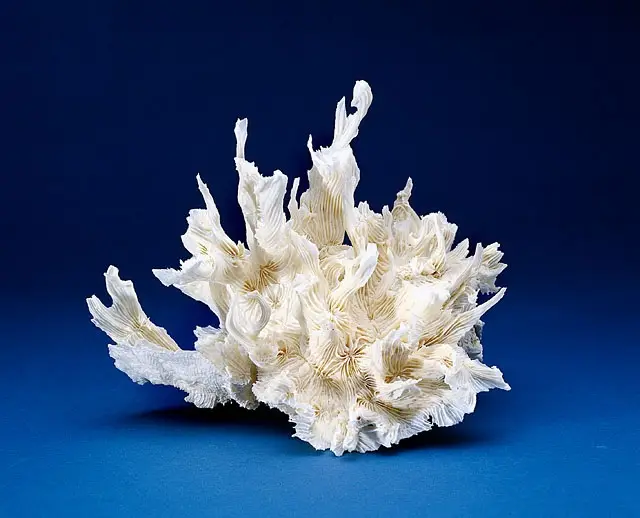 EN
Pectinia alcicornis
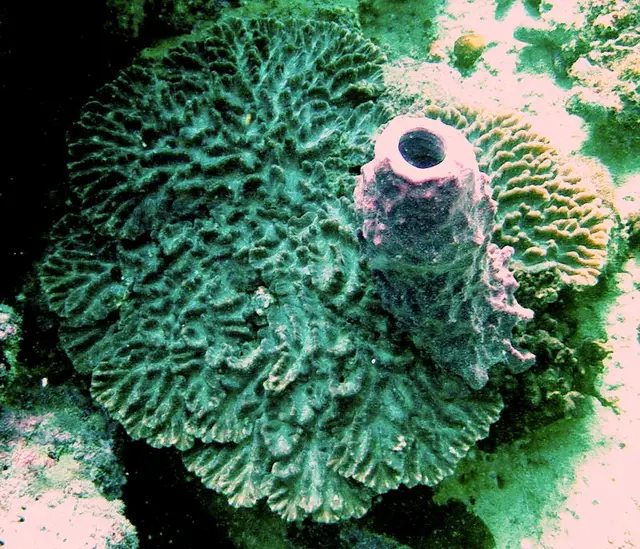 EN
Pectinia lactuca
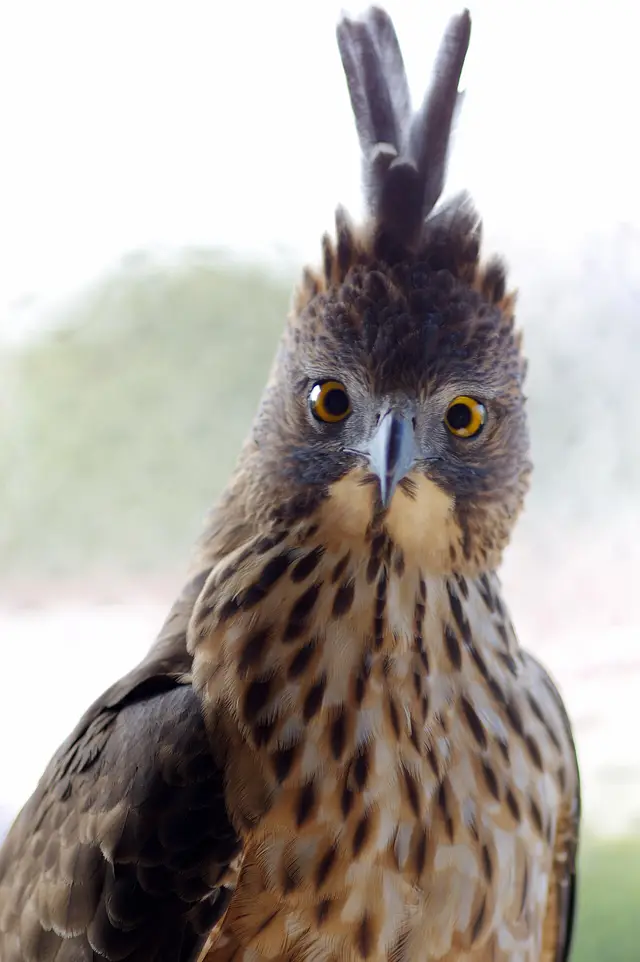 EN
Pinsker's Hawk-Eagle
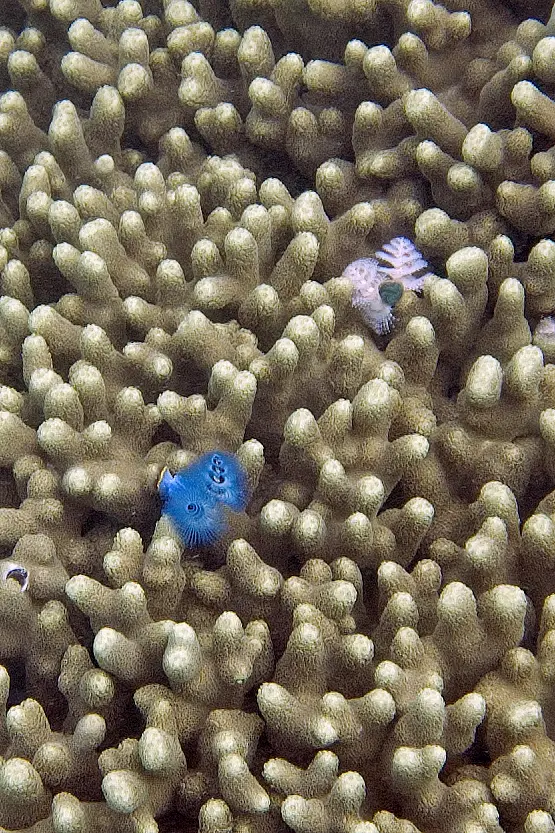 EN
Porites attenuata
Total pins: 21.
Quick answers
- Do all these animals live only in Philippines?
- No. A pin means a Wikidata place field resolved here. Official ranges can be wider.
- Is this a government list?
- No. It is a slice of this catalog.