Endangered
Calamian deer
Axis calamianensis
The Calamian deer is a small, stocky deer found only on a few islands at the northern tip of Palawan in the Philippines. The IUCN Red List last assessed it in 2015 as Endangered, with a falling population, scattered groups and hunting as the leading cause of decline.
How to recognise it
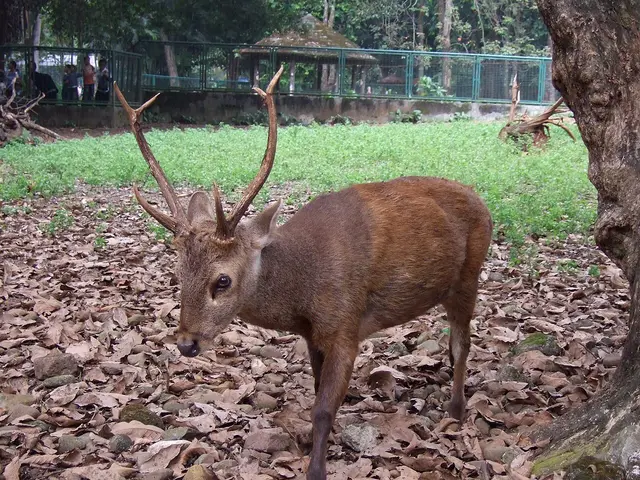
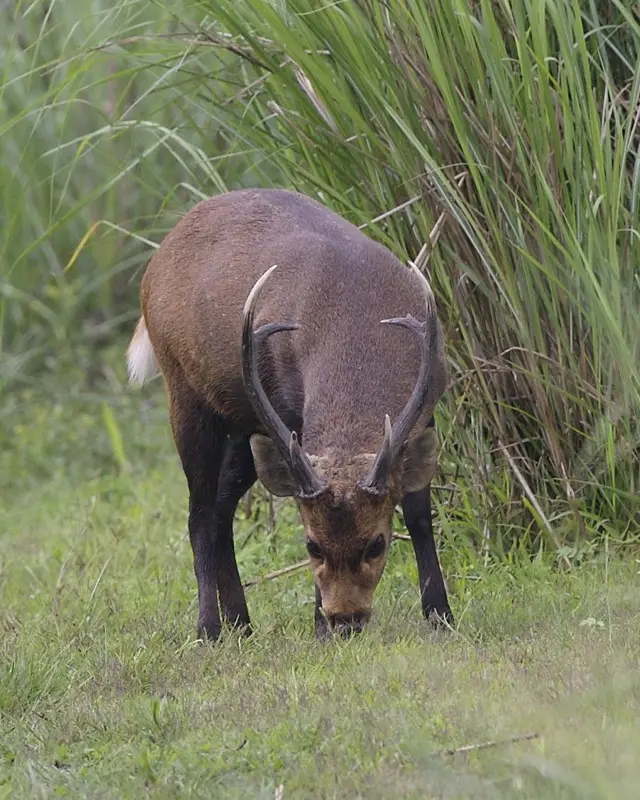
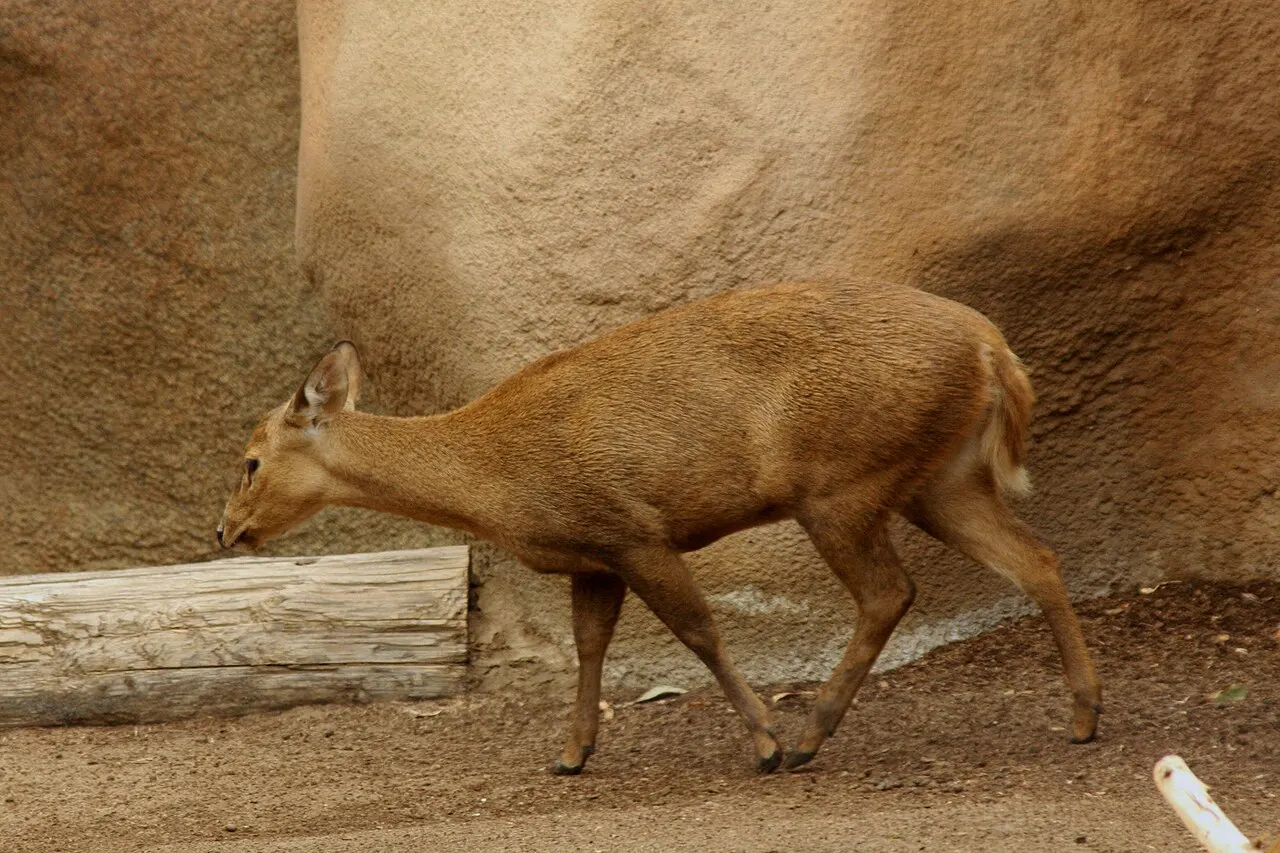
This is a compact, heavy-set deer. Males stand roughly 60 to 71 cm at the shoulder depending on the source, and weigh about 36 to 50 kg. Males carry antlers with three tines. Fawns are not spotted at birth, a point that separates the species from the Indian hog deer.
The common name Calamian hog deer comes from how it flees. Rather than leaping over obstacles, it ducks its head and pushes through undergrowth, much as a wild pig does.
Where it lives
It is native only to the Calamian Islands, in Palawan province. The range covers Culion and Busuanga, and the deer also lives on Calauit. Fossil evidence reported by the Katala Foundation shows it once roamed mainland Palawan and died out there around the end of the last ice age. It is one of three deer native to the Philippines.
The IUCN counts 5 locations and describes the population as severely fragmented. The animal favours grassland, open forest and forest edges, including seasonally wet grassland, moist lowland forest, mangrove forest above the high-tide line and moist savanna.
Pins are Wikidata “endemic to” fields. Orange dots, when present, are GBIF occurrence tiles — survey bias included.
How it lives
The deer is most active at dawn and dusk and rests in the heat of the day, though it may turn nocturnal in summer or when people disturb it. It is mostly solitary but can form small herds where it is left alone.
It mainly grazes, browses occasionally and picks up fallen flowers and fruit from forest trees. Gestation lasts about 8 months, with births in April and May.
Why it is in trouble
Hunting for food is the major cause of decline. The IUCN lists intentional use, housing and urban growth and small-holder farming as threats, and records ecosystem conversion, degradation and direct mortality as the effects. A 1940s account described the deer in surprisingly large numbers on Busuanga and Culion, but by the 1970s local populations were dangerously low. A 1976 estimate put the wild population at no more than 900 animals, probably about half that.
Calauit Island has been the stronghold. African ungulates were brought there in the 1970s, and the native deer did well as a side effect of protecting them. In recent years the island's original residents returned along with others, habitat conversion and poaching increased, and deer numbers there fell dramatically. The Katala Foundation says its population and occupancy surveys on Busuanga and Culion show a similarly dire situation.
What is being done
The species is on Appendix I of CITES. The IUCN notes actions including site protection, harvest management, education and captive breeding. The Katala Foundation, which works with Palawan wildlife, runs surveys on Busuanga and Culion and has set up a breeding facility for the deer at the Katala Institute in Narra, Palawan. A breeding group is seen as a precondition for any later reintroduction to the main island.
Sources
Written for this catalog in our own words from the sources below, checked against them on 12 November 2026. Population figures are estimates and carry the year they were made. Status and assessment year: IUCN. 2026. The IUCN Red List of Threatened Species. Version 2026-1. iucnredlist.org.