Chile
16 catalog pins
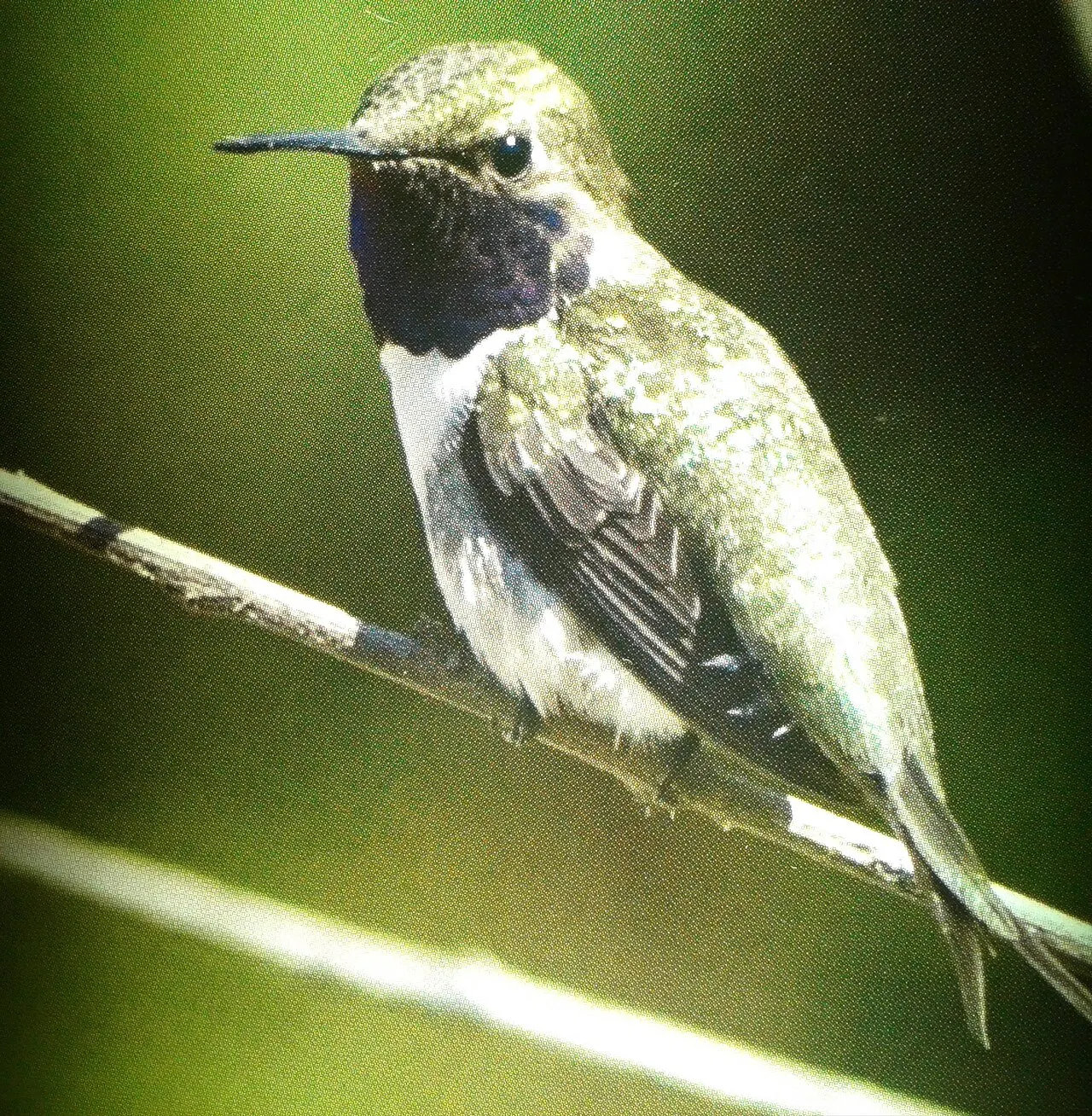
16 animals in this catalog carry a structured country pin for Chile. That is a filing fact, not a claim that the crisis is only here.
The photograph is one of those animals: Chilean woodstar. Open a dossier for the text, the status, and the map. Use the world map to jump to another country. Confirm official distributions on the Red List.
Chile is a long, narrow country on South America's Pacific edge, with a coastline of 6,435 km. It runs from the Atacama Desert, described as the most arid desert in the world, down to cold, wet forests in the south. Its territory also includes the Juan Fernandez archipelago, about 670 km out in the Pacific.
The Convention on Biological Diversity (CBD) country profile gives Chile around 30,000 species, about 25% of them endemic. It treats the central and southern zones as a global biodiversity hotspot, and the Juan Fernandez archipelago as a hotspot of its own. Animals with small ranges in those places are the ones likely to be at risk.
Where the pressure comes from
The CBD profile lists land-use change from forestry and agriculture, urbanization, invasive alien species, forest fires, climate change, and water extraction for mining and agriculture in the north. It singles out amphibians as the most threatened group, followed by mammals and reptiles. A general wildlife overview adds hunting and the animal trade, and reports that nearly 33% of mammal species face extinction risk (no year given).
Islands have their own problem. On Robinson Crusoe Island, introduced blackberry and maqui have spread over an estimated 80 to 90% of the native forest, and rats, goats and coatis affect the fauna. The Juan Fernandez firecrown, a hummingbird found only on that island, is estimated at around 500 individuals.
What is being done
Chile's first national park dates to 1925. The state agency CONAF took over protected areas in 1970, and Decree Law 18,362 of 1984 created the national system of wild protected areas. One overview counts 100 protected areas covering 14.5 million hectares, about 20% of the country, with about 50% of the total area in the two southernmost regions (XI and XII).
Marine protection is thinner. The CBD profile gives 4.3% of marine area, but 99% of that is a single site, Motu Motiro Hiva Marine Park, and it rates management effectiveness as low. Chile adopted its first national biodiversity strategy in 2003, and the profile says only half of its actions were carried out. A revision looking to 2030 is under way. The profile text is marked as a draft awaiting Chile's approval.
Reading the catalog for Chile
The catalog's list for Chile has 16 animals, 5 Critically Endangered and 11 Endangered. Amphibians are the largest group in the list, with 5 records, and the family Alsodidae is the largest family with 3. That fits the CBD's point about amphibians. Birds follow with 3, then reptiles and mammals with 2 each.
The Masafuera rayadito and the Juan Fernandez firecrown live on the Juan Fernandez islands, so their pins sit far from the mainland ones.
Sources for this section
- CBD country profile, Chile: species count, endemism, hotspots, threats, marine protection, NBSAP 2003
- Wildlife of Chile (Wikipedia): coastline, protected area figures, 1925 park, CONAF 1970, SNASPE 1984, threats
- Juan Fernandez Islands (Wikipedia): distance offshore, invasive plants, mammals, firecrown population
What the catalog records for Chile
The catalog has 16 animals with a country pin for Chile: 5 Critically Endangered and 11 Endangered. By GBIF class the largest groups are Amphibia (5), Aves (3), unknown (3), Squamata (2). The families with the most records are Alsodidae (3), Trochilidae (2), Liolaemidae (2). A pin means a structured source (Wikidata or a GBIF match) places the animal in Chile; it does not say the animal lives only there.
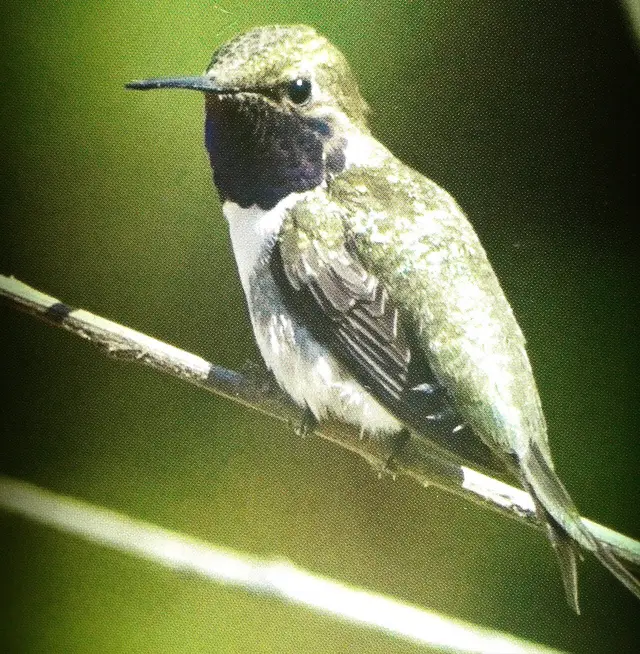 CR
Chilean woodstar
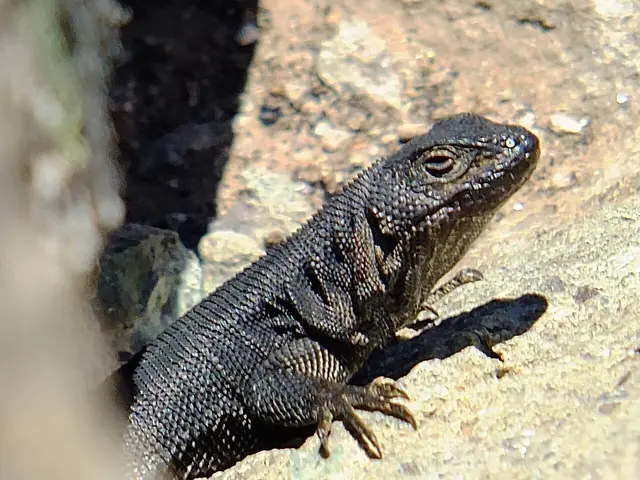 CR
Nuñez' Tree Iguana
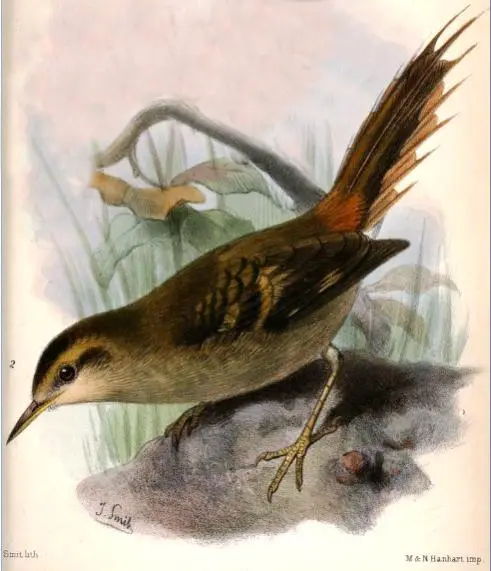 CR
Masafuera Rayadito
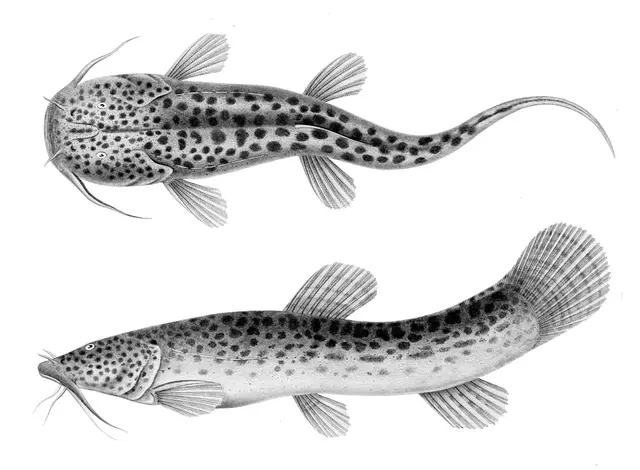 CR
Nematogenys inermis
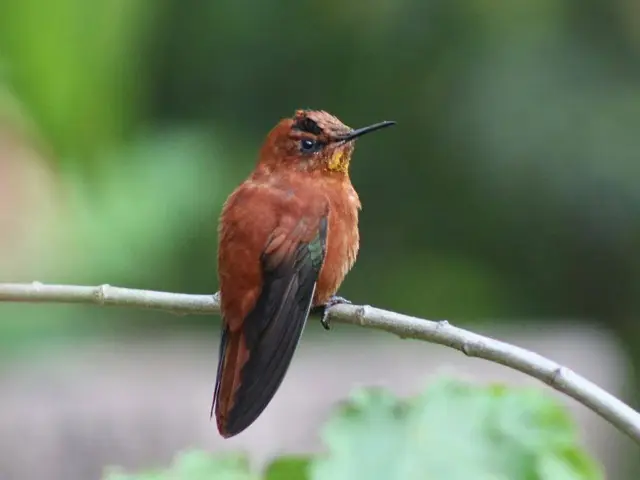 CR
Juan Fernández firecrown
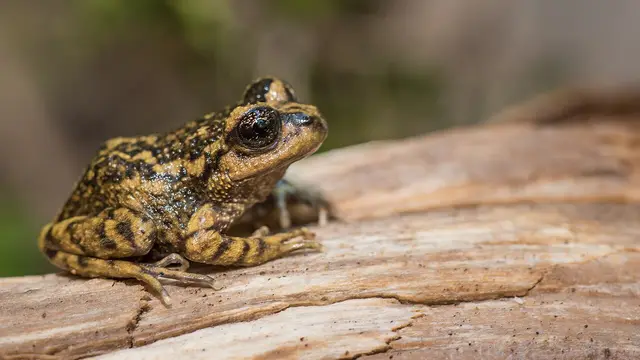 EN
Alsodes barrioi
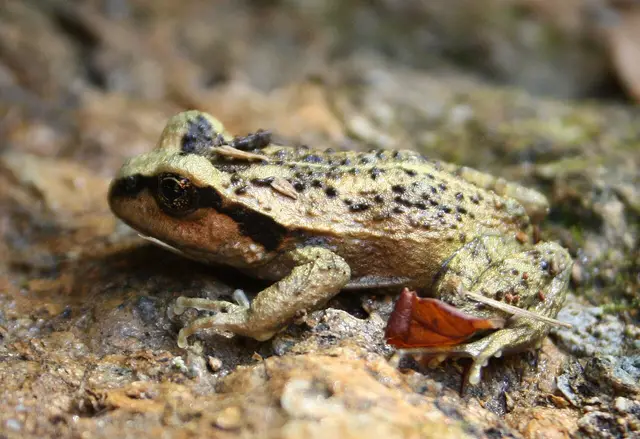 EN
Alsodes valdiviensis
 EN
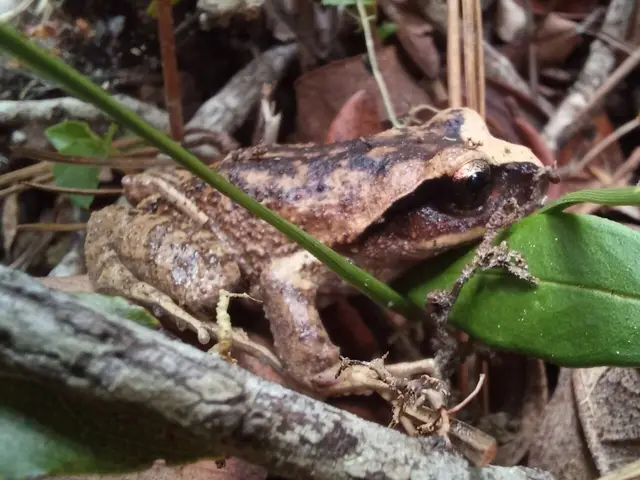
Alsodes vanzolinii
 EN
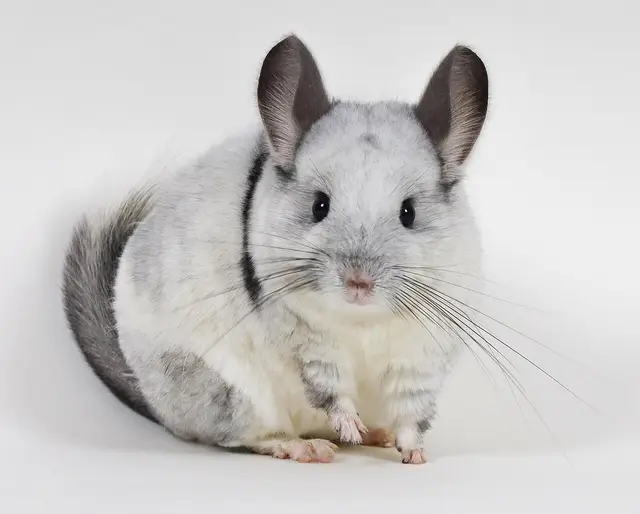
Long-tailed chinchilla
 EN
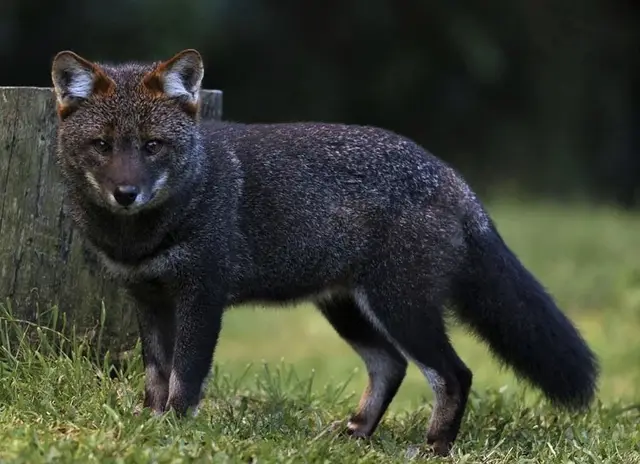
Darwin's fox
 EN
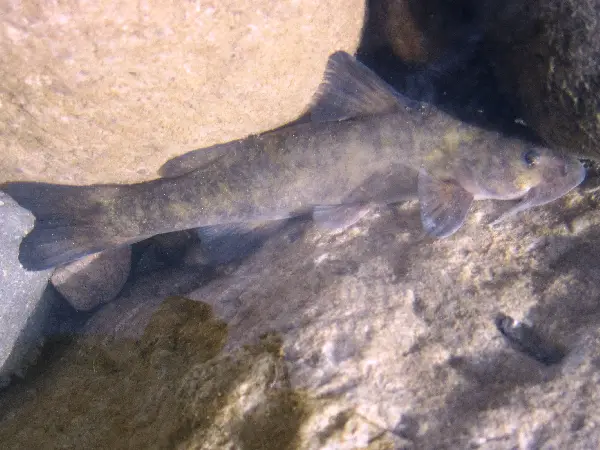
Diplomystes nahuelbutaensis
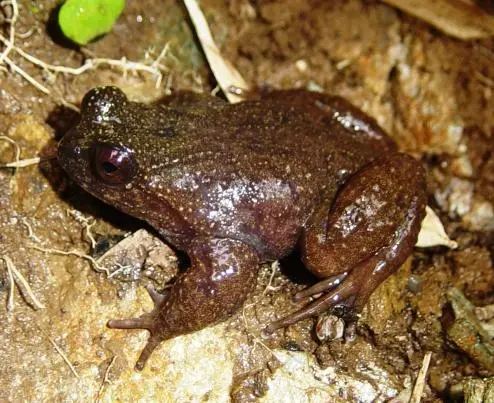 EN
Insuetophrynus
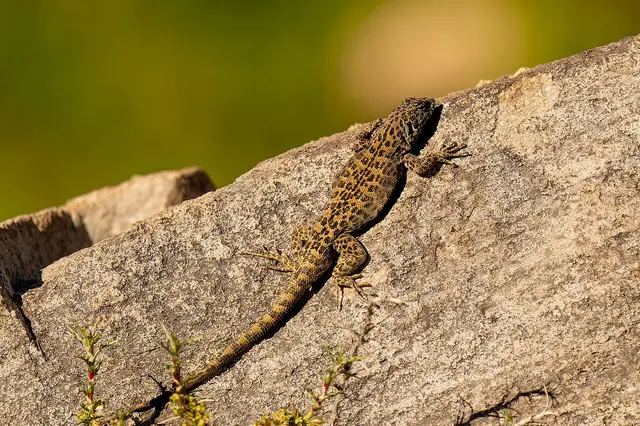 EN
Leopard Smooth-throated Lizard
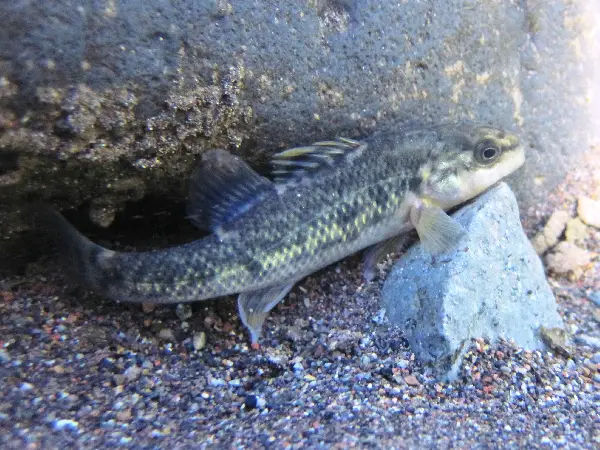 EN
Carmelita
 EN
Pocillopora ligulata
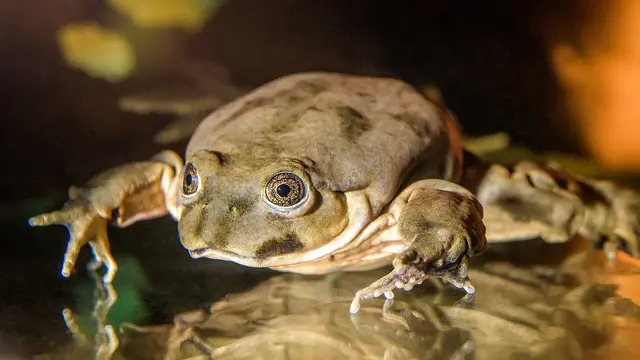 EN
Telmatobius culeus
Total pins: 16.
Quick answers
- Do all these animals live only in Chile?
- No. A pin means a Wikidata place field resolved here. Official ranges can be wider.
- Is this a government list?
- No. It is a slice of this catalog.