Endangered
Leopard Smooth-throated Lizard
Liolaemus leopardinus
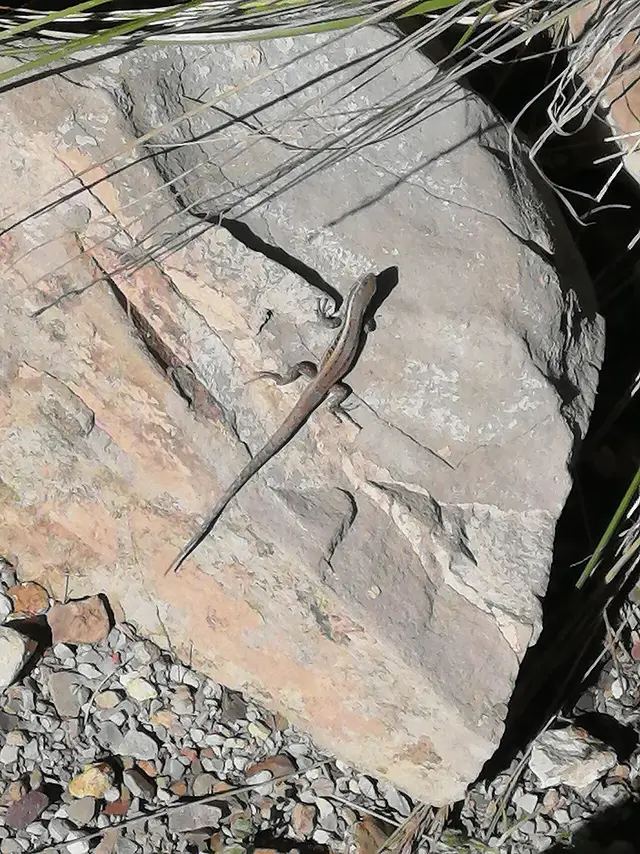
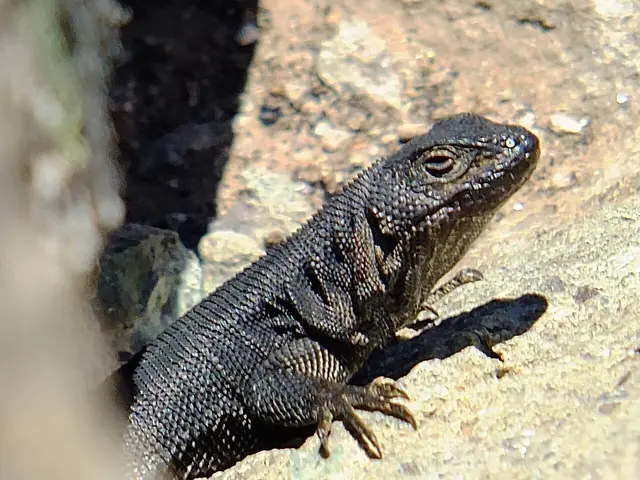
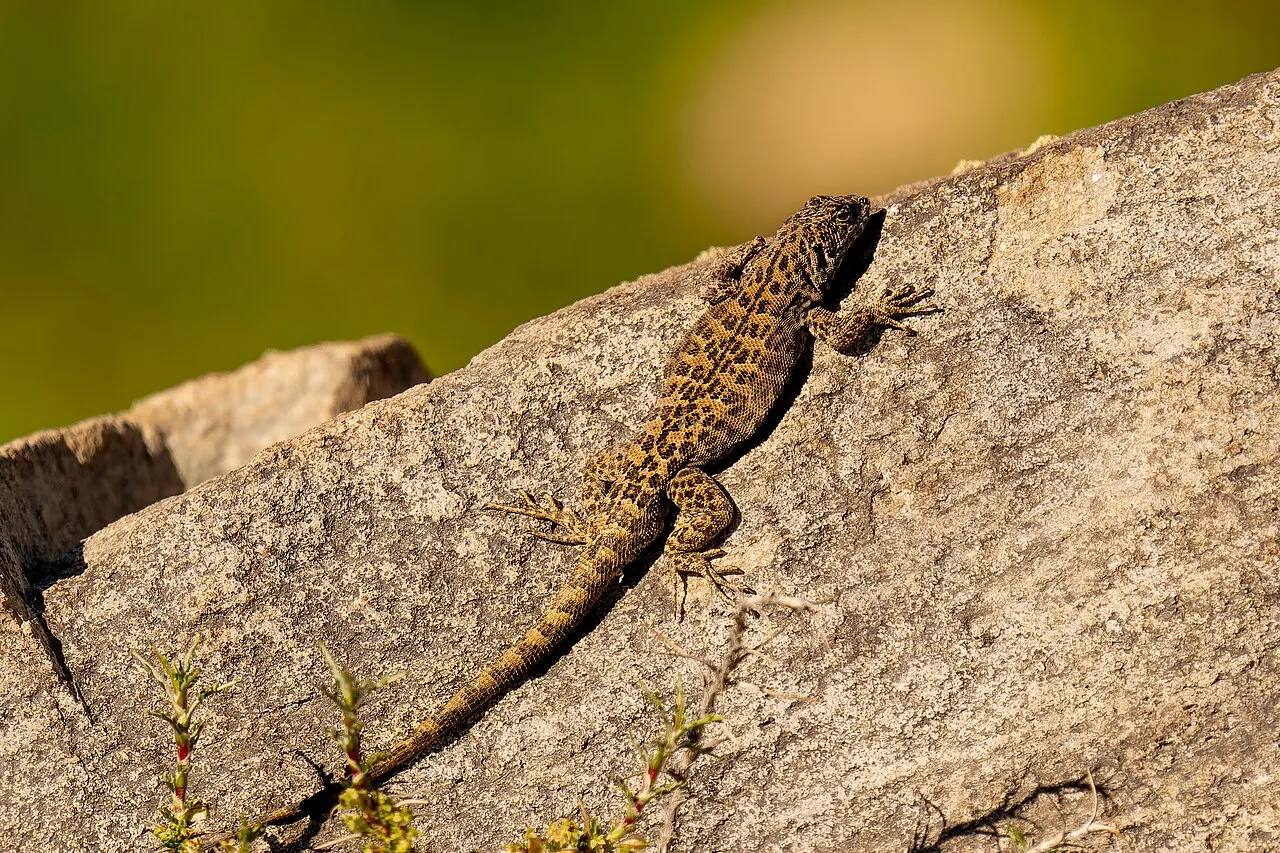
The leopard tree iguana (Liolaemus leopardinus) is a rock-dwelling, live-bearing lizard of the high Andes near Santiago, Chile. It lives in colonies on outcrops between 1,800 and 3,000 metres and is rated Endangered on the IUCN Red List (2016), with a tiny range squeezed by housing development.
How to recognise it
It's a medium-to-large Liolaemus, and pregnant adult females caught in one study averaged about 92 to 94 mm from snout to vent. The English name, leopard tree iguana, is misleading, because it lives among rocks rather than in trees. Newborns are small by comparison, around 41 mm and 1.9 g.
The species was described by Müller and Hellmich in 1932. A form once called ramonensis, known from Cerro Ramón, was folded into this species in 2019.
Where it lives
All records come from the high mountains of Santiago Province in central Chile, including the Cajón del Mapocho, the Valle del Volcán and Cerro Ramón. The type specimen came from the San Francisco valley below Cerro El Plomo at 2,700 m.
The IUCN puts its extent of occurrence at only about 240 square kilometres, with just two locations, and records high-altitude shrubland as its habitat. It occurs in at least one protected area.
Pins are Wikidata “endemic to” fields. Orange dots, when present, are GBIF occurrence tiles — survey bias included.
How it lives
This is a strongly social lizard. Groups sit on top of rocks, along ledges and in crevices, from a male and female (sometimes pregnant) with one to three juveniles, up to 6 to 10 or more animals.
It's active for about six months, from late spring through autumn, and is inactive through the cold, snowy winter. Mating happens in spring and summer, gestation lasts about 60 days, and females give birth to two to four young in late March and early April. A mother reportedly gives birth alone, on cliffs or rock piles away from the group.
These lizards live a long time. A 2018 study combining bone growth rings with recaptures found they can live more than a decade, and females mature at three to four years old.
Why it is in trouble
The IUCN lists housing and urban development as the threat, affecting the majority of the population and causing rapid declines. The range is both small and close to a major city, and the extent of occurrence is still shrinking.
Females take three to four years to mature and the species lives in tight colonies, so a population probably recovers slowly once colonies are lost.
What is being done
The only action the IUCN records is site and area protection, and the species occurs in at least one protected area. Field studies of its social life and age structure have added to what's known, but no species recovery plan appears in the assessment.
Sources
Written for this catalog in our own words from the sources below, checked against them on 12 November 2026. Population figures are estimates and carry the year they were made. Status and assessment year: IUCN. 2026. The IUCN Red List of Threatened Species. Version 2026-1. iucnredlist.org.