Critically Endangered
Liolaemus paulinae
Liolaemus paulinae
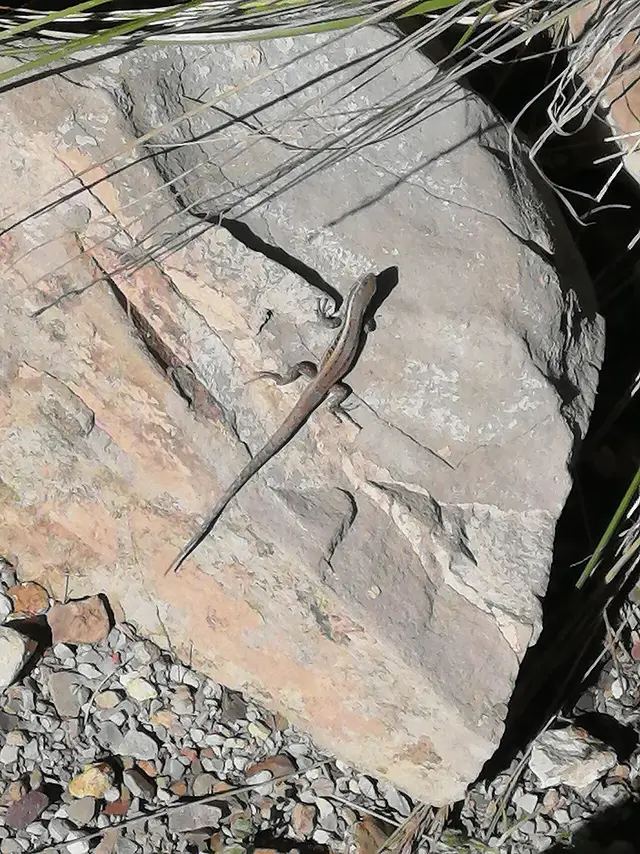
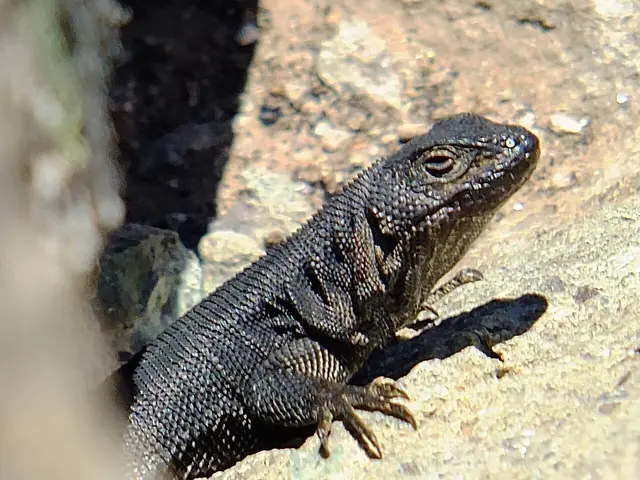
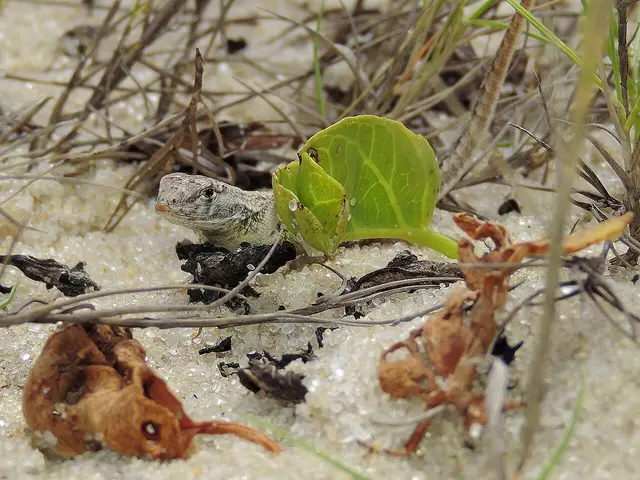
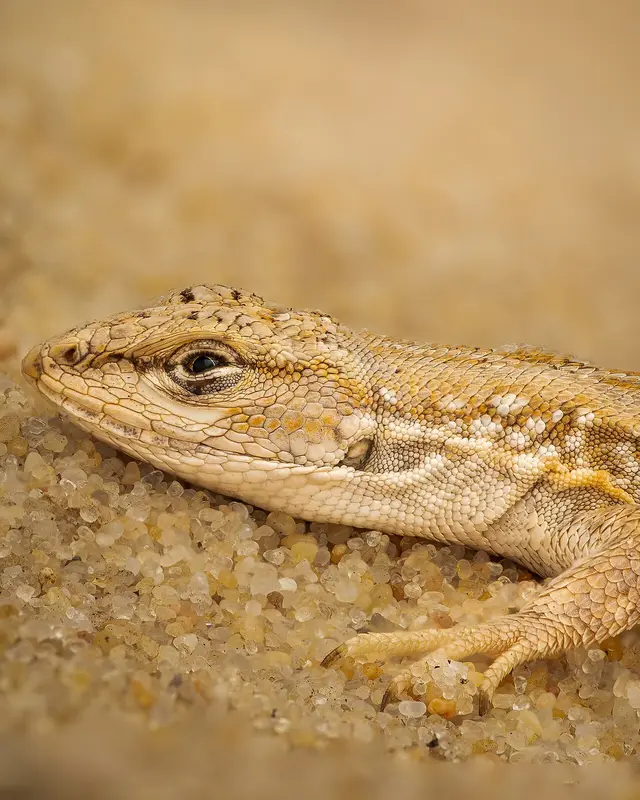
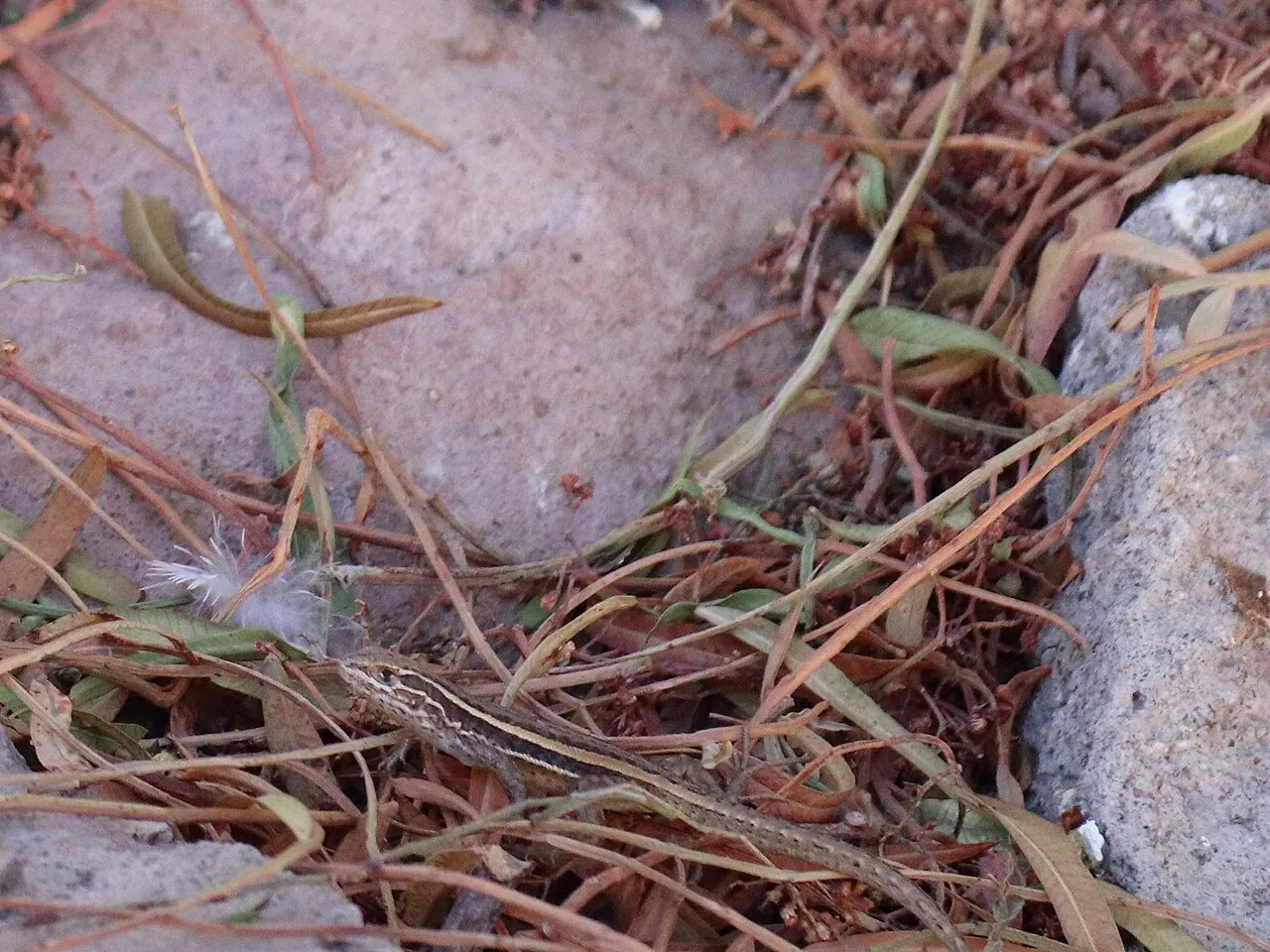
Liolaemus paulinae is a lizard known from a tiny patch of high shrubland near Calama in Chile's Antofagasta Region. The IUCN Red List rated it Critically Endangered in 2017, with housing development named as the main threat. It is also called Paulina's tree iguana, after the describer's daughter.
What it is
It's a member of the Liolaemidae, a large South American lizard family. Roberto Donoso-Barros described it in 1961 in the journal Copeia, and the holotype is recorded as held in Santiago. The species name honors Paulina, one of his daughters. It bears live young, with eggs developing inside the mother, and feeds on arthropods.
Where it lives
The type locality is Calama on the Loa River, at about 2,600 m. The Red List gives an elevation range of 2,200 to 2,600 m and counts a single location in Chile, with an extent of occurrence of about 90 square km. Its habitat is high-altitude subtropical or tropical shrubland, where it is resident year round. The Red List lists the species as endemic to Chile.
The assessment was carried out in 2015 and published in 2017. It rests on criteria for very restricted ranges: a small area, a single location, and ongoing decline in both the extent of the range and the quality of the habitat.
Pins are Wikidata “endemic to” fields. Orange dots, when present, are GBIF occurrence tiles — survey bias included.
Why it is in trouble
A range this small leaves little room for error. The 2017 assessment scores housing and urban areas as a high-impact threat, affecting the majority of the species' range and causing very rapid declines. Its extent of occurrence is still shrinking.
Feral dogs and cats are also listed as threats, though their effect has not been measured. The species does not occur in a protected area.
What is being done
The assessment calls for protecting the site and restoring habitat, but neither is recorded as in place. Population size and trend data are lacking beyond a decreasing trend.
Sources
Written for this catalog in our own words from the sources below, checked against them on 12 November 2026. Population figures are estimates and carry the year they were made. Status and assessment year: IUCN. 2026. The IUCN Red List of Threatened Species. Version 2026-1. iucnredlist.org.