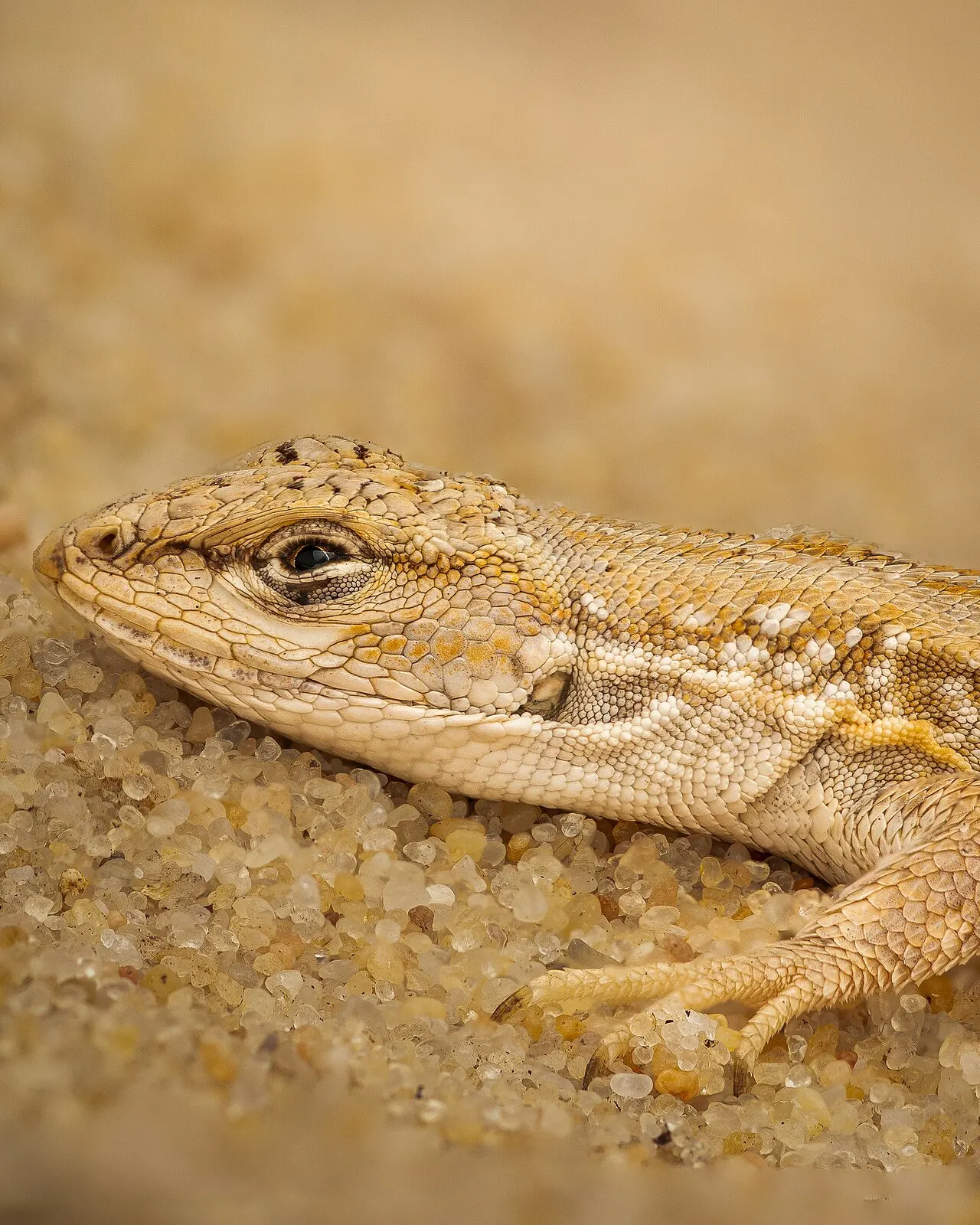
Endangered
Arambaré Smooth-throated Lizard
Liolaemus arambarensis
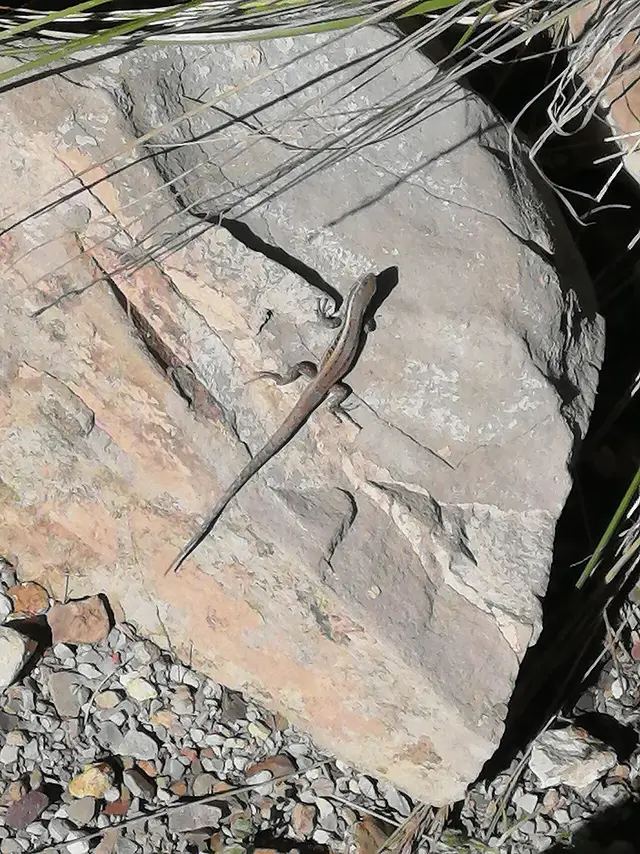
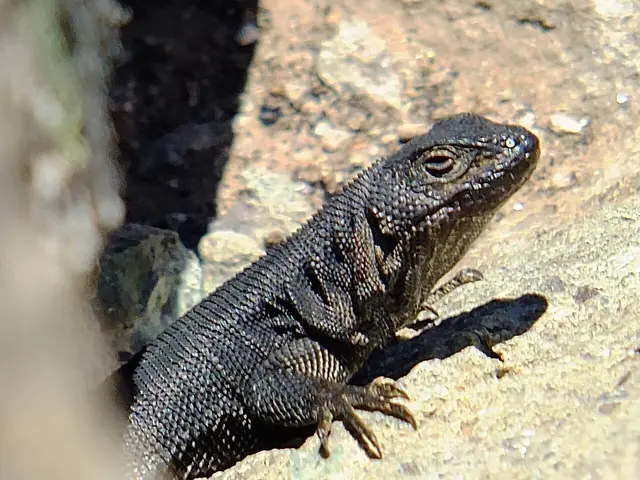
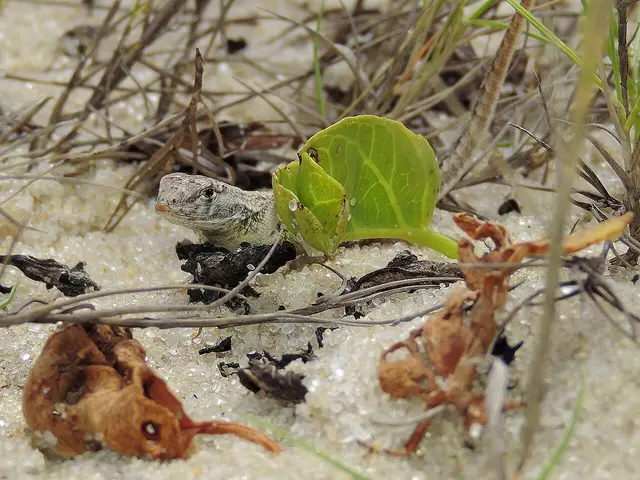
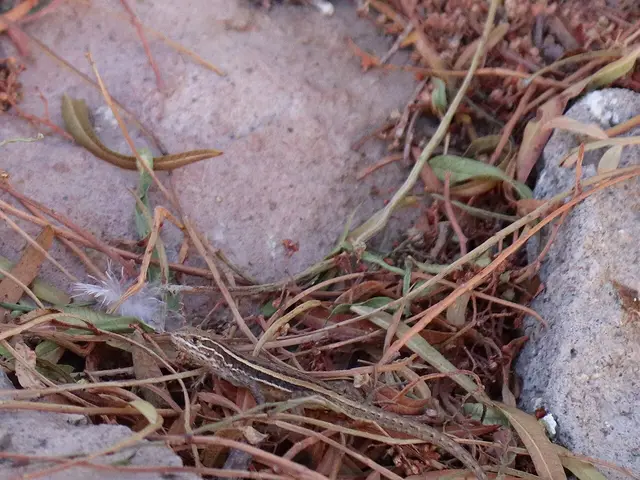
The Arambaré lizard (Liolaemus arambarensis) is a small, egg-laying sand lizard known only from sandy coastal restingas in Rio Grande do Sul, southern Brazil. The IUCN Red List assessed it as Endangered in 2021, with a decreasing population. Its remaining habitat is fragmented and still shrinking.
Where it lives
This lizard belongs to the family Liolaemidae and was described to science in 2003 by Laura Verrastro and colleagues. It is named after Arambaré, the municipality in Rio Grande do Sul where the first specimen was collected, on a restinga, a low coastal habitat of sandy ground and scrub.
It is known only from Brazil, and within Brazil only from Rio Grande do Sul. The IUCN lists two habitats: coastal sand dunes and dry subtropical or tropical shrubland, and estimates its extent of occurrence at 586 square kilometres. In Portuguese it is called lagartixa-das-dunas, the dune lizard.
Pins are Wikidata “endemic to” fields. Orange dots, when present, are GBIF occurrence tiles — survey bias included.
How it lives
The Reptile Database lists the species as omnivorous, eating insects, spiders and plant material, and as oviparous, meaning females lay eggs.
How many are left
A mark-recapture study of three populations, completed as a 2016 dissertation at the Federal University of Rio Grande do Sul, estimated that the species holds more than 250 and fewer than 2,500 mature individuals. That range is small enough to fit the Endangered category on population size alone. Survival of marked lizards was fairly high, between 0.74 and 0.85, but the animals were hard to recapture, so the estimates carry real uncertainty.
The IUCN reports that the population is severely fragmented and that the area of suitable habitat is still shrinking.
Why it is in trouble
The restingas of the southern Brazilian coastal plain are being converted and degraded. The IUCN lists housing and urban development, commercial and industrial areas, and agro-industry plantations as the main pressures, all of which replace or damage the dune and scrub habitat the lizard needs. The dissertation described the remaining restinga as highly fragmented and degraded.
What is being done
The IUCN records that the species occurs in at least one protected area and that a regional area-based management plan exists. Recommended measures include site protection and management, awareness work and policy and regulation. The dissertation called for long-term monitoring so that future declines among its few known populations can be spotted early.
Sources
Written for this catalog in our own words from the sources below, checked against them on 12 November 2026. Population figures are estimates and carry the year they were made. Status and assessment year: IUCN. 2026. The IUCN Red List of Threatened Species. Version 2026-1. iucnredlist.org.