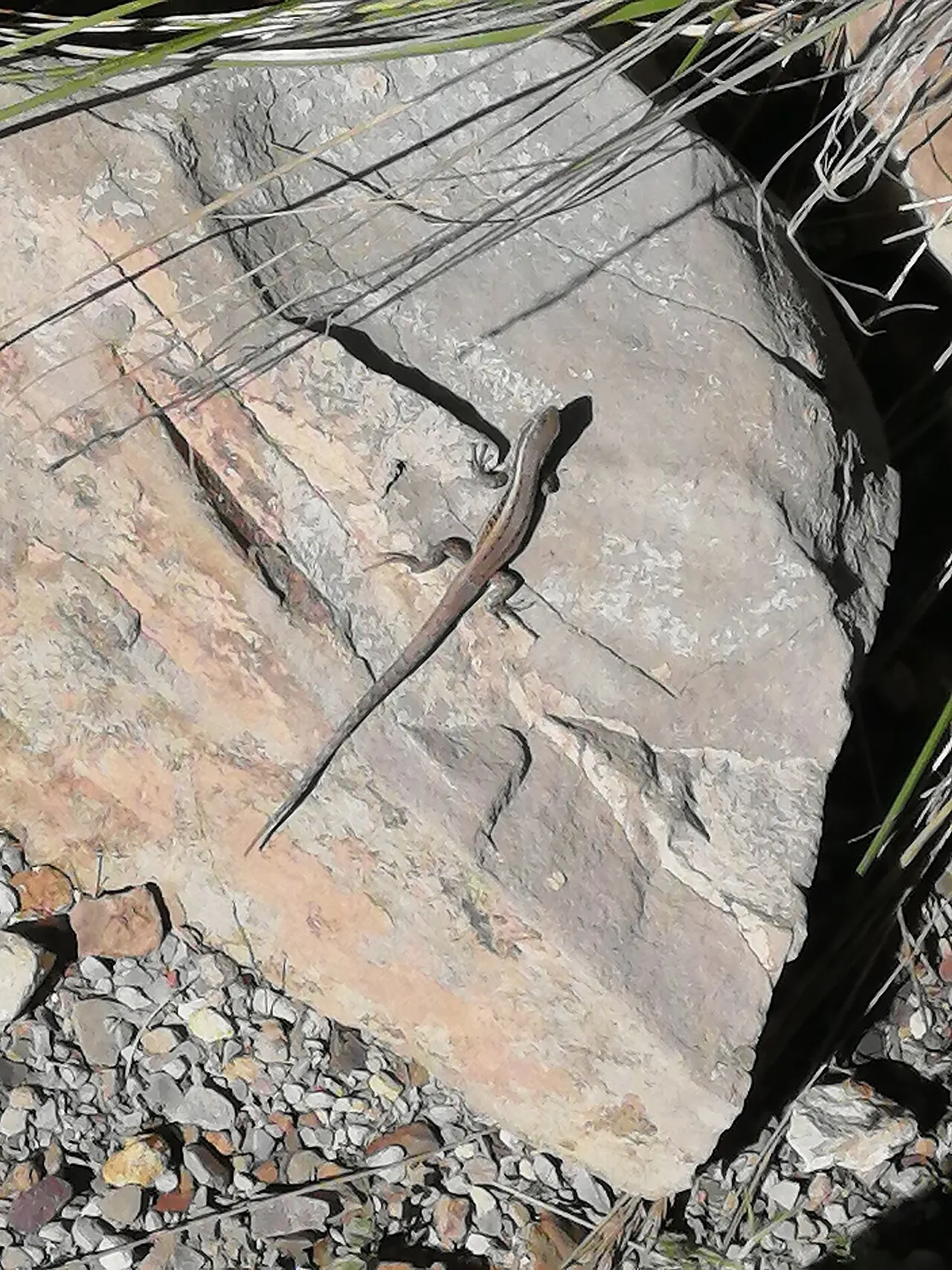
Critically Endangered
Liolaemus aparicioi
Liolaemus aparicioi
Liolaemus aparicioi is a small, slender lizard found only in the dry inter-Andean valleys around La Paz, Bolivia, at roughly 3,000 to 3,900 metres. The IUCN Red List rated it Critically Endangered in 2016, with a decreasing population, because housing and urban growth are swallowing its habitat.
How to recognise it
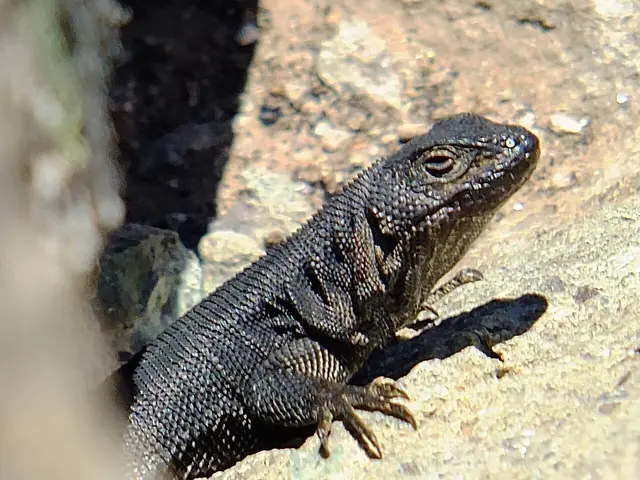
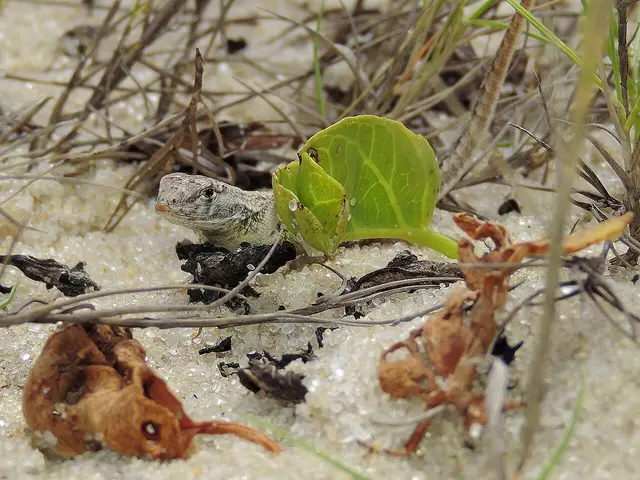
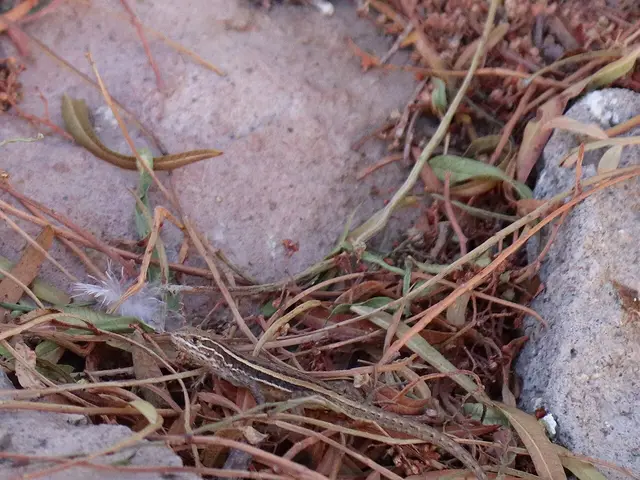
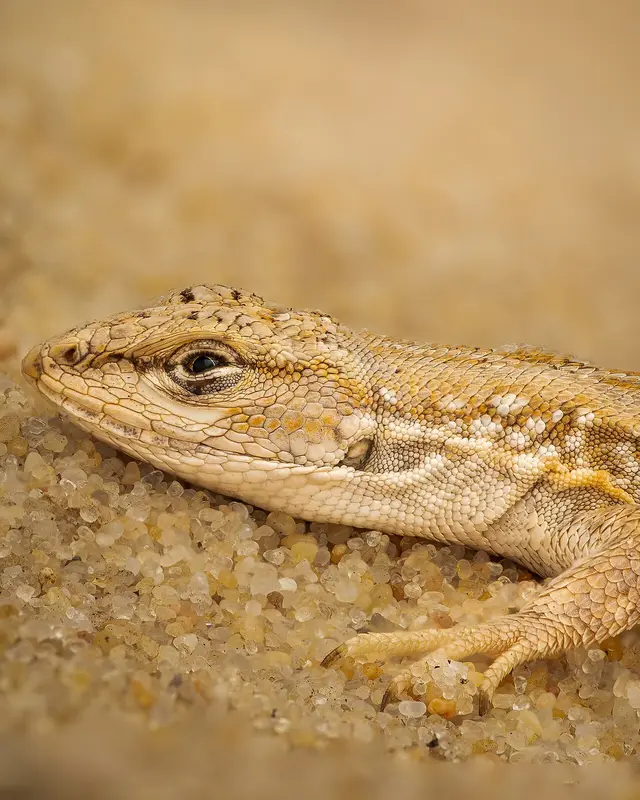
It is small for a Liolaemus, with a maximum body length (snout to vent) of 61.7 mm and adults rarely above 60 mm. In females the tail is nearly twice the body length. The head is smooth on top and the scales along the temples are keeled.
Several markings help separate it from relatives in the alticolor group: spots on either side of the spine, wide stripes along the upper flanks, and a gray throat flecked with small black spots. The describers compared it with 11 similar species in 2012 and found its dorsal colouring and scale features set it apart. The spine spots are absent in several of those relatives.
Where it lives
The species is endemic to La Paz Department in western Bolivia. The original description, by Mauricio Ocampo, Alvaro Aguilar Kirigin and Andres Quinteros in the journal Herpetologica in 2012, knew it from two localities in the dry valleys, Ananta and Jupapina. The type locality is Jupapina, at about 3,250 metres. It had earlier been confused with L. walkeri.
The IUCN places it in the inter-Andean dry valleys, in spiny shrubland with scattered trees, and records it between 3,000 and 3,900 metres. It lives in the vegetation itself, especially cactus and Prosopis, and does not tolerate habitat destruction. The assessors counted a single location with a severely fragmented population and a very small range of about 30 square km. The species name honors James Aparicio Effen, curator of the herpetological collection of the Coleccion Boliviana de Fauna.
Pins are Wikidata “endemic to” fields. Orange dots, when present, are GBIF occurrence tiles — survey bias included.
How it lives
Descriptions call it terrestrial, though the IUCN says it uses vegetation too. Like other cold-climate reptiles it has to manage its temperature. A study along a 1,000 metre slope of the La Paz valley, sampled in the dry season from May to August 2015 at three sites between 3,000 and 4,000 metres, found that body, microhabitat and operative temperatures fell with elevation. Lizards at the highest site were the least efficient at regulating their temperature. In the laboratory, pooled preferred temperatures and heat and cold tolerances were similar at all sites.
A 2015 student thesis at Linkoping University comparing two altitudes concluded that the high-altitude lizards make up for the colder climate through basking behaviour and the way they use habitat. How the species reproduces is unknown.
Why it is in trouble
The 2016 assessment rates it Critically Endangered under criterion B1ab(i,iii), which applies to a very small range at one location where habitat is shrinking. It records a decreasing population and a continuing decline in the area it occupies. The IUCN says the lizard is relatively common where it persists. The assessors named housing and urban areas as the threat, ongoing, affecting the majority of the species (50 to 90 percent) and causing very rapid declines through conversion and degradation of its ecosystem, as the La Paz urban area expands.
No protected area is known to include it, and no species-specific conservation measures are in place. The IUCN says municipal protected areas are needed and that a monitoring programme has been started. Population trends are listed as a research priority.
Sources
Written for this catalog in our own words from the sources below, checked against them on 12 November 2026. Population figures are estimates and carry the year they were made. Status and assessment year: IUCN. 2026. The IUCN Red List of Threatened Species. Version 2026-1. iucnredlist.org.
- IUCN Red List assessment, Liolaemus aparicioi (2016), via the Red List API
- Reptile Database, Liolaemus aparicioi
- Liolaemus aparicioi (encyclopedia article)
- Ocampo, Aguilar-Kirigin and Quinteros 2012, new species of Liolaemus of the alticolor group, Herpetologica 68(3) (abstract record)
- Miranda-Calle et al 2021, Thermoregulation of Liolaemus aparicioi along a 1000 m elevational gradient, Journal of Thermal Biology 99 (abstract via Europe PMC)
- Thermoregulating behavior and habitat use of Liolaemus aparicioi (2015 thesis)