Bolivia
8 catalog pins
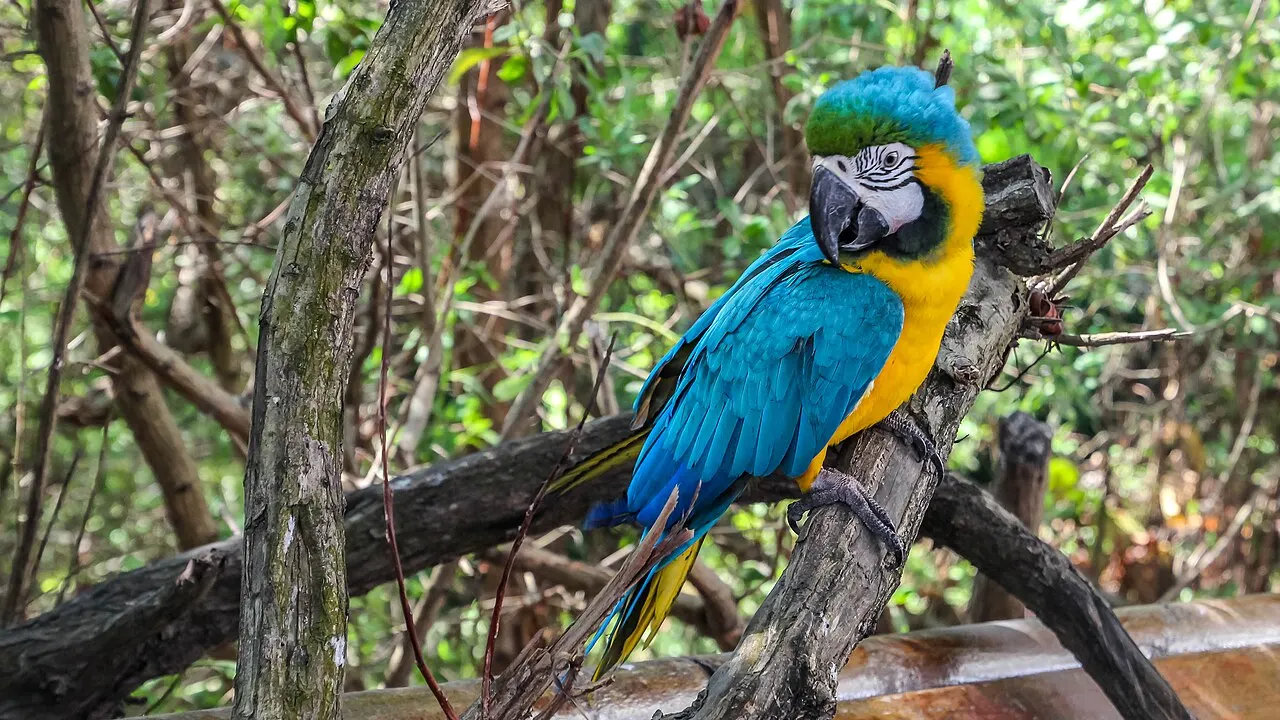
8 animals in this catalog carry a structured country pin for Bolivia. That is a filing fact, not a claim that the crisis is only here.
The photograph is one of those animals: Blue-throated Macaw. Open a dossier for the text, the status, and the map. Use the world map to jump to another country. Confirm official distributions on the Red List.
Bolivia is a country of sharp contrasts in the middle of South America. The Andean west, the high-altitude Altiplano, temperate valleys, the Gran Chaco and the Amazon plain all sit inside one border, and part of the Pantanal wetland reaches the eastern edge.
The Convention on Biological Diversity (CBD) profile ranks Bolivia among the 15 most biodiverse countries. Threatened animals are recorded here because so many habitats are packed together, and many species live in only one of them.
Where the pressure comes from
The CBD profile says about a tenth of Bolivia's forests were lost after 1990, with the highest losses in the Santa Cruz department. Cultivated land grew 21% between 2005 and 2012. Other pressures it lists include mining, poaching, illegal logging and water pollution, and it names the advancing agricultural frontier as the main human threat.
Two species show how this plays out. The Titicaca water frog lives only in the Lake Titicaca basin, shared with Peru. One estimate reports a decline of more than 80% from 1990 to 2004, with collecting for food, pollution and introduced trout named as the main causes. Disease may also threaten it.
The Blue-throated Macaw is found only in the Llanos de Moxos in Beni. Trapping, tree cutting that removes nest sites and competition for nests are among the threats. Estimates differ: one figure gives about 208 to 303 adults, while later surveys raised the estimate to about 350 to 400 (no year given for either).
What is being done
According to the national protected-area service SERNAP, quoted in the CBD profile, 22 protected areas cover 23% of Bolivia. The country ratified the CBD in 1995 and adopted its first national biodiversity strategy in 2001.
For the macaw, trapping is illegal and a 2014 law declared the species a natural patrimony of Bolivia. The World Parrot Trust has had volunteers monitor nests and chicks, nest boxes have been built, and American Bird Conservancy and partners created a reserve in 2008 that grew to 11,500 acres by 2010. For the water frog, Bolivia gave legal protection from hunting in 2016 or 2017, and captive breeding began in Cochabamba in 2012.
Reading the catalog for Bolivia
The catalog lists 8 animals for Bolivia, and amphibians are the largest group in its list, followed by birds. A short list is not proof that other groups are safe, since many species have never been fully assessed.
Sources for this section
- CBD country profile, Bolivia: biodiversity ranking, deforestation, protected areas, strategy dates
- Wikipedia, Bolivia: Andes, Altiplano, valleys, Chaco, Amazon, Pantanal
- Wikipedia, Titicaca water frog: range, decline, threats, protection
- Wikipedia, Blue-throated macaw: range, population estimates, threats, reserve, laws
What the catalog records for Bolivia
The catalog has 8 animals with a country pin for Bolivia: 4 Critically Endangered and 4 Endangered. By GBIF class the largest groups are Amphibia (4), Aves (2), Squamata (1), Gastropoda (1). The families with the most records are Psittacidae (2), Telmatobiidae (2), Liolaemidae (1). A pin means a structured source (Wikidata or a GBIF match) places the animal in Bolivia; it does not say the animal lives only there.
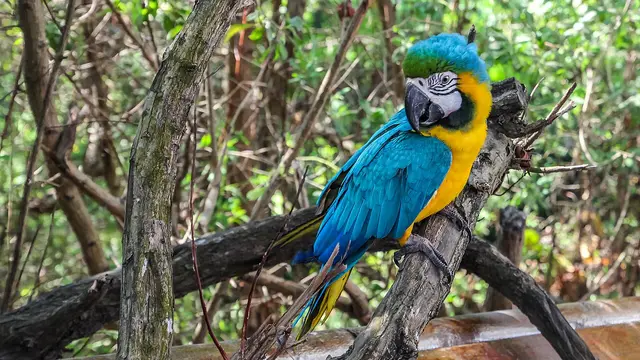 CR
Blue-throated Macaw
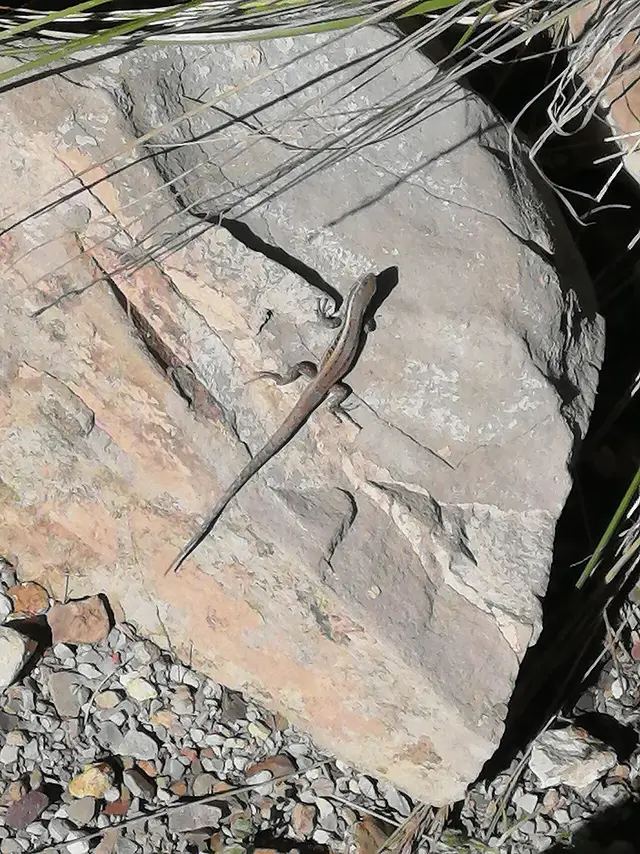 CR
Liolaemus aparicioi
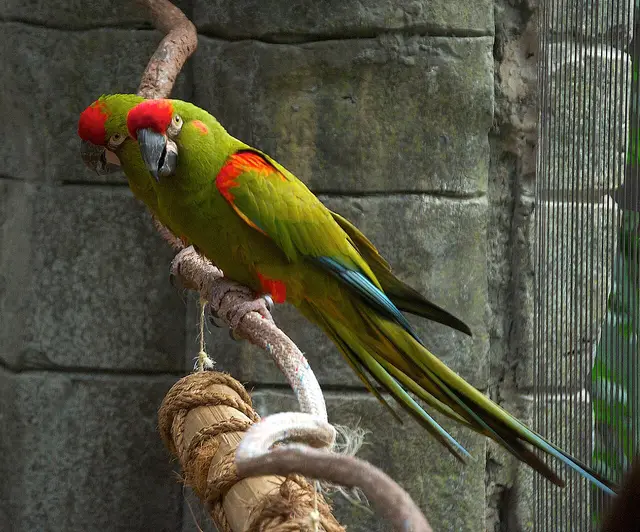 CR
Red-fronted Macaw
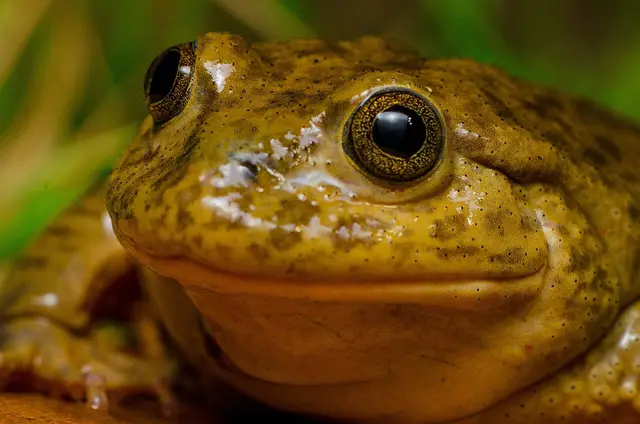 CR
Telmatobius simonsi
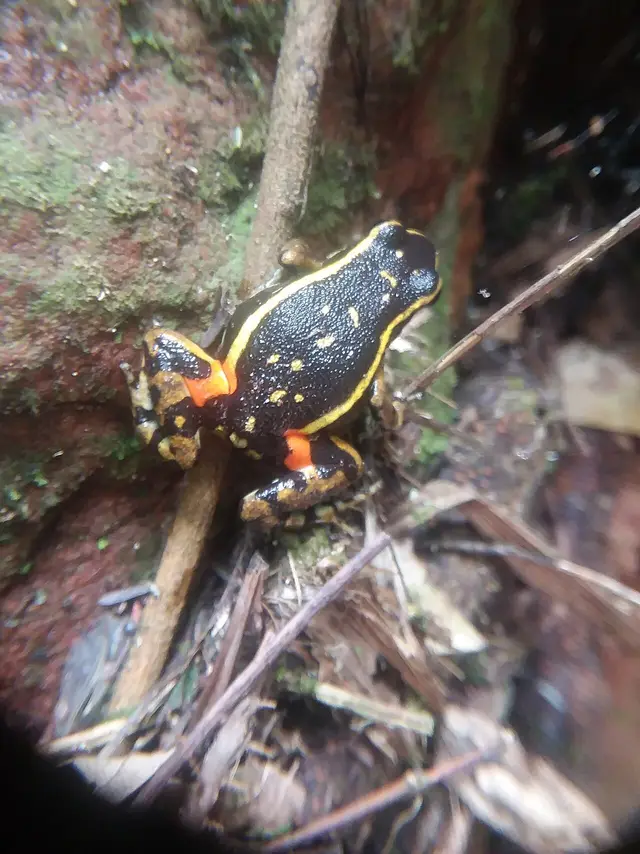 EN
Ameerega boehmei
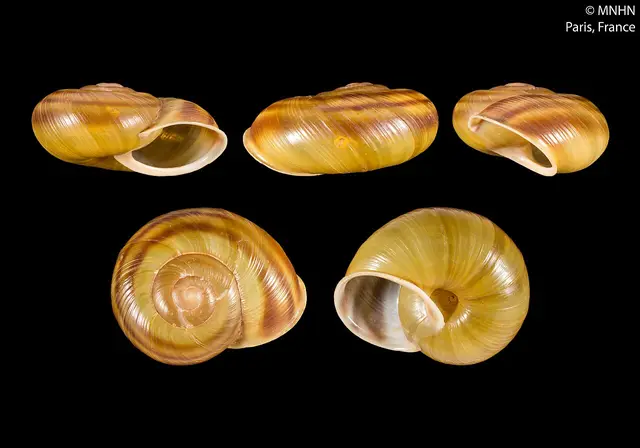 EN
Tacheocampylaea cyrniaca
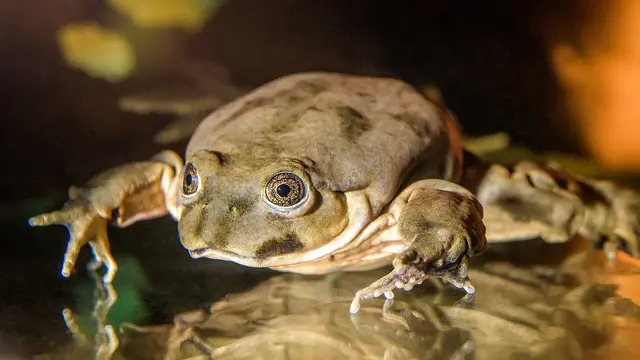 EN
Telmatobius culeus
 EN
Yunganastes bisignatus
Total pins: 8.
Quick answers
- Do all these animals live only in Bolivia?
- No. A pin means a Wikidata place field resolved here. Official ranges can be wider.
- Is this a government list?
- No. It is a slice of this catalog.