Critically Endangered
Liolaemus lutzae
Liolaemus lutzae
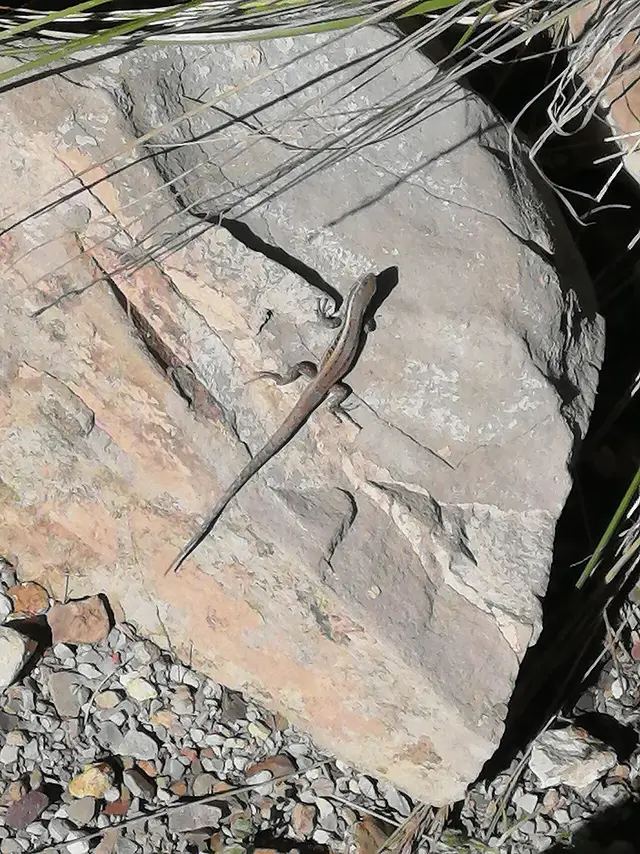
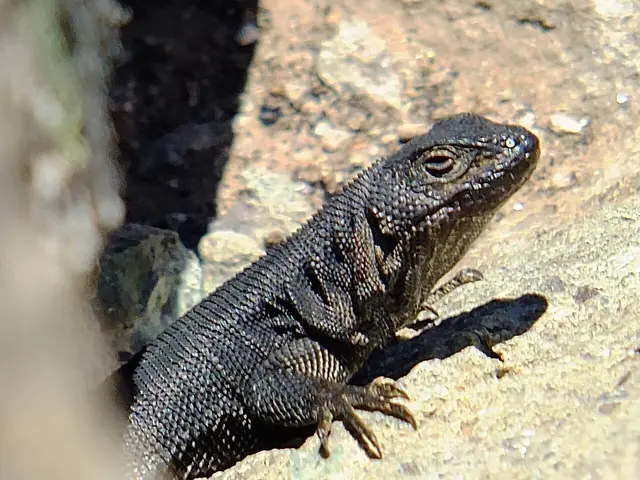
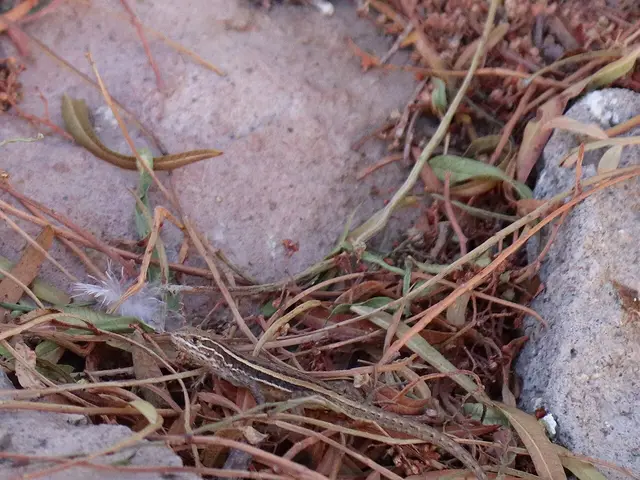
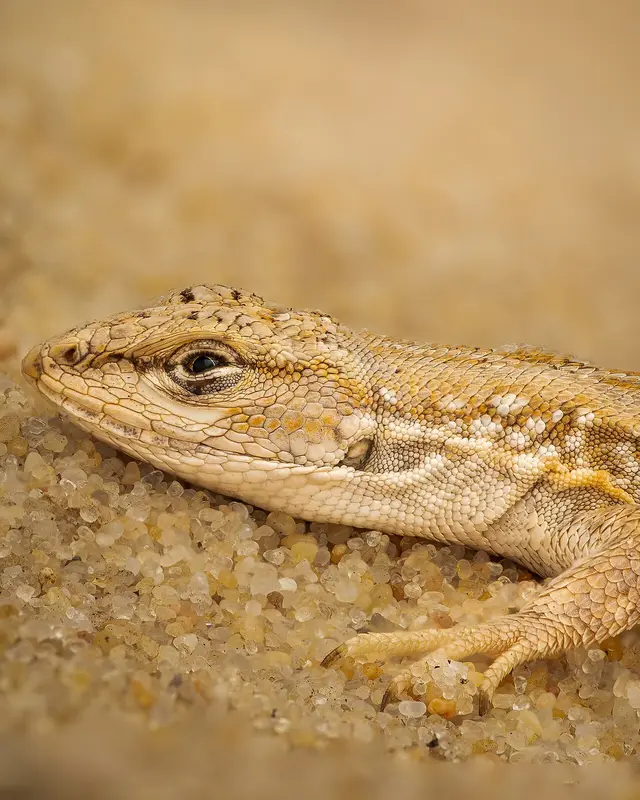
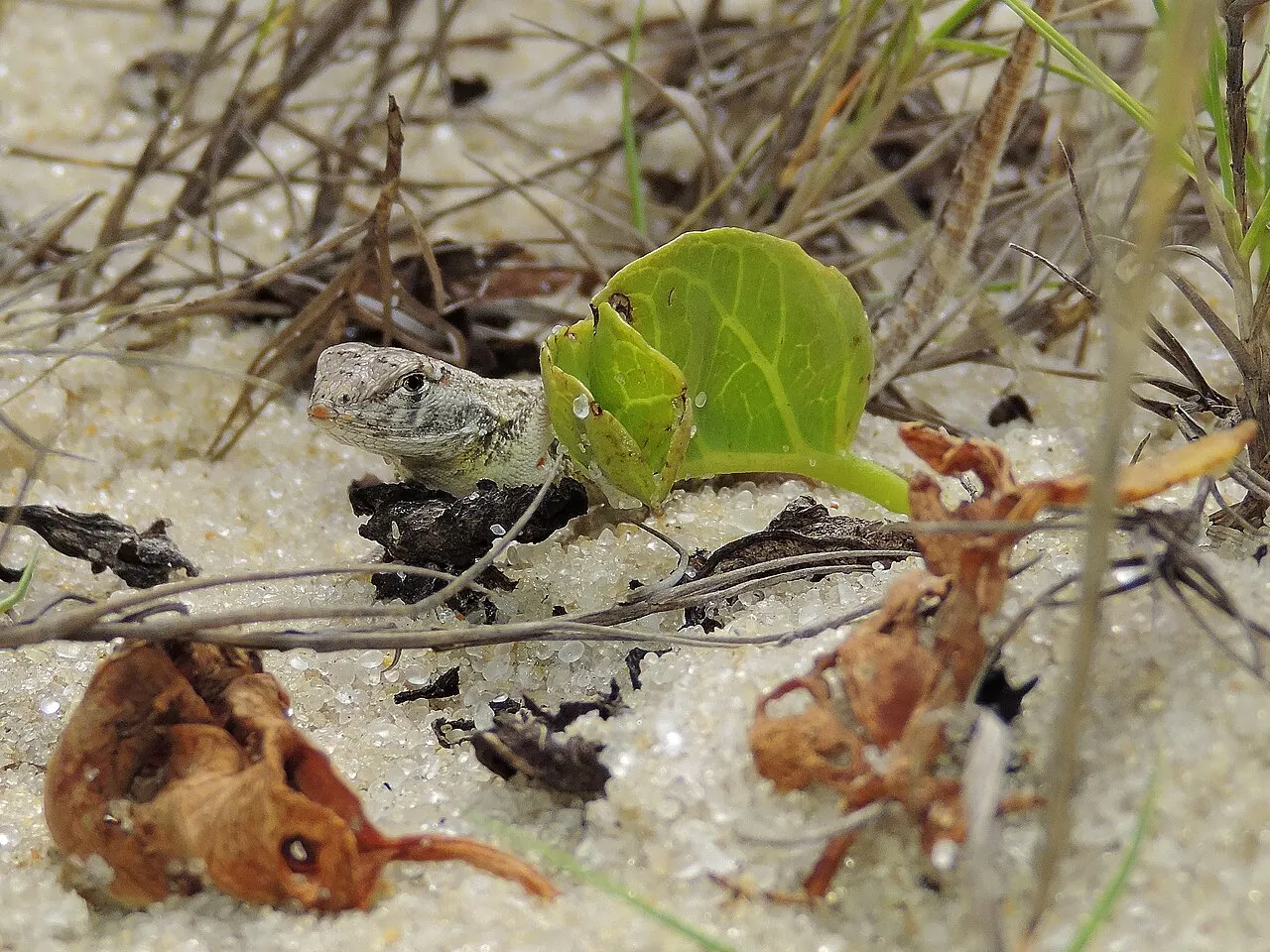
Liolaemus lutzae is a small lizard found only on the sandy coastal strips of Rio de Janeiro state, Brazil. The IUCN Red List rated it Critically Endangered in 2021, after the beach vegetation it depends on was cleared for roads, buildings and tourism. It was described in 1938 and named for the Brazilian zoologist Bertha Lutz.
Where it lives
This is a lizard of the restinga, the sandy coastal vegetation that runs along Brazil's Atlantic shore. Its range is a strip of roughly 200 km of Rio de Janeiro coast, from the Restinga da Marambaia in the west to Cabo Frio in the east. The lizards live in a band of open sand and low plants up to about 100 m wide behind the beach.
The IUCN lists its habitats as sandy beaches and sand bars, coastal dunes and dry tropical scrub. The type locality, where the first specimens came from, is Recreio dos Bandeirantes in the city of Rio de Janeiro.
Pins are Wikidata “endemic to” fields. Orange dots, when present, are GBIF occurrence tiles — survey bias included.
How it lives
Liolaemus lutzae is a small, egg-laying lizard in the family Liolaemidae. It spends much of its life in close contact with the sand and is known to bury itself. It is only partly a sun-basker, and its body temperature follows the temperature of the sand closely.
Temperature also affects whether researchers see it. In a 2023 survey, the chance of spotting a lizard rose steadily with air temperature.
How many are left
The IUCN estimates that the area the species actually occupies is about 489 square kilometres, and suspects that numbers fell by 80 percent or more over about 10 years, a period longer than three generations. It rates the trend as decreasing and says the causes have not stopped. These are assessment estimates, not counts of animals.
Field data show a patchy picture. In a 2023 master's study at the State University of Rio de Janeiro, Gomes walked 98 transects of 100 metres across 25 beaches where the lizard was known now or in the past. The estimated chance that a beach held the species was 69 percent, and observers spotted a lizard that was present about half the time.
Why it is in trouble
The IUCN names housing and urban growth, commercial and industrial building, and tourism and recreation areas as threats. Each converts or degrades the thin band of sand and low plants the lizards use. In the 2023 study, whether a beach was occupied depended on how many sources of disturbance it had, how much vegetation and bare sand remained, and how much was built over.
Six of the 25 beaches had no lizards. Piratininga, Camboinhas, Itaipu and Itacoatiara in Niteroi were already known to have lost their populations. Praia dos Anjos in Arraial do Cabo was empty too, and so was Praia do Foguete in Cabo Frio, where the lizard had been found often over the previous 15 years. The author reads that as a possible local loss.
What is being done
The species occurs in at least one protected area, and the IUCN notes a regional area-based management plan. The assessment lists habitat restoration, site protection and management, public awareness and reintroduction as actions needed. The 2023 study recommended steps to reduce human impact on the remaining populations and to preserve vegetation on more restinga.
Sources
Written for this catalog in our own words from the sources below, checked against them on 12 November 2026. Population figures are estimates and carry the year they were made. Status and assessment year: IUCN. 2026. The IUCN Red List of Threatened Species. Version 2026-1. iucnredlist.org.