Endangered
Alsodes barrioi
Alsodes barrioi
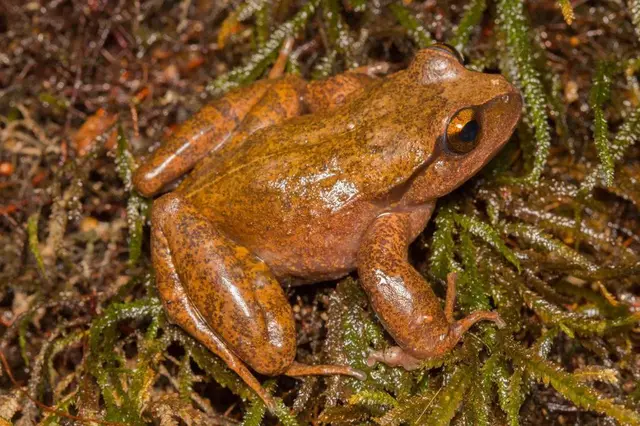
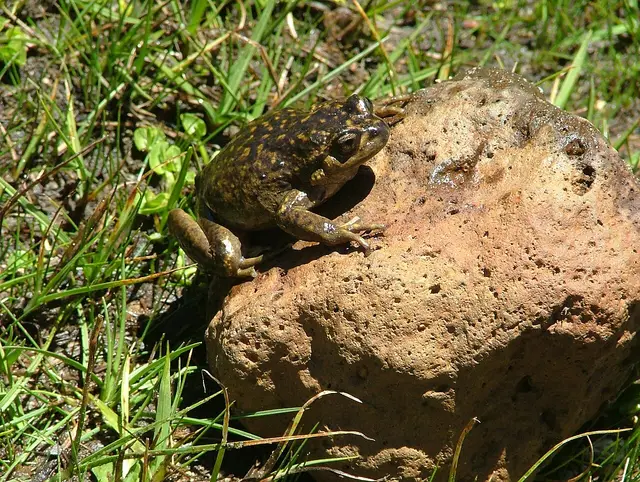
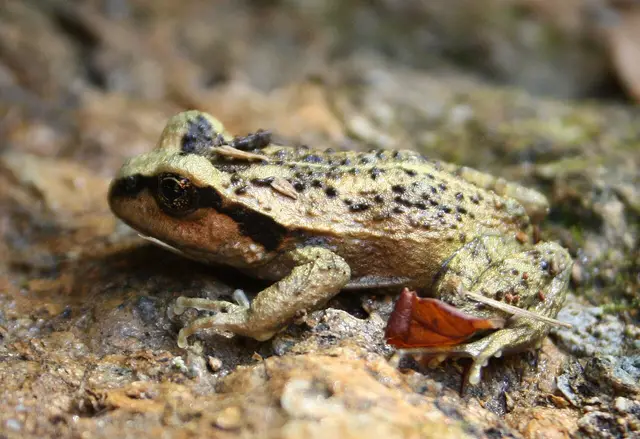
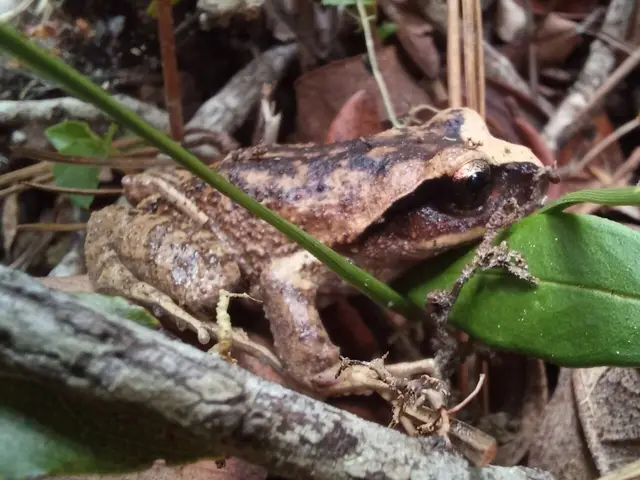
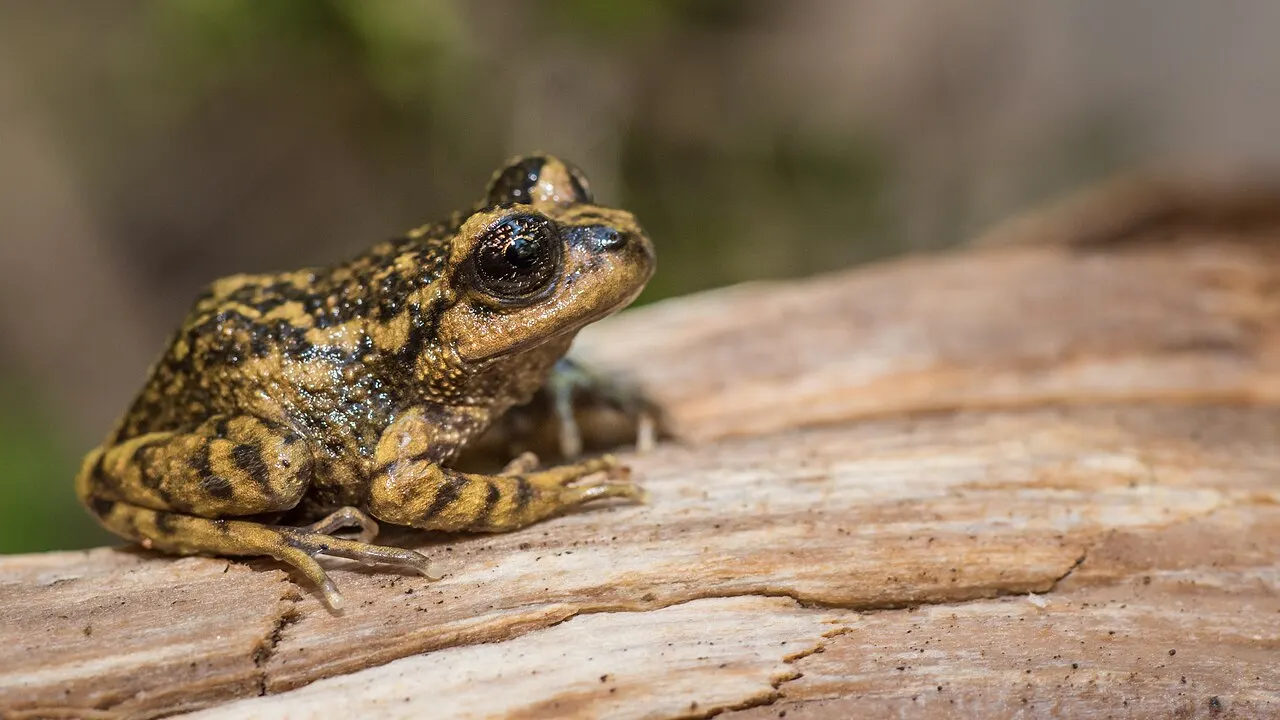
The Cabreria spiny-chest frog (Alsodes barrioi) is a stream-side frog from the beech and monkey puzzle forests of south-central Chile. The IUCN Red List rated it Endangered in 2017. It was long thought to live only in the Nahuelbuta mountains, though a later survey pushed its known range well beyond them.
Where it lives
The frog was described to science in 1981 from the Cordillera de Nahuelbuta, a coastal mountain range in Malleco Province. For decades it was thought to be confined to that range, and it is still recorded only in Chile. The species name honours Avelino Barrio, a Spanish botanist and zoologist who worked in Argentina.
A 2018 paper in Biodiversity and Natural History stretched the known range about 45 km north and 75 km south of earlier records, and concluded the frog is not confined to the Nahuelbuta range. The IUCN assessment places it in the Biobio and La Araucania regions, at 3 to 5 locations, between 500 and 1,500 m above sea level.
Pins are Wikidata “endemic to” fields. Orange dots, when present, are GBIF occurrence tiles — survey bias included.
How it lives
This is a frog of temperate forest. It shelters under logs and stones close to mountain streams, among southern beech (Nothofagus dombeyi) and monkey puzzle trees (Araucaria araucana). The IUCN lists temperate forest, permanent streams and even drainage ditches among its habitats.
At its original site it is reportedly fairly common, and the 2017 assessment treated the overall population trend as stable and not severely fragmented. No total population figure has been published.
Why it is in trouble
The Endangered rating rests on a small range in 3 to 5 locations and a continuing decline in habitat. Forest is being converted to plantations and cleared for small farms and grazing, and fires are becoming more frequent and intense. Introduced pines are among the trees planted in its habitat.
The frogs breed in mountain streams, which are sensitive to changes in the surrounding forest. Harvesting the pine plantations could reportedly affect those streams seriously.
What is being done
The frog occurs in at least one protected area, and the IUCN lists site protection and habitat protection as the conservation measures in place. The 2018 study that extended its range called for more surveys to find further populations and describe their habitat.
Sources
Written for this catalog in our own words from the sources below, checked against them on 12 November 2026. Population figures are estimates and carry the year they were made. Status and assessment year: IUCN. 2026. The IUCN Red List of Threatened Species. Version 2026-1. iucnredlist.org.