Endangered
Alsodes valdiviensis
Alsodes valdiviensis
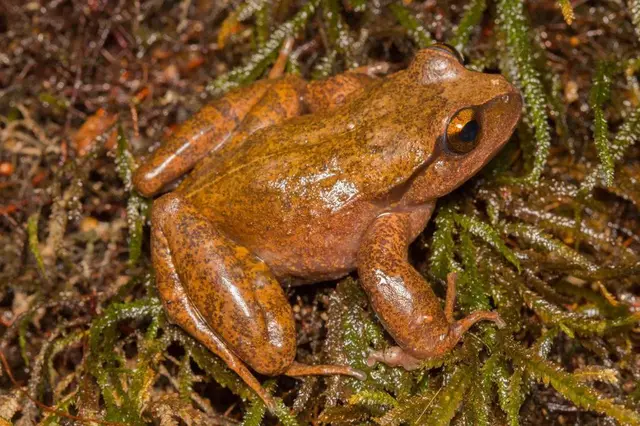
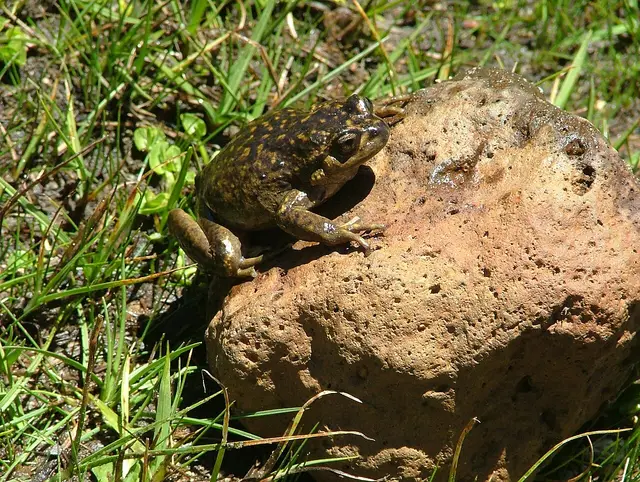
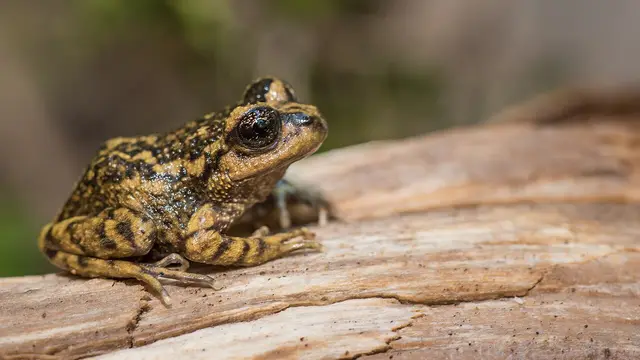
Alsodes valdiviensis is a stocky, brown-and-gold frog of the cool temperate forests of southern Chile, first described from Cordillera Pelada in 2002. The IUCN Red List assessed it as Endangered in 2018, and the population is decreasing. A 2022 record from Chiloé island shows it ranges well beyond its type locality.
How to recognise it
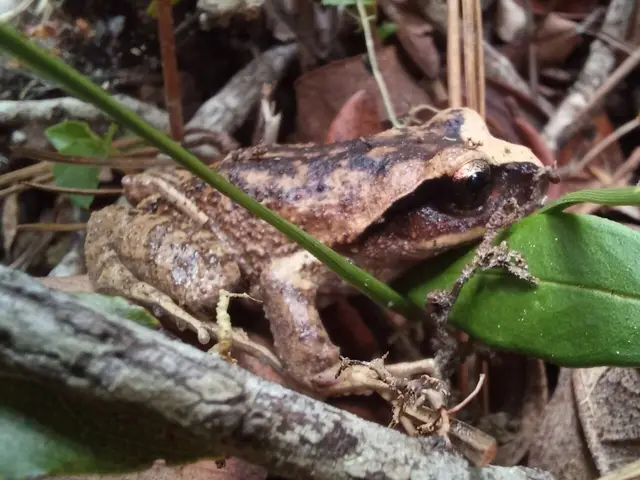
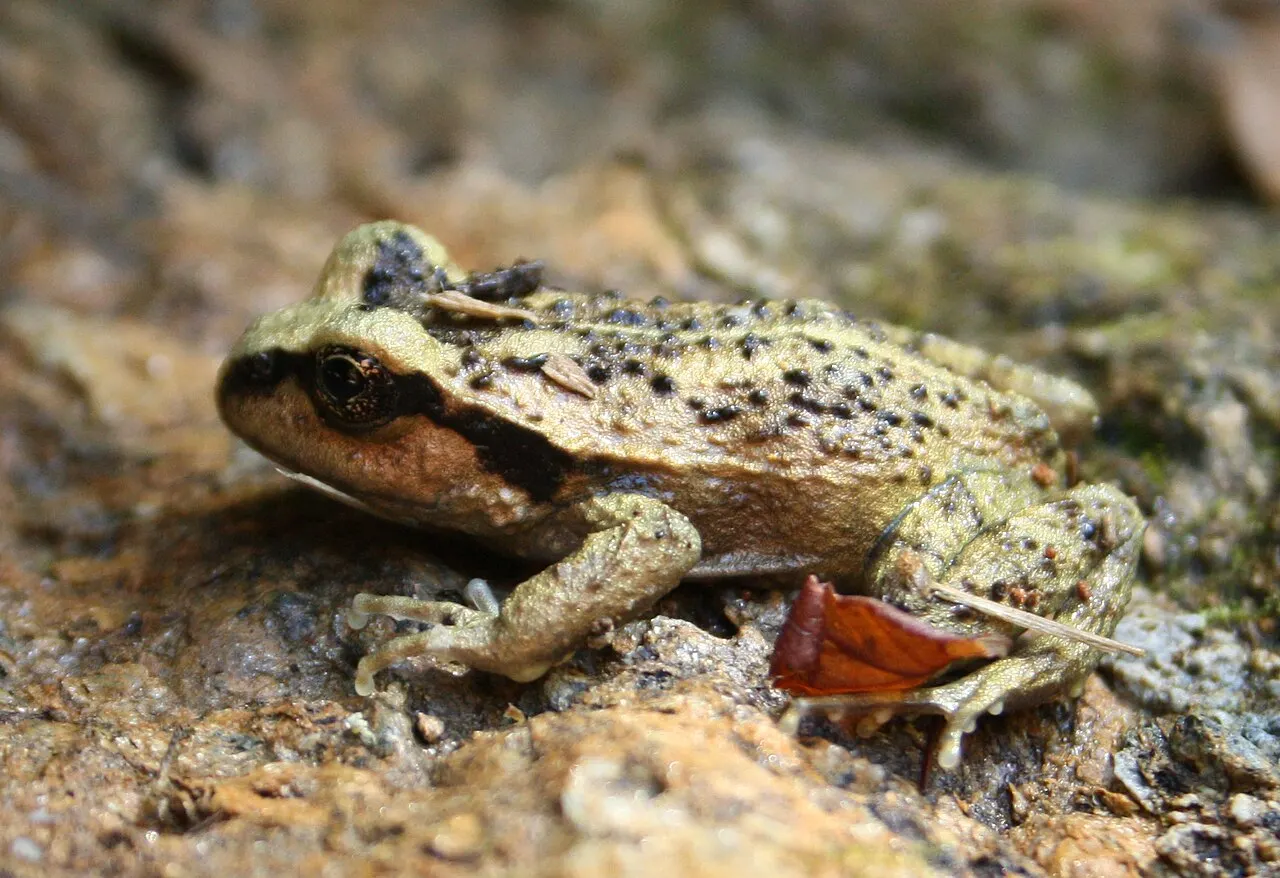
Adults are stocky frogs with well-developed limbs, measuring about 40 to 63 mm from snout to vent. The back and limbs are light brown with golden tints, and the skin on the back and flanks is granular. The snout is blunt from above and there is no visible eardrum. The fingers are long with rounded tips and no webbing, the toes are long, thin and fringed, and the throat and belly are whitish.
Subadults show the first traces of keratinised patches on the chest. Species in this genus are hard to tell apart by looks, so the Chiloé frogs were identified from DNA as well as appearance.
Where it lives
Formas, Cuevas and Brieva described the frog in 2002 from Cerro Mirador in the Cordillera Pelada, Valdivia Province, at about 1,100 m. Later records added sites in the Coastal Range, including Llancahue in Los Ríos Region and Cordillera del Sarao in Los Lagos Region. The 2022 paper also lists Raulintal and Reumén as earlier sites.
In 2022, Rabanal, Correa and Gargiulo, writing in Revista Latinoamericana de Herpetologia, confirmed a population on Isla Grande de Chiloé, at Llicaldad near the city of Castro, at about 550 m. It lies 157 km south of the previous southernmost site and stretches the known range to about 300 km north to south. The IUCN's 2018 assessment predates that record. It counts two locations, an extent of occurrence of about 246 square kilometres, and elevations from 533 to 1,100 m.
Pins are Wikidata “endemic to” fields. Orange dots, when present, are GBIF occurrence tiles — survey bias included.
How it lives
The frog lives in temperate Nothofagus and Fitzroya forest and in bogs. Males have been found under logs at the forest edge in spring and summer, and the species reportedly breeds in cold, fast-flowing streams. On Chiloé, the frogs were found under fallen logs and rocks in open ground surrounded by young native forest and scrub, with the nearest stream about 260 m away. Twelve juveniles turned up at two sites at least 600 m apart during one expedition, and one adult male measured 57 mm.
Why it is in trouble
The IUCN lists increased fire frequency and intensity as the threat, and notes that the habitat area is still shrinking and the population is severely fragmented. The Chiloé population lies outside any state protected area, which leaves it open to habitat loss from deforestation and grazing land. The Chiloé population seemed healthy, since many frogs turned up with little searching, but the paper says that needs checking over time.
What is being done
The IUCN reports that the species occurs in at least one protected area. Chile's national classification system lists it as Endangered, on the basis of 2015 data that counted fewer than five known populations. The Chiloé researchers recommended monitoring that population and searching for others on the island.
Sources
Written for this catalog in our own words from the sources below, checked against them on 12 November 2026. Population figures are estimates and carry the year they were made. Status and assessment year: IUCN. 2026. The IUCN Red List of Threatened Species. Version 2026-1. iucnredlist.org.