Papua New Guinea
22 catalog pins
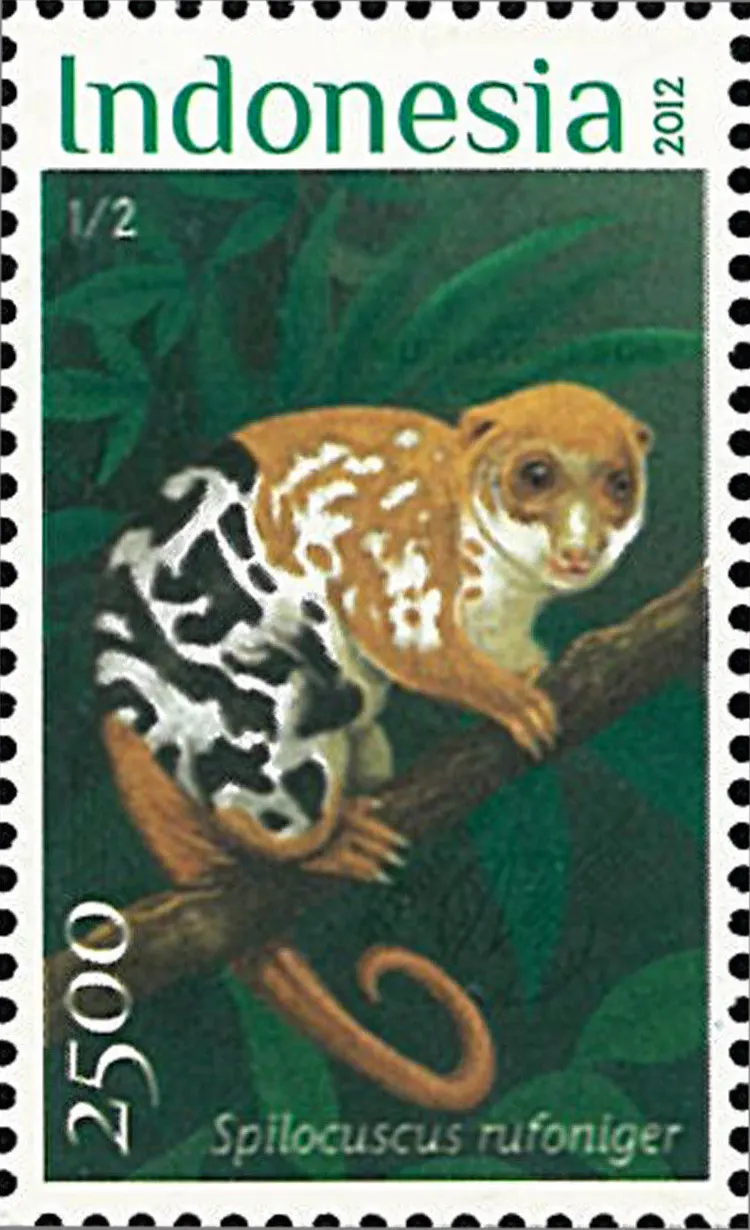
22 animals in this catalog carry a structured country pin for Papua New Guinea. That is a filing fact, not a claim that the crisis is only here.
The photograph is one of those animals: Black-spotted cuscus. Open a dossier for the text, the status, and the map. Use the world map to jump to another country. Confirm official distributions on the Red List.
Papua New Guinea covers the eastern half of the island of New Guinea and many smaller islands. A summary of the country reports that it supports around 5 percent of all known species. The country's draft profile for the Convention on Biological Diversity adds that more than half of its plants and animals have not yet been scientifically named.
Its coral reefs hold about 2,800 fish species, roughly a tenth of the world's total, and it has 33 mangrove tree species, which the profile calls the highest mangrove diversity in the world. Endemism probably exceeds 30 percent overall. The profile lists 82 of 314 freshwater fish, 328 of 641 amphibians and reptiles, 77 of 740 birds and 69 of 276 mammals as found nowhere else (undated).
Where the pressure comes from
Rainforest covers about 28.2 million hectares, and the CBD profile says roughly 2.9 million hectares are degraded, with forest loss near 1.4 percent a year. Another summary gives about 1 percent a year and names logging as the main source of overexploitation. The profile also lists mining, oil and gas, and timber, palm oil, coffee, cocoa and coconut production among the industries behind the pressure.
Hunting is a major threat too. The black-spotted cuscus is hunted for meat and for fur used in capes and headwear. In freshwater, Mozambique tilapia introduced in 1954 harmed native fish, and catches of native species have declined. In some coastal communities, dynamite fishing damages reefs, and warming oceans bleach the corals that grow there.
What is being done
Communities own most of the land, with figures of 90 percent or more, so protection usually works through landowners. Wildlife Management Areas were designed to involve landowners, though their results have not yet been evaluated. The YUS Conservation Area on the Huon Peninsula, created in 2009, was the country's first conservation area. Since 1975 it has set up 44 terrestrial protected areas covering 1.6 percent of land. A Protected Areas Act passed in February 2024 lets customary owners apply for protected status and aims at 30 percent protected by 2030. Lake Kutubu, a Ramsar site, has 12 endemic fish.
Reading the catalog for Papua New Guinea
The catalog's list for Papua New Guinea has 22 animals. Corals (Anthozoa, 12) are the largest group, then snails (4), mammals (2), amphibians (2) and 2 records with no class. Ten are in the coral family Acroporidae. The two amphibian records are in Microhylidae, a family that includes Paedophryne, a genus of seven known species counted among the smallest vertebrates. A few records in the list belong to other regions, so a pin is not proof that a species lives in the country.
Sources for this section
- CBD country profile, Papua New Guinea: species, endemism, forest area, threats
- Wikipedia, Papua New Guinea: 5 percent of known species
- Wikipedia, Environmental issues in Papua New Guinea: logging, land tenure, protected areas, 2024 Act, tilapia
- Wikipedia, Black-spotted cuscus: hunting and habitat threats
- Wikipedia, Paedophryne: seven species, smallest vertebrates
- Wikipedia, Coral bleaching: warming as cause
What the catalog records for Papua New Guinea
The catalog has 22 animals with a country pin for Papua New Guinea: 5 Critically Endangered and 17 Endangered. By GBIF class the largest groups are Anthozoa (12), Gastropoda (4), Mammalia (2), Amphibia (2). The families with the most records are Acroporidae (10), Microhylidae (2), Melanotaeniidae (2). A pin means a structured source (Wikidata or a GBIF match) places the animal in Papua New Guinea; it does not say the animal lives only there.
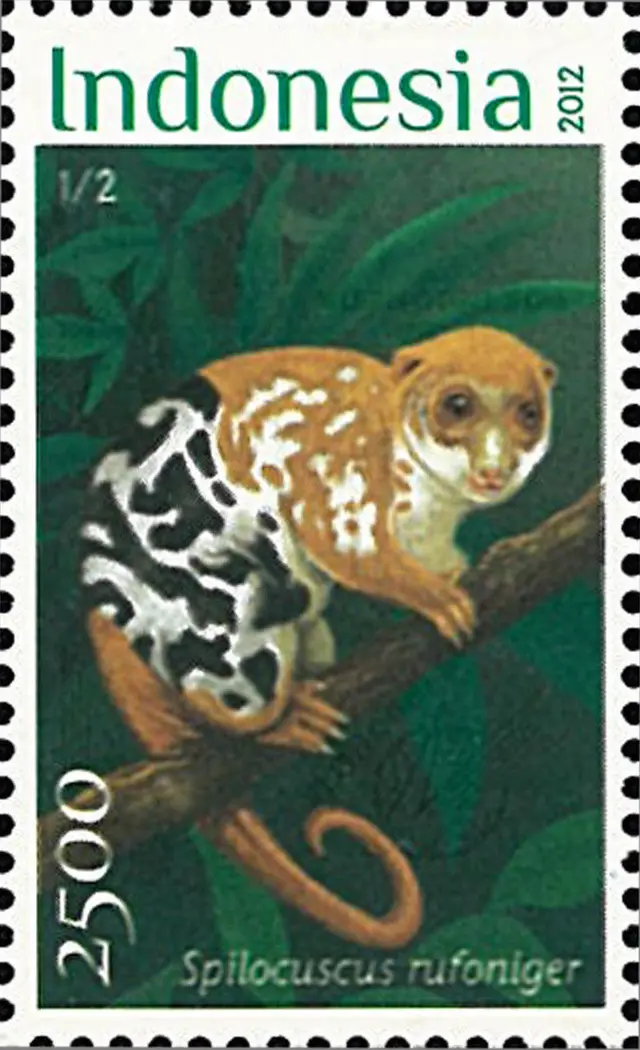 CR
Black-spotted cuscus
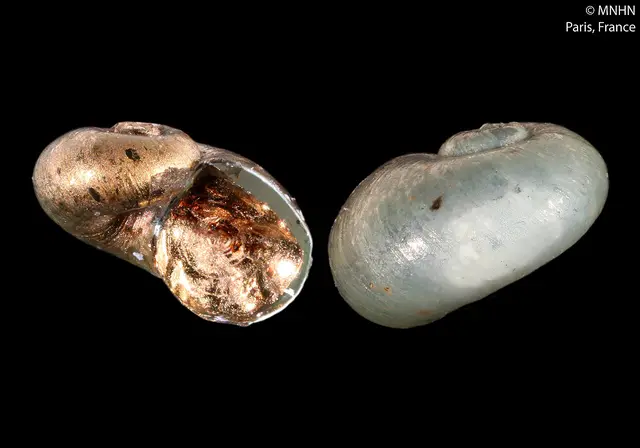 CR
Helicrenion reticulatum
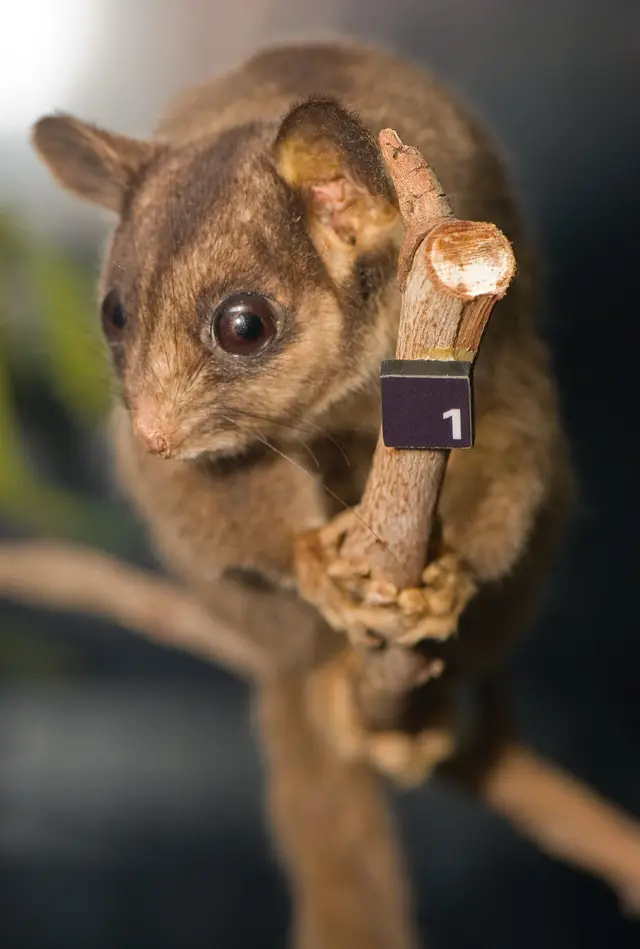 CR
Leadbeater's possum
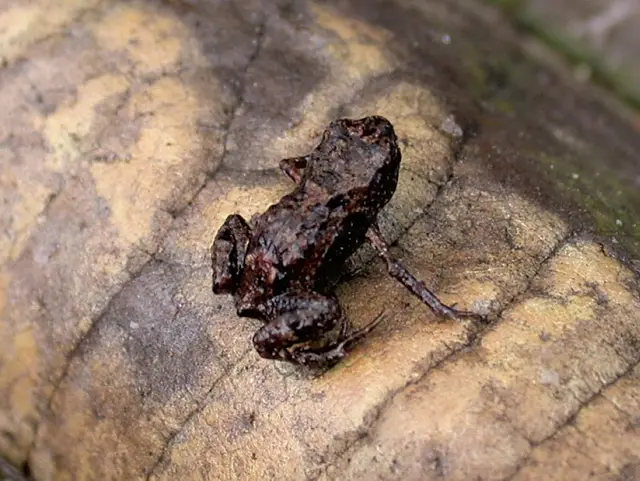 CR
Paedophryne kathismaphlox
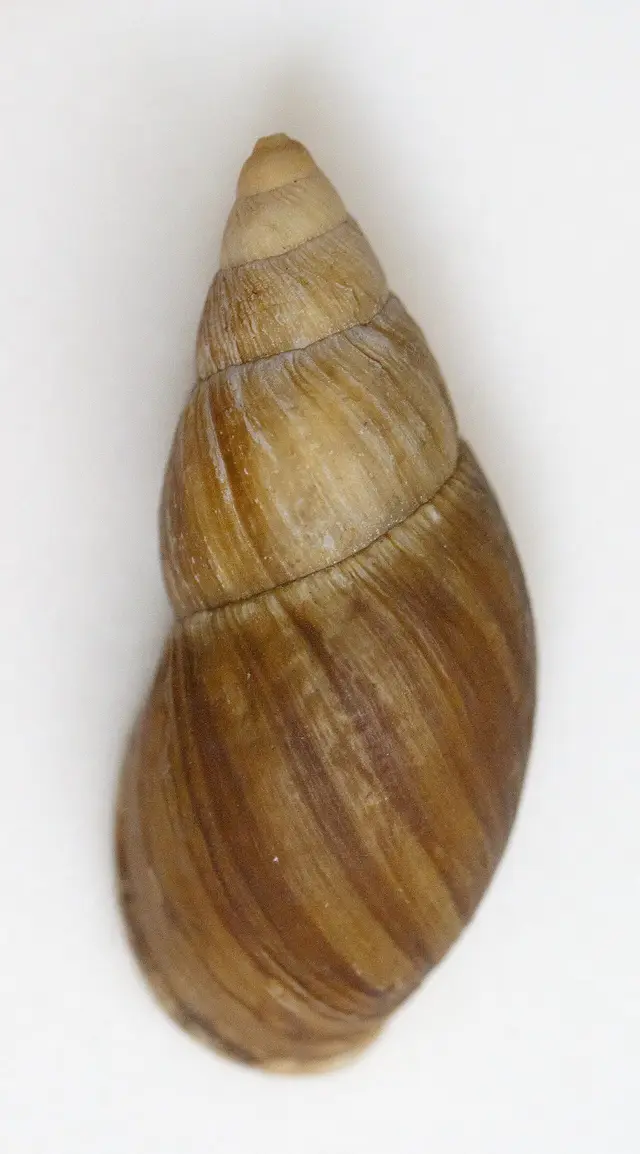 CR
Lord Howe woodhen
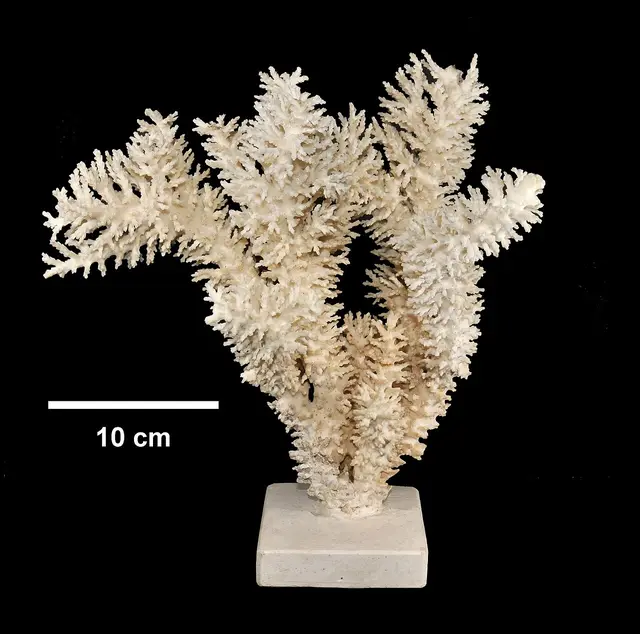 EN
Acropora carduus
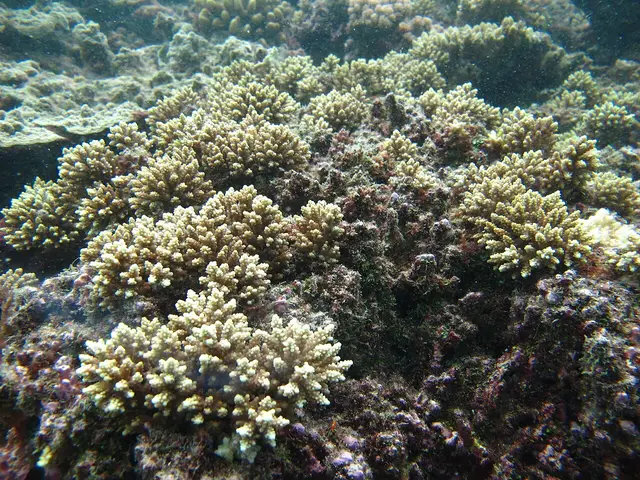 EN
Bottlebrush Coral
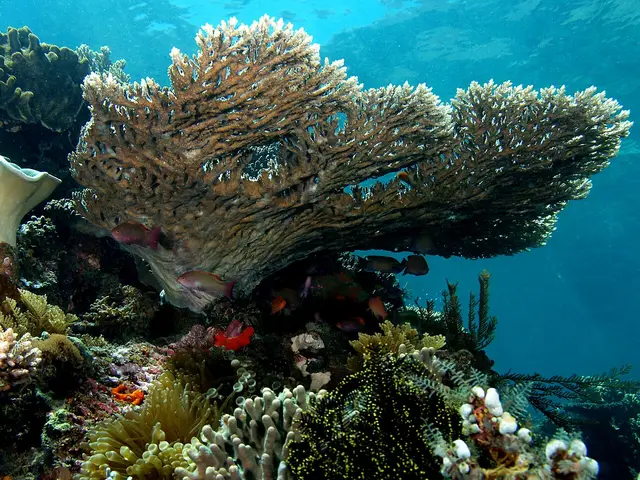 EN
Bali Shortcake
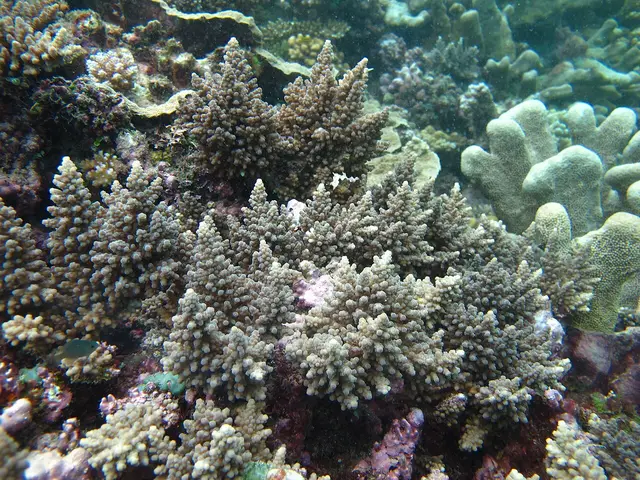 EN
Acropora longicyathus
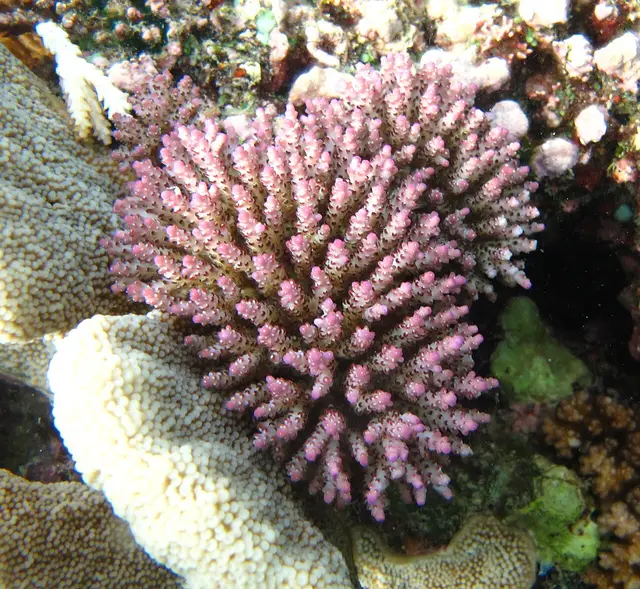 EN
Acropora nana
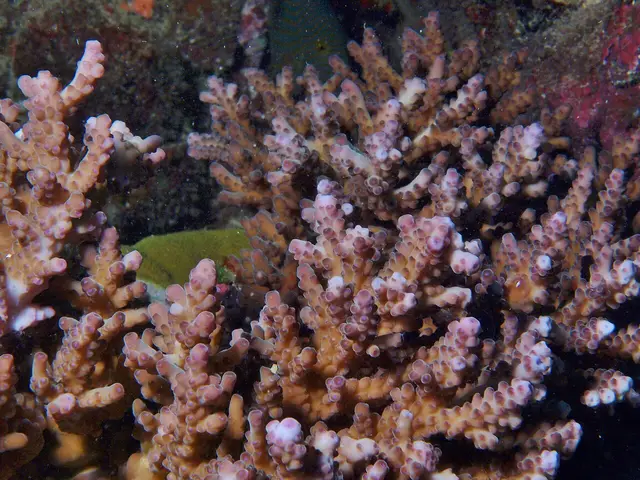 EN
Knobsnout parrotfish
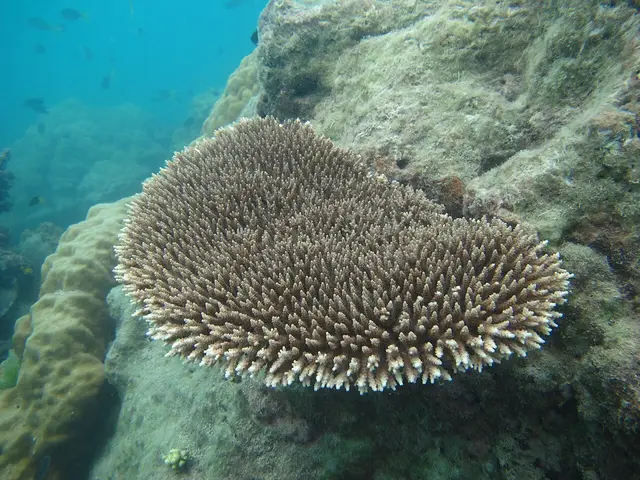 EN
Acropora subulata
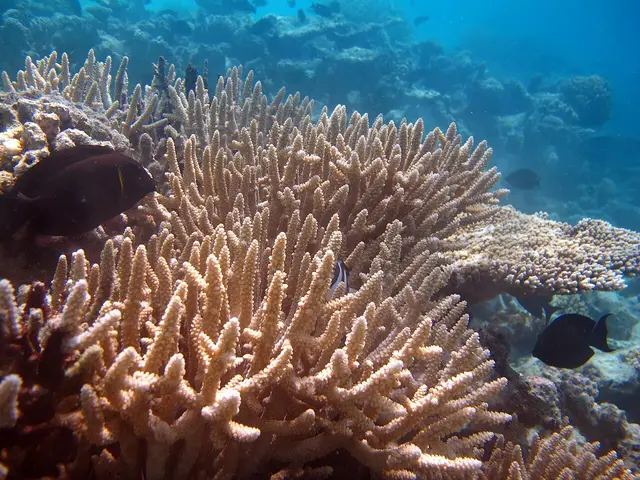 EN
Acropora valenciennesi
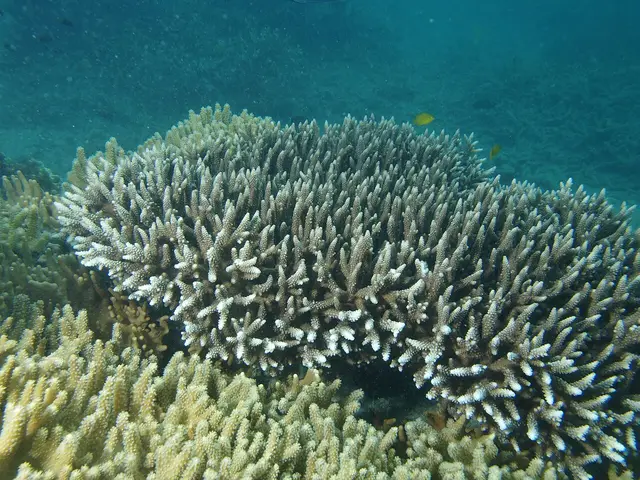 EN
Acropora yongei
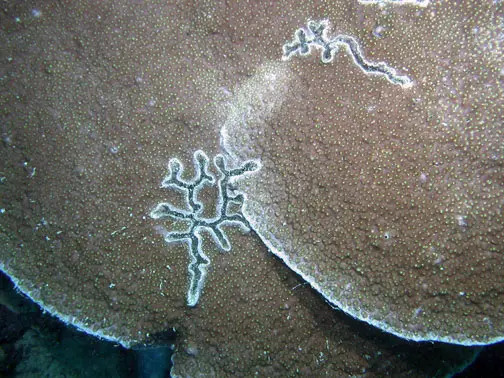 EN
Astreopora cucullata
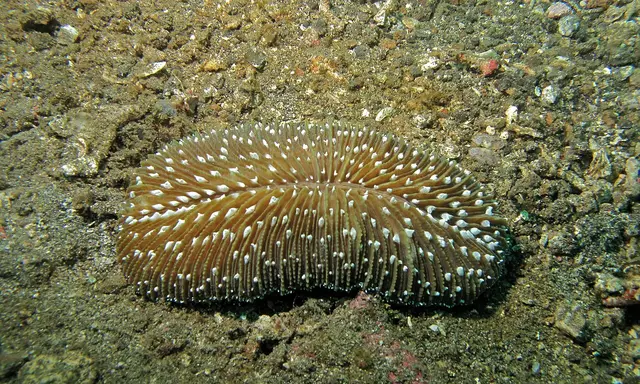 EN
Ctenactis albitentaculata
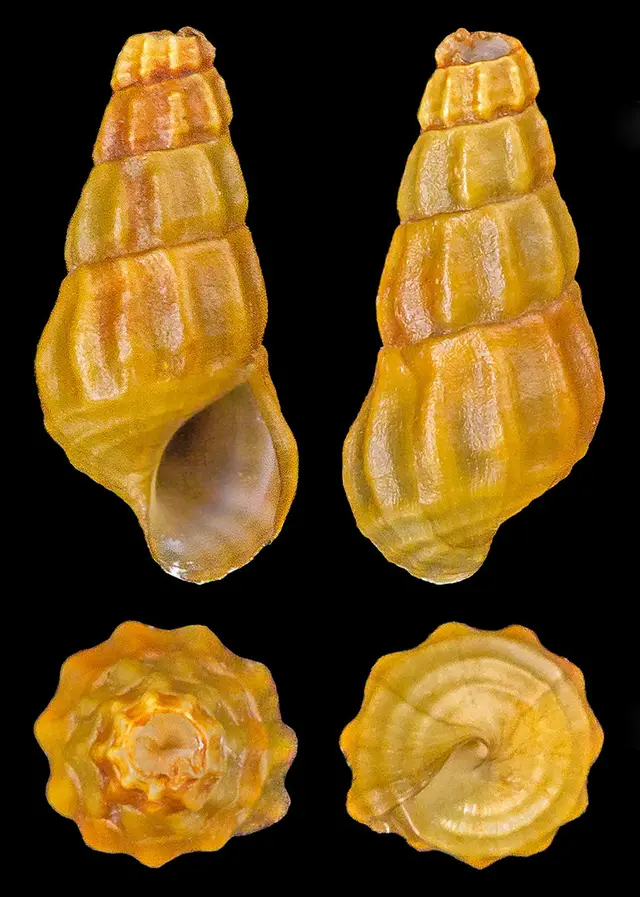 EN
Costate Cinderella Snail
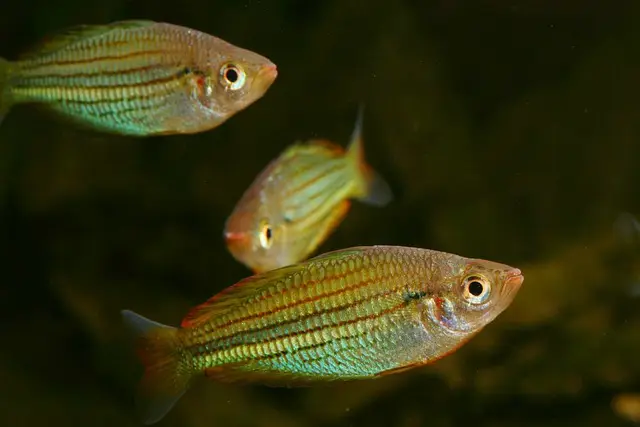 EN
Fly River rainbowfish
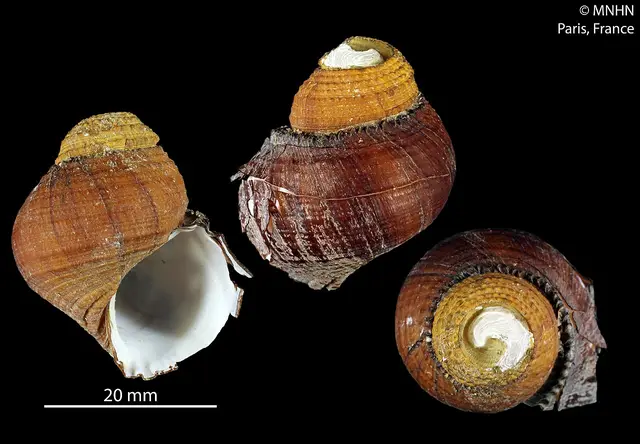 EN
Alviniconcha
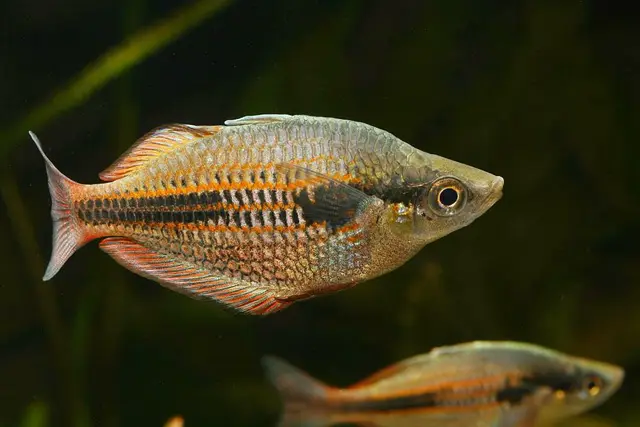 EN
Lakamora Rainbowfish
 EN
Oreophryne cameroni
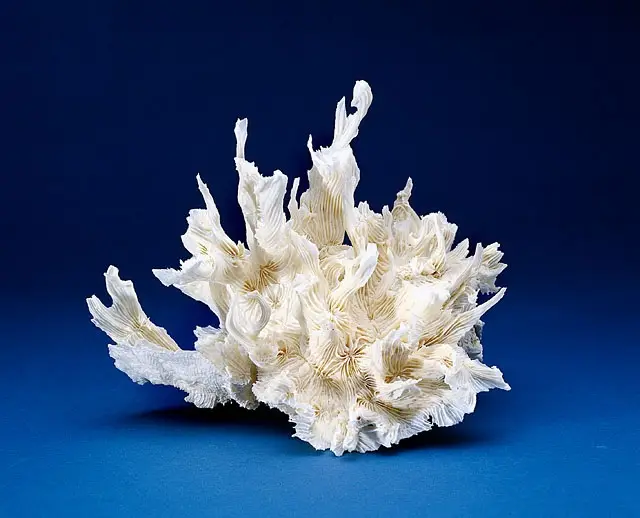 EN
Pectinia alcicornis
Total pins: 22.
Quick answers
- Do all these animals live only in Papua New Guinea?
- No. A pin means a Wikidata place field resolved here. Official ranges can be wider.
- Is this a government list?
- No. It is a slice of this catalog.