Argentina
11 catalog pins
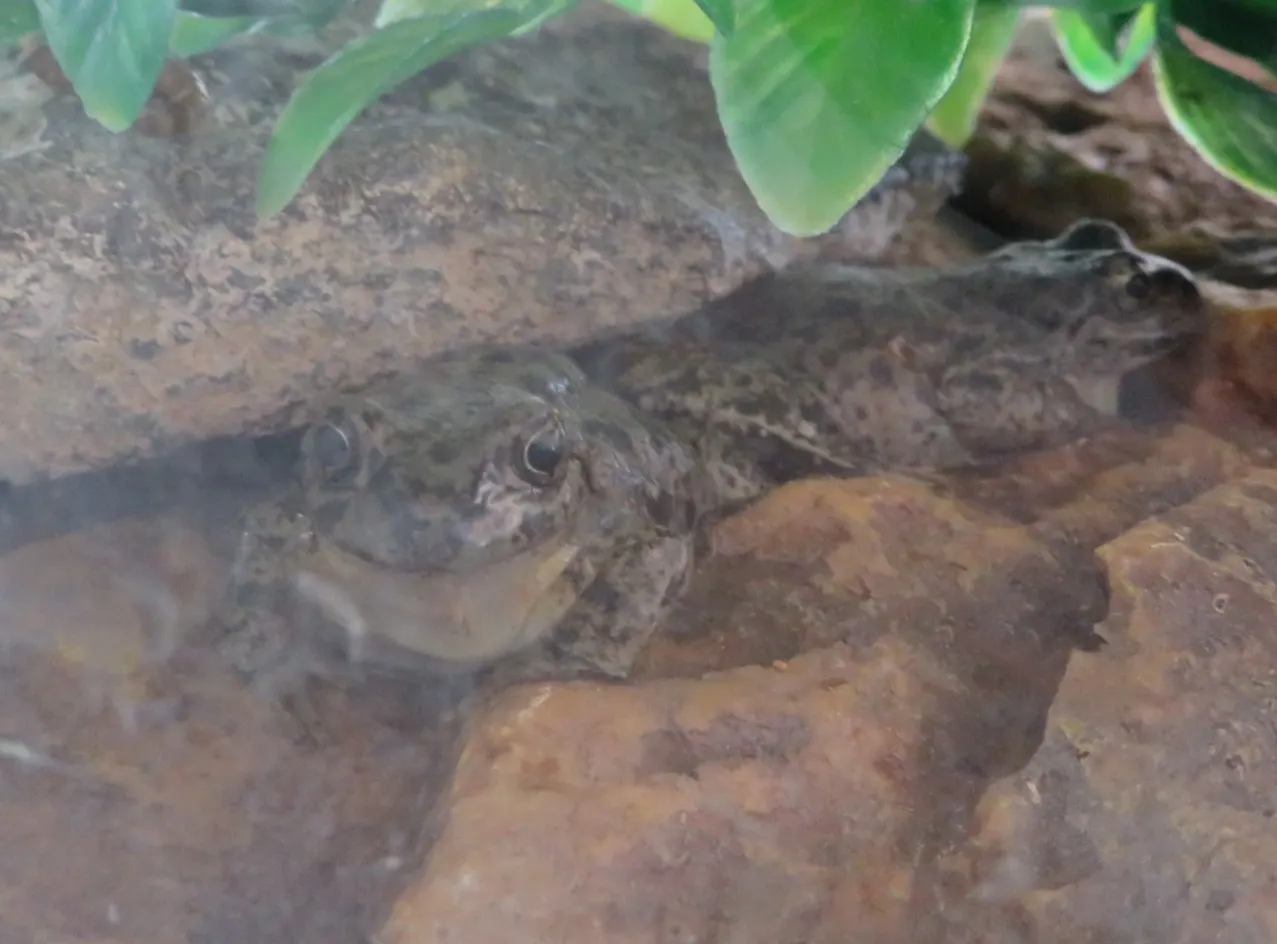
11 animals in this catalog carry a structured country pin for Argentina. That is a filing fact, not a claim that the crisis is only here.
The photograph is one of those animals: Atelognathus patagonicus. Open a dossier for the text, the status, and the map. Use the world map to jump to another country. Confirm official distributions on the Red List.
Argentina stretches from subtropical forest in the north to Tierra del Fuego in the south. Its main biomes include the Gran Chaco in the north, the humid pampas in the centre, drier pampa and the semiarid Cuyo region in the west, and Patagonia, which lies in the rain shadow of the Andes and is dominated by drought-adapted shrubs. Cactus country runs through the northwest, and the High Andes above 4,000 m carry almost no vegetation.
Its CBD profile calls it one of the world's most biodiverse countries. Threatened animals are recorded across several of these regions.
Where the pressure comes from
The CBD profile names fragmentation and loss of native forest from agricultural expansion as the main pressure, most severe in the Chaco, the Atlantic Forest and the Yungas. Forest area fell from about 35.2 million hectares in 1990 to about 28.6 million in 2020, according to FAO figures.
The Chaco is the sharpest case. About 60% of the Gran Chaco lies in Argentina, and a 2019 Mongabay report said more than 2.9 million hectares were cleared across the region from 2010 to 2018, with Argentina responsible for about 80% of it. The report tied the clearing to soy expansion, and also pointed to hunting made easier by new roads and to climate extremes.
The profile also records that reptile threat listings changed sharply between 2000 and 2012, and that caimans dropped off the threatened list by 2012 after conservation work and local incentives.
What is being done
According to the profile, terrestrial protected areas cover 10.66% of national territory, and marine protected areas cover 1.18% of the Argentine Sea. Coverage of key ecosystems is uneven: 18.4% of the Upper Parana Atlantic Forest, 6.4% of the Dry Chaco and 32.5% of the Yungas. Argentina adopted its first biodiversity strategy in 2003 and was finalizing a revised one for 2014 to 2020 when the profile was written.
In 2025, a Supreme Court ruling ordered an end to exploitation of the Caimancito oilfield in Calilegua National Park and a restoration plan due by 2030.
Reading the catalog for Argentina
The pins are a mix. Amphibians, lizards (Squamata) and records with no class recorded in the facts file each account for 3 pins, and mammals for 2. Both mammals are tuco-tucos (genus Ctenomys). Several of the unclassed records have fish genus names in the facts file.
Sources for this section
- CBD country profile, Argentina: threat trends, protected area coverage, strategy dates, main pressures
- Wildlife of Argentina: biomes, FAO forest figures, 2025 Calilegua ruling
- Mongabay, Gran Chaco at risk of collapsing (2019-09-17): Chaco share in Argentina, clearing 2010 to 2018, causes
What the catalog records for Argentina
The catalog has 11 animals with a country pin for Argentina: 3 Critically Endangered and 8 Endangered. By GBIF class the largest groups are Amphibia (3), Squamata (3), unknown (3), Mammalia (2). The families with the most records are Ctenomyidae (2), Liolaemidae (2), Batrachylidae (1). A pin means a structured source (Wikidata or a GBIF match) places the animal in Argentina; it does not say the animal lives only there.
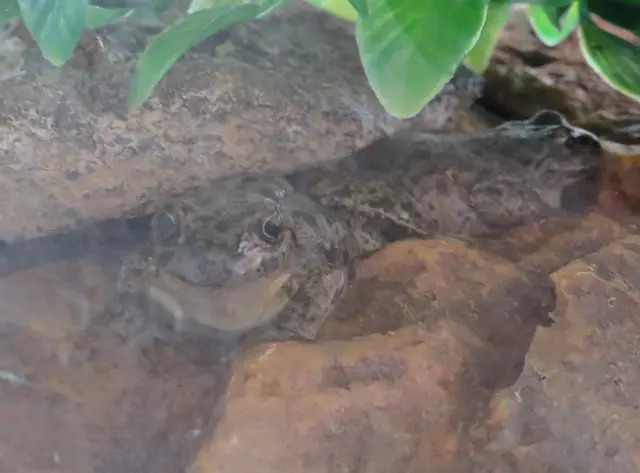 CR
Atelognathus patagonicus
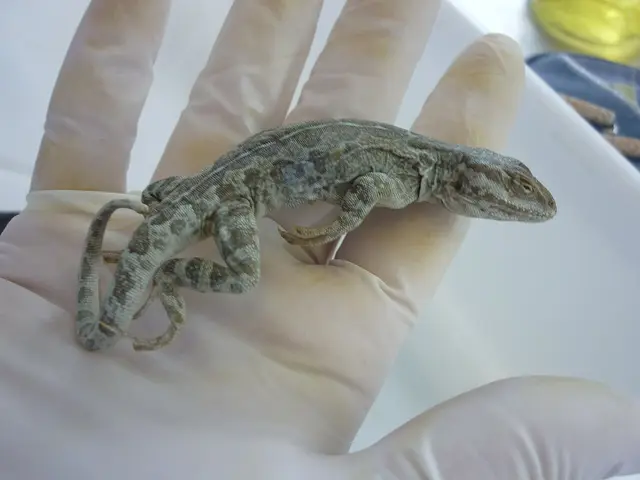 CR
Casuhatien Anole
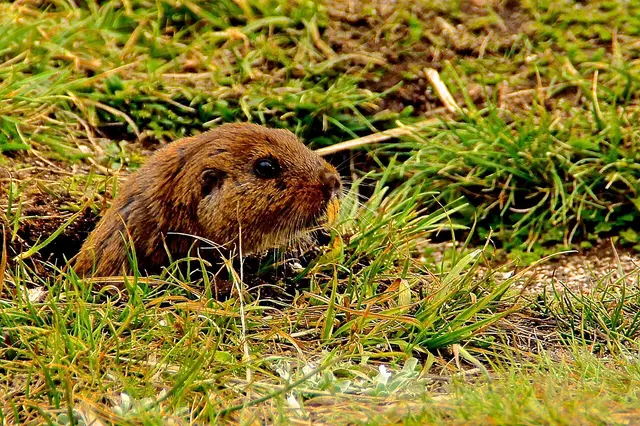 CR
Reig's tuco-tuco
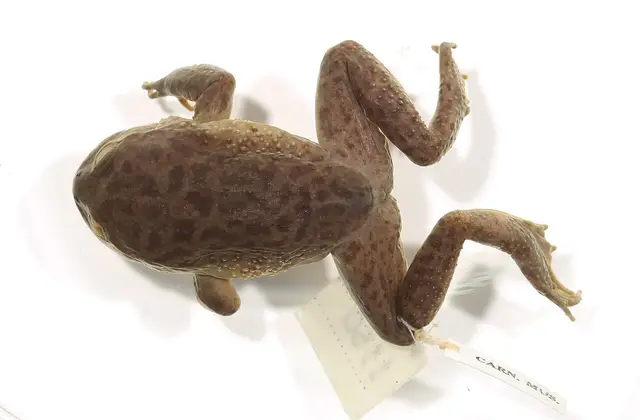 CR
Telmatobius atacamensis
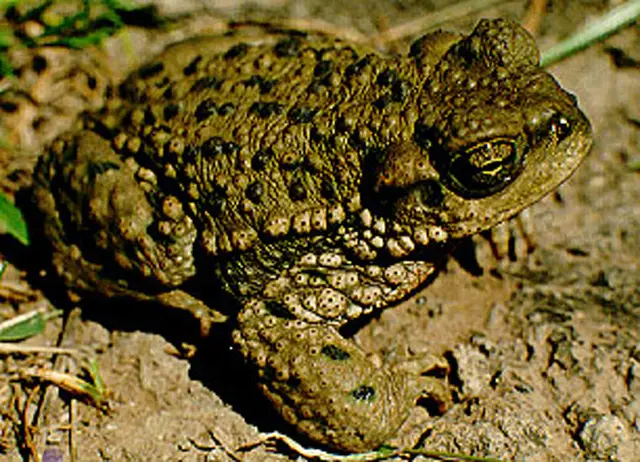 EN
Chaunus achalensis
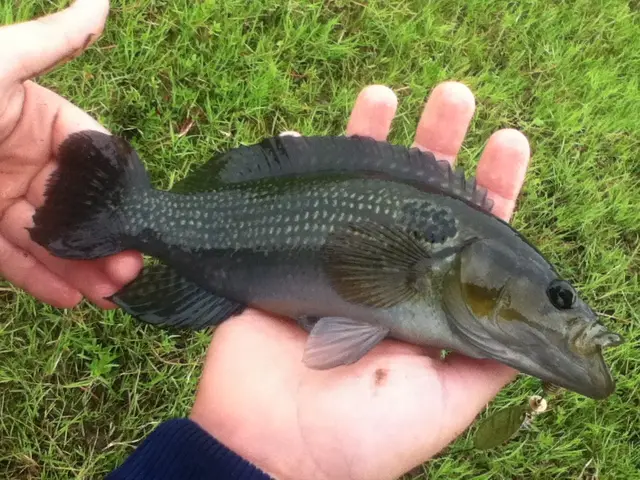 EN
Burned Pike Cichlid
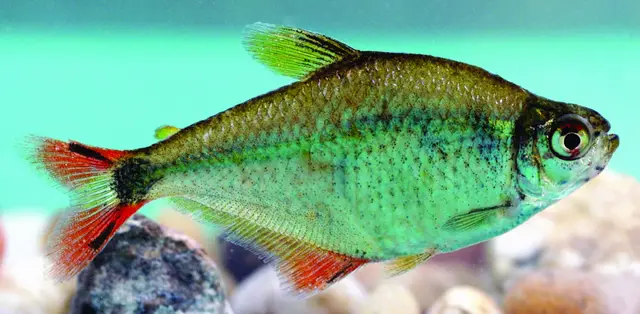 EN
Hyphessobrycon nicolasi
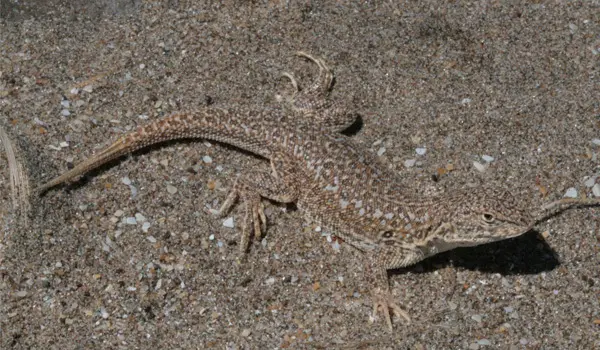 EN
Many-spotted Tree Iguana
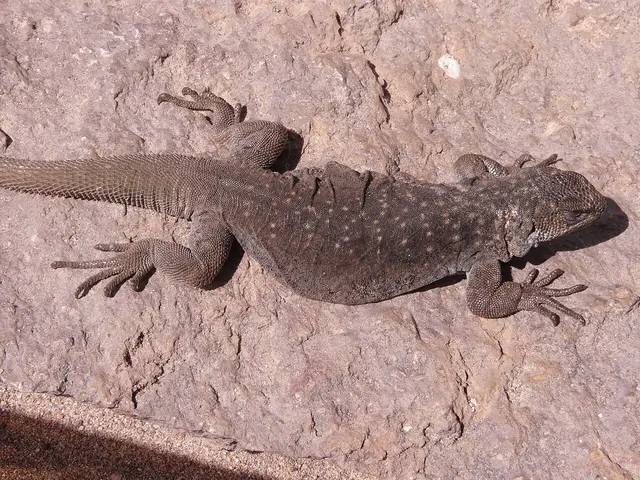 EN
Dark Chuckwalla
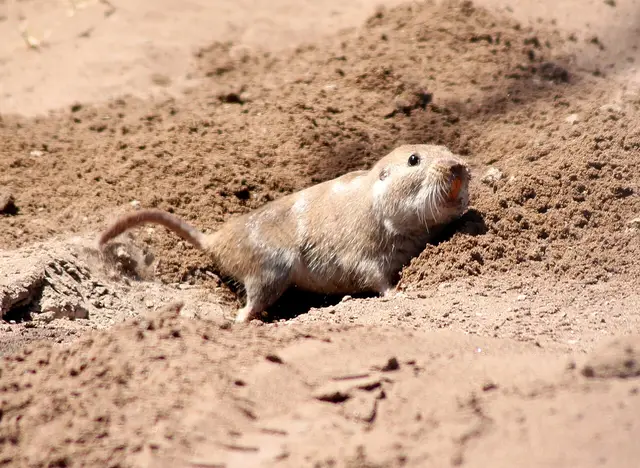 EN
Southern tuco-tuco
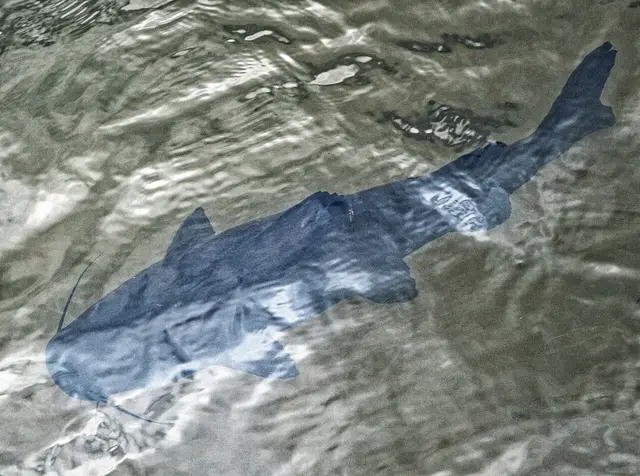 EN
Iguazu River
Total pins: 11.
Quick answers
- Do all these animals live only in Argentina?
- No. A pin means a Wikidata place field resolved here. Official ranges can be wider.
- Is this a government list?
- No. It is a slice of this catalog.