Critically Endangered
Reig's tuco-tuco
Ctenomys osvaldoreigi
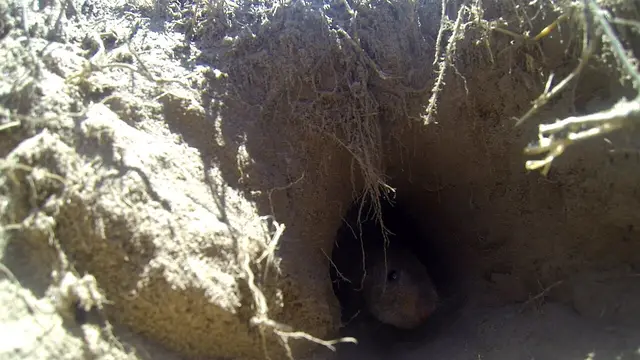
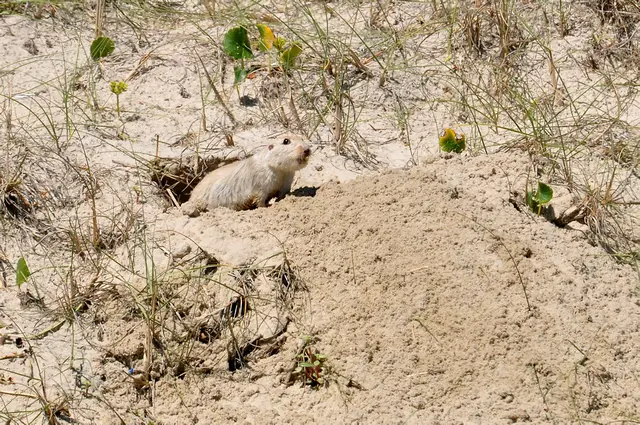
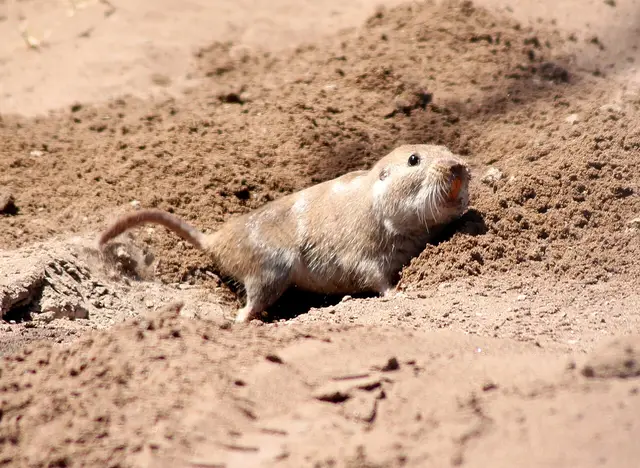
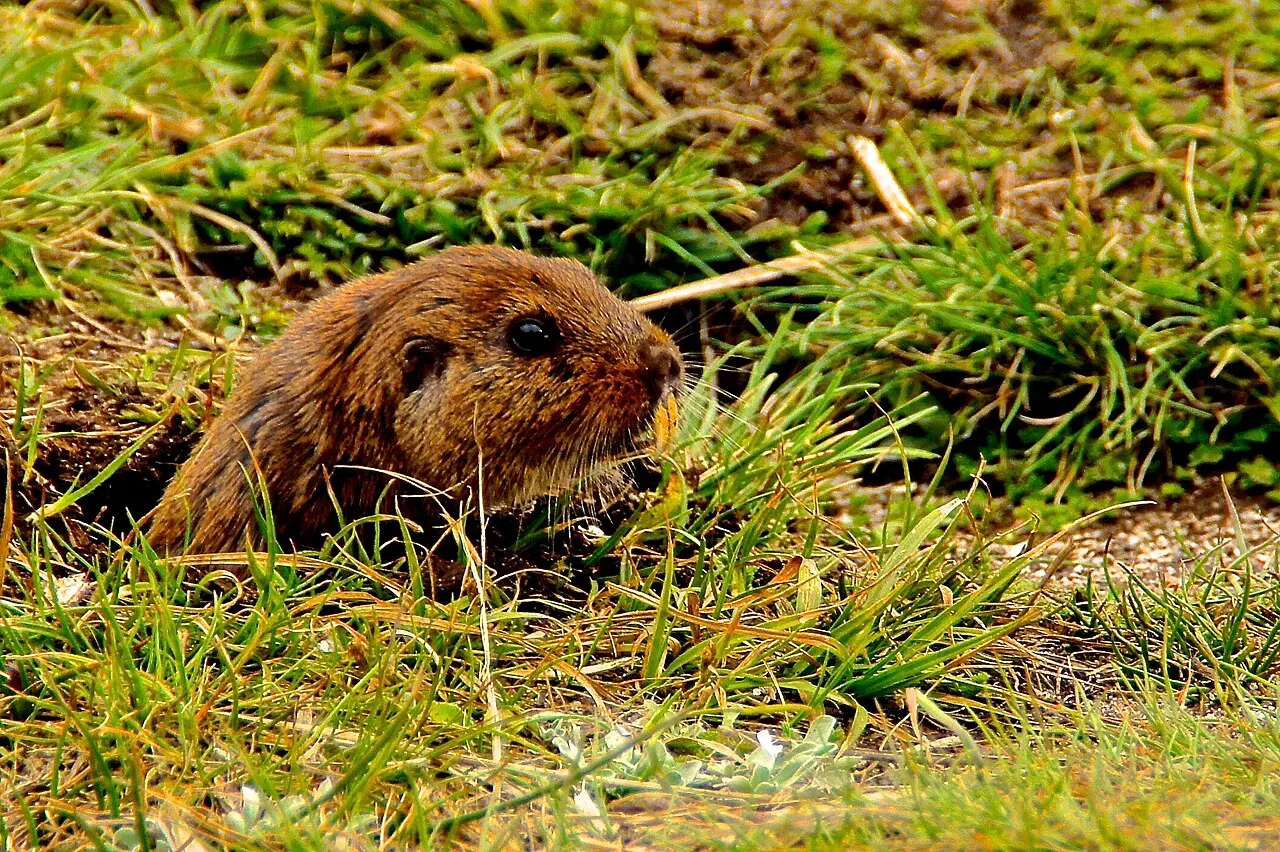
Reig's tuco-tuco (Ctenomys osvaldoreigi) is a burrowing rodent known only from high grassland in the Sierras Grandes of Córdoba Province, Argentina. The IUCN Red List rated it Critically Endangered in 2018, with a decreasing population. Very little has been published about how it lives.
Where it lives
This species is known from a single place. J. R. Contreras described it in 1995 from Estancia San Luis, at the southeastern edge of Cruz del Eje Department in Córdoba Province. The spot lies along Provincial Route 20, roughly 10 km west of the Río Yuspe, at about 2,000 m above sea level. The holotype specimen is held under the code CFA-MA-12170.
The IUCN counts one location and gives 2,000 m as the lower elevation limit. The habitat it records is high-altitude subtropical or tropical grassland. No population size has been published, and the assessment lists it as unknown.
Pins are Wikidata “endemic to” fields. Orange dots, when present, are GBIF occurrence tiles — survey bias included.
How it lives
Details for this particular species are scarce, so the wider tuco-tuco genus gives the best context. The genus Ctenomys has about 60 species, 15 to 25 cm long, that live in burrows and are reported to spend up to 90 percent of their lives underground. Most are solitary, and they are active by day.
Whether Reig's tuco-tuco follows that pattern, how large its home range is and how it breeds have not been documented in the sources available.
Why it is in trouble
A species confined to one patch of mountain grassland has little margin for error. The IUCN assessment records an ongoing decline in the area it occupies and lists ecosystem degradation and conversion as stresses. Its named threat is small-holder grazing, ranching or farming. Other accounts single out fire and sheep grazing as the pressures on its habitat.
The listing criteria, B2ab(i,ii,iii), reflect the tiny range: a very small area of occupancy at a single location, with that area and the quality of its habitat declining.
What is being done
The 2018 assessment lists habitat restoration and site or area protection among the conservation actions. It records whether a recovery plan or a systematic monitoring scheme exists as unknown, so no running programme can be pointed to. The most useful next step is simple: find out how many animals are left.
Sources
Written for this catalog in our own words from the sources below, checked against them on 12 November 2026. Population figures are estimates and carry the year they were made. Status and assessment year: IUCN. 2026. The IUCN Red List of Threatened Species. Version 2026-1. iucnredlist.org.