Endangered
Flamarion's tuco-tuco
Ctenomys flamarioni
Flamarion's tuco-tuco, also called the tuco-tuco of the dunes, is a pale burrowing rodent found only on the coastal dunes of Rio Grande do Sul, southern Brazil. The IUCN Red List rates it Endangered (assessed 2019), with a shrinking, fragmented habitat squeezed by seaside development.
How to recognise it
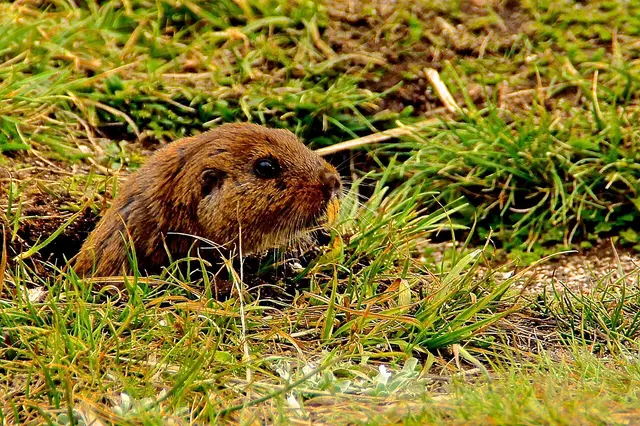
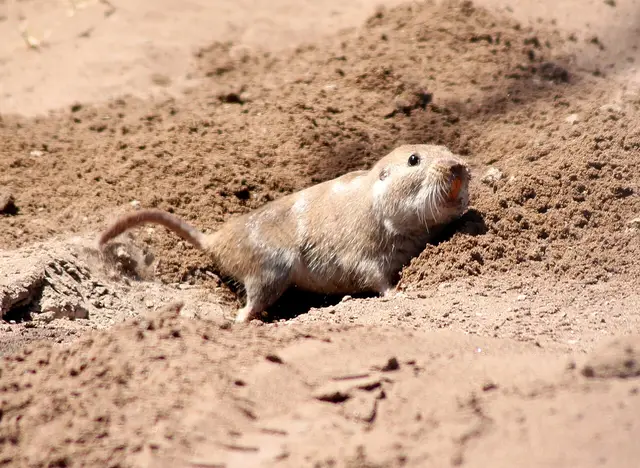
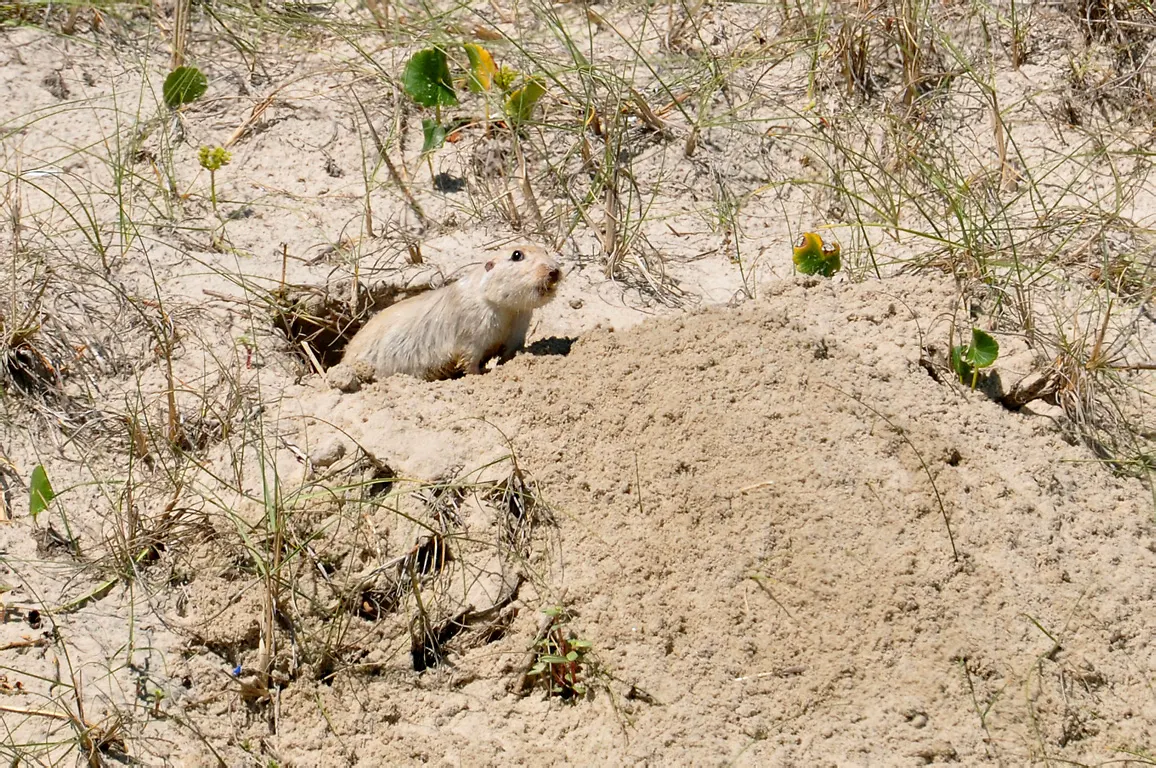
This is a stocky, light-coloured rodent with pale to white fur that blends into the sand. It is longer and heavier than the other tuco-tucos of Rio Grande do Sul, and its skull is sturdier. It spends nearly all its time underground, so it is rarely seen.
Where it lives
It is endemic to the first line of dunes along the Rio Grande do Sul coast, the youngest sandy deposit on the coastal plain. Its range runs from Arroio Teixeira beach near Capão da Canoa in the north to Chuí on the Uruguayan border in the south, and it is often found only a few metres from the sea.
The Red List counts 1 to 5 locations and estimates the area it actually occupies at about 228 square km. The occupied area and the extent of its range are both still shrinking, and the Red List gives no total population estimate.
Pins are Wikidata “endemic to” fields. Orange dots, when present, are GBIF occurrence tiles — survey bias included.
How it lives
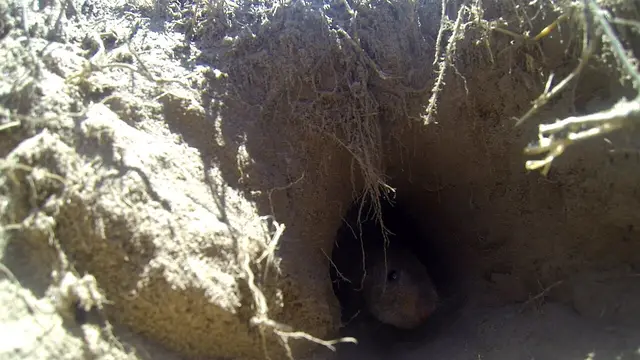
The animals are solitary. Each tunnel system is occupied by a single individual, which seldom leaves the burrow except to feed, clean its den or push out excess sand. Tuco-tucos as a group eat roots, seeds and grasses, and their digging brings nutrients to the surface, so they are called ecosystem engineers.
Its chromosome number is fixed at 2n = 48, but the fundamental number varies from 50 to 78 along a south to north gradient. A 2007 genetic study by Fernández-Stolz defined two evolutionarily significant units, one on each side of the Patos Lagoon inlet.
Why it is in trouble
The main threat is losing the front dune line to housing, condominiums and tourist development, a problem that peaks in the summer holiday season. The Red List also lists recreational activities, and quarrying or mining. More vehicles, sports and litter on the dunes in summer, trampling, and domestic animals such as dogs and cats add pressure. Rising sea level could also push the species out of its narrow strip. Because the animals dig up house gardens, some residents do not welcome them.
Brazil's national list rated it Vulnerable in 2007, and the Rio Grande do Sul state list also includes it. A paper in the Brazilian Journal of Biology called it the most endangered tuco-tuco in southern Brazil. The Red List trend is decreasing.
What is being done
The Red List records that the species occurs in at least one protected area, and lists site and area management, habitat protection and area protection as conservation actions. Beyond that, little targeted work on this species is documented.
Sources
Written for this catalog in our own words from the sources below, checked against them on 12 November 2026. Population figures are estimates and carry the year they were made. Status and assessment year: IUCN. 2026. The IUCN Red List of Threatened Species. Version 2026-1. iucnredlist.org.