Endangered
Rio Negro tuco-tuco
Ctenomys rionegrensis
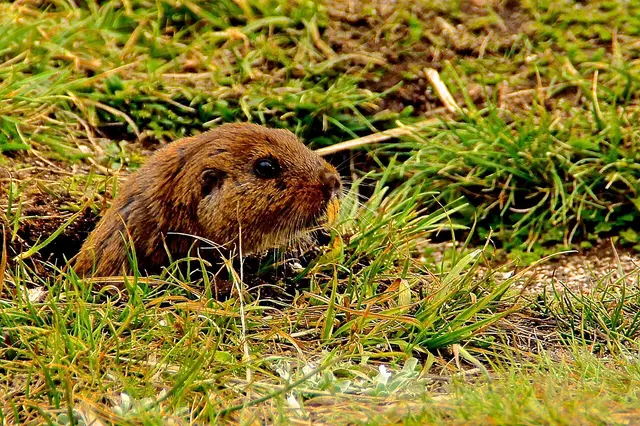
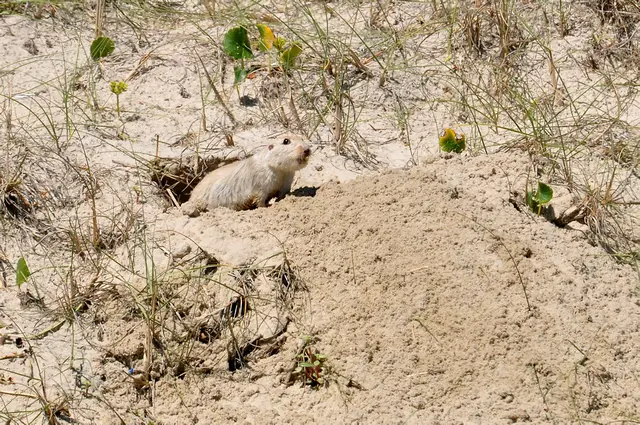
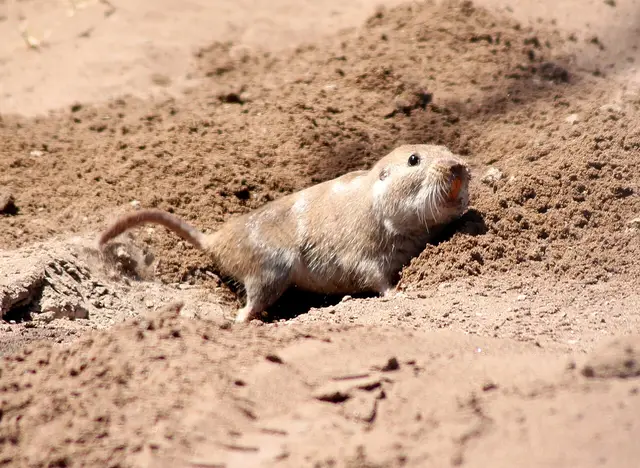
The Rio Negro tuco-tuco is a burrowing rodent confined to sand dunes in western Uruguay and northeastern Argentina. The IUCN Red List assessed it as Endangered in 2018, with its range fragmented and shrinking as dune land is converted to tree plantations.
What it is
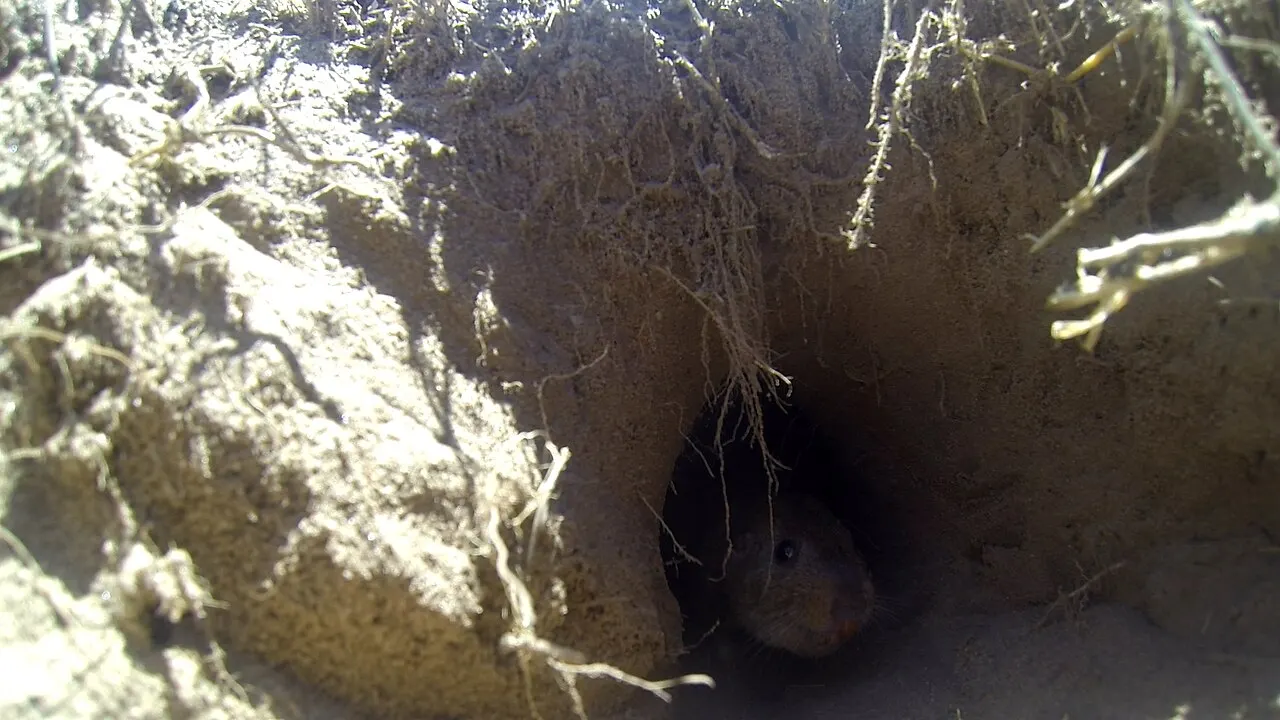
Tuco-tucos are South American rodents that spend most of their lives underground, and the name imitates the sound they make while digging. The Rio Negro tuco-tuco was described in 1970 by Langguth and Abella as a form of another tuco-tuco, Ctenomys minutus, and is now treated as a species in its own right. The first specimens came from Las Cañas, about 7 km southwest of Fray Bentos in Río Negro Department, Uruguay. A chromosome study placed it in the mendocinus group and reported 52 chromosomes, more than in four other species of that group.
Where it lives
It lives on both sides of the Uruguay River, in Río Negro Department in western Uruguay and in Entre Ríos Province in Argentina. The IUCN lists its habitat as coastal sand dunes and temperate desert, and gives an extent of occurrence of about 88,000 square kilometres but an occupied area of only 152 square kilometres. In 2024, a team led by Zelada Perrone reported five previously unknown populations in Entre Ríos, in an area that includes two national parks. Their cytochrome-b DNA work found seven new haplotypes. It put the split of the oldest lineages at about 630,000 years ago, and that of the haplotypes east of the Uruguay River at about 526,000 years ago.
Pins are Wikidata “endemic to” fields. Orange dots, when present, are GBIF occurrence tiles — survey bias included.
Why it is in trouble
Dune land is being turned into plantations, both small-holder and large agro-industry ones. The IUCN rates both as a low-impact but ongoing threat, causing conversion and degradation of the dunes. It describes the population as decreasing and severely fragmented, with its occupied area still shrinking.
What is being done
The IUCN lists site and area protection as the action needed, and research into threats and actions. It records whether a recovery plan or monitoring scheme exists as unknown. The 2024 study suggested its findings may raise questions about the species' classification and could lead to a change in its Endangered status.
Sources
Written for this catalog in our own words from the sources below, checked against them on 12 November 2026. Population figures are estimates and carry the year they were made. Status and assessment year: IUCN. 2026. The IUCN Red List of Threatened Species. Version 2026-1. iucnredlist.org.
- IUCN Red List assessment, Ctenomys rionegrensis (2018)
- Zelada Perrone et al. 2024, Revista Chilena de Historia Natural 97 (abstract via Crossref)
- Mammal Diversity Database, Ctenomys rionegrensis
- Rio Negro tuco-tuco, encyclopedia entry
- Tuco-tuco (genus Ctenomys), encyclopedia entry
- Karyotype and phylogeny study, Genetics and Molecular Biology (SciELO)