Vietnam
11 catalog pins
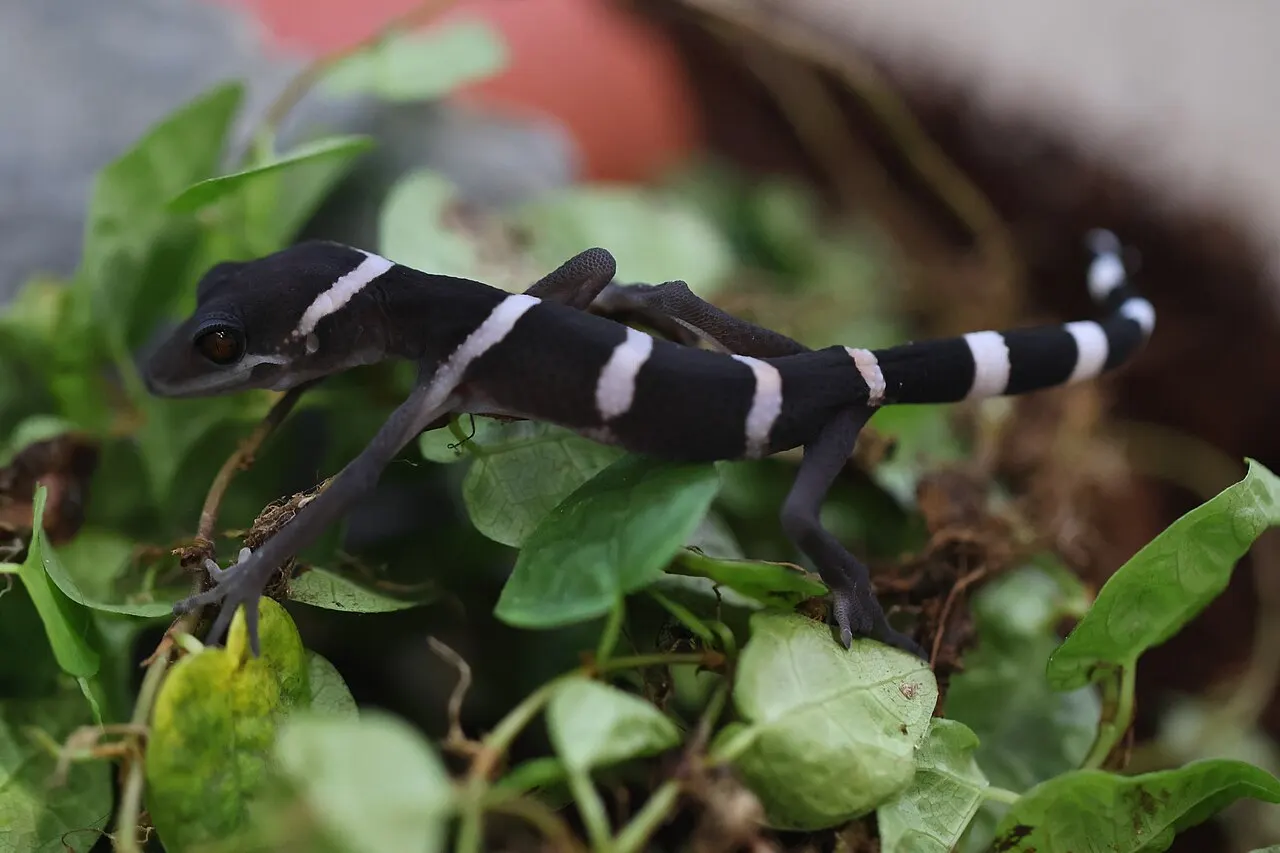
11 animals in this catalog carry a structured country pin for Vietnam. That is a filing fact, not a claim that the crisis is only here.
The photograph is one of those animals: Huu Lien Leopard Gecko. Open a dossier for the text, the status, and the map. Use the world map to jump to another country. Confirm official distributions on the Red List.
Viet Nam has a coastline of about 3,260 kilometers along the South China Sea, with thousands of islands and more than 10 million hectares of wetlands, according to its CBD profile. The profile counts more than 13,200 plant species, roughly 10,000 animal species and more than 11,000 marine species. It is a draft with data mostly from 2005 to 2008.
New species keep turning up. The saola, a forest bovid, was found in Vu Quang National Park in 1992, and almost 1,000 new species were described between 1997 and 2007.
Where the pressure comes from
The CBD profile lists overexploitation, including illegal logging, unsustainable fishing and illegal hunting and trade, along with land conversion for farming, industry and infrastructure. Dams have degraded freshwater habitats. Destructive fishing with explosives, poison and electricity is said to threaten more than 80% of coral reefs.
Forest loss isn't only about area. The profile notes that most forest is now low-diversity plantation and that primary forest covers only about 0.57 million hectares. Mangroves fell from more than 408,500 hectares in 1943 to 155,000 in 2005. Illegal wildlife trade, driven by demand in China and within Viet Nam according to Wikipedia, remains strong, and the Vietnamese Javan rhinoceros was declared extinct in 2010.
What is being done
By 2006 the country had 128 protected areas covering about 2.5 million hectares, around 7.6% of its natural area. It has two World Heritage sites and six biosphere reserves. A first national biodiversity action plan was approved in 1995 and a second completed in 2007. Key laws include the Forest Protection and Development Law (2004) and the Biodiversity Law (2008).
Phong Nha-Ke Bang National Park, inscribed by UNESCO in 2003, is about 96% forested, mostly intact primary forest. Even there, hunting for wild meat and rising visitor numbers are problems. The CBD profile says biodiversity conservation funding averaged only about 0.4% of the national budget, while the government had committed 1% of the budget for environmental protection to biodiversity from 2006. These figures are old, so current numbers may differ.
Reading the catalog for Viet Nam
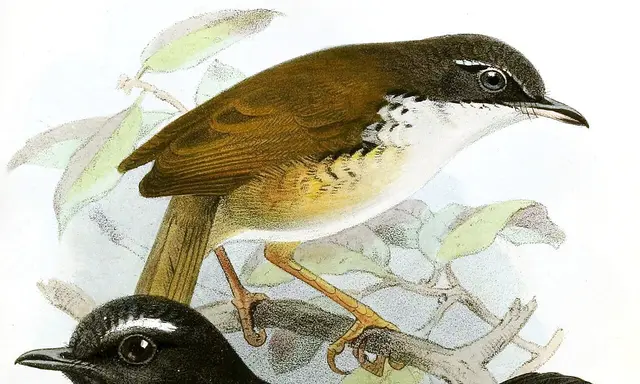
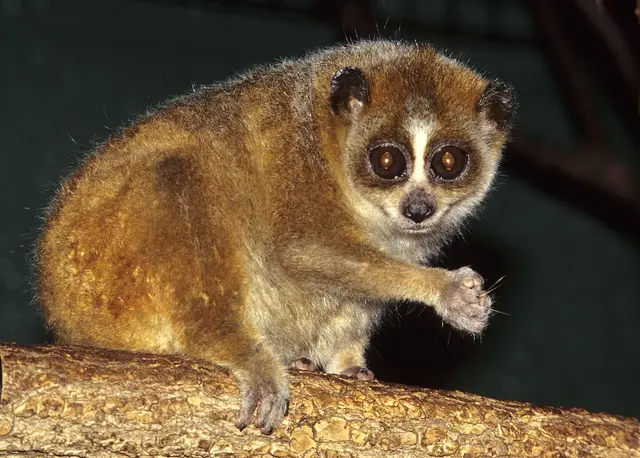
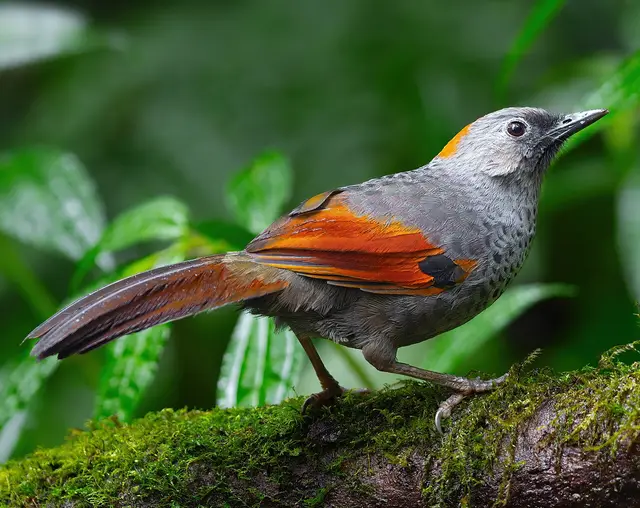
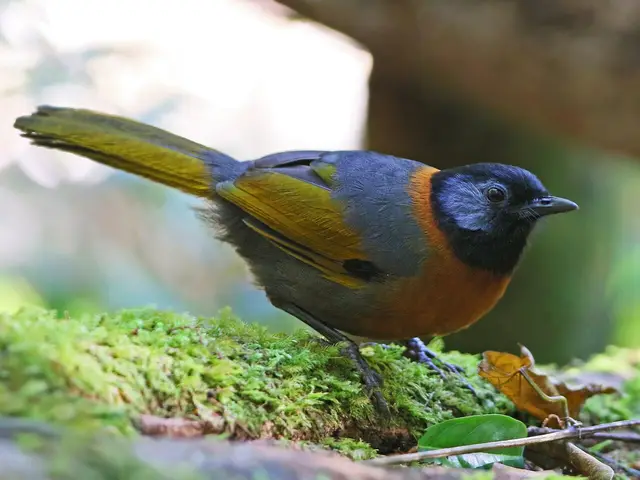
Birds are the largest group in the catalog's list here (4 of 11 records), including three laughingthrushes of the family Leiothrichidae. The rest are two reptiles (Squamata), two corals, one mammal, and two records with no class assigned in the catalog data, the Mekong giant catfish and an anchovy (Coilia mystus). The catfish and one gecko (Goniurosaurus huuliensis) are the two Critically Endangered records; the other nine are Endangered.
Sources for this section
- CBD Viet Nam biodiversity snapshot: ecosystems, species counts, threats, protected areas, plans and laws
- Wildlife of Vietnam (Wikipedia): saola 1992, new species 1997 to 2007, trade, Javan rhino 2010
- Phong Nha-Ke Bang National Park (Wikipedia): 2003 inscription, forest cover, hunting and tourism pressures
What the catalog records for Vietnam
The catalog has 11 animals with a country pin for Vietnam: 2 Critically Endangered and 9 Endangered. By GBIF class the largest groups are Aves (4), Squamata (2), unknown (2), Anthozoa (2). The families with the most records are Leiothrichidae (3), Acroporidae (2), Eublepharidae (1). A pin means a structured source (Wikidata or a GBIF match) places the animal in Vietnam; it does not say the animal lives only there.
 CR
Huu Lien Leopard Gecko
 CR
Mekong giant catfish
 EN
Osbeck's grenadier anchovy
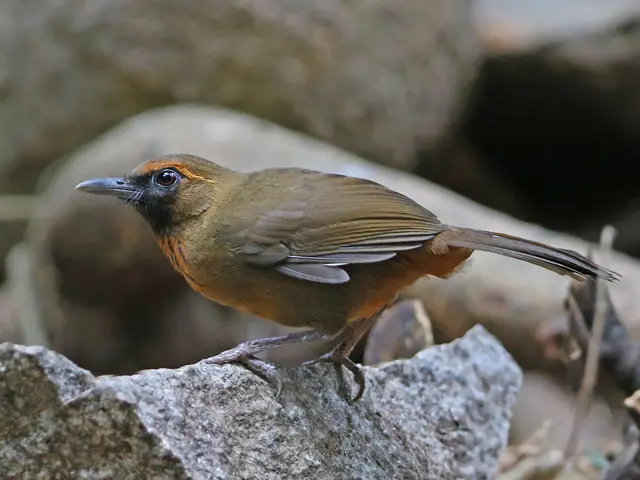 EN
Orange-breasted laughingthrush
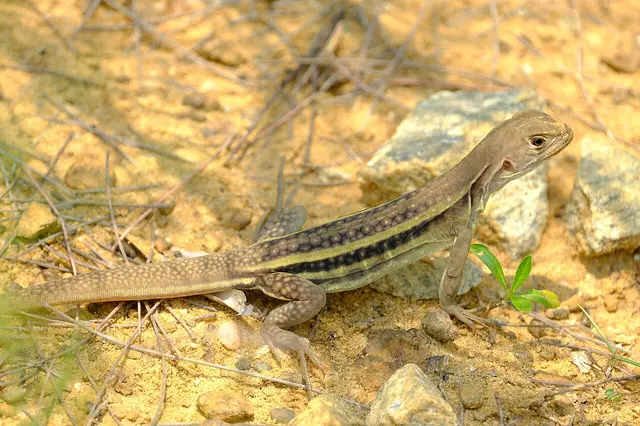 EN
Peters' Butterfly Lizard
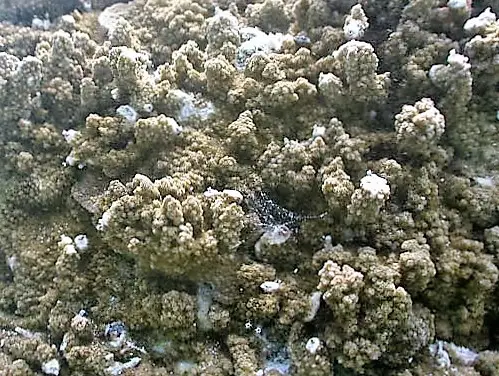 EN
Montipora turtlensis
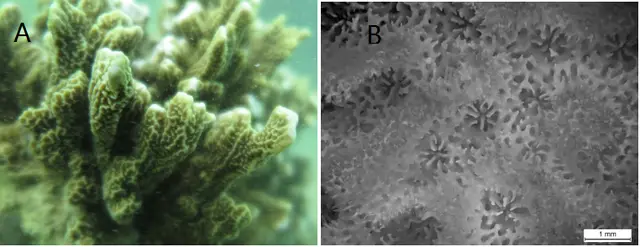 EN
Montipora vietnamensis
 EN
White-throated wren-babbler
 EN
Pygmy slow loris
 EN
Golden-winged laughingthrush
 EN
Collared laughingthrush
Total pins: 11.
Quick answers
- Do all these animals live only in Vietnam?
- No. A pin means a Wikidata place field resolved here. Official ranges can be wider.
- Is this a government list?
- No. It is a slice of this catalog.