Endangered
Mantanzas Least Gecko
Sphaerodactylus intermedius
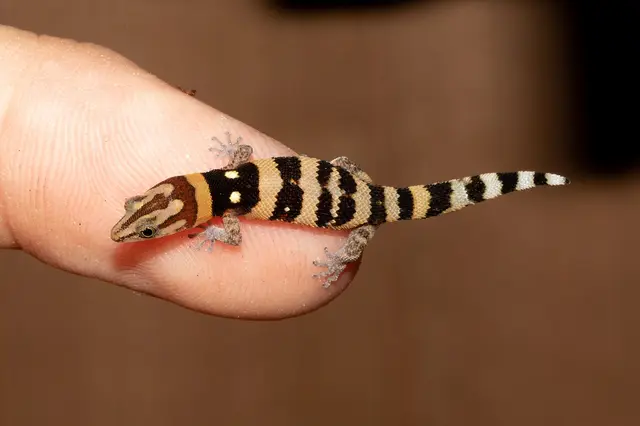
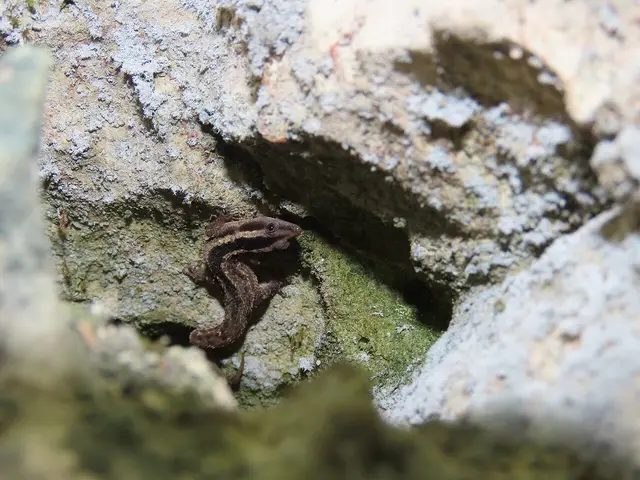
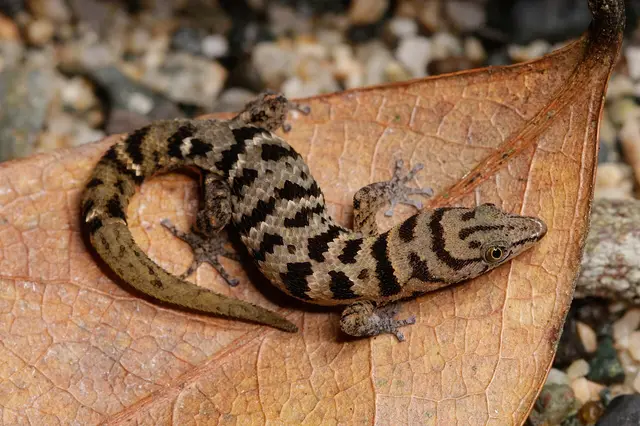
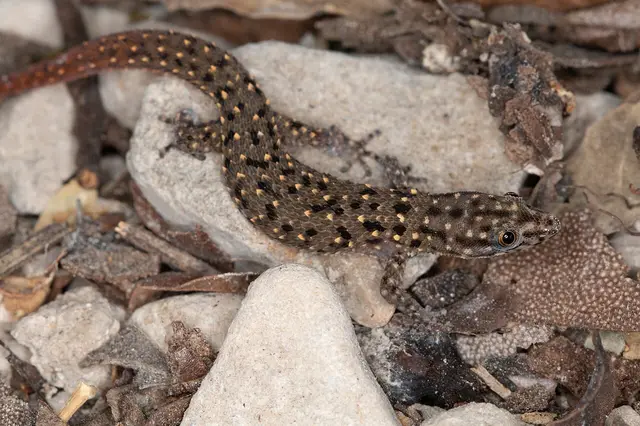
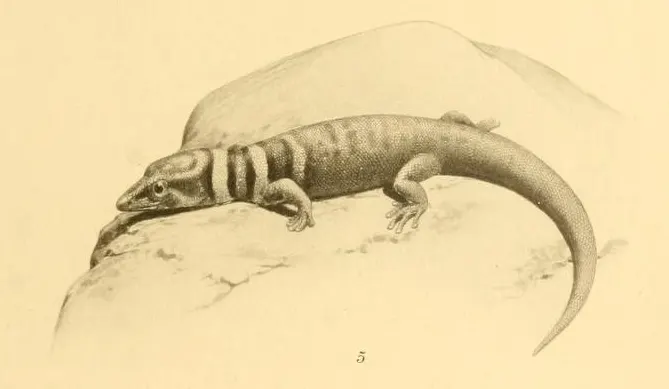
The Matanzas least gecko (Sphaerodactylus intermedius) is a small lizard found only in Cuba, in Habana and Matanzas provinces. The IUCN Red List rated it Endangered in 2017. Its range is small, its habitat is shrinking, and no one has put a number on how many are left.
How to recognise it
It belongs to the genus Sphaerodactylus in the dwarf gecko family, Sphaerodactylidae. T. Barbour and C. T. Ramsden described it in 1919 in The Herpetology of Cuba, a monograph from Harvard's Museum of Comparative Zoology. Its Latin name means "between", a nod to the fact that it looks like a halfway point between two relatives, Sphaerodactylus torrei and Sphaerodactylus elegans.
It lays eggs. Reference works also call it the North Coast banded geckolet, and "Mantanzas" is a common misspelling of the province in the English name.
Where it lives
The species is endemic to Cuba, which means it occurs nowhere else. The type locality, where the first specimens were collected, is the Sierra de Hato Nuevo in Matanzas Province, between Hato Nuevo (Martí) and Sabanilla de la Palma. Museum specimens from that site date to 1918. Others come from Matanzas city (1904), a cave near Playa de Guanabo east of Havana (1957), and the east end of the Hicacos Peninsula at Varadero, inside the Varahicacos Ecological Reserve (2011).
The IUCN lists its habitat as moist lowland forest in the tropics, and also pastureland. It puts the extent of occurrence at about 3,456 square kilometres, spread over four locations.
Pins are Wikidata “endemic to” fields. Orange dots, when present, are GBIF occurrence tiles — survey bias included.
Why it is in trouble
The Endangered rating rests on criterion B1ab(iii), which applies to small ranges where habitat is declining. The assessors recorded two ongoing pressures: tourism and recreation areas, and housing and urban development. How widespread or severe each one is was not rated. They also recorded a continuing decline in habitat.
The population trend is listed as unknown. No published survey counts these geckos, so the number of animals is not known.
What is being done
The IUCN records the gecko in at least one protected area, without naming it. A 2011 museum specimen came from the Varahicacos Ecological Reserve at Varadero. The 2017 assessment lists no species-specific conservation actions, such as a recovery plan or a monitoring programme.
Sources
Written for this catalog in our own words from the sources below, checked against them on 12 November 2026. Population figures are estimates and carry the year they were made. Status and assessment year: IUCN. 2026. The IUCN Red List of Threatened Species. Version 2026-1. iucnredlist.org.