Critically Endangered
Neiba agave sphaero
Sphaerodactylus schuberti
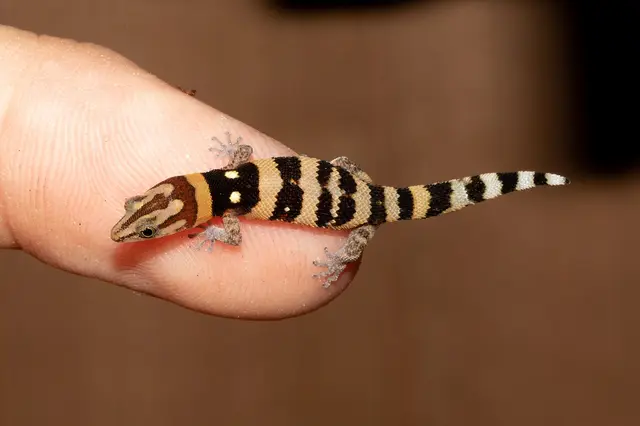
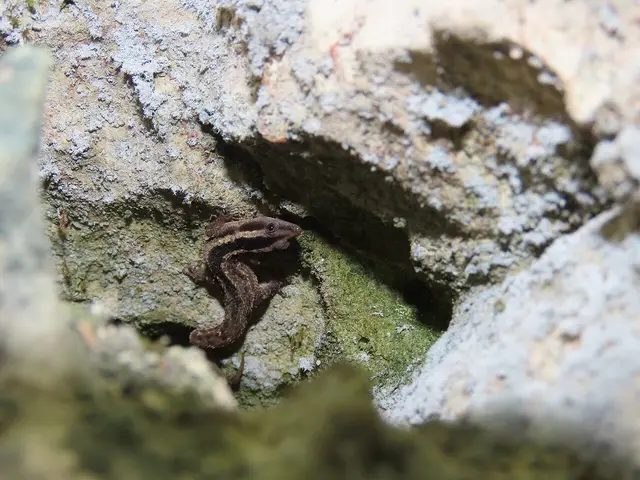
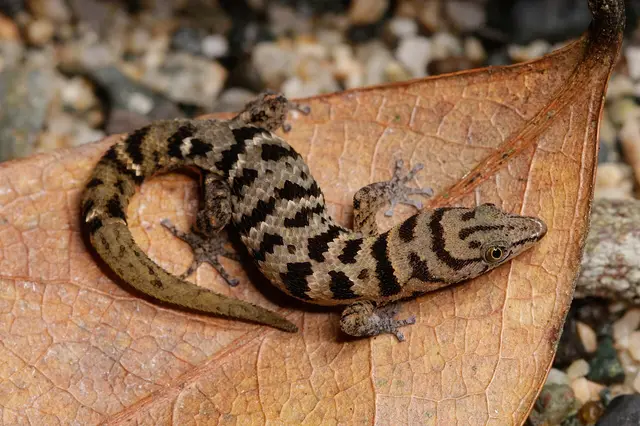
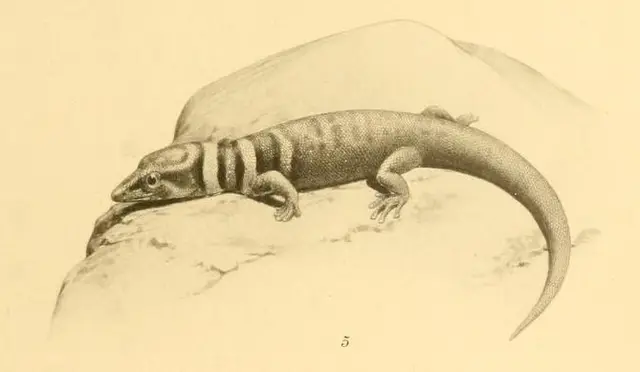
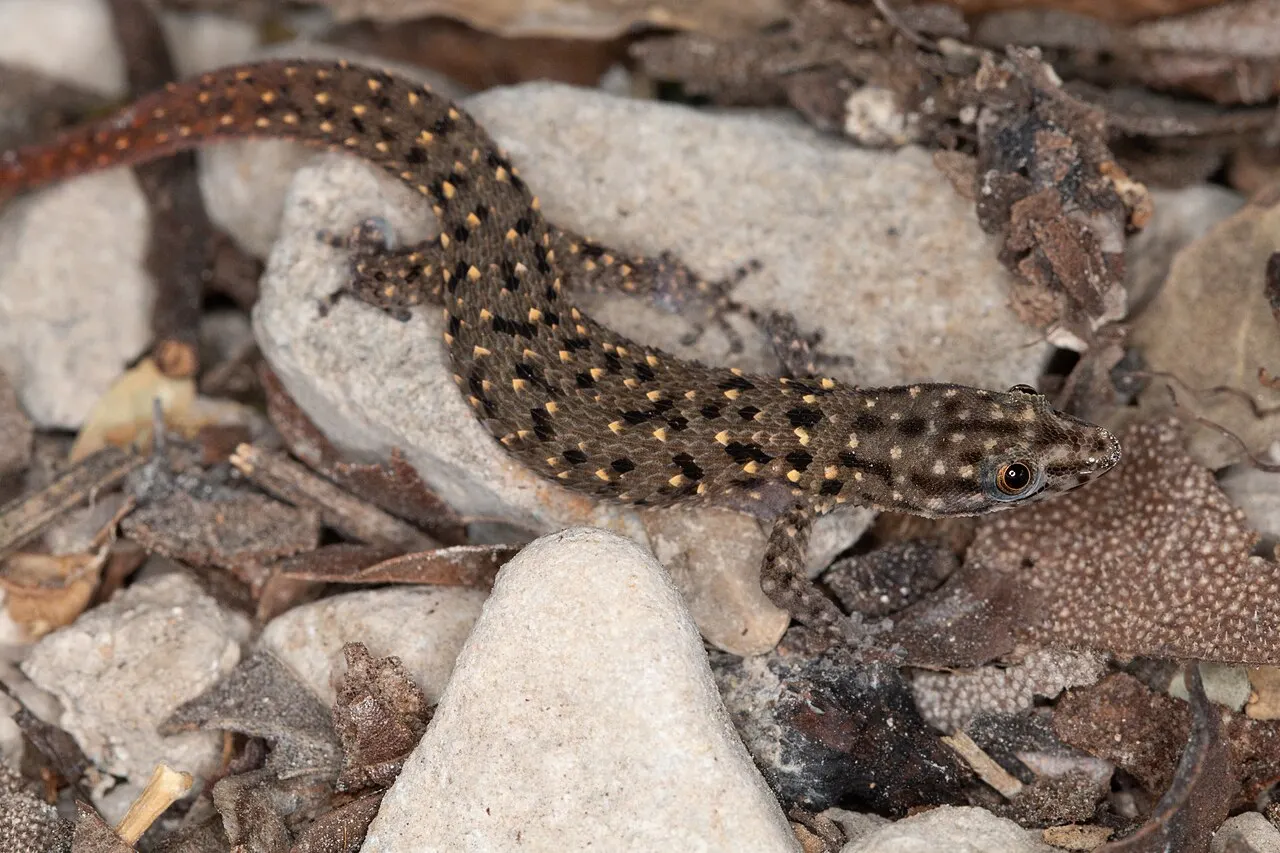
The Neiba agave sphaero (Sphaerodactylus schuberti), also called Schubert's least gecko or the Neiba agave geckolet, is an egg-laying gecko known from one dry-forest site in the Sierra de Neiba, Dominican Republic. It was assessed as Critically Endangered in 2016, and little has been published about it since its description in 1998.
What it is
This is a gecko in the family Sphaerodactylidae. Its common names include Neiba agave sphaero, Neiba agave geckolet and Schubert's least gecko. Thomas and Hedges described it in 1998 in the journal Herpetologica. The species name honours Andreas Schubert, a German zoologist who lives in the Dominican Republic and works for the national park service.
No body length or colour details turned up in the reference sources checked, so the animal is best identified by where and how it lives rather than by field marks. The IUCN calls it an uncommon species. Like others of its group, it lays eggs.
Where it lives
The species is endemic to the Dominican Republic, on the island of Hispaniola, and is recorded only from the dry southern slopes of the Sierra de Neiba. The original specimens came from 5.1 km north-west of La Descubierta, in Independencia Province, at 273 m above sea level. The IUCN treats the area around that site as a single location, with an extent of occurrence of about 12 square kilometres.
That part of the Dominican Republic has been surveyed intensively, and the gecko has never turned up elsewhere. This suggests it really is confined to the one locality rather than simply under-recorded.
Its habitat is dry forest. It has been found in and beneath dead agave plants and is thought to depend on them, which fits the common name.
Pins are Wikidata “endemic to” fields. Orange dots, when present, are GBIF occurrence tiles — survey bias included.
Why it is in trouble
A species restricted to one small patch of dry forest is exposed to almost any disturbance. The IUCN assessment, made under criterion B1ab(iii) for a tiny range and declining habitat quality, names charcoal production, overgrazing by goats and selective wood harvesting as ongoing pressures. In this dry area the only vegetation suitable for charcoal or timber is the agave on which the gecko itself depends. Habitat area is recorded as still shrinking, though the severity of each threat is unknown.
The population trend is also unknown, and no population estimate has been published. The Reptile Database describes the species as known only from its original description.
What is being done
The IUCN records the gecko in at least one protected area, but says management there is currently ineffective against deforestation. No species-specific conservation measures are known, and the assessment calls for site management, better protected-area management and further research into distribution, abundance and trends. Fresh surveys would show whether the gecko lives anywhere beyond its type locality and how many remain.
Sources
Written for this catalog in our own words from the sources below, checked against them on 12 November 2026. Population figures are estimates and carry the year they were made. Status and assessment year: IUCN. 2026. The IUCN Red List of Threatened Species. Version 2026-1. iucnredlist.org.