Jamaica
5 catalog pins
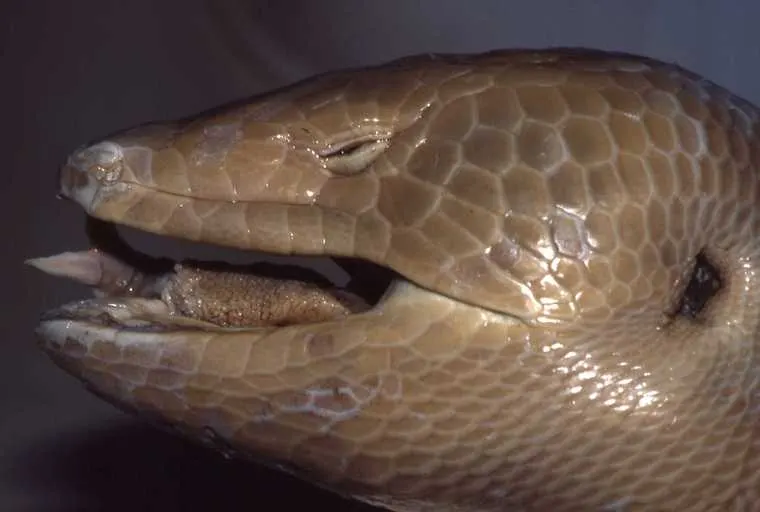
5 animals in this catalog carry a structured country pin for Jamaica. That is a filing fact, not a claim that the crisis is only here.
The photograph is one of those animals: Jamaican giant galliwasp. Open a dossier for the text, the status, and the map. Use the world map to jump to another country. Confirm official distributions on the Red List.
Jamaica is a mountainous Caribbean island. Blue Mountain Peak reaches 2,256 metres, forests cover roughly 30 percent of the island, and more than 100 streams and rivers drain ten hydrological basins, according to the country's Convention on Biological Diversity profile. Isolation has produced a lot of species found nowhere else.
The same profile ranks Jamaica fifth among the world's islands for plant endemism. About 98.2 percent of its 514 indigenous land snails are endemic, and all 22 indigenous amphibians are. A wildlife overview adds over 1,000 endemic flowering plants out of about 3,000 native species, 27 endemic birds among about 289, and 35 endemic species among about 150 butterflies and moths.
Where the pressure comes from
The CBD profile (a draft awaiting government approval) lists habitat loss, over-exploitation, invasive alien species, weak law enforcement, poor spatial planning, pollution and climate change among the main pressures. European settlers cleared forest for building timber and ships' supplies, and pollution now arrives through run-off, sewage systems and garbage. Coral reefs in the Negril Marine Park have been increasingly affected by nutrient pollution and macroalgal blooms.
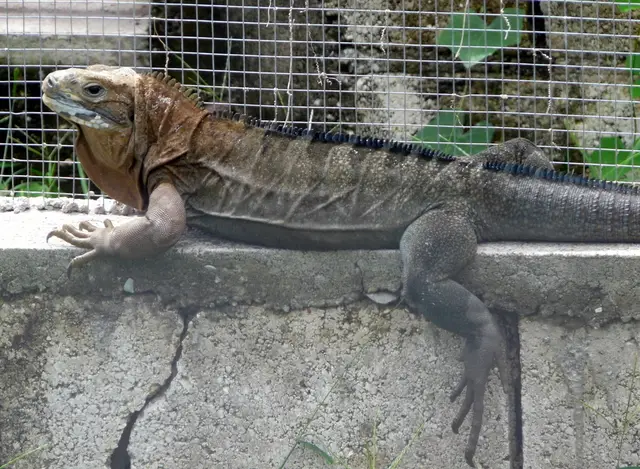
The Jamaican iguana shows how several pressures stack up. It was believed extinct in 1948, and a dead adult turned up in 1970. A live adult was found in August 1990 in the Hellshire Hills. The small Asian mongoose, introduced as a form of rat and snake control, is linked to its decline in the second half of the 19th century, and charcoal burning is now described as the biggest current threat.
What is being done
Protected areas include Blue and John Crow Mountains National Park, Cockpit Country, Hellshire Hills, Portland Bight Protected Area and a marine park in Montego Bay. The profile says a Protected Areas System Master Plan from 2012 aimed for ten effectively managed areas by 2020, and the national biodiversity action plan dates from 2003.
For the iguana, a consortium of twelve zoos helped build a headstart facility at Hope Zoo, where eggs and hatchlings are reared until they can better survive predators. A 2021 estimate gave 500 to 600 mature individuals, against about 50 survivors reported after the 1990 rediscovery.
Reading the catalog for Jamaica
The catalog lists 5 animals for Jamaica. Squamata (lizards and snakes) at 4 is the largest class in the list, with the Jamaican iguana among them, and the one other record is a coral. A short list reflects the Red List's coverage as much as the island itself, so treat it as a sample of well-assessed groups rather than a full picture.
Sources for this section
- CBD country profile, Jamaica: Elevation, forest share, rivers, endemism, threats, 2012 protected areas plan, NBSAP 2003
- Wildlife of Jamaica (Wikipedia): Endemic plant, bird and butterfly figures, protected areas, pollution, Negril reefs
- Jamaican iguana (Wikipedia): 1990 rediscovery, mongoose, charcoal, headstart, 2021 estimate
What the catalog records for Jamaica
The catalog has 5 animals with a country pin for Jamaica: 3 Critically Endangered and 2 Endangered. By GBIF class the largest groups are Squamata (4), Anthozoa (1). The families with the most records are Sphaerodactylidae (2), Diploglossidae (1), Iguanidae (1). A pin means a structured source (Wikidata or a GBIF match) places the animal in Jamaica; it does not say the animal lives only there.
 CR
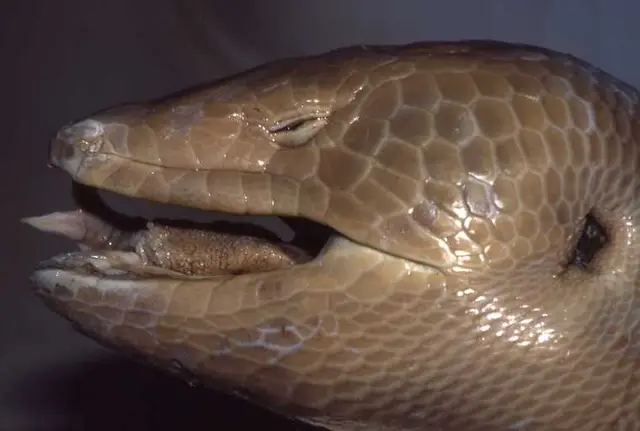
Jamaican giant galliwasp
 CR
Jamaican iguana
 CR
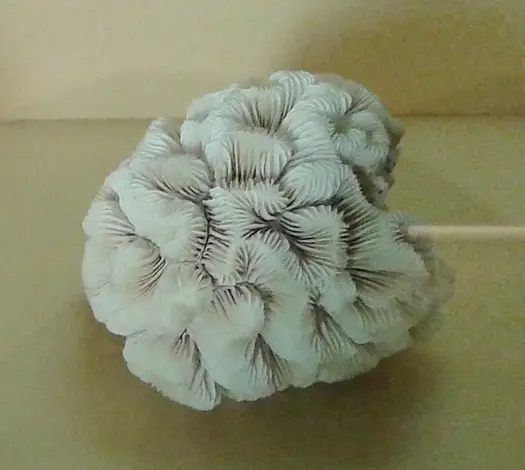
Brazilian maze coral
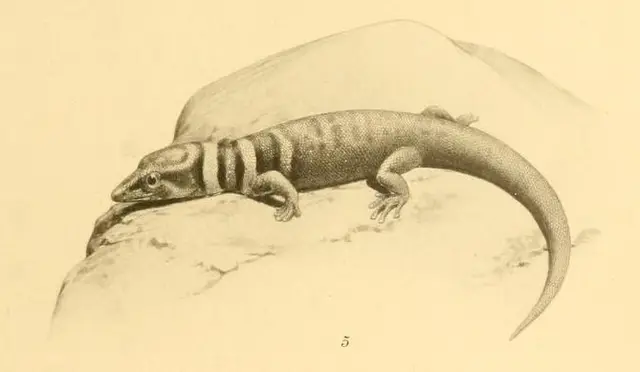 EN
Mantanzas Least Gecko
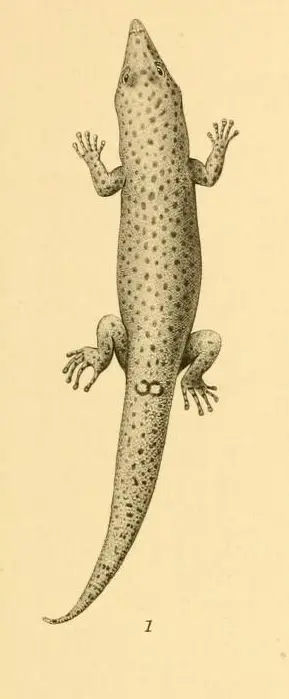 EN
Jamaican Sharp-nosed Geckolet
Total pins: 5.
Quick answers
- Do all these animals live only in Jamaica?
- No. A pin means a Wikidata place field resolved here. Official ranges can be wider.
- Is this a government list?
- No. It is a slice of this catalog.