Cuba
8 catalog pins
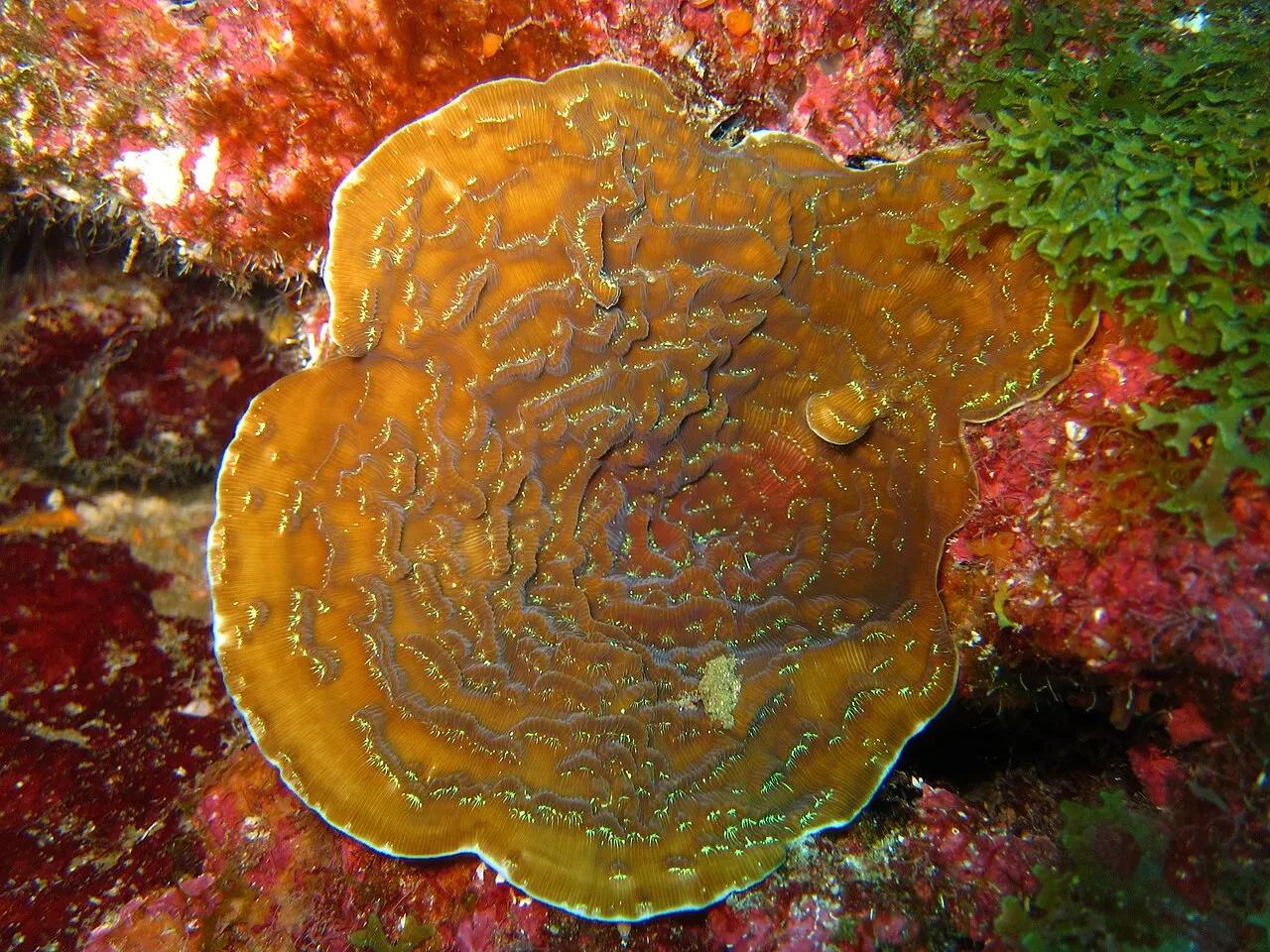
8 animals in this catalog carry a structured country pin for Cuba. That is a filing fact, not a claim that the crisis is only here.
The photograph is one of those animals: Sunray Lettuce Coral. Open a dossier for the text, the status, and the map. Use the world map to jump to another country. Confirm official distributions on the Red List.
Cuba is the largest country in the Caribbean, a main island plus 4,195 smaller islands, islets and cays, with a total area of about 110,860 square kilometres. It sits where the Caribbean Sea, the Gulf of Mexico and the Atlantic meet, and many of its species are found nowhere else.
The country's draft profile for the Convention on Biological Diversity counts 6,519 known vascular plants and about 612 recorded vertebrates. It reports that roughly 50% of plant species and 42% of animal species occur only in Cuba, including 91 endemic reptiles, 43 endemic amphibians and 22 endemic birds.
Where the pressure comes from
The same profile lists tourism, mining, overfishing, deforestation, poaching, invasive alien species and pollution among the human pressures. It adds climate-linked hazards: higher temperatures, droughts, heavy rains, fires and hurricanes. It estimates that about 10% of fauna and 2% of vascular plants are considered at risk.
Habitat loss is a named threat for some of the catalog's animals. The Cuban frog Eleutherodactylus cubanus lives in montane moist forest and is described as threatened mainly by habitat loss. Cave fishes of the genus Lucifuga live in caves and sinkholes in Cuba and the Bahamas, so they depend on underground habitats.
What is being done
Cuba reports 253 protected areas, with proposed and approved areas covering 19.95% of the country. According to the profile, that network takes in about 25% of the marine ecosystem, 57% of coral reefs and 77% of threatened species. A national biodiversity action plan ran from 2006 to 2010 and a protected areas plan from 2009 to 2013. The profile says the 2006 plan's priorities on invasive species and climate change were only partly met.
Cuba became a party to the Convention on Biological Diversity in 1994.
Reading the catalog for Cuba
The catalog's list for Cuba is short: 8 animals, 2 Critically Endangered and 6 Endangered. Corals (Anthozoa) and lizards (Squamata) each have 2 entries, with 1 amphibian and 3 whose class is not recorded, including two Lucifuga cave fishes.
A short list does not mean Cuba has few threatened animals. It reflects what the catalog's data currently places here,. Check each animal's own page for its range.
Sources for this section
- CBD country profile, Cuba (draft): species and endemism figures, threats, protected areas coverage, action plans, treaty dates
- Wikipedia, Cuba: area, number of islands and cays, location
- Wikipedia, Lucifuga: cave and sinkhole habitat in Cuba and the Bahamas
- Wikipedia, Eleutherodactylus cubanus: montane moist forest habitat, habitat loss
What the catalog records for Cuba
The catalog has 8 animals with a country pin for Cuba: 2 Critically Endangered and 6 Endangered. By GBIF class the largest groups are unknown (3), Anthozoa (2), Squamata (2), Amphibia (1). The families with the most records are Bythitidae (2), Agariciidae (1), Faviidae (1). A pin means a structured source (Wikidata or a GBIF match) places the animal in Cuba; it does not say the animal lives only there.
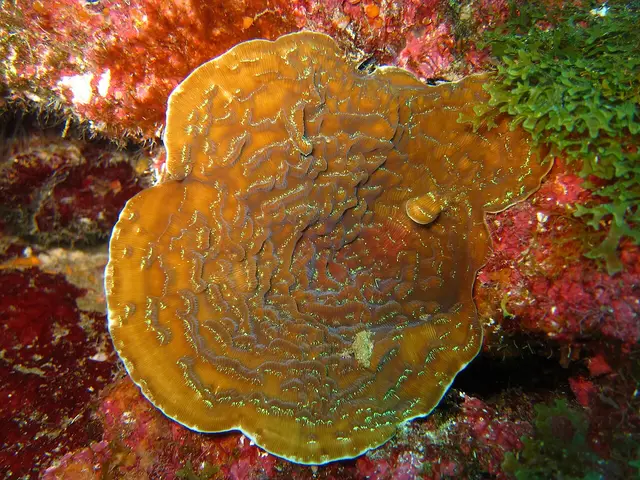 CR
Sunray Lettuce Coral
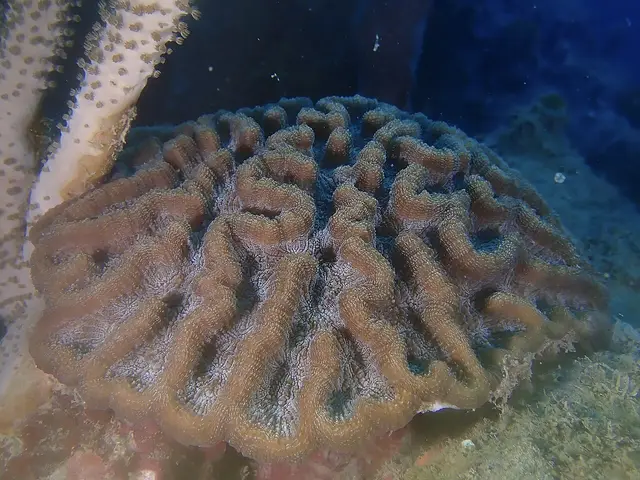 CR
Lowridge cactus coral
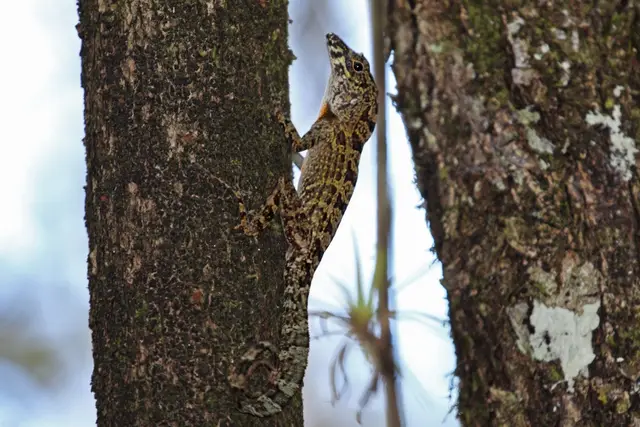 EN
Cuban Tiger Anole
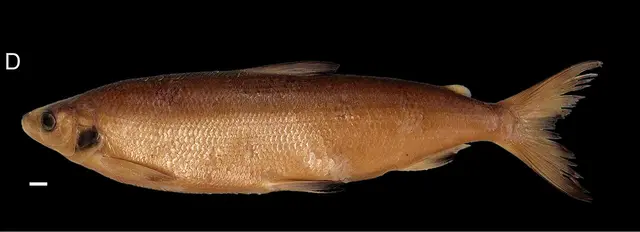 EN
Wartmann's Whitefish
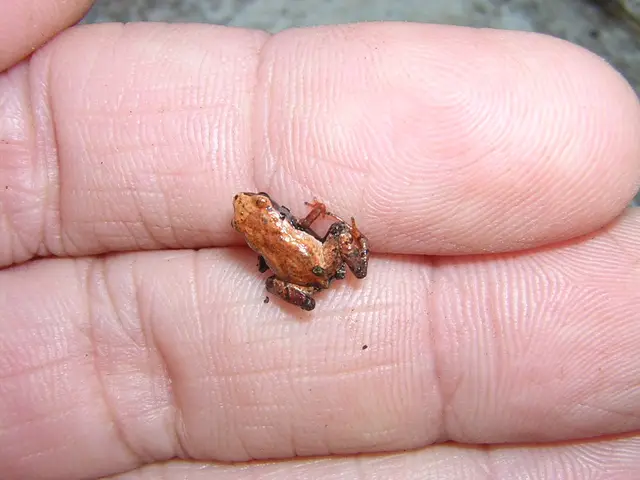 EN
Cuban robber frog
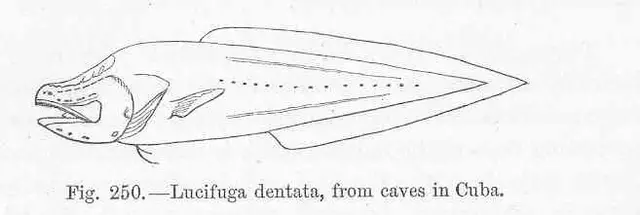 EN
Toothed Cuban cusk-eel
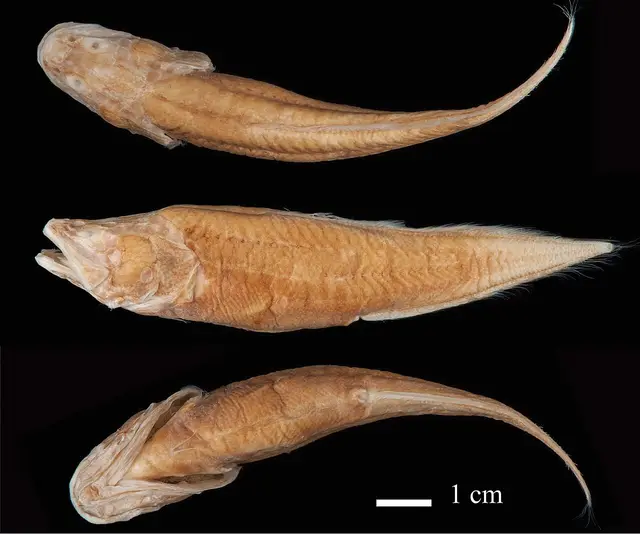 EN
Gibara Cave Brotula
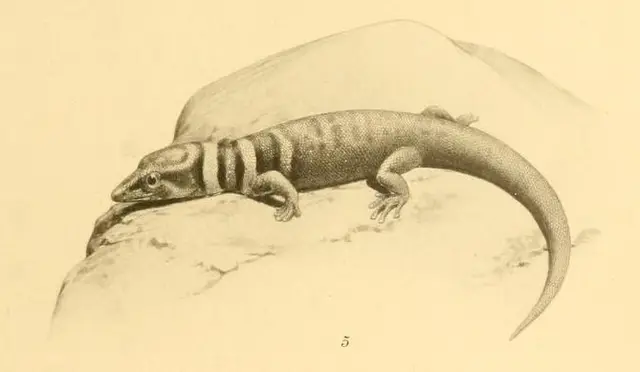 EN
Mantanzas Least Gecko
Total pins: 8.
Quick answers
- Do all these animals live only in Cuba?
- No. A pin means a Wikidata place field resolved here. Official ranges can be wider.
- Is this a government list?
- No. It is a slice of this catalog.