Turkey
6 catalog pins
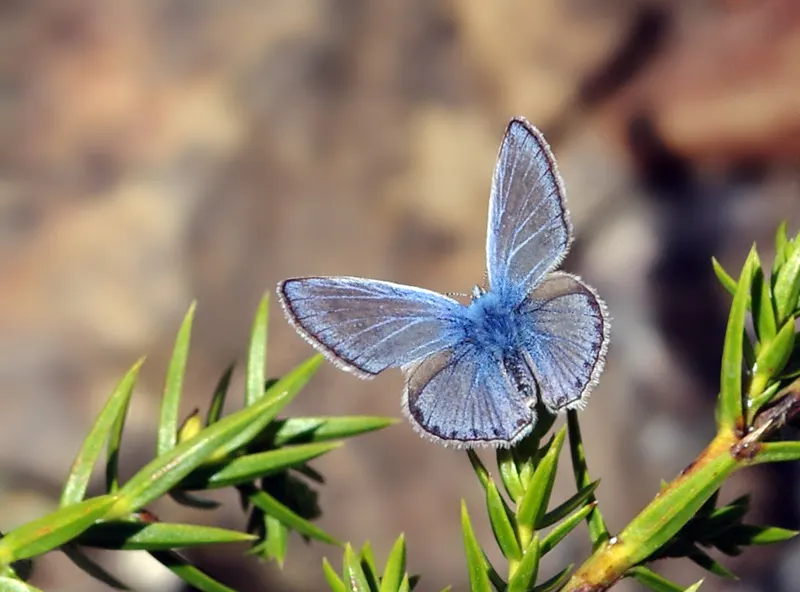
6 animals in this catalog carry a structured country pin for Turkey. That is a filing fact, not a claim that the crisis is only here.
The photograph is one of those animals: Polyommatus bollandi. Open a dossier for the text, the status, and the map. Use the world map to jump to another country. Confirm official distributions on the Red List.
Turkey sits between Europe and Asia, with three floristic regions (Mediterranean, Euro-Siberian and Irano-Turanian) meeting across its mountains, plateaus and coasts. Parts of three biodiversity hotspots fall inside its borders: the Mediterranean Basin, the Caucasus and the Irano-Anatolian.
The country's biodiversity profile gives about 19,000 invertebrate species and nearly 1,500 vertebrates, with roughly 4,000 of the invertebrates endemic (counted as species and subspecies, no survey year given). Of about 11,000 flowering and cone-bearing plants, around a third are endemic. That is a lot of species found nowhere else, which makes local losses count.
Where the pressure comes from
The profile lists unsuitable farming and irrigation methods as major pressures on agricultural biodiversity. For steppe it names overgrazing, unplanned deforestation and the effects of infrastructure works, and it notes a warming trend with falling rainfall. A study of laws and legal decisions, cited on the Wildlife of Turkey article, found gaps as of 2019, especially for migratory species and international coordination. The same article says official limits on access to environmental information make monitoring harder.
What is being done
Turkey's first national park was designated in 1958. Protected areas covered 9% of the country in 2019, and the government planned to reach 17% by 2023. Whether that target was met isn't confirmed in the sources used here.
The National Biodiversity Strategy and Action Plan was prepared in 2001 and updated for 2008 to 2018. A gap analysis of protected areas has been started. Gene Conservation and Management Areas, set up under a project on in situ conservation of plant genetic diversity, protect selected plant species in natural or semi-natural areas.
Reading the catalog for Turkey
The catalog's list for Turkey is short. Insecta (insects) is the largest named class in its facts, with butterflies in Lycaenidae and Nymphalidae and a bush-cricket in Tettigoniidae, plus a viper and a stream loach (Nemacheilidae).
A short list isn't a measure of how many Turkish animals are at risk. It only reflects what is recorded in this catalog, so treat it as a sample.
Sources for this section
- CBD country profile, Turkey: species and endemism figures, steppe and farming pressures, warming trend, first national park 1958, NBSAP, gap analysis, gene conservation areas
- Wildlife of Turkey (Wikipedia): three hotspots, floristic regions, protected area share 2019, 17% target, legal gaps as of 2019, access to information
- Biodiversity hotspot (Wikipedia): Mediterranean Basin, Caucasus and Irano-Anatolian listed as hotspots
What the catalog records for Turkey
The catalog has 6 animals with a country pin for Turkey: 2 Critically Endangered and 4 Endangered. By GBIF class the largest groups are Insecta (4), Squamata (1), unknown (1). The families with the most records are Lycaenidae (2), Viperidae (1), Tettigoniidae (1). A pin means a structured source (Wikidata or a GBIF match) places the animal in Turkey; it does not say the animal lives only there.
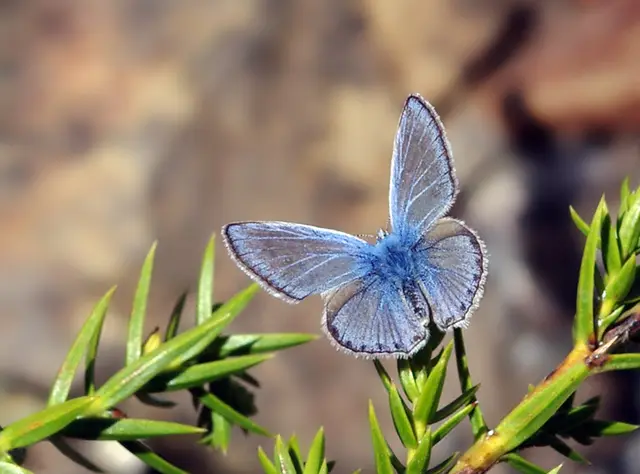 CR
Polyommatus bollandi
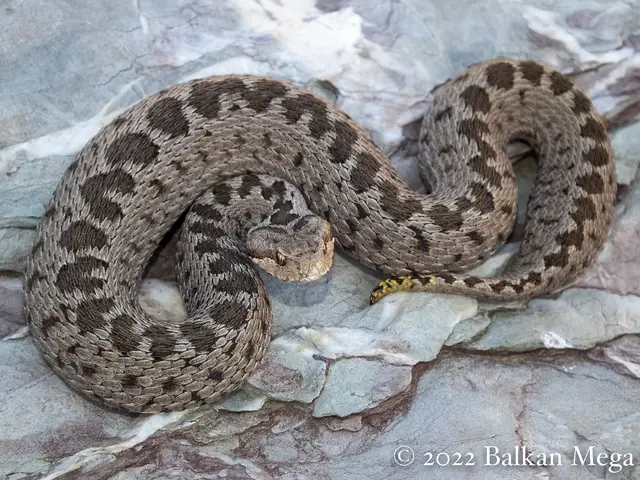 CR
Anatolian Meadow Viper
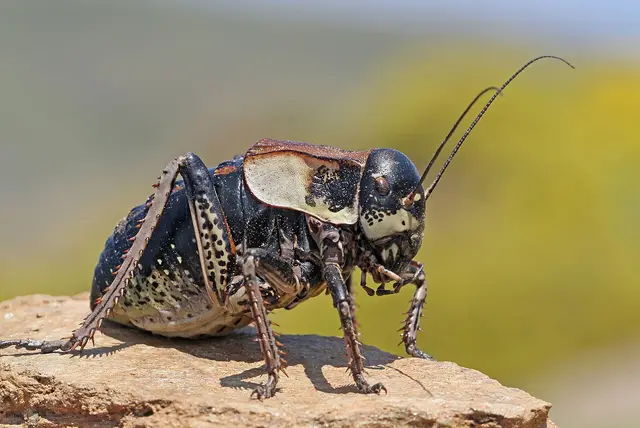 EN
Big-Bellied Glandular Bush-Cricket
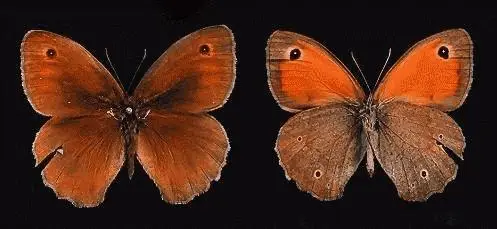 EN
Thomson's Meadow Brown
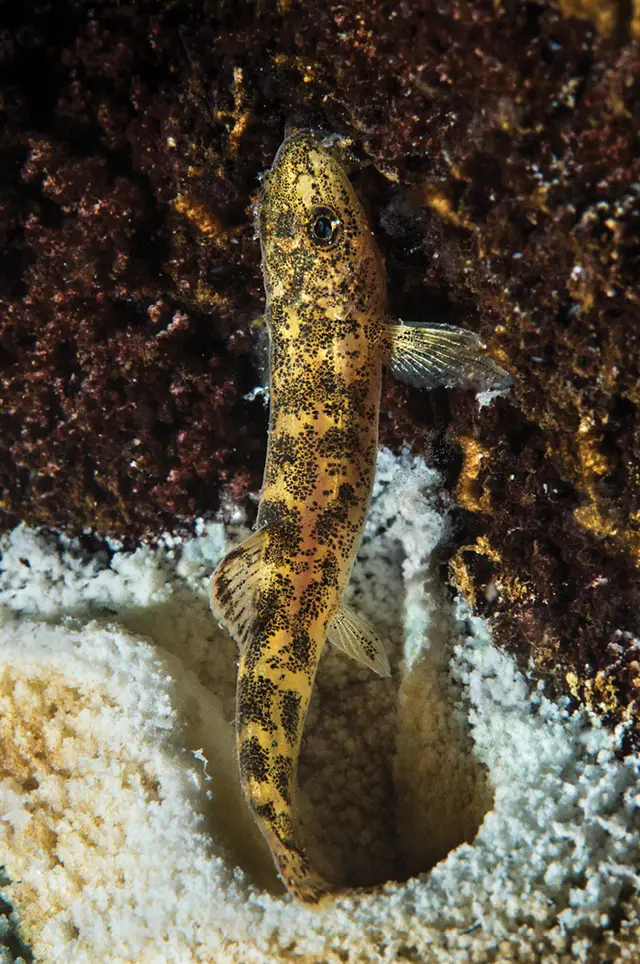 EN
Van Loach
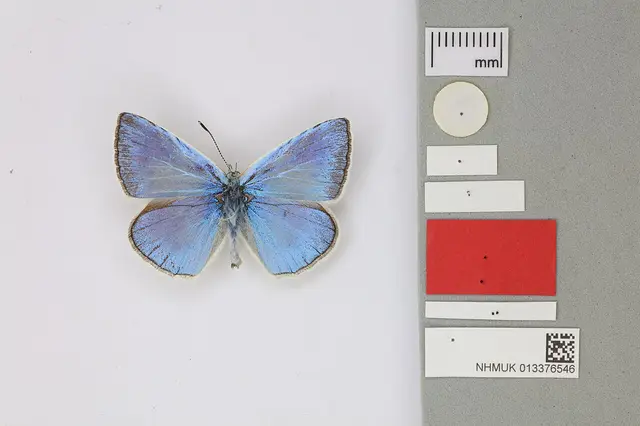 EN
Theresia’s Blue
Total pins: 7.
Quick answers
- Do all these animals live only in Turkey?
- No. A pin means a Wikidata place field resolved here. Official ranges can be wider.
- Is this a government list?
- No. It is a slice of this catalog.