Seychelles
13 catalog pins
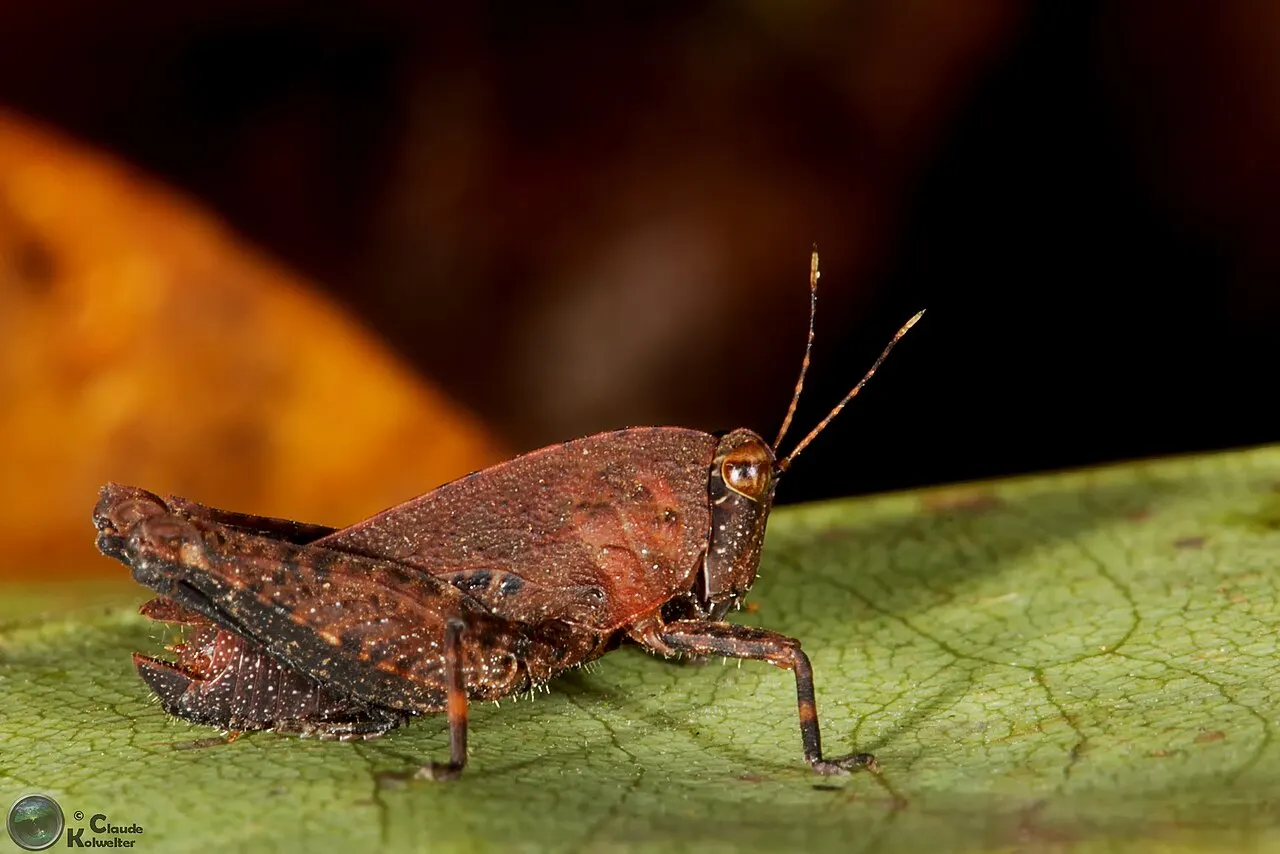
13 animals in this catalog carry a structured country pin for Seychelles. That is a filing fact, not a claim that the crisis is only here.
The photograph is one of those animals: Seychelles Crested Groundhopper. Open a dossier for the text, the status, and the map. Use the world map to jump to another country. Confirm official distributions on the Red List.
Seychelles is an archipelago of 115 granite and coral islands with about 445 square kilometres of land in the western Indian Ocean (Convention on Biological Diversity profile). The profile says the islands have been separated from continental land for some 65 million years, and that isolation shows in the wildlife.
Endemism is high. The national profile gives 50 to 85 percent for different animal groups and about 45 percent for plants, though the exact figure depends on the group. It lists 13 endemic bird species. Forest covers about 90 percent of the land, and the reefs span around 1,700 square kilometres.
Where the pressure comes from
The national profile calls invasive alien species the main threat to Seychelles forests. Habitat loss, overexploitation (fishing, hunting, timber), pollution, siltation and disease follow. Human occupation since 1770 has brought felling of coastal and mid-level forests and the loss of most giant tortoises from the granitic islands. The Seychelles parakeet became extinct in the late 1800s.
The sea carries its own risks. The 1998 bleaching event damaged most reefs, and Aldabra's seaward reefs lost over half their hard coral cover after the 2016 El Nino, though young corals have since increased, especially in the lagoon.
What is being done
Seychelles has long used island reserves. Cousin Island was bought for conservation in 1968 by the International Council for Bird Preservation, now BirdLife International. Aldabra, the largest raised coral reef in the world, has been managed by the Seychelles Islands Foundation since 1979 and became a World Heritage site in 1982. It holds the world's largest population of giant tortoises, about 100,000 animals.
Taking marine turtles was completely stopped in 1994, and rat eradication has led to island restoration programmes. The Seychelles magpie robin and Seychelles warbler were pulled back from the brink of extinction. Protection figures are inconsistent: the profile reports 47 percent of the surface conserved, while a later section says under 0.1 percent of the marine area is protected.
Reading the catalog for Seychelles
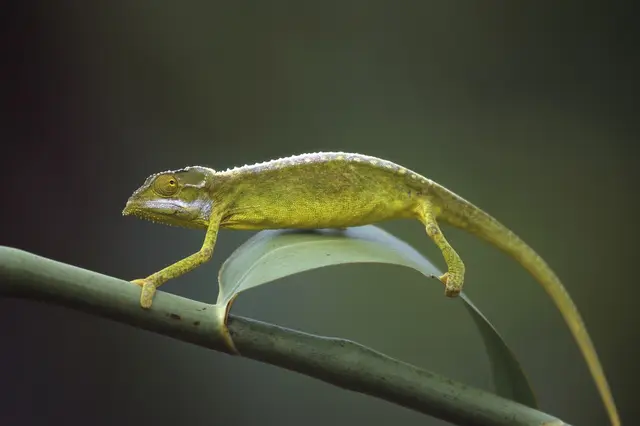
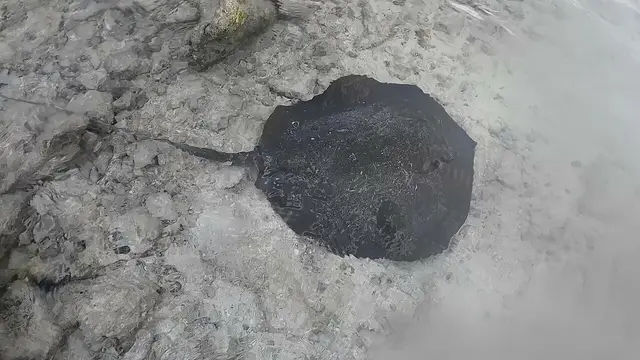
Corals in Anthozoa are the largest group in the catalog's list for the country, with Acroporidae the largest family. The rest is an unusual mix that includes a chameleon, a house snake, a frog, a songbird, a ray and several invertebrates, so no single threat explains the list.
Sources for this section
- CBD country profile, Seychelles: 115 islands, 445 km2, 65 million years, endemism, 13 endemic birds, forest, reefs, threats, protection figures
- Wildlife of Seychelles (Wikipedia): 1770 occupation, parakeet, 1998 bleaching, Cousin Island 1968, turtles 1994, rescues, rat eradication
- Aldabra (Wikipedia): raised coral reef, SIF 1979, World Heritage 1982, 100,000 tortoises, 2016 El Nino
What the catalog records for Seychelles
The catalog has 13 animals with a country pin for Seychelles: 1 Critically Endangered and 12 Endangered. By GBIF class the largest groups are Anthozoa (5), Arachnida (2), Squamata (2), Insecta (1). The families with the most records are Acroporidae (4), Tetrigidae (1), Muscicapidae (1). A pin means a structured source (Wikidata or a GBIF match) places the animal in Seychelles; it does not say the animal lives only there.
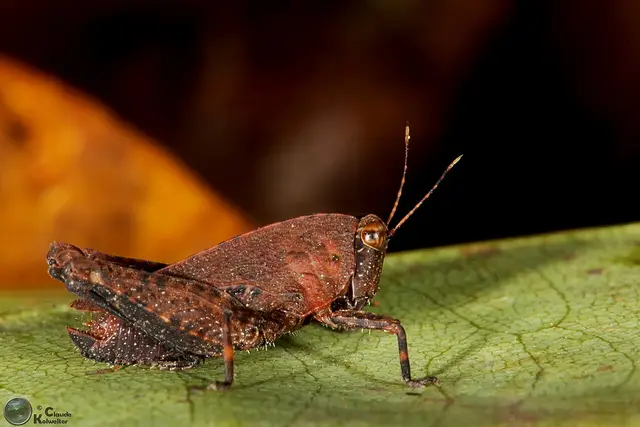 CR
Seychelles Crested Groundhopper
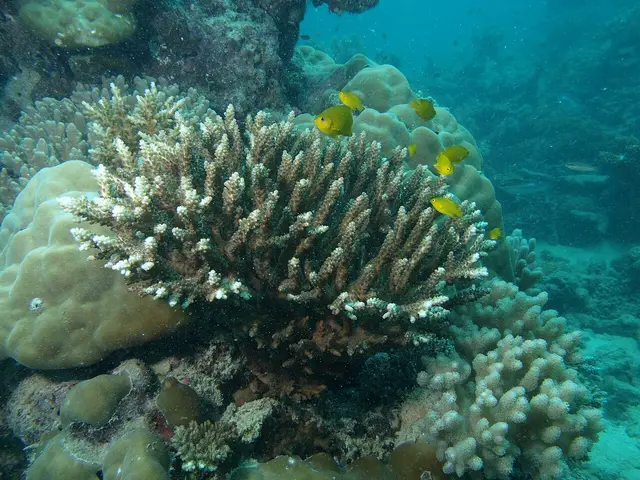 EN
Acropora divaricata
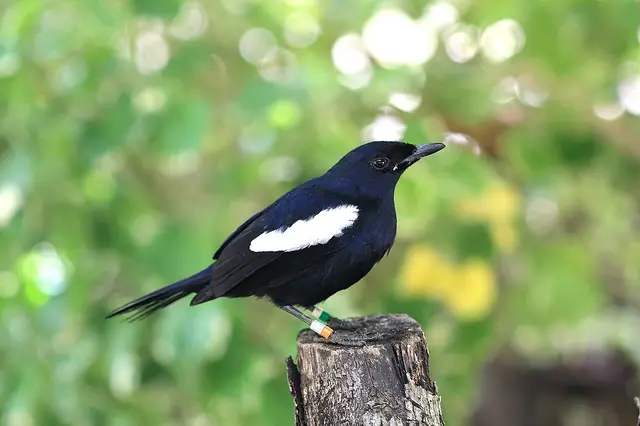 EN
Seychelles magpie-robin
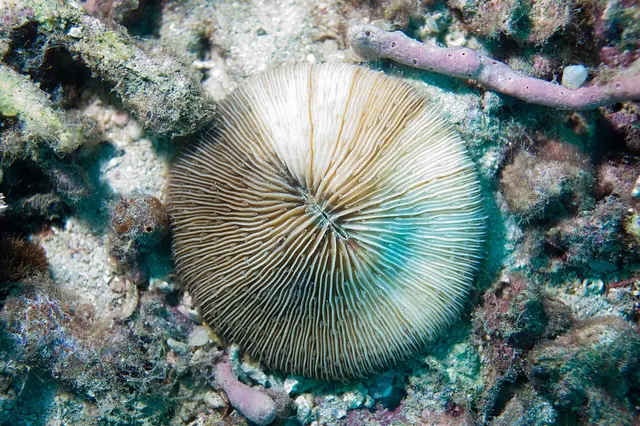 EN
Lithophyllon concinna
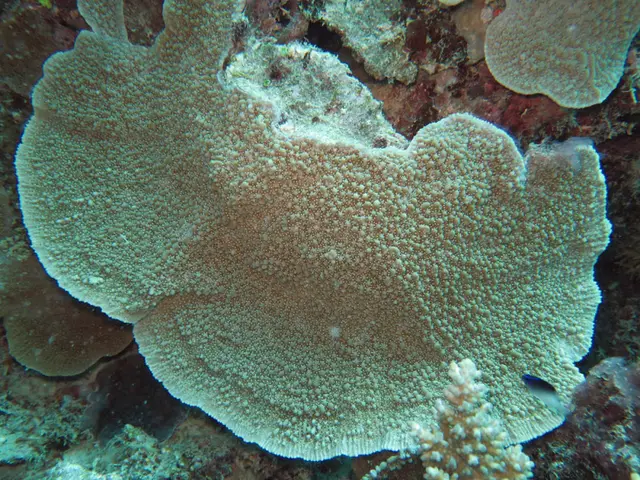 EN
Montipora danae
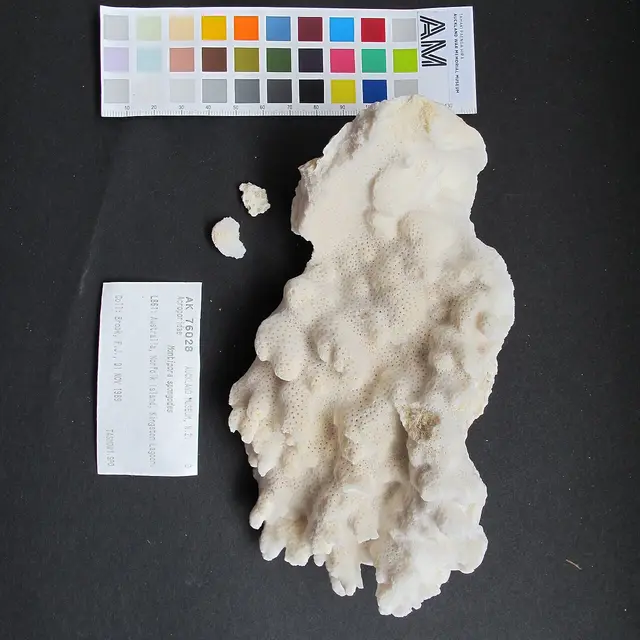 EN
Montipora spongodes
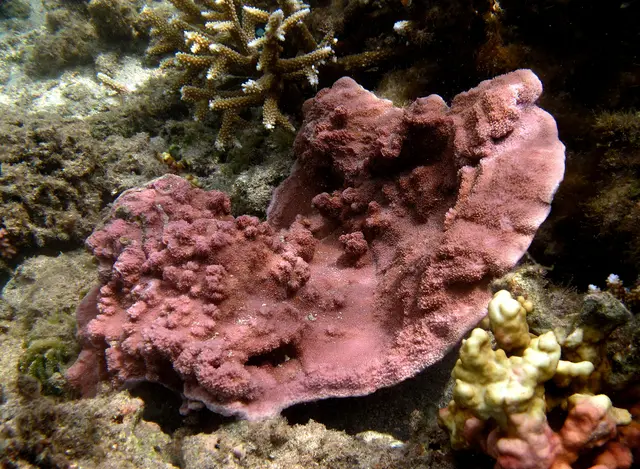 EN
Montipora tuberculosa
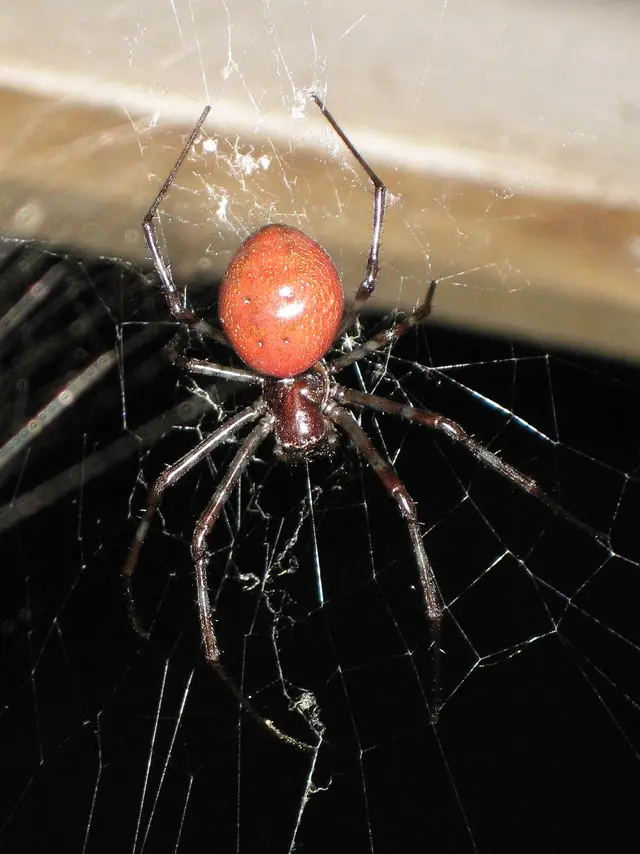 EN
Reunion Hermit Spider
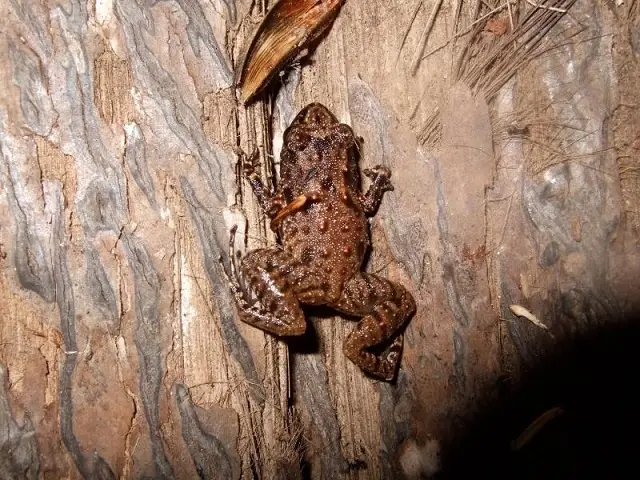 EN
Seychelles frog
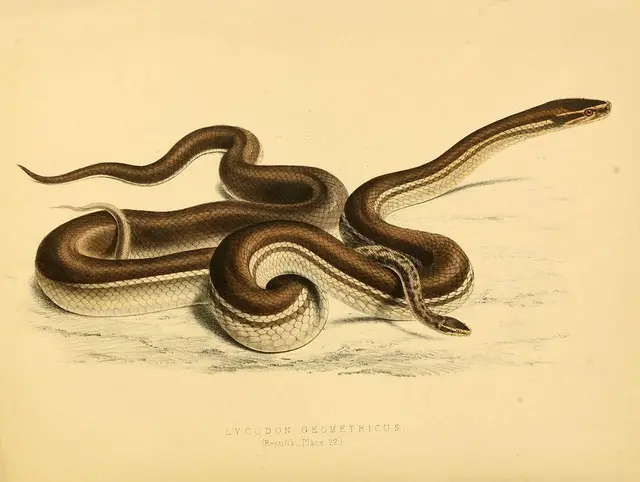 EN
Seychelles house snake
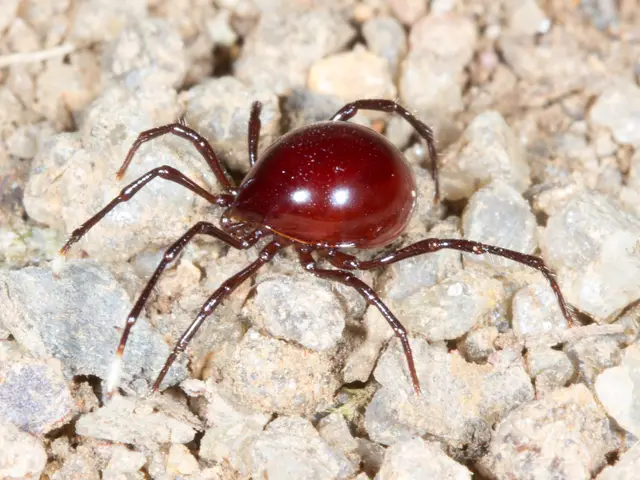 EN
Brauer's giant mite
 EN
Tiger chameleon
 EN
Mangrove whipray
Total pins: 13.
Quick answers
- Do all these animals live only in Seychelles?
- No. A pin means a Wikidata place field resolved here. Official ranges can be wider.
- Is this a government list?
- No. It is a slice of this catalog.