New Caledonia
41 catalog pins
41 animals in this catalog carry a structured country pin for New Caledonia. That is a filing fact, not a claim that the crisis is only here.
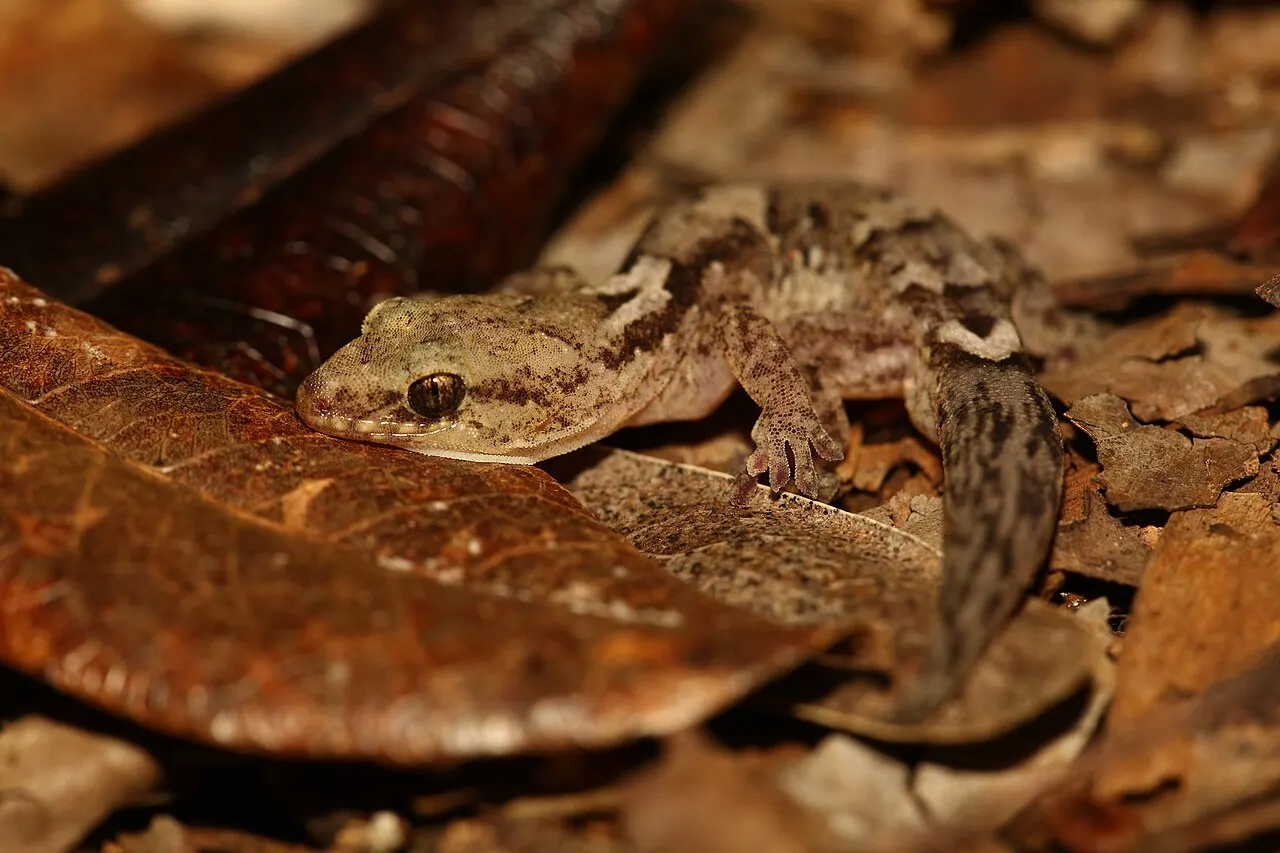
The photograph is one of those animals: Bavayia exsuccida. Open a dossier for the text, the status, and the map. Use the world map to jump to another country. Confirm official distributions on the Red List.
New Caledonia is a French territory in the south-west Pacific, centred on the main island Grande Terre. Its islands have been isolated for a very long time, and their wildlife shows it. It appears on the list of the world's biodiversity hotspots.
About three-quarters of the native plants are found nowhere else, including 43 of its 44 native gymnosperm species (conifers and their relatives). Among animals, around 21 or 22 land birds are endemic, and the kagu is the only living member of its bird family. The territory also has a big barrier reef: a 1,500 to 1,600 km system around a lagoon of about 24,000 km2, inscribed as a World Heritage Site in 2008.
Where the pressure comes from
Introduced animals are a leading concern on land. Rats, cats, dogs and pigs have taken a toll on native species, as has the little fire ant (Wasmannia auropunctata), and the kagu is at risk from dogs, rats and other predators. Introduced grasses also outcompete native ones.
On the reef, effluent from nickel mining has damaged some eastern reefs, and sediment from mining, farming and grazing has smothered others near river mouths. Loss of mangroves makes the silt problem worse. A 2008 assessment warned that many north-west near-shore reefs could die within years to decades if the trends continued.
What is being done
A 2017 assessment found that 56% of the New Caledonia rain forest ecoregion, about 7,872 km2, lies inside protected areas, including the Parc de la Cote Oubliee (about 1,223 km2) and the Parc des Grandes Fougeres. Thirteen local management committees of fishers, tourism operators and tribal chiefs help watch lagoon health.
Reading the catalog for New Caledonia
The list has 41 animals: 8 Critically Endangered and 33 Endangered. Corals (Anthozoa) account for 27, and 20 of those are in the family Acroporidae. Lizards and geckos (Squamata) have 8, including 6 in the gecko family Diplodactylidae. There are 5 birds and 1 snail. The birds include the Crow Honeyeater, the New Caledonian Lorikeet, the New Caledonian Owlet-nightjar and the New Caledonian Rail, each on the list as Critically Endangered.
Sources for this section
- New Caledonia rain forests: Gymnosperm endemism, 2017 protected area share and park sizes
- Fauna of New Caledonia: Endemic birds, kagu, about three-quarters of plants endemic, invasive species
- Lagoons of New Caledonia: World Heritage 2008, reef size, mining and sediment threats, management committees
- Biodiversity hotspot: New Caledonia on the hotspot list
What the catalog records for New Caledonia
The catalog has 41 animals with a country pin for New Caledonia: 8 Critically Endangered and 33 Endangered. By GBIF class the largest groups are Anthozoa (27), Squamata (8), Aves (5), Gastropoda (1). The families with the most records are Acroporidae (20), Diplodactylidae (6), Merulinidae (4). A pin means a structured source (Wikidata or a GBIF match) places the animal in New Caledonia; it does not say the animal lives only there.
 CR
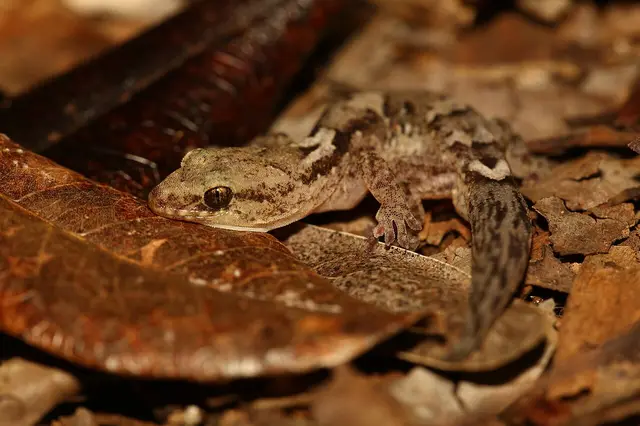
Bavayia exsuccida
 CR
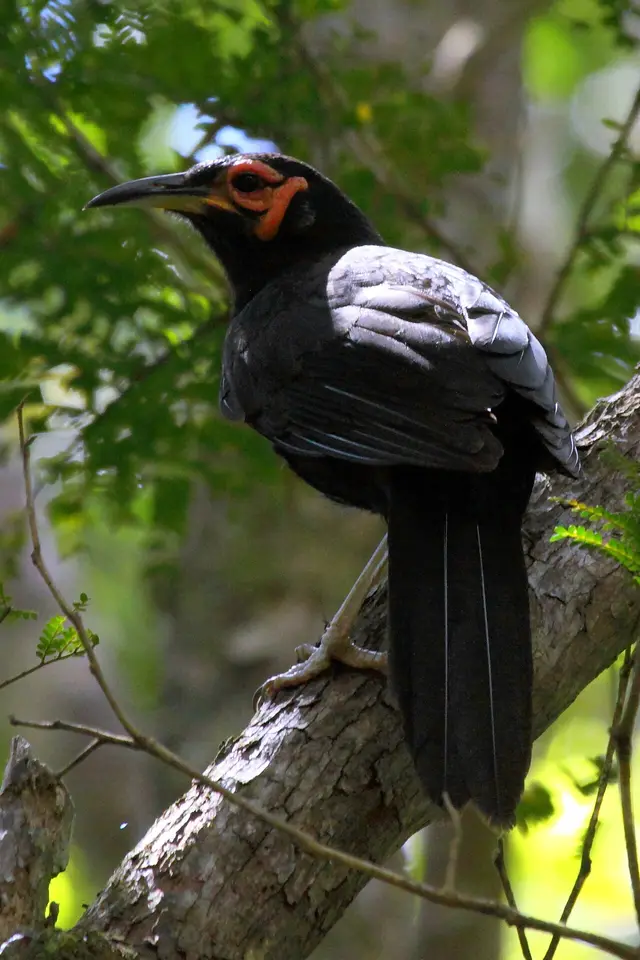
Crow Honeyeater
 CR
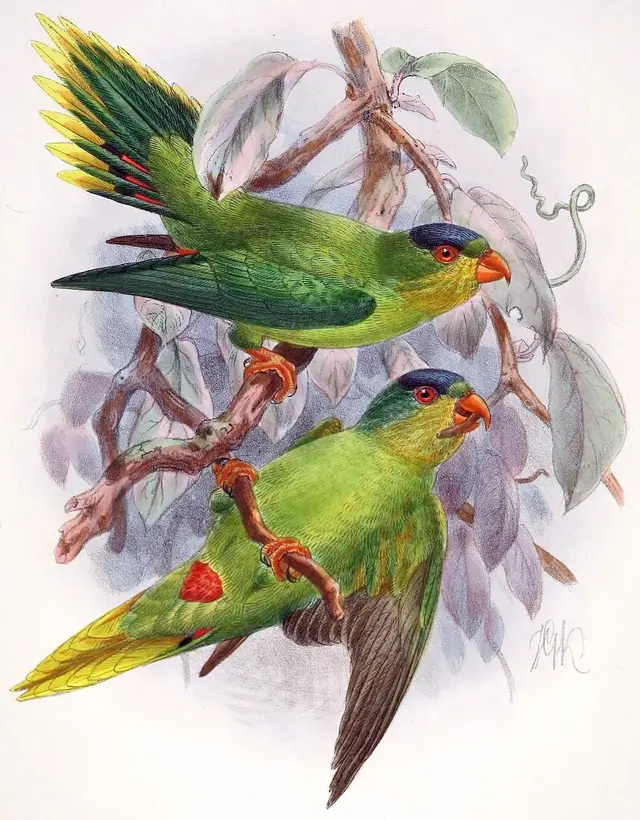
New Caledonian Lorikeet
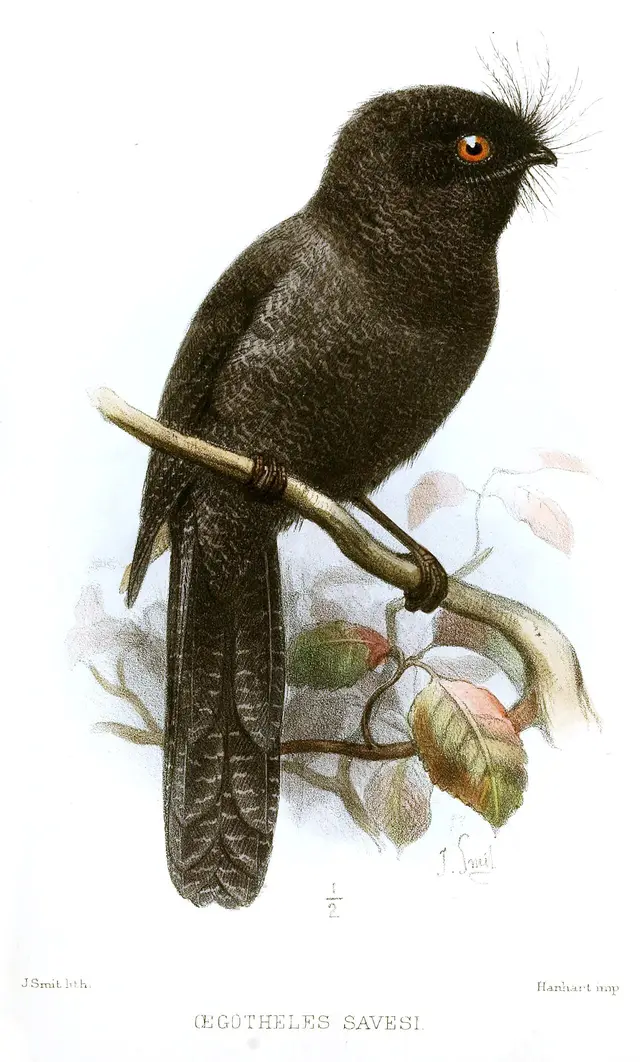 CR
New Caledonian Owlet-nightjar
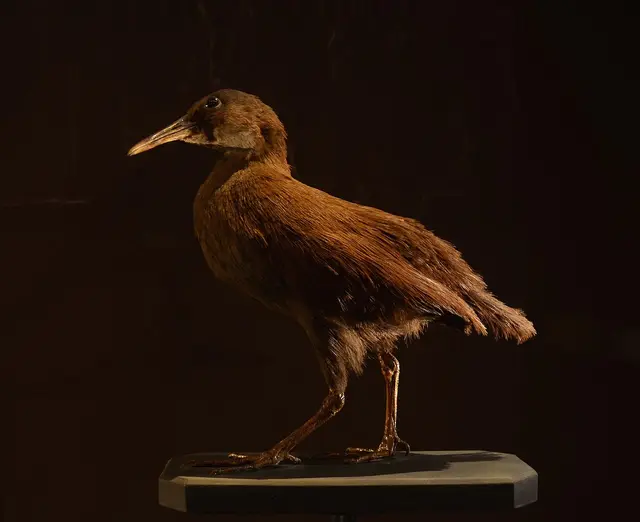 CR
New Caledonian Rail
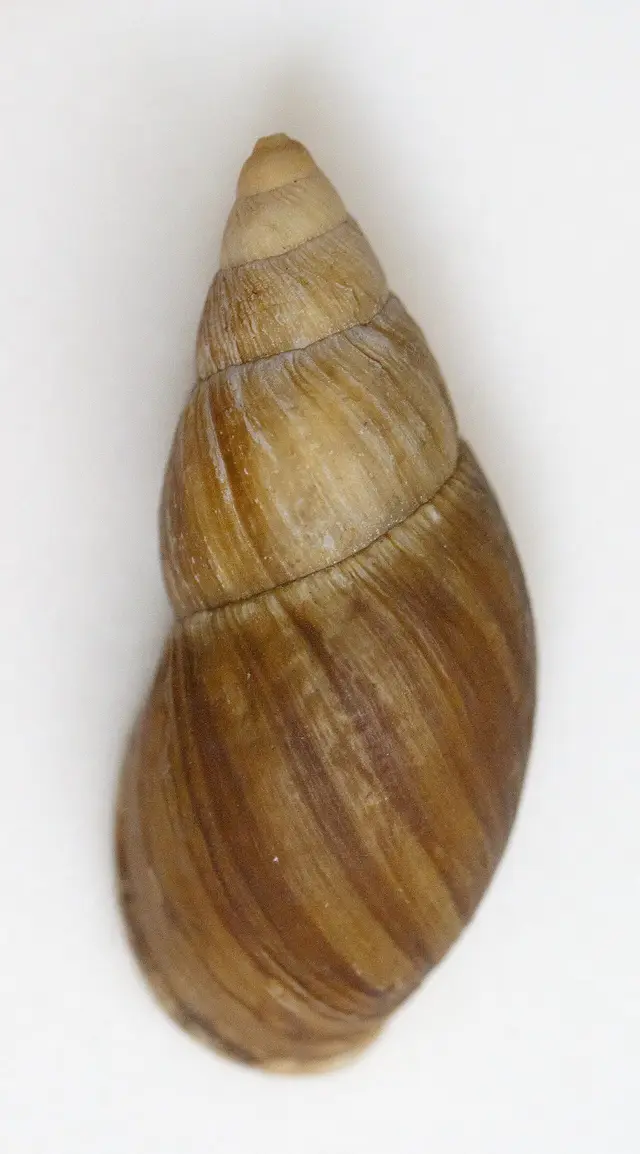 CR
Lord Howe woodhen
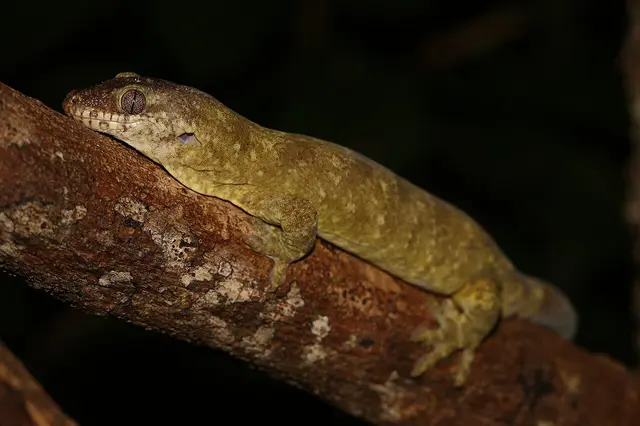 CR
Rhacodactylus trachycephalus
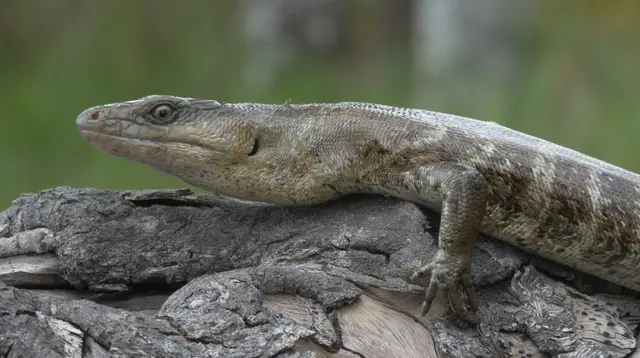 CR
Terror skink
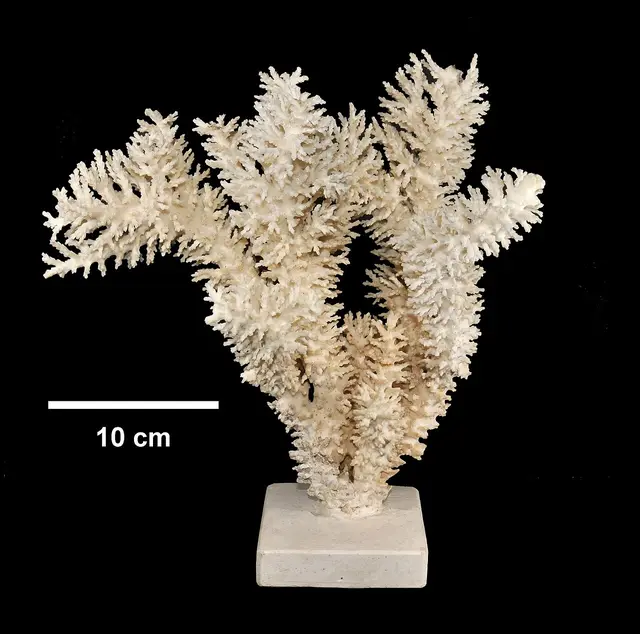 EN
Acropora carduus
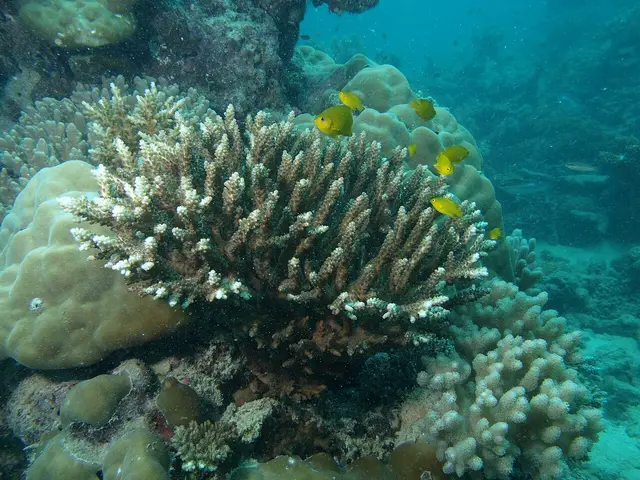 EN
Acropora divaricata
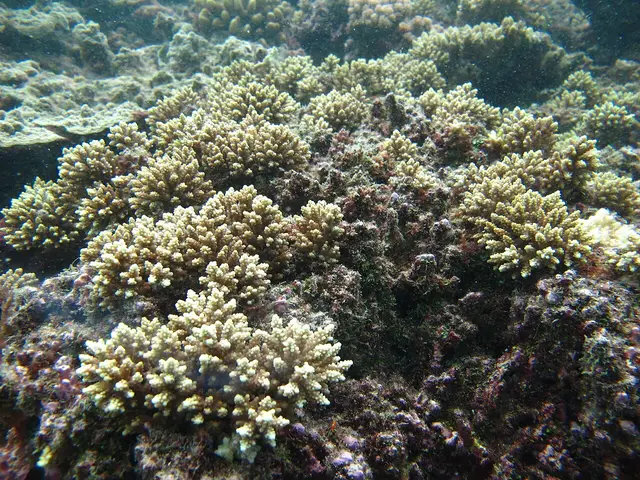 EN
Bottlebrush Coral
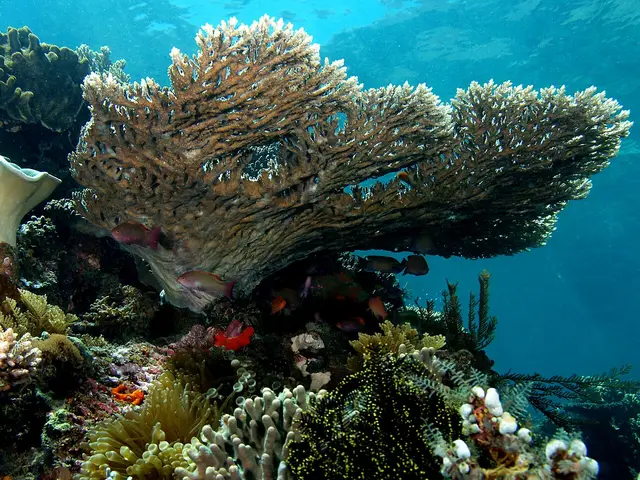 EN
Bali Shortcake
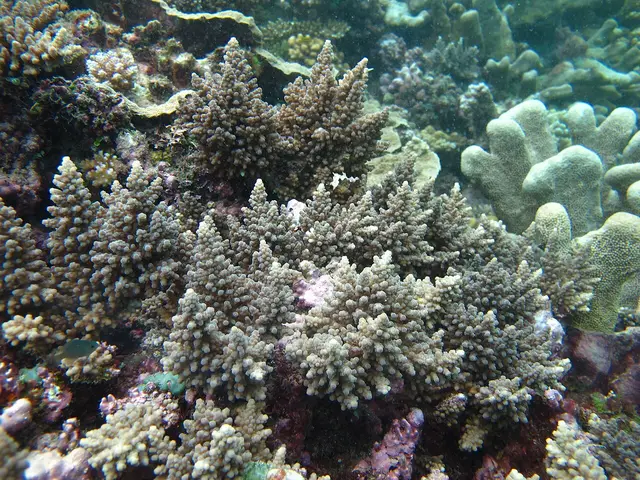 EN
Acropora longicyathus
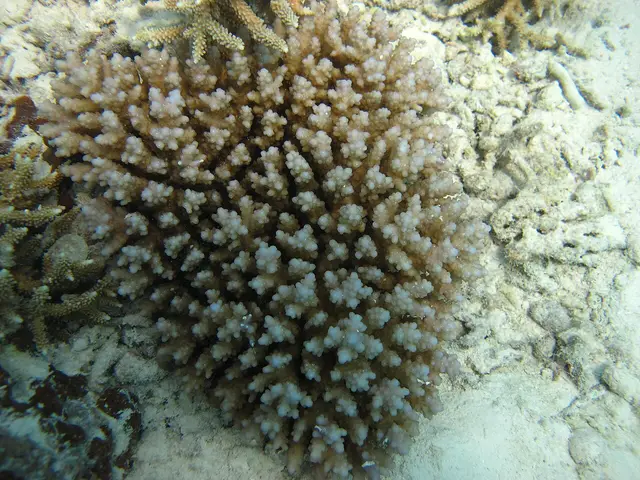 EN
Acropora squarrosa
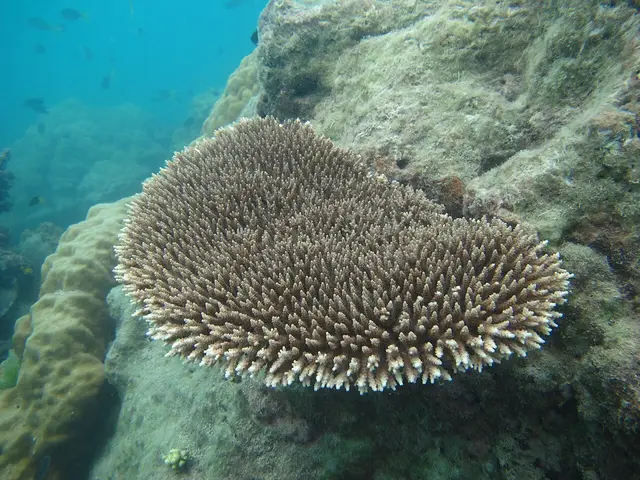 EN
Acropora subulata
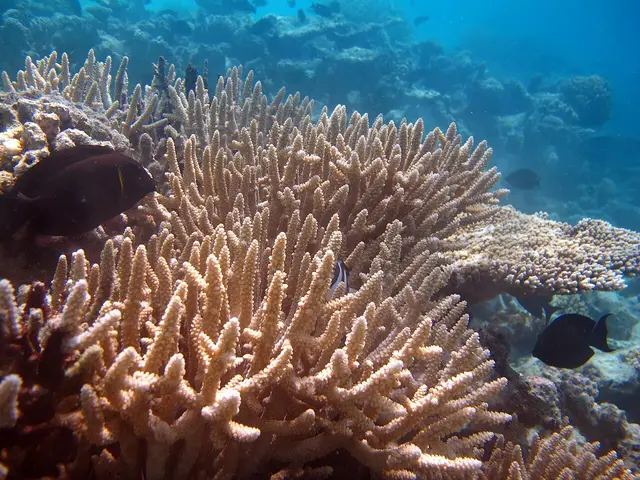 EN
Acropora valenciennesi
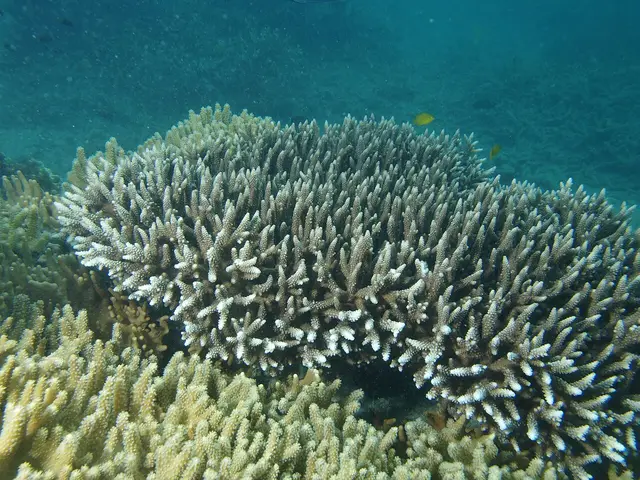 EN
Acropora yongei
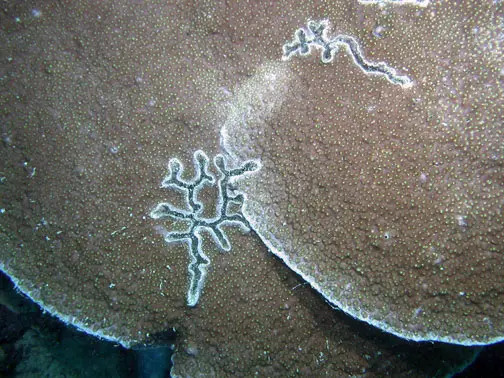 EN
Astreopora cucullata
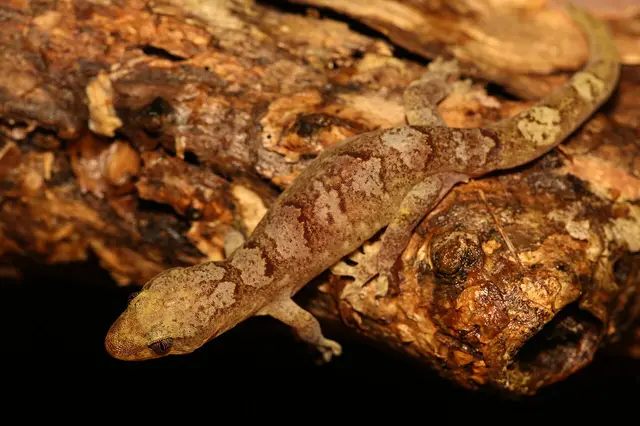 EN
Bavayia cyclura
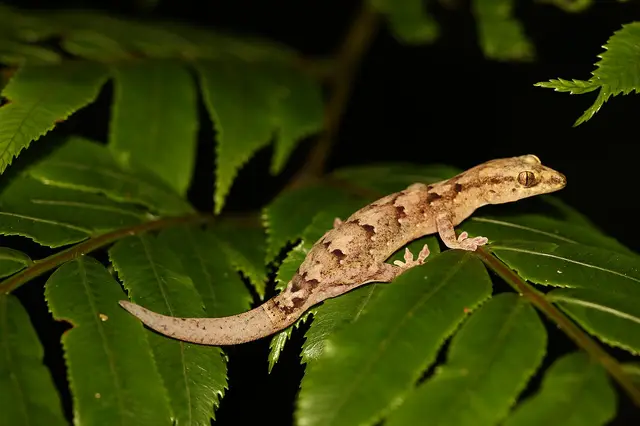 EN
Bavayia sauvagii
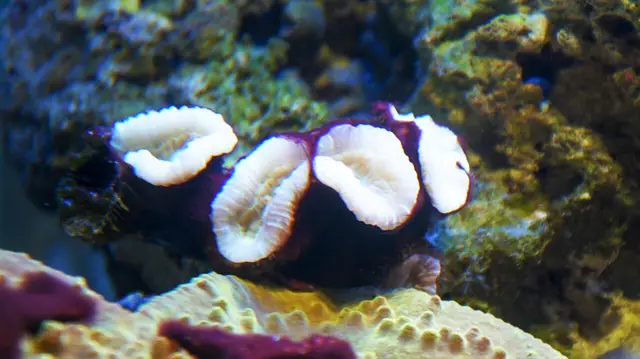 EN
Caulastrea coral
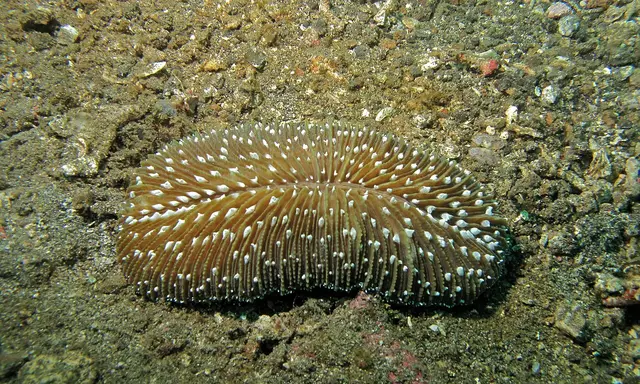 EN
Ctenactis albitentaculata
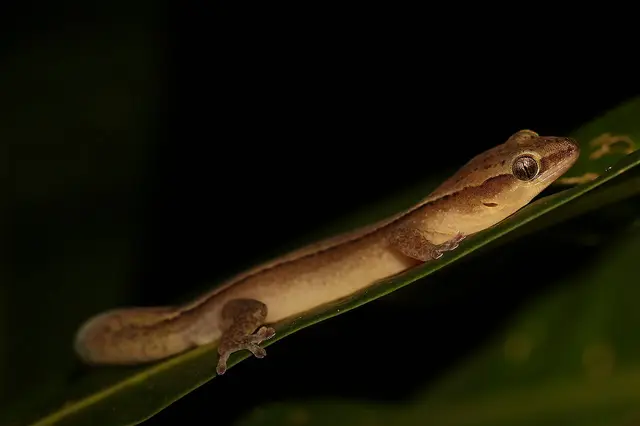 EN
Striped Gekko
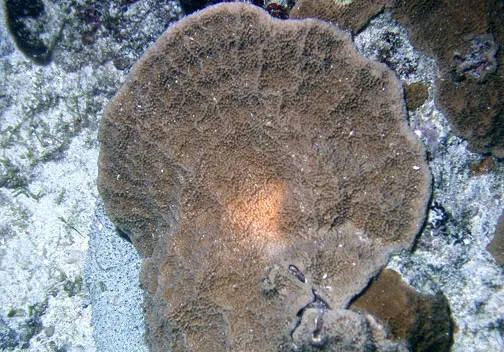 EN
Isopora crateriformis
Showing the first 24. Total pins: 41.
Quick answers
- Do all these animals live only in New Caledonia?
- No. A pin means a Wikidata place field resolved here. Official ranges can be wider.
- Is this a government list?
- No. It is a slice of this catalog.