Endangered
Bavayia sauvagii
Bavayia sauvagii
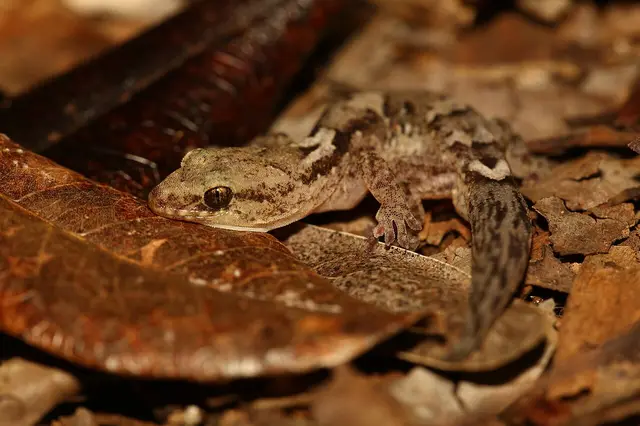
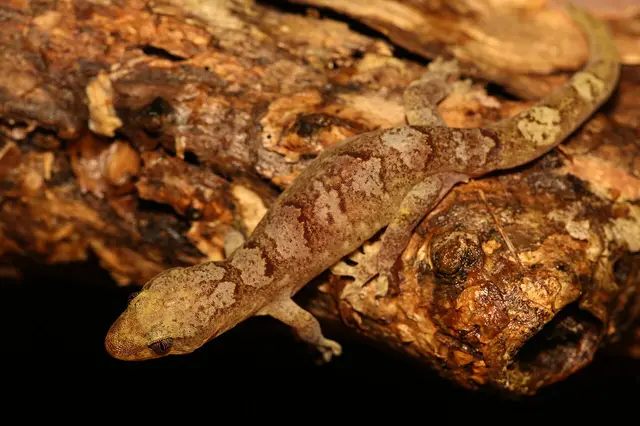
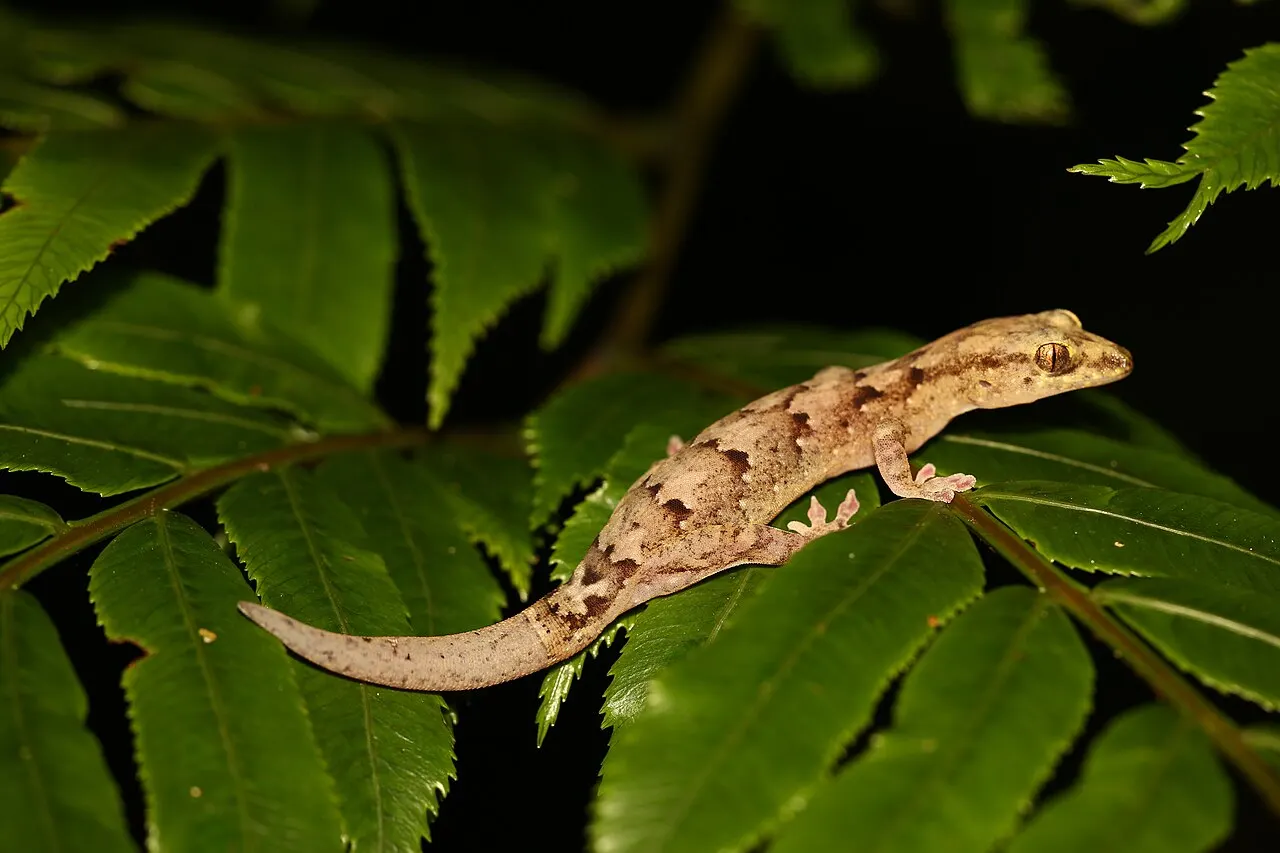
Sauvage's bavayia (Bavayia sauvagii) is a gecko found only in New Caledonia, where it lives in forest and shrubland. The IUCN Red List rated it Endangered in 2021, because its range is tiny, about 226 square km, and is being eroded by development, fire and invasive predators.
How to recognise it
It's an egg-laying gecko in the family Diplodactylidae. The British herpetologist George Boulenger described it in 1883 as Lepidodactylus sauvagii, honouring the French naturalist Henri Émile Sauvage.
The name has had a tangled history. A neotype, a replacement reference specimen, was designated in 2000 from Mont Koghis in New Caledonia's Province Sud. The species sits in a group of close relatives that also includes Bavayia campestris, B. kunyie and B. loyaltiensis.
Where it lives
The species is endemic to New Caledonia. The IUCN assessment gives an extent of occurrence of about 226 square km, an area of actual occupancy of about 36 square km, and three locations. It has been recorded from 10 m up to about 500 m, in lowland and montane moist forest and in dry and moist shrubland.
Older references also list the Loyalty Islands (Maré) and Île des Pins. Bavayia loyaltiensis, described in 2022 with a type locality on Maré, shows that look-alike geckos have since been split off, so older range maps may cover more than one animal.
Pins are Wikidata “endemic to” fields. Orange dots, when present, are GBIF occurrence tiles — survey bias included.
Why it is in trouble
Housing and urban growth are scored as the highest-impact threat, affecting the whole range. Fire is more frequent and intense than it used to be, and two invasive animals are named: the little fire ant (Wasmannia auropunctata) and feral cats (Felis catus).
The IUCN records a continuing decline in habitat, in the area the gecko occupies, and in the population overall. International use as a pet or display animal is also listed, though the assessment doesn't quantify it.
What is being done
It occurs in at least one protected area. The IUCN lists site and area management and control of invasive species as conservation actions, and names research priorities of population size and trends, taxonomy and threats. No population size has been estimated.
Sources
Written for this catalog in our own words from the sources below, checked against them on 12 November 2026. Population figures are estimates and carry the year they were made. Status and assessment year: IUCN. 2026. The IUCN Red List of Threatened Species. Version 2026-1. iucnredlist.org.