Endangered
Bavayia cyclura
Bavayia cyclura
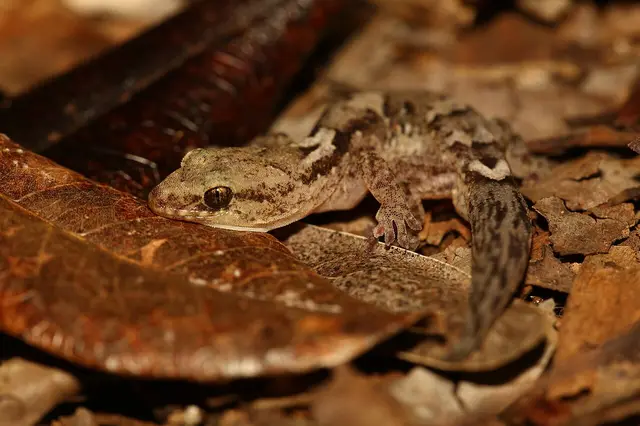
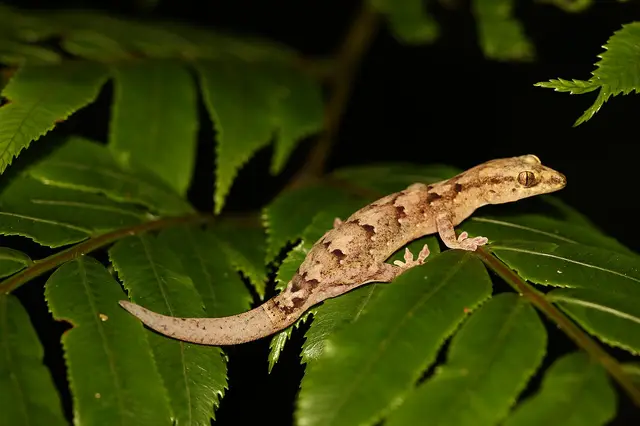
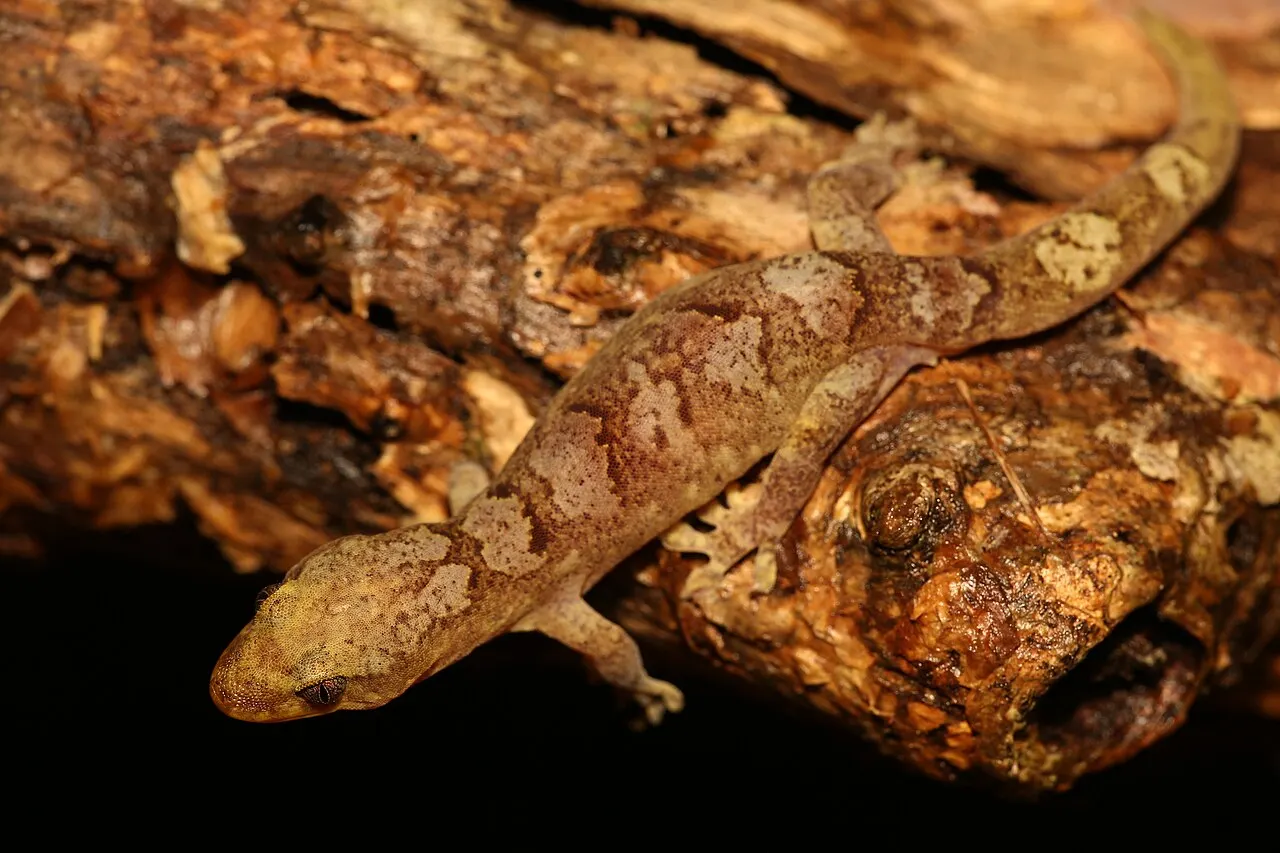
Günther's New Caledonian gecko, also called the forest bavayia, is a small egg-laying gecko from the dry forests of New Caledonia. The IUCN Red List assessed it as Endangered in 2021, because its range is tiny, covering five locations, and the area it occupies is still shrinking.
How to recognise it
Bavayia cyclura belongs to the Diplodactylidae, a family of geckos centred on Australia, New Caledonia and New Zealand. The species name comes from the Greek for round tail, referring to a rounded tail that differs from the flattened tails of other Bavayia species.
Members of the genus run from about 41 to 90 mm from snout to vent, and most fall between 50 and 70 mm. This gecko looks very like Bavayia crassicollis, so telling the two apart is a job for specialists. It sits in a small group of close relatives known as the cyclura clade.
Where it lives
Albert Günther described the species in 1872 from New Caledonia, under the name Peripia cyclura. Older accounts called it common and fairly widespread, with a range that included the Loyalty Islands. Current treatments place it on Grande Terre and the Île des Pins, plus nearby islets.
The 2021 Red List assessment puts its extent of occurrence at only 331 square kilometres, and the area it actually occupies at about 16 square kilometres. It is known from five locations and has been recorded up to 900 m above sea level. Its habitats are dry forest and the mangrove vegetation that sits above the high-tide line.
Pins are Wikidata “endemic to” fields. Orange dots, when present, are GBIF occurrence tiles — survey bias included.
How it lives
It lays eggs. Beyond that, very little has been published about its diet, breeding season or home range, and what is written about the whole genus is a poor guide to a single species. Anyone hoping for a detailed life history will find it hasn't been worked out.
Why it is in trouble
The assessment records a decreasing population and a continuing decline in the area it occupies. It lists a rise in the frequency and intensity of fires, shifting agriculture, and tourism and recreation areas among the threats, along with pressure from other species. These mostly act by degrading or removing the dry forest and coastal forest the gecko depends on.
With the whole range so small, a few fires or clearances can affect a large share of the animals.
What is being done
The species occurs in at least one protected area. The Red List assessment calls for site and area management and for control of invasive or problematic species.
Sources
Written for this catalog in our own words from the sources below, checked against them on 12 November 2026. Population figures are estimates and carry the year they were made. Status and assessment year: IUCN. 2026. The IUCN Red List of Threatened Species. Version 2026-1. iucnredlist.org.