Mauritius
9 catalog pins
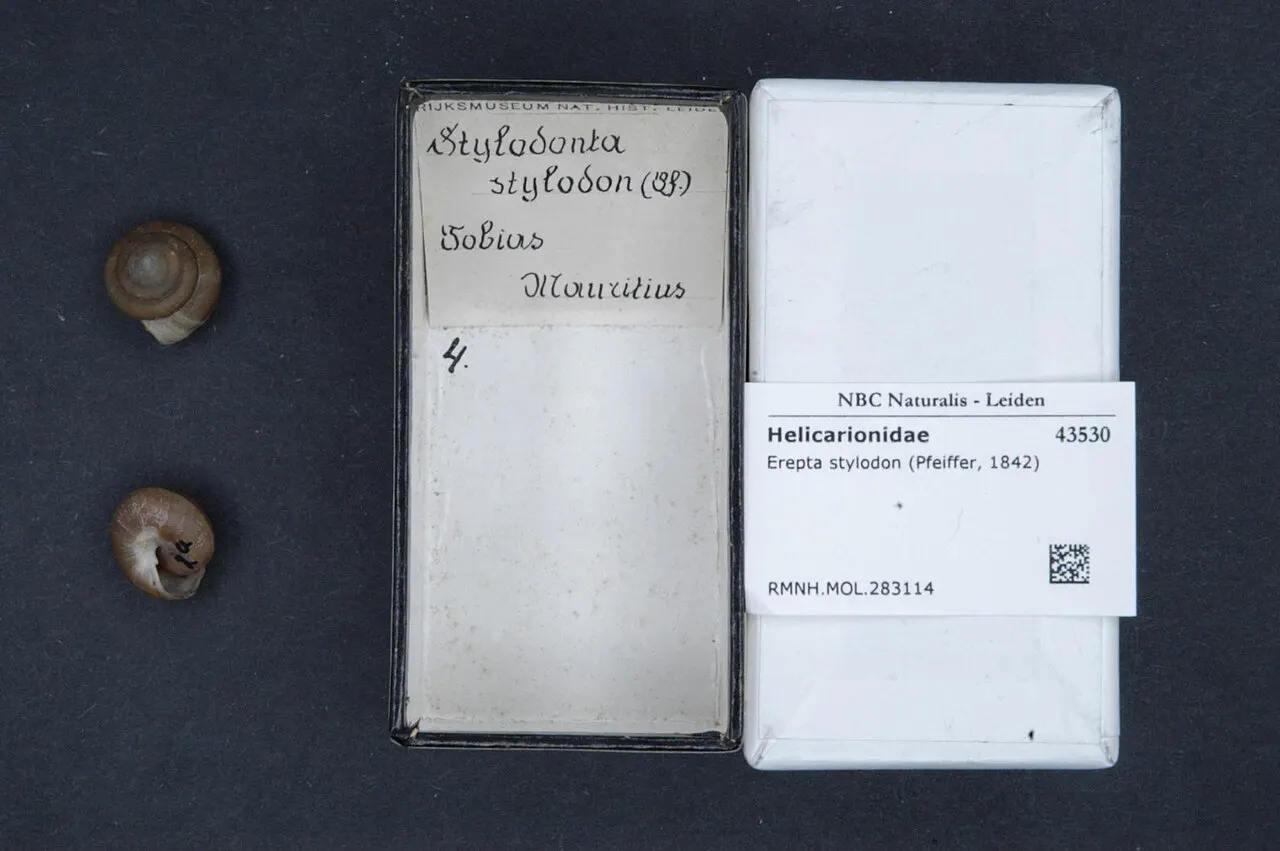
9 animals in this catalog carry a structured country pin for Mauritius. That is a filing fact, not a claim that the crisis is only here.
The photograph is one of those animals: Erepta stylodon. Open a dossier for the text, the status, and the map. Use the world map to jump to another country. Confirm official distributions on the Red List.
Mauritius is an island in the Indian Ocean, east of Madagascar, and it belongs to the Madagascar and Indian Ocean Islands biodiversity hotspot. No native land mammals lived here before people arrived, apart from bats, so birds, reptiles and plants filled most roles. The dodo, which went extinct in the 17th century, is the best known result of what happened when people and their animals landed.
The country's report to the Convention on Biological Diversity gives high endemism: 39% of plants, 80% of non-marine birds, 80% of reptiles and 40% of bats. It also states that only about 2% of the island is still under native forest, and that 89% of the endemic flora is considered threatened. That is a lot of species hanging on in very little habitat.
Where the pressure comes from
Land clearing and invasive species are the main causes. Rats, mice, small Indian mongooses, wild boar and crab-eating macaques arrived with people, and the common myna displaces native birds and eats native lizards. Introduced plants such as lantana and Brazilian guava crowd out native forest.
The CBD profile adds habitat changes for deer ranching, pollution from land, climate change and tourism pressure on wetlands, and notes that mangrove cover fell by 30% between 1987 and 1994. It lists 24 native vertebrate species as extinct, the dodo among them.
What is being done
Recovery work has paid off for some birds. The Mauritius kestrel fell to about four wild birds in 1974. Captive breeding, removal of first clutches from wild nests and supplementary feeding of wild pairs brought numbers up to at least 800 mature birds by 2005, although a 2014 estimate was under 400 and the species was moved back up to Endangered. The two estimates conflict and the reason is not explained.
Conserved sites cover 221 square kilometres, including Black River Gorges National Park, nature reserves such as Round Island and Ile aux Aigrettes, two marine parks and eight islet national parks. The Mauritian Wildlife Foundation is one of the non-governmental groups doing conservation work there. The national biodiversity strategy covered 2006 to 2015 and slated more than 400 hectares of invaded forest for rehabilitation.
Reading the catalog for Mauritius
The catalog's list for Mauritius is small and spans birds, corals, bats, a snail and a gecko. Birds are the largest group in the list, including the Mauritius olive white-eye, the Mauritius fody and the Mauritius kestrel. The list is a snapshot of what has been assessed, and many of Mauritius's other threatened plants are not animals and so do not appear.
Sources for this section
- Mauritius country profile, Convention on Biological Diversity: Endemism, native forest, threats, protected areas, NBSAP 2006 to 2015
- Wildlife of Mauritius, Wikipedia: No native land mammals except bats, dodo, invasive animals and plants, Black River Gorges area, Round Island
- Mauritius kestrel, Wikipedia: Population history 1974 to 2014 and recovery programme
What the catalog records for Mauritius
The catalog has 9 animals with a country pin for Mauritius: 2 Critically Endangered and 7 Endangered. By GBIF class the largest groups are Aves (3), Anthozoa (2), Mammalia (2), Gastropoda (1). The families with the most records are Helicarionidae (1), Zosteropidae (1), Ploceidae (1). A pin means a structured source (Wikidata or a GBIF match) places the animal in Mauritius; it does not say the animal lives only there.
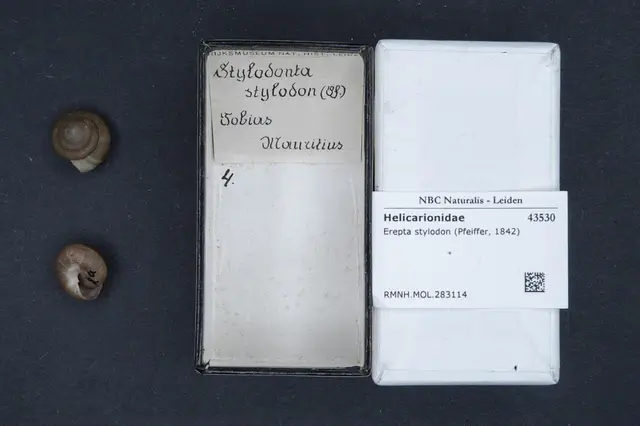 CR
Erepta stylodon
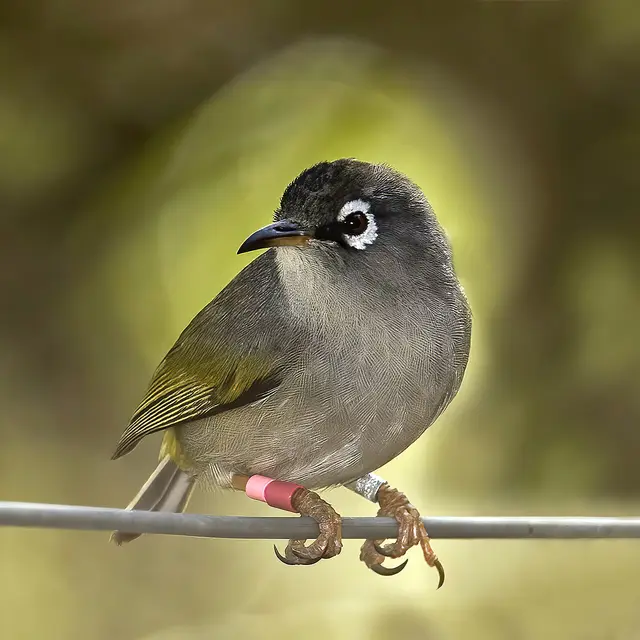 CR
Mauritius olive white-eye
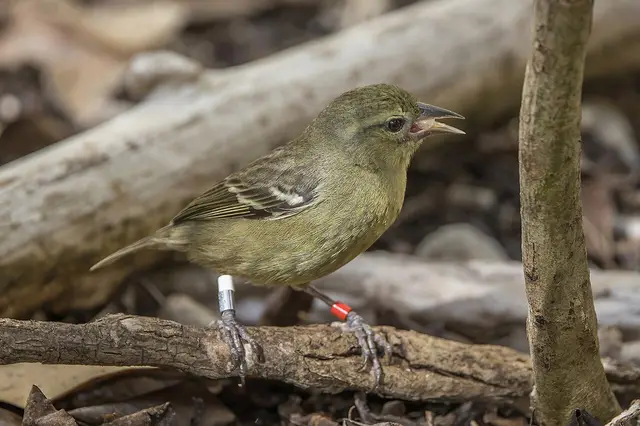 EN
Mauritius Fody
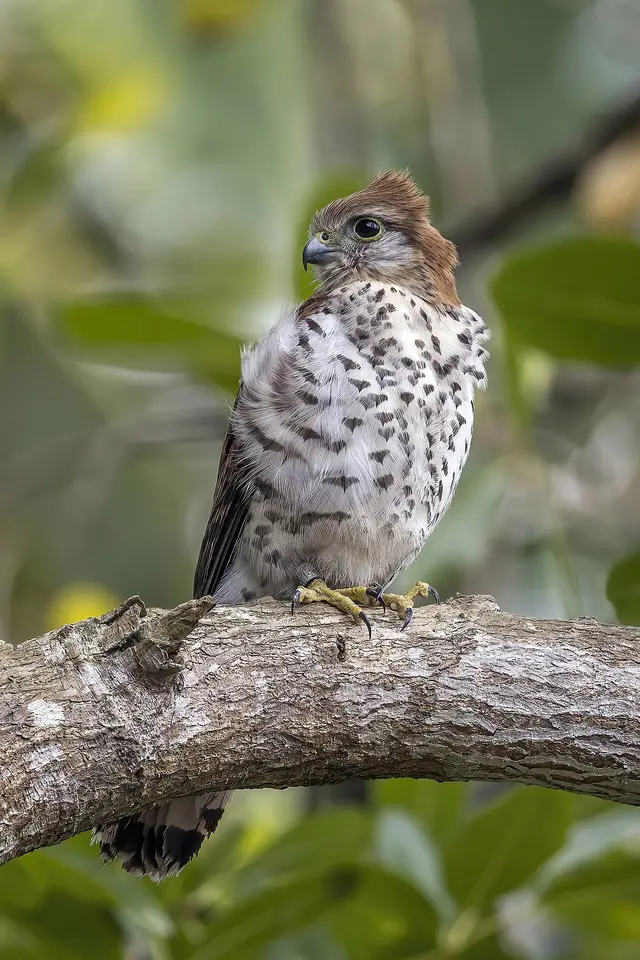 EN
Mauritius Kestrel
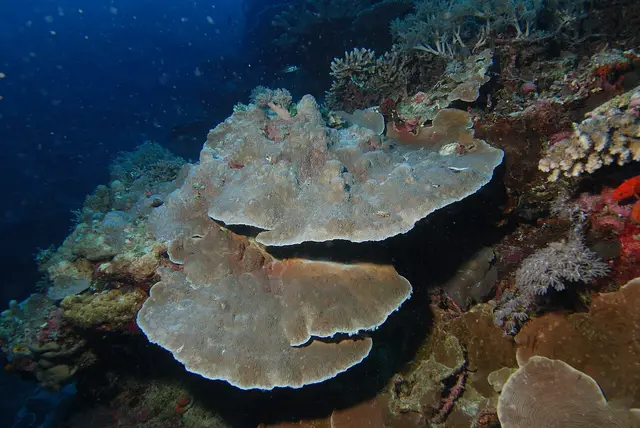 EN
Montipora foliosa
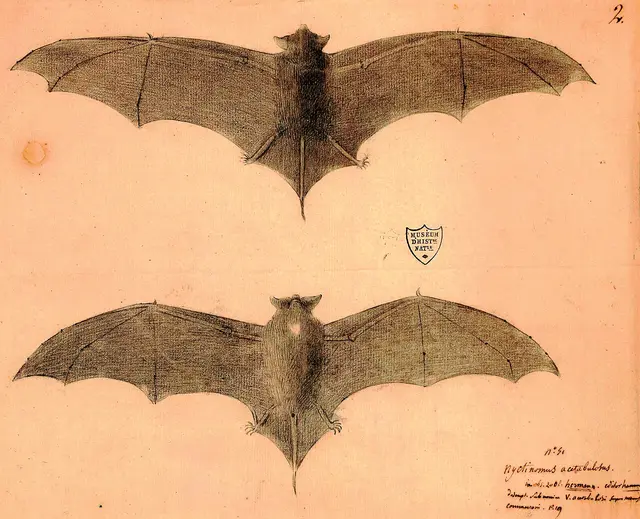 EN
Natal Free-Tailed Bat
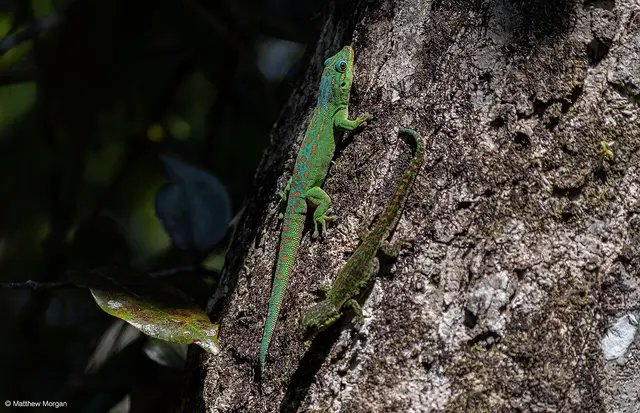 EN
Mauritius upland forest day gecko
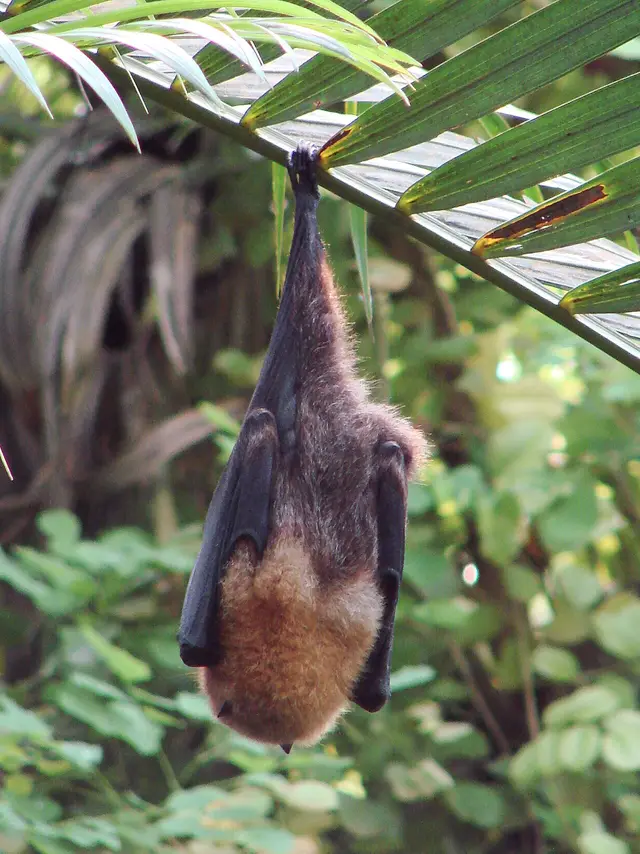 EN
Rodrigues flying fox
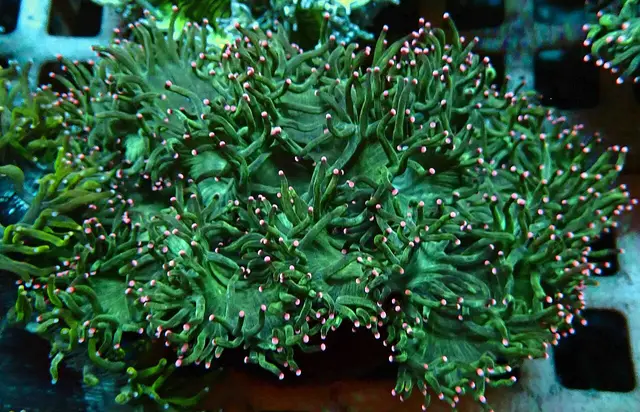 EN
Stylophora subseriata
Total pins: 9.
Quick answers
- Do all these animals live only in Mauritius?
- No. A pin means a Wikidata place field resolved here. Official ranges can be wider.
- Is this a government list?
- No. It is a slice of this catalog.